Eminent achievements in science and technology increasingly determine the economic, political and cultural importance of a country. They play a crucial part in attracting top scientists and industrial investments to a particular location. Acting on a mandate from the Federal Government, the DLR Space Administration promotes these objectives under the German Space Program. Thanks to its excellent engineers and scientists, Germany was able to implement more than 100 space missions both nationally and within the framework of international cooperation.
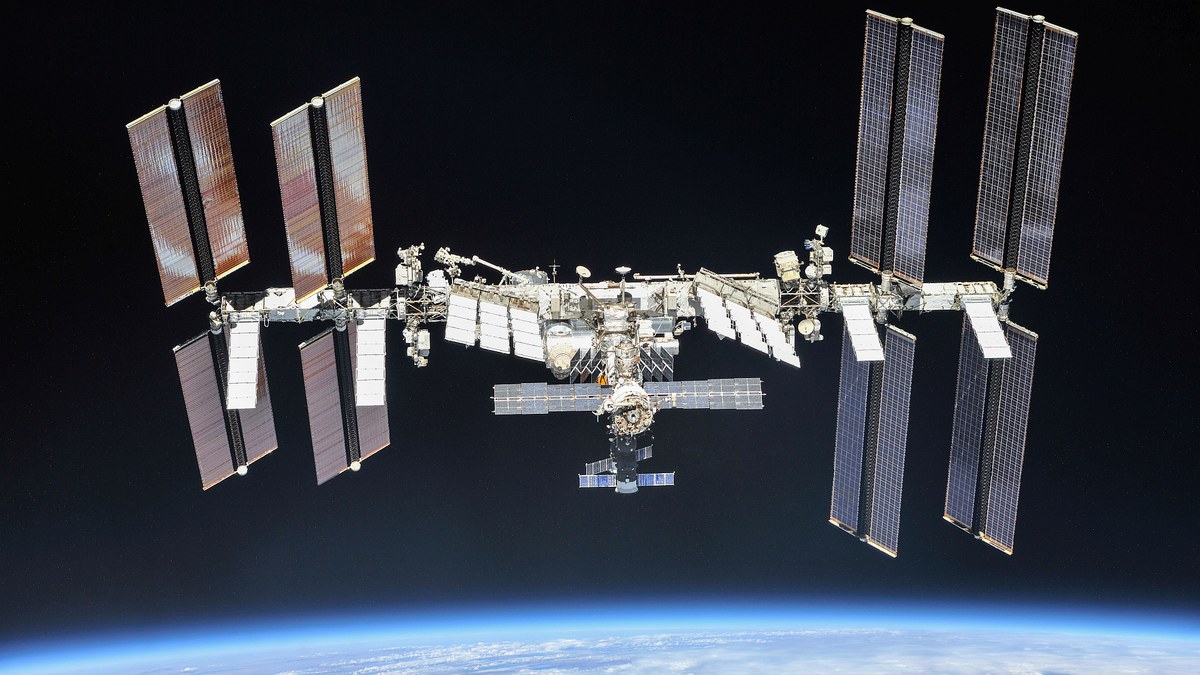
The International Space Station (ISS) is the largest technology project of all time. The European Columbus module is the newest section of the Space Station. Even with Columbus attached, the ISS is still not finished. Follow its development and see our interactive animation of the construction of the ISS.
The German Aerospace Center (DLR) is involved in important national and international missions, exploitation and exploration of outer space and research on the effect of weightlessness on life. Our mission pages provide an overview of the main areas of focus and highlights.
Nobody would have believed it back then; when the European Space Agency (ESA) spacecraft Mars Express was launched on 2 June 2003 to investigate our neighbouring planet, its mission was intended to last one Mars year, which is equivalent to about two Earth years.
Grabens, dendritic valleys, lava flows and the highest known mountain in the Solar System – in the images from the German stereo camera on board the Mars Express spacecraft, the topography of the Red Planet appears so three-dimensional that you could walk through it.