2153 mirrors twist and turn at DLR Experimental Solar Thermal Power Plant in Jülich, directing sunlight onto a 22-square-metre receiver. TerraSAR-X, the German radar satellite operated by DLR, can also detect the mirrors as they follow the Sun – from more than 500 kilometres above Earth.
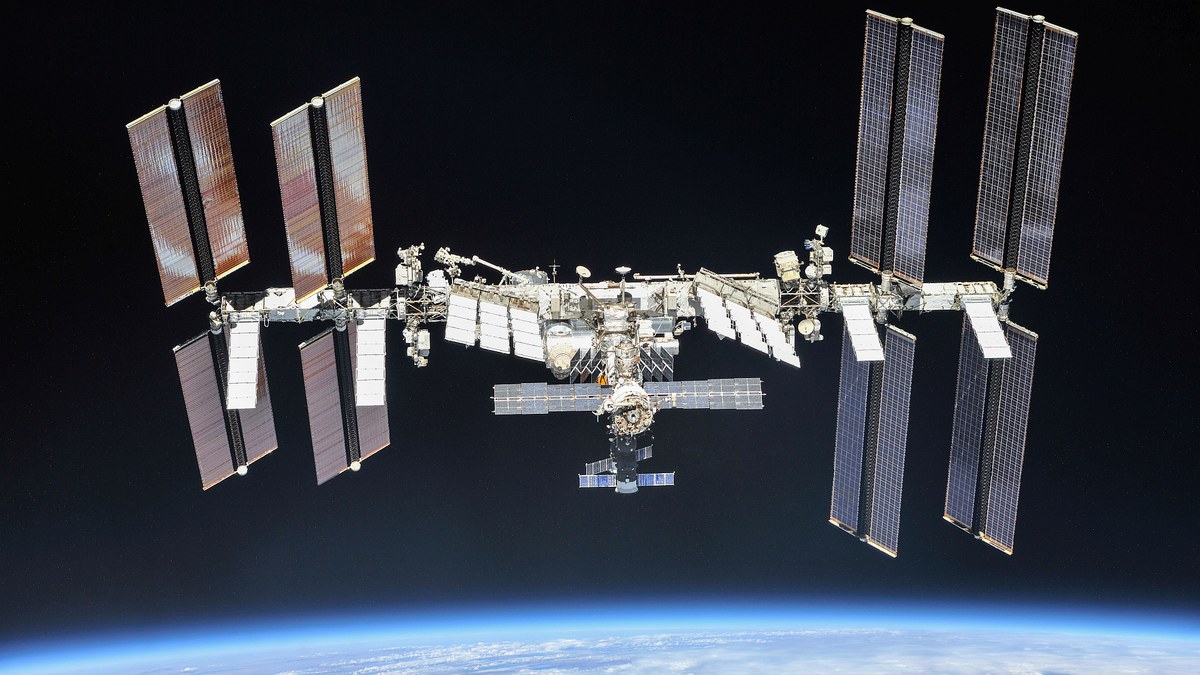
From the outside it resembles a shiny barrel; inside, however, it contains a myriad of possibilities for scientific work under microgravity conditions. The European Columbus research module has been flying through space for five years, attached to the International Space Station (ISS).
From the research stage to full operation – The Center for Satellite Based Crisis Information (ZKI) is now on call around the clock. This service facility established in 2004 provides up-to-the minute satellite-based maps for activities related to natural and environmental disasters, humanitarian aid, and civil security worldwide. On 22 January 2013 the German Aerospace Center (DLR) in cooperation with the Federal Ministry of the Interior (BMI) officially launched regular ZKI operations.
The Institute of Atmospheric Physics (IPA) at the German Aerospace Center (DLR) celebrated its 50th anniversary in 2012. To celebrate this milestone, a book titled 'Atmospheric Physics: Background – Methods – Trends' has been published.
Captain William Mynors was not particularly creative as he sailed past a remote island in the Indian Ocean on the 'Royal Mary', a ship belonging to the British East India Company, on 25 December 1643.
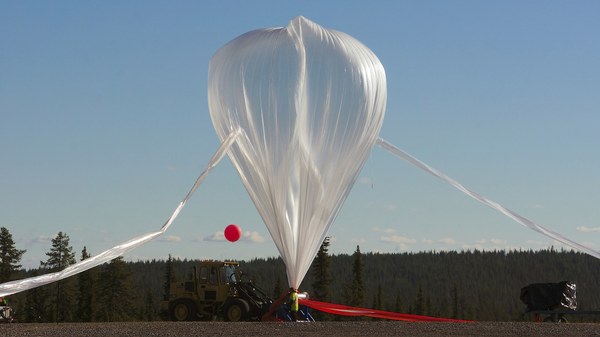
There are very few ways of conducting experiments without the influence of Earth's gravity. One of these platforms became available on 25 November 2012, when a rocket was launched from the Swedish Esrange Space Center in Kiruna.
Glasses are rattling on the shelves and the ground is rumbling – since January 2011 the earth under the Santorini volcano has been stirring. Most of the time, it is barely noticeable, but every now and then the inhabitants notice small tremors jolting the volcanic archipelago.
Every year, over 100,000 fawns are injured or killed by farming equipment in Germany. Young deer crouch down when danger threatens instead of fleeing, and thus become casualties. The "Flying Wildlife Finder," an application system developed by the German Aerospace Center (DLR), prevents accidents by detecting animals hidden in tall grass during the hay harvest. At the same time, this animal rescue prevents the contamination of grass cuttings by animal carcasses. For the innovative idea of a "Flying Wildlife Finder," the DLR Remote Sensing Technology Institute was recognized as one of 365 "Featured Locations 2012" in a "Country of Ideas." The award ceremony took place on 7 November 2012 in Oberpfaffenhofen. This competition is organized by the nation-branding initiative "Germany – A Country with Ideas" in cooperation with Deutsche Bank.
The first two satellites for the European Galileo navigation system have been orbiting Earth since 21 October 2011. Now, two more are about to follow; on 12 October 2012 at 20:15 CEST, a Soyuz rocket will launch satellites three and four into their position in space.
Researchers at the German Aerospace Center (DLR) have been instrumental in the preparation of a report by the World Meteorological Organization (WMO) regarding the development of the ozone layer in the stratosphere. Based on estimates, by about the mid 21st century, the ozone layer will have the same thickness as it had in the early eighties.