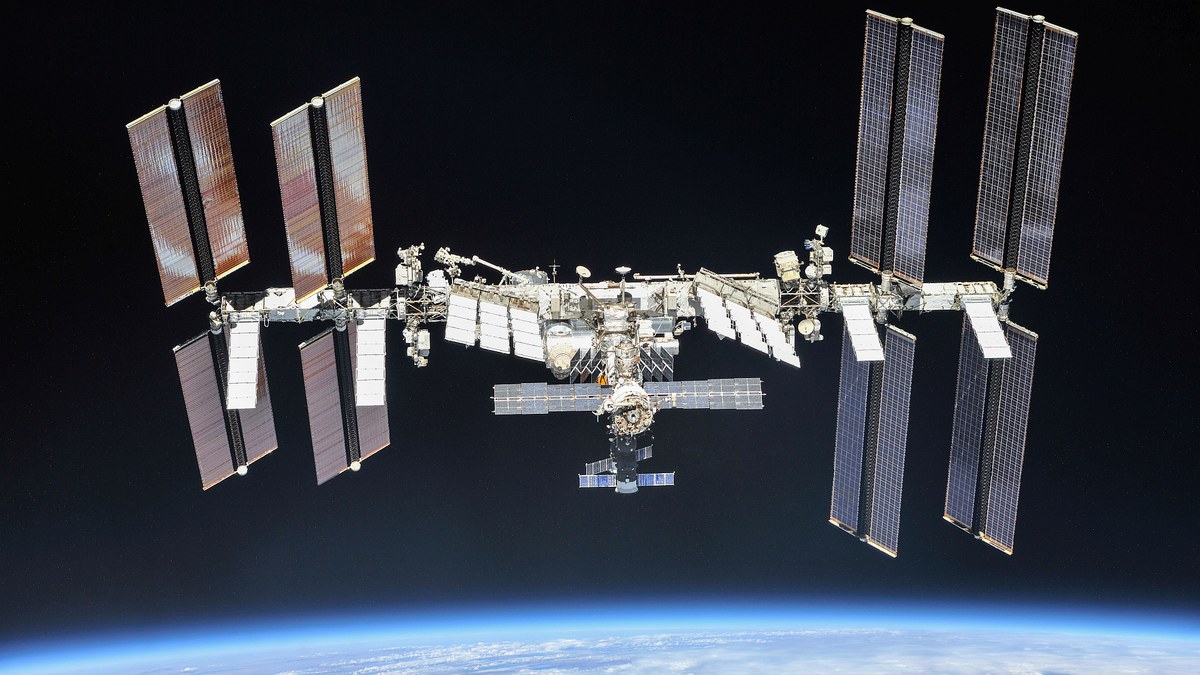
The International Space Station (ISS) is the largest technology project of all time: an outpost of humanity in space. At the same time, it is a flying laboratory with outstanding possibilities for scientific and industrial research. The ISS proves that peaceful international use of space is to the advantage of all its partners.
A special website presenting all the German astronauts that have flown in space, and the latest German astronaut candidate – Alexander Gerst. In 1978, Sigmund Jähn, a citizen of the German Democratic Republic, became the first German to travel to space. In addition to Jähn, this astronaut special contains brief biographies of Ulf Merbold, Reinhard Furrer, Ernst Messerschmid, Ulrich Walter, Klaus-Dietrich Flade, Reinhold Ewald, Gerhard Thiele and Thomas Reiter. And finally, Hans Schlegel, the German astronaut to fly most recently; he flew on STS-122, the mission during which Columbus was attached to the International Space Station, in 2008.
The International Space Station (ISS) is the largest technology project of all time. The European Columbus module is the newest section of the Space Station. Even with Columbus attached, the ISS is still not finished. Follow its development and see our interactive animation of the construction of the ISS.
In February 2008, the astronauts of the STS-122 mission installed the Columbus space laboratory in its final position on the International Space Station ISS. This image gallery shows the Columbus Laboratory from transportation in the Beluga Airbus to assembly in space.
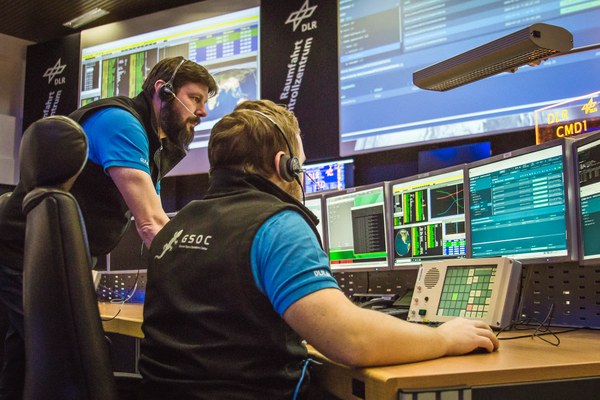
This blog was operated by ESA in cooperation with DLR. It was updated by the media team of ESA and direct input was received from the Columbus lab ground controllers, ESA astronauts and Web editors at the Columbus Control Centre, Germany, and the Kennedy and Johnson Space Centers, USA.
A special passenger was on board during the launch of ESA's fourth Automated Transfer Vehicle (ATV), 'Albert Einstein', on 5 June 2013 at 23:52 CEST – the STEREX experiment, funded by the DLR Space Administration and the European Space Agency (ESA).
His muscles are of interest to the scientists, as is his internal clock and the radiation dose to which he will be exposed during his work in the European Columbus research laboratory. On 28 May 2013 at 22:31 CEST, the European Astronaut Luca Parmitano will depart from the Baikonur Cosmodrome in Kazakhstan on board the Soyuz TMA-09M spacecraft, beginning his journey to the International Space Station (ISS), as part of the Expedition 36/37 crew.