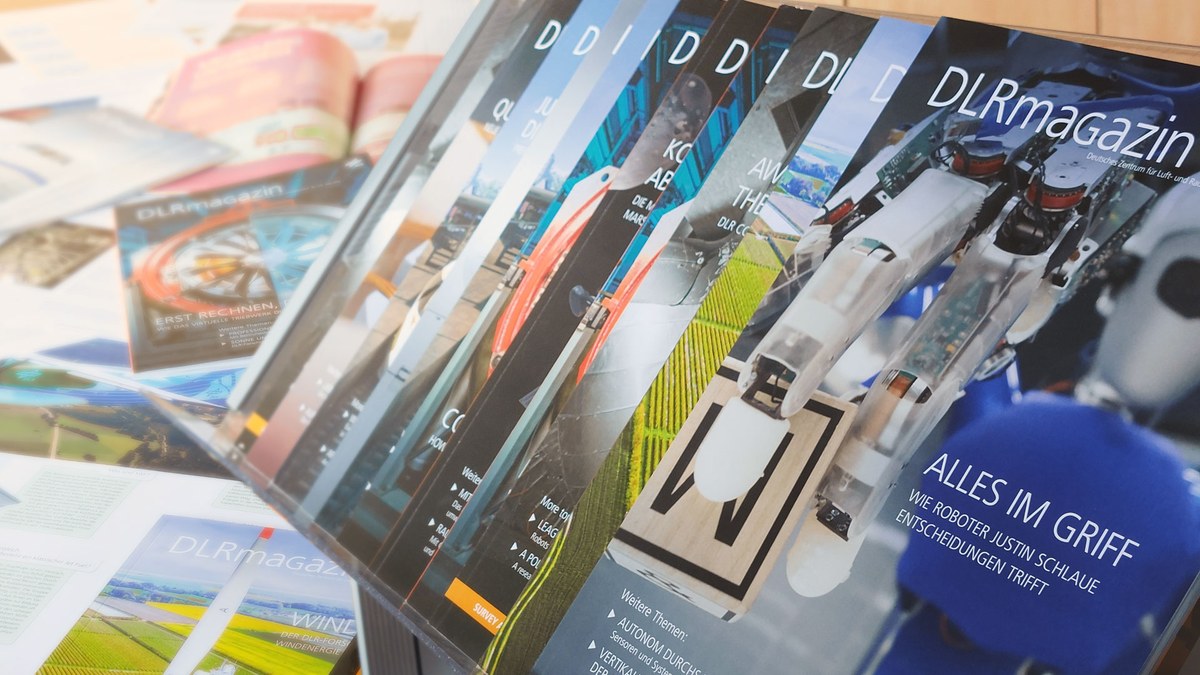
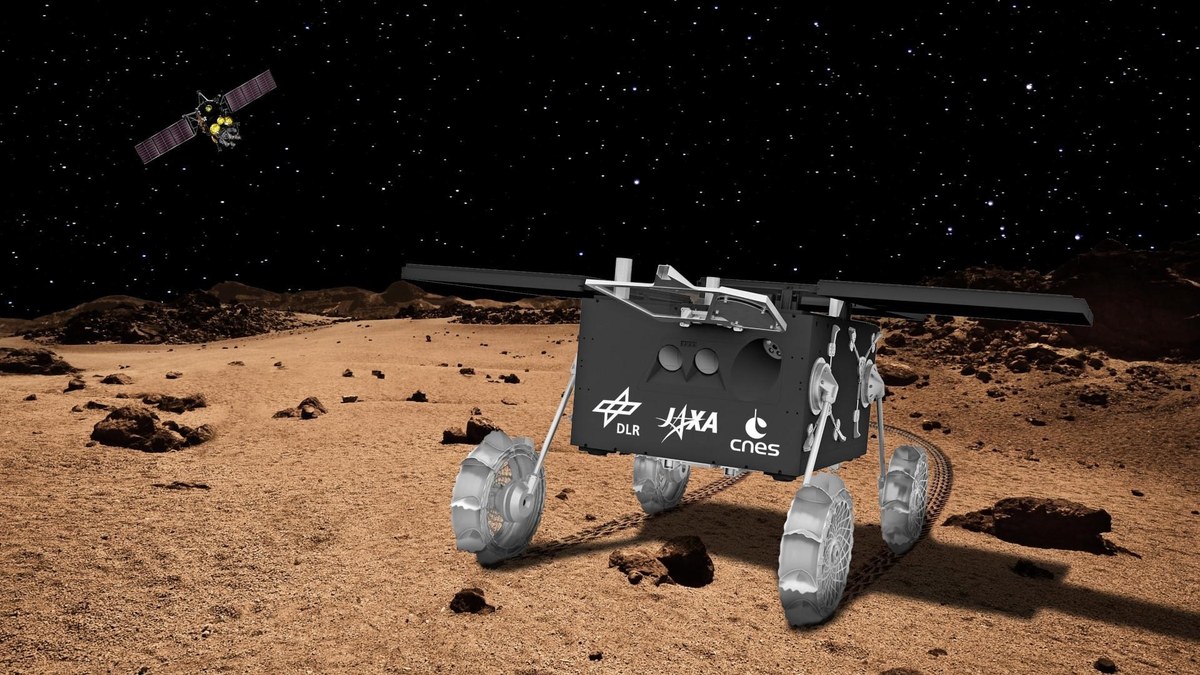
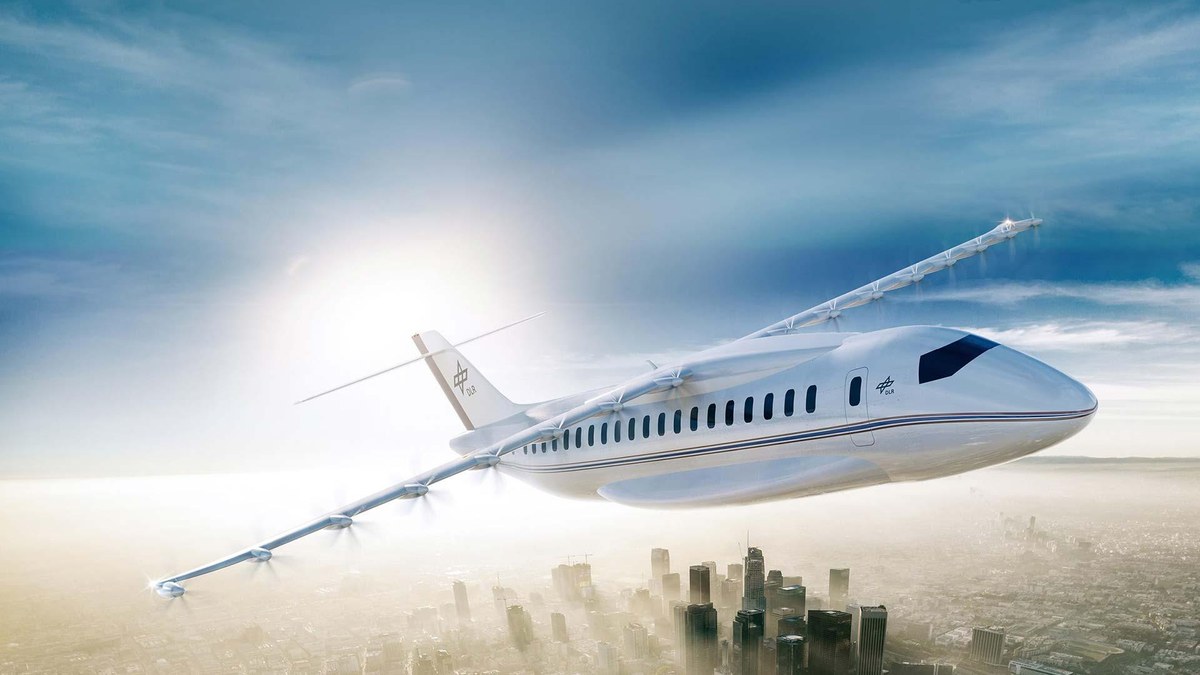
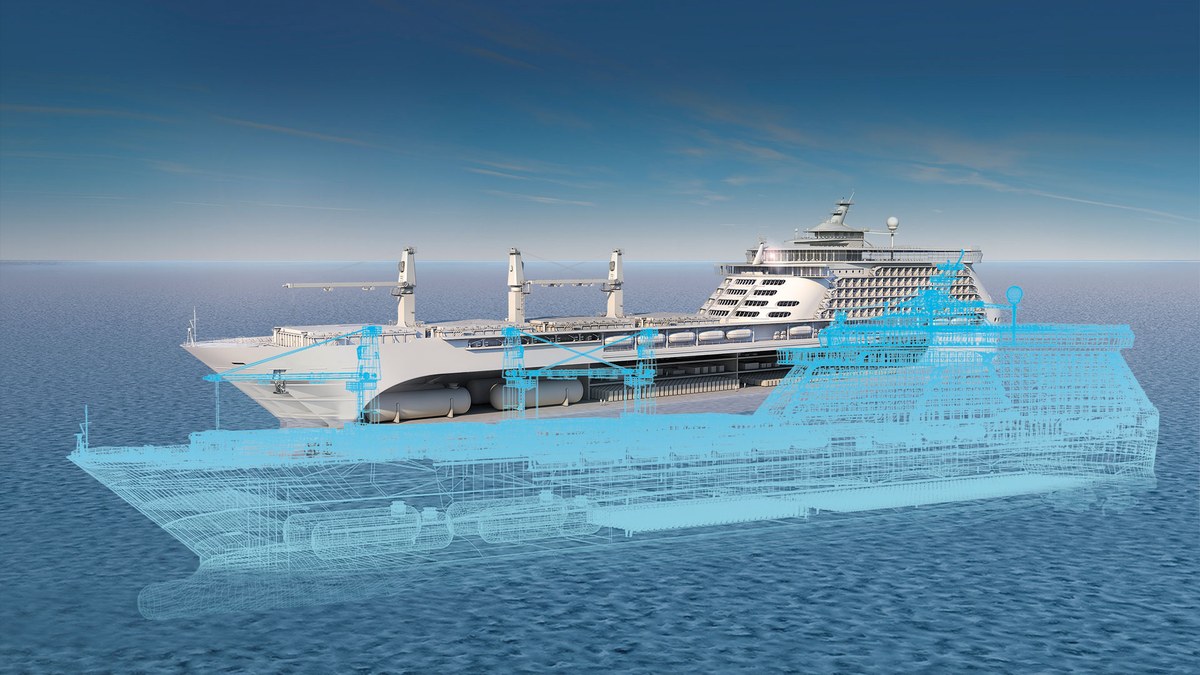
DLR's core competence in aeronautics, space, energy, transport, and security research forms a major potential for future applications in a multitude of industries. Following the motto 'innovation2gether', DLR's contact for innovative companies is its Technology Marketing, the interface between research and industry. Industrial customers may benefit from forward-looking and market-oriented technologies by accessing DLR's extensive know-how. DLR's Technology Marketing supports the entire process from idea generation to the successful market launch of a technology.
DLR's technologies and competencies may be developed from the idea to market maturity in collaboration with a business partner. One of the approaches offered by DLR's technology marketing unit in this context is transfer by a Strategic Innovation Partnership.
Compressor air foils have reached a high level of sophistication. The potential to improve the undisturbed flow around the air foils is nearing exhaustion.
During maintenance on a propeller aircraft, engine propellers must be safely prevented from rotating. Additionally, the propeller rotation should dynamically be stopped after engine shut down in ground wind conditions.
Aerogels are extremely light, super-insulating nano-structured ceramic materials. If you fill a tube with quartz aerogel grains and pour an aluminium casting alloy into the interstices between these grains, you obtain a material with a foam-like structure.
The ability to predict thunderstorms reliably is of great importance in aviation. DLR has developed a method by which satellite and radar data are used at five-minute intervals to detect thunderstorms in real time and forecast them up to one hour in advance.
Aircraft should be able to return safely to their airport even after a bird strike. When developing particularly vulnerable structures such as tail planes, leading wing edges, or engines, therefore, manufacturers use computer simulations and shoot bird dummies at the object.
In aviation, predicting the availability of navigation methods is an important element in flight preparation. DLR has developed prognostication tools that cover a multitude of current and even future navigation methods.
Laser-based communication systems for aircraft and unmanned airborne vehicles (UAVs) have been studied at DLR for more than five years.
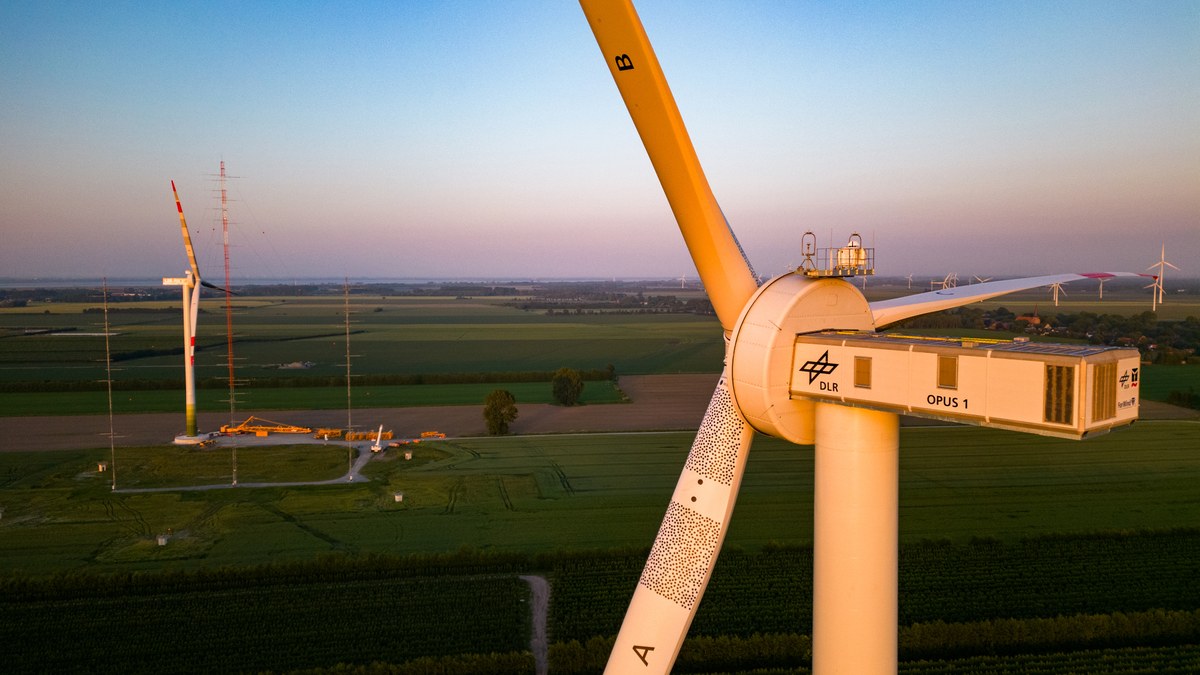
To operate wind power plants economically, maintenance work has to be scheduled for low wind seasons. Therefore reliable condition monitoring systems are required.