As Germany's space agency, DLR conducts research in a wide range of applications for space: from robots for the ISS to cameras for spacecraft. This gallery will show you some of DLR's contributions to the field of space research.
The Cassini-Huygens European/American mission was launched on 15 October 1997 and reached Saturn after just under seven years of flight. The aim behind the Cassini-Huygens mission is to accurately and scientifically investigate the gaseous planet Saturn and its moons.
The Dawn mission was launched on 27 September 2007. The objective of the mission is the most thorough investigation of two asteroids: Vesta and Ceres. With Dawn, researchers expect to find out what happened during the first few millions of years after the planets were formed.
The successful launch of the first two Galileo In-Orbit Validation (IOV) satellites on 21 October 2011 marks the start of space segment construction for an independent European satellite navigation system. By 2010, a total of 30 satellites are scheduled to be in Earth orbit, supplying accurate data for position determination.
Considered one of the most beautiful mountains in the world and, at 8000 metres high, the most difficult to climb, K2 lies on the border between Pakistan and China. For scientists at the German Aerospace Center (DLR), it is the perfect place for testing the latest processes for converting satellite data into 3D models.
This image gallery shows the highlights from the output of the DLR-operated High Resolution Stereo Camera (HRSC) on board ESA's Mars Express probe. Over the past five years, the HRSC has recorded many fascinating images of the Martian surface in high resolution, in 3D and in colour.
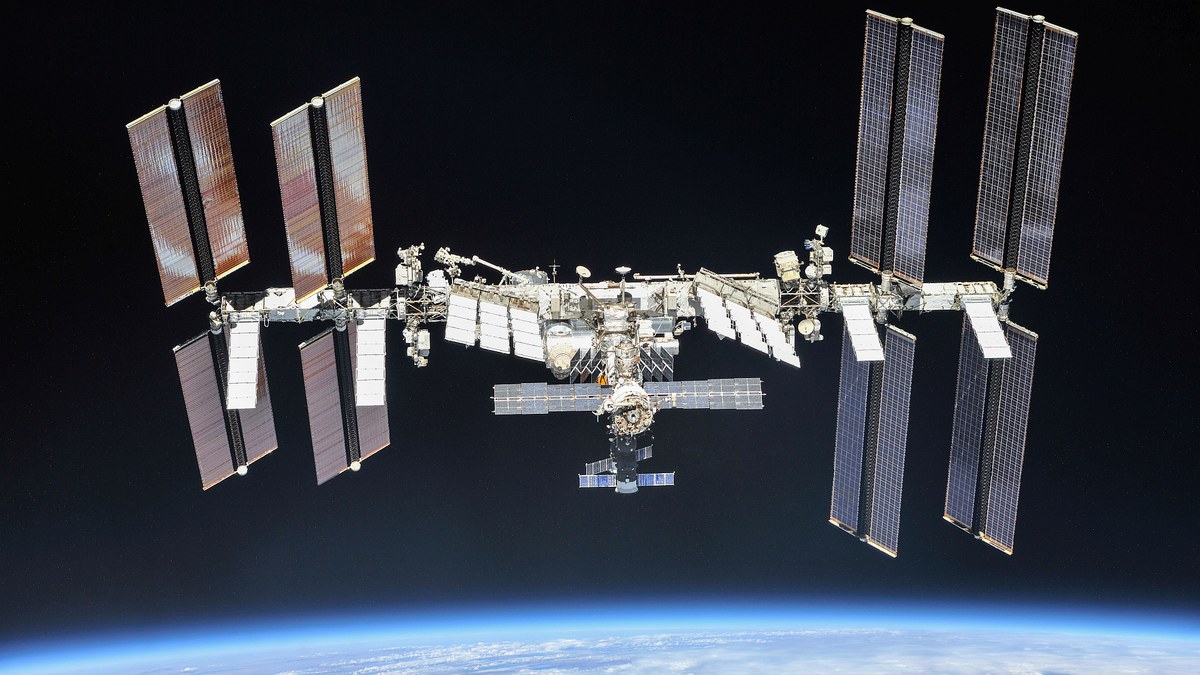
The image gallery contains images of the International Space Station ISS. These show different stages in the development of the ISS between 2005 and 2007, as well as snapshots of extra-vehicular activities and docking manoeuvres.
On 15 June 2007, the German TerraSAR-X Earth observation satellite was launched into Space. Within a record four days after the launch, its first images were received and processed by the German Aerospace Center (DLR).