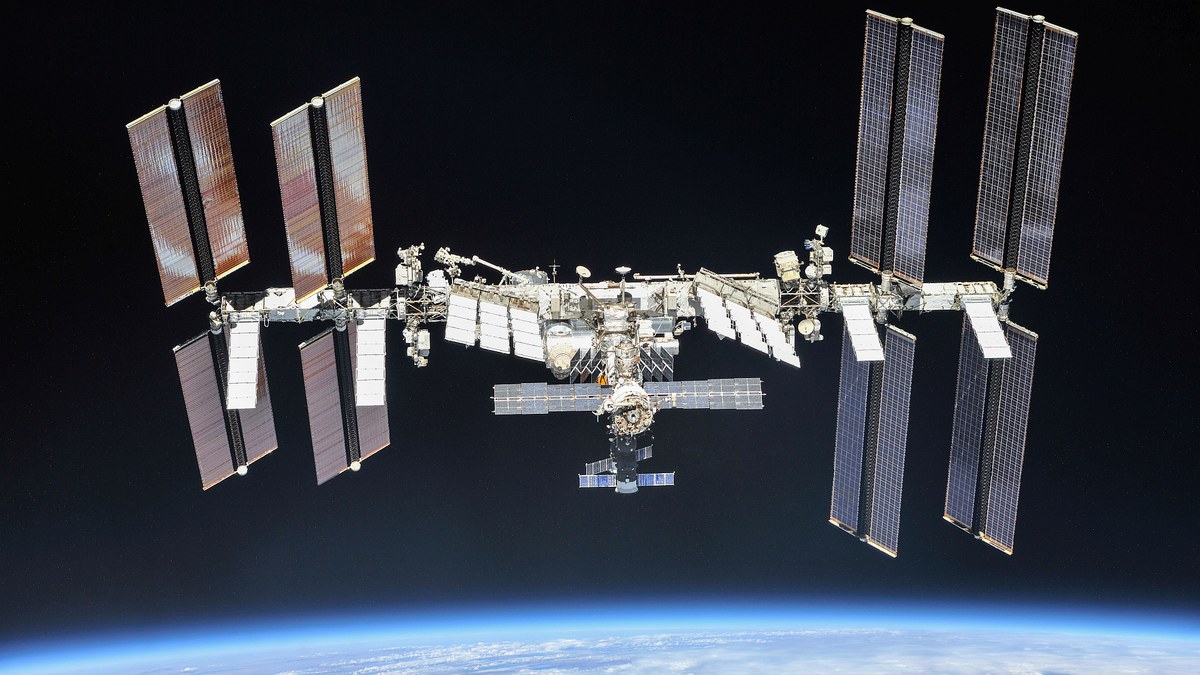
From the outside it resembles a shiny barrel; inside, however, it contains a myriad of possibilities for scientific work under microgravity conditions. The European Columbus research module has been flying through space for five years, attached to the International Space Station (ISS).
Researchers at the German Aerospace Center (DLR) in Göttingen have discovered a way to make helicopters more manoeuvrable.
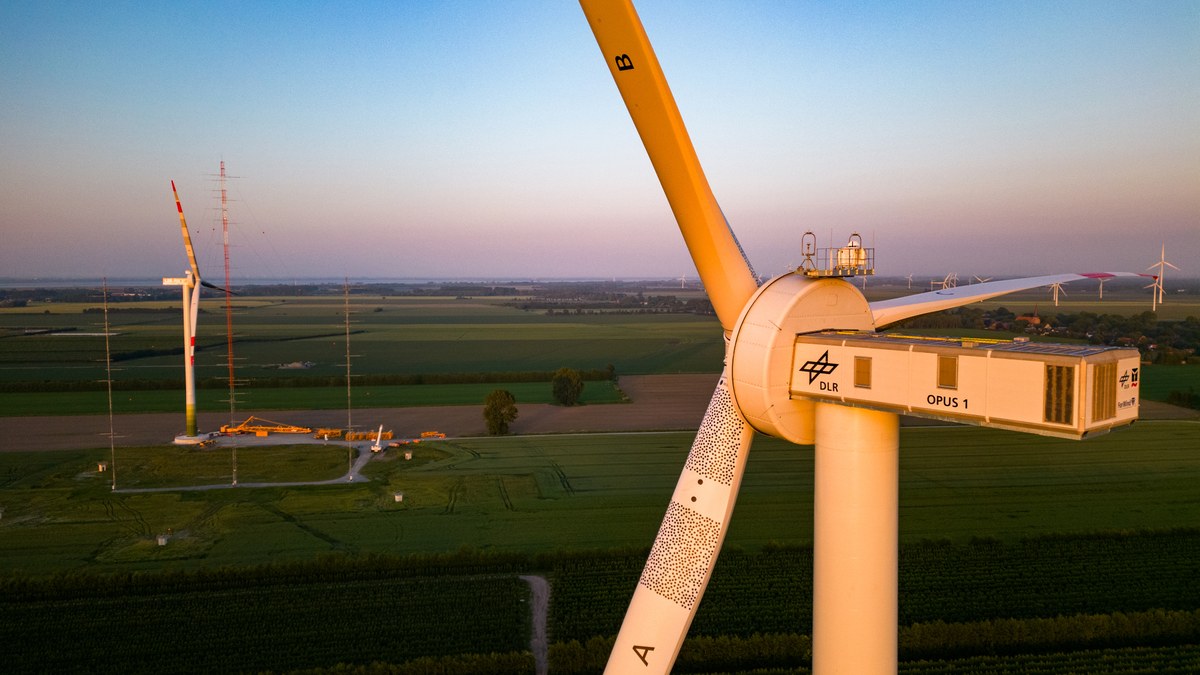
A unique alliance for German wind energy research was officially formed in Berlin today – the Wind Energy Research Alliance. Representatives of the three partners, the German Aerospace Center (DLR), ForWind, the Center for Wind Energy Research of the universities of Oldenburg, Hanover and Bremen, and the Fraunhofer Institute for Wind Energy and Energy Systems Technology (IWES) signed the cooperation agreement.
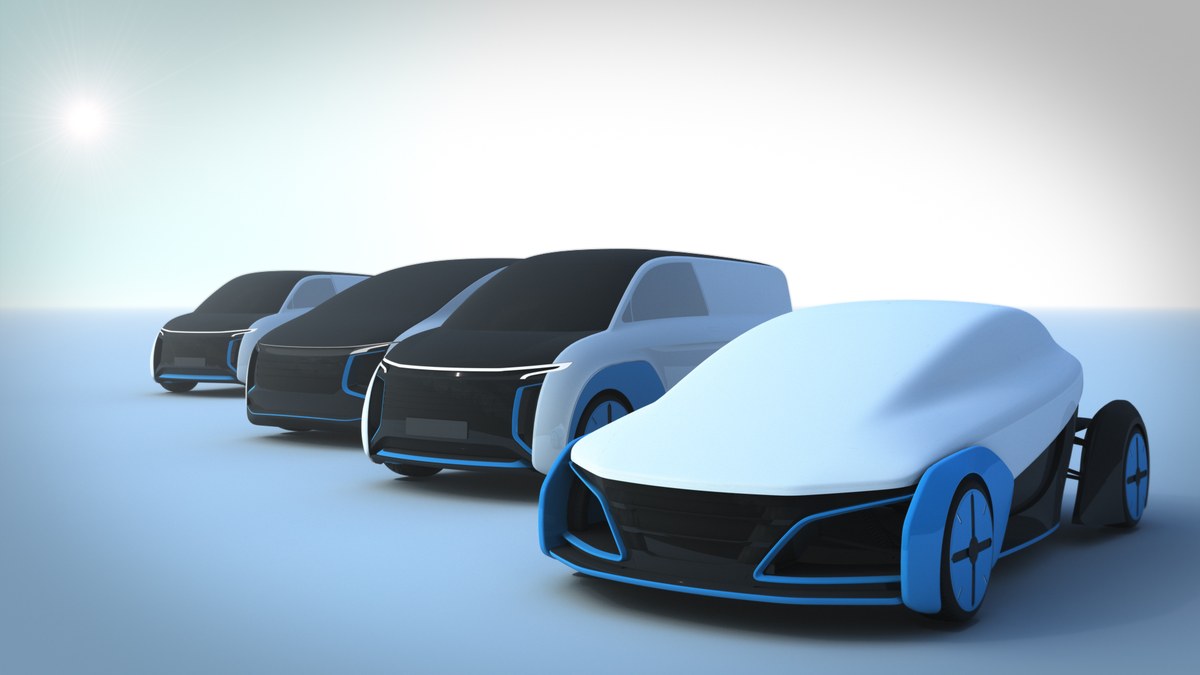
Looking for a parking space can be a strain on the nerves for drivers. How nice would it be for a car to be able to look for its own parking space, for example at a railway station, while we are boarding the train?
The German Aerospace Center (DLR) is using knowledge for tomorrow to shape the future of our society today. DLR is a world-renowned partner for research and will continue to develop its international network in 2013 by establishing new collaborations with research institutes and universities.
At the Plataforma Solar de Almería in southern Spain, researchers from the German Aerospace Center (DLR) have put a test facility for solar thermal power plants into operation.
From the research stage to full operation – The Center for Satellite Based Crisis Information (ZKI) is now on call around the clock. This service facility established in 2004 provides up-to-the minute satellite-based maps for activities related to natural and environmental disasters, humanitarian aid, and civil security worldwide. On 22 January 2013 the German Aerospace Center (DLR) in cooperation with the Federal Ministry of the Interior (BMI) officially launched regular ZKI operations.
During its Annual General Meeting in Abu Dhabi, the International Renewable Energy Agency (IRENA) made the world's first global atlas for renewable resources public.
For 205 days in 2011, Jens Titze, Professor of Electrolyte and Circulatory Research at the University of Erlangen-Nuremberg, and his team strictly controlled the diet for the Mars500 test subjects during their virtual flight to Mars.
Reliably monitoring extensive areas of the sea is a major challenge for the coastguard and emergency relief services. Unmanned aircraft are expected to make a critical contribution to this in the future.
The vision is enticing – board in Europe, sit back, and disembark 90 minutes later on the other side of the world, in Australia. But before the SpaceLiner, which is being developed by the Institute of Space Systems at DLR, can fly a route like this for the first time, new technologies still have to be tested and basic requirements defined.
Many disciplines are involved in the design and development of an aircraft. To obtain the best combination of wings, fuselage and engines, researchers must work closely together and share their expertise effectively.
To the naked eye there is nothing to see, and yet the small transparent container holds something never observed before. For the first time, scientists are studying asteroid dust collected by a spacecraft and returned to Earth. Ute Böttger, from the Institute of Planetary Research at the German Aerospace Center (Deutsches Zentrum für Luft- und Raumfahrt; DLR), belongs to one of 11 teams across the world that are carrying out scientific work on the asteroid particles from the Japanese Hayabusa mission.
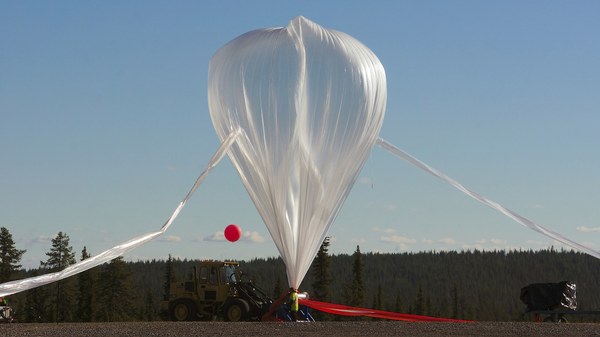
There are very few ways of conducting experiments without the influence of Earth's gravity. One of these platforms became available on 25 November 2012, when a rocket was launched from the Swedish Esrange Space Center in Kiruna.
On 20 and 21 November 2012, delegates from the 20 member states of the European Space Agency (ESA) and Canada met at the 'Mostra d'Oltremare' conference centre in Naples, Italy.
The first solar tower power plant in North Africa will be built in Algeria. The People's Democratic Republic of Algeria Ministry of Higher Education and Scientific Research and the German Federal Ministry for the Environment, Nature Conservation and Nuclear Safety (BMU) have agreed to collaborate on this project.
The first two satellites for the European Galileo navigation system have been orbiting Earth since 21 October 2011. Now, two more are about to follow; on 12 October 2012 at 20:15 CEST, a Soyuz rocket will launch satellites three and four into their position in space.
The German Aerospace Center (DLR) and 13 leading representatives of the European aviation industry and research sector have jointly agreed to intensify their cooperation in the field of eco-efficient aviation.
Researchers at the German Aerospace Center (DLR) have been instrumental in the preparation of a report by the World Meteorological Organization (WMO) regarding the development of the ozone layer in the stratosphere. Based on estimates, by about the mid 21st century, the ozone layer will have the same thickness as it had in the early eighties.
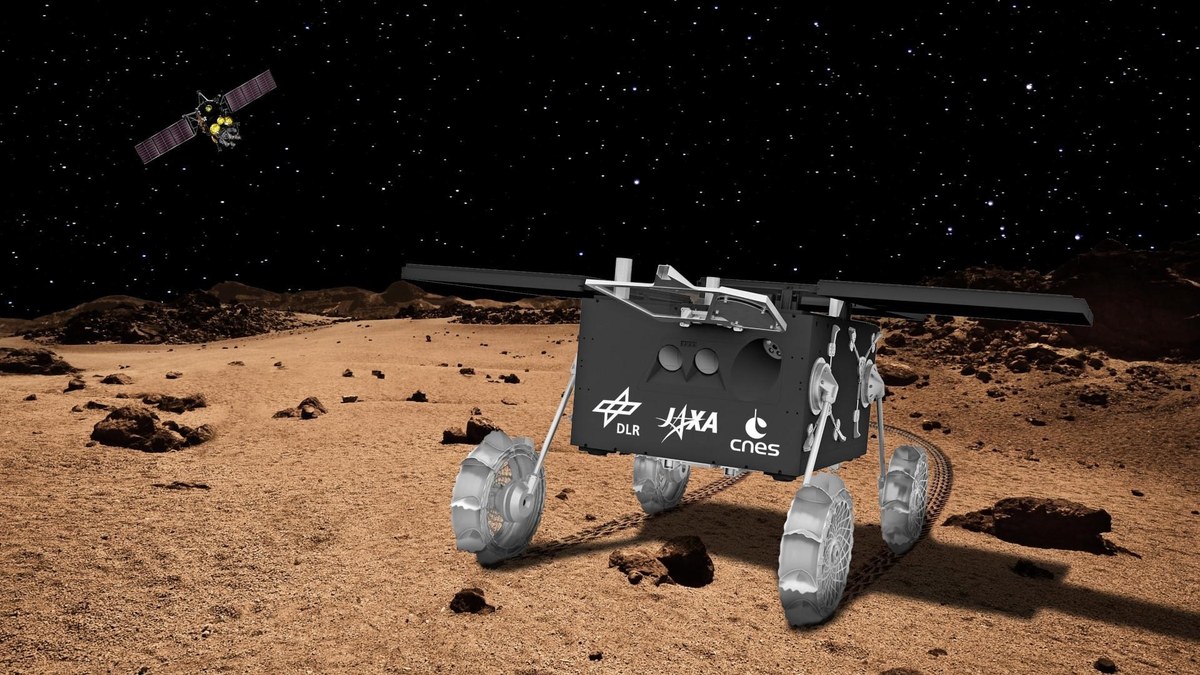
When the Japanese Hayabusa-2 mission is launched towards asteroid 1999 JU 3 in 2014 to collect surface samples, MASCOT – the Mobile Asteroid Surface Scout – an asteroid lander developed by DLR will be on board.