
Premiere for European space flight – ATV successfully docks with the ISS
3 April 2008
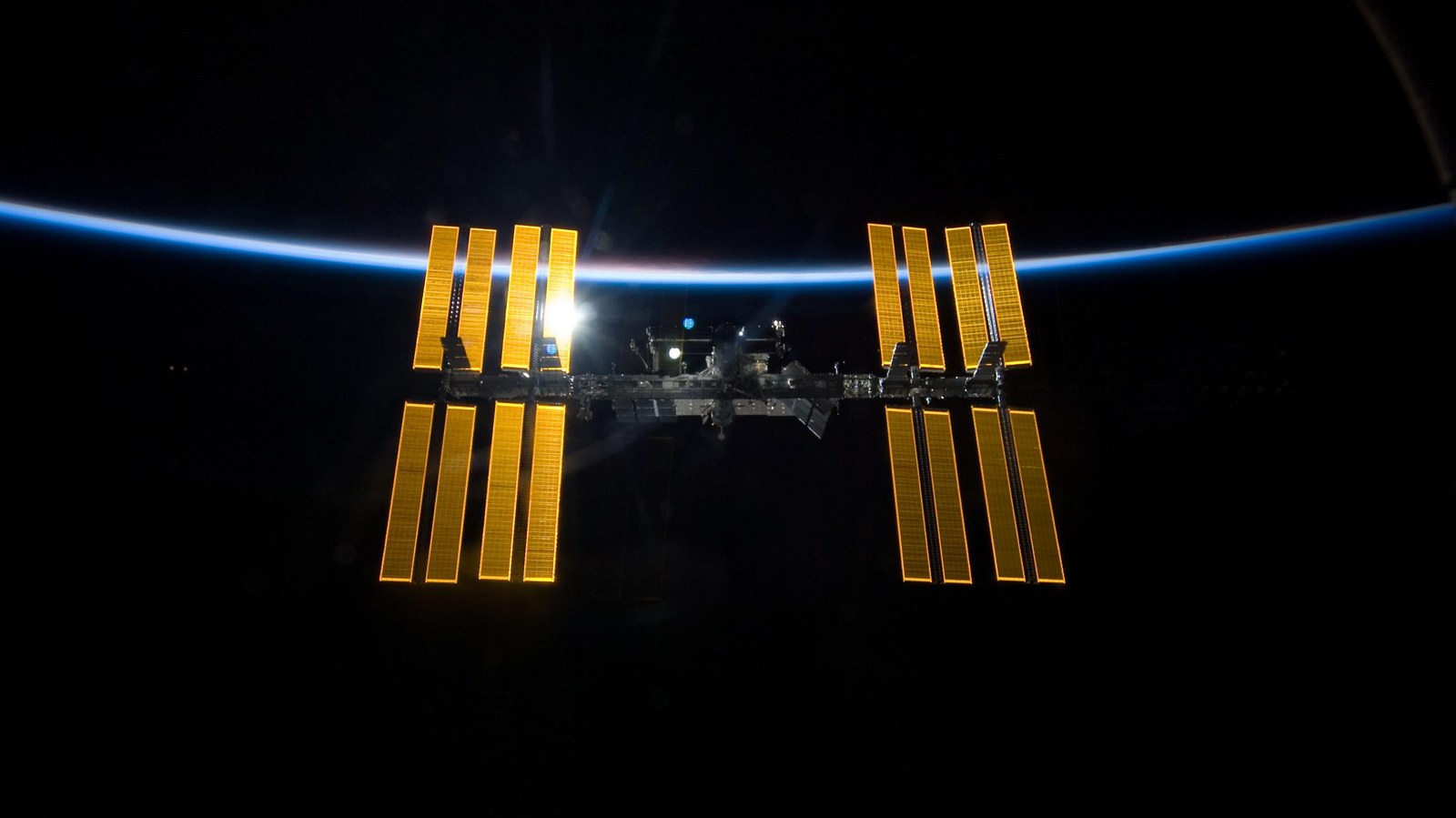
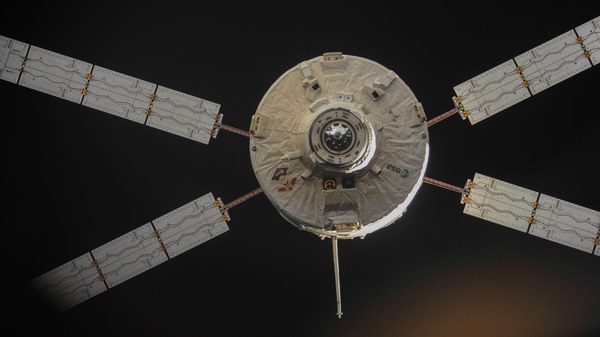
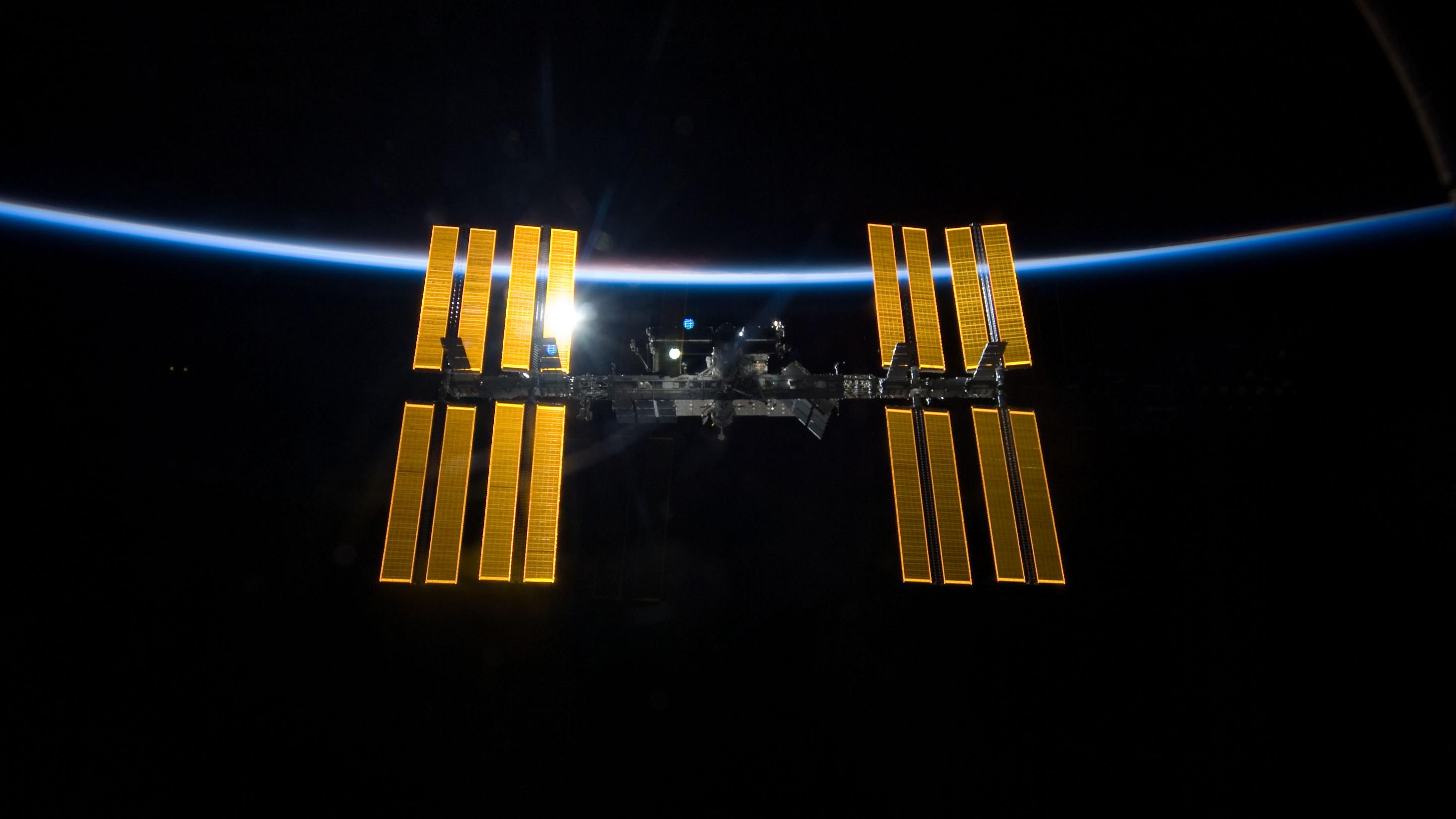
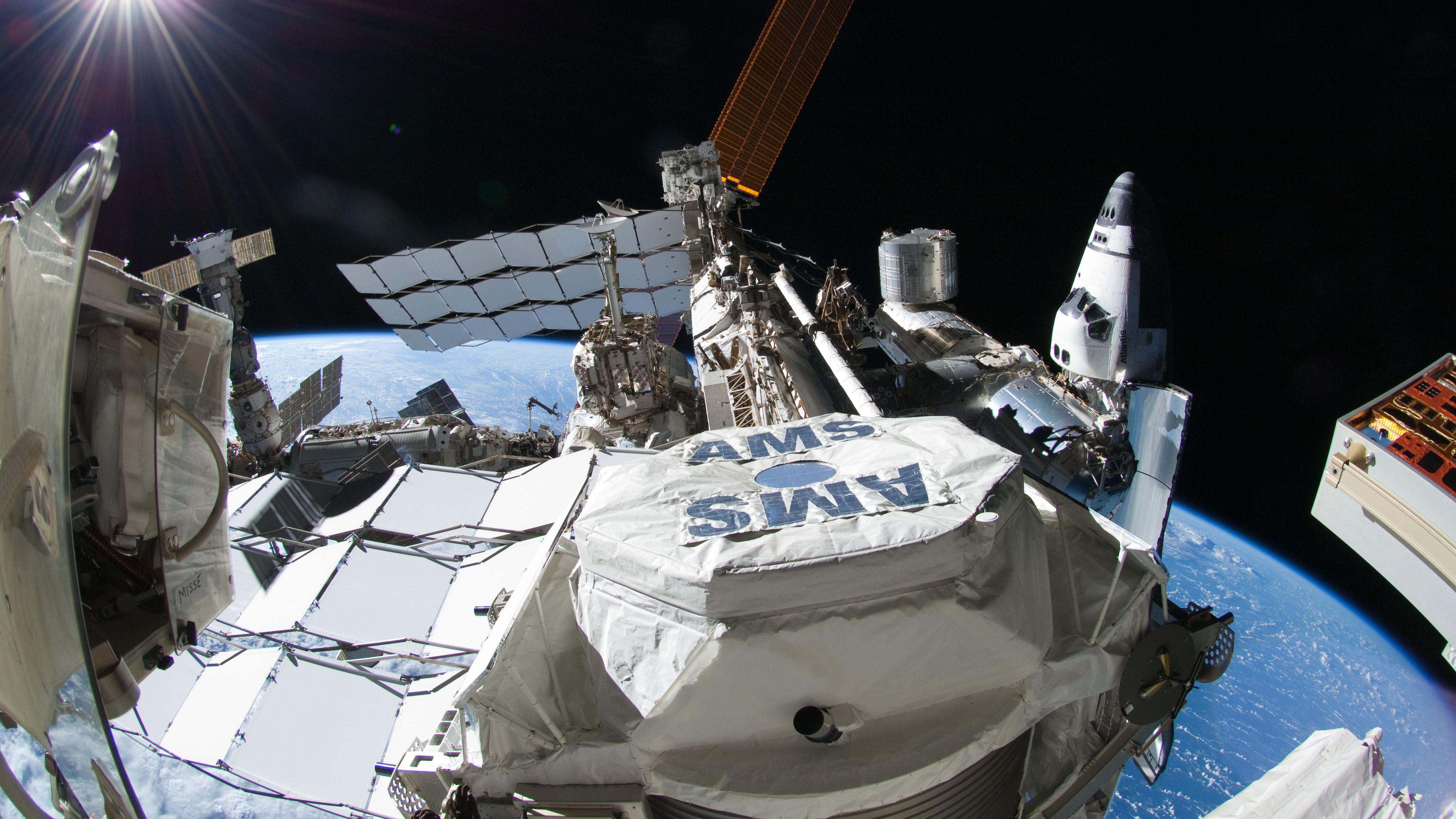
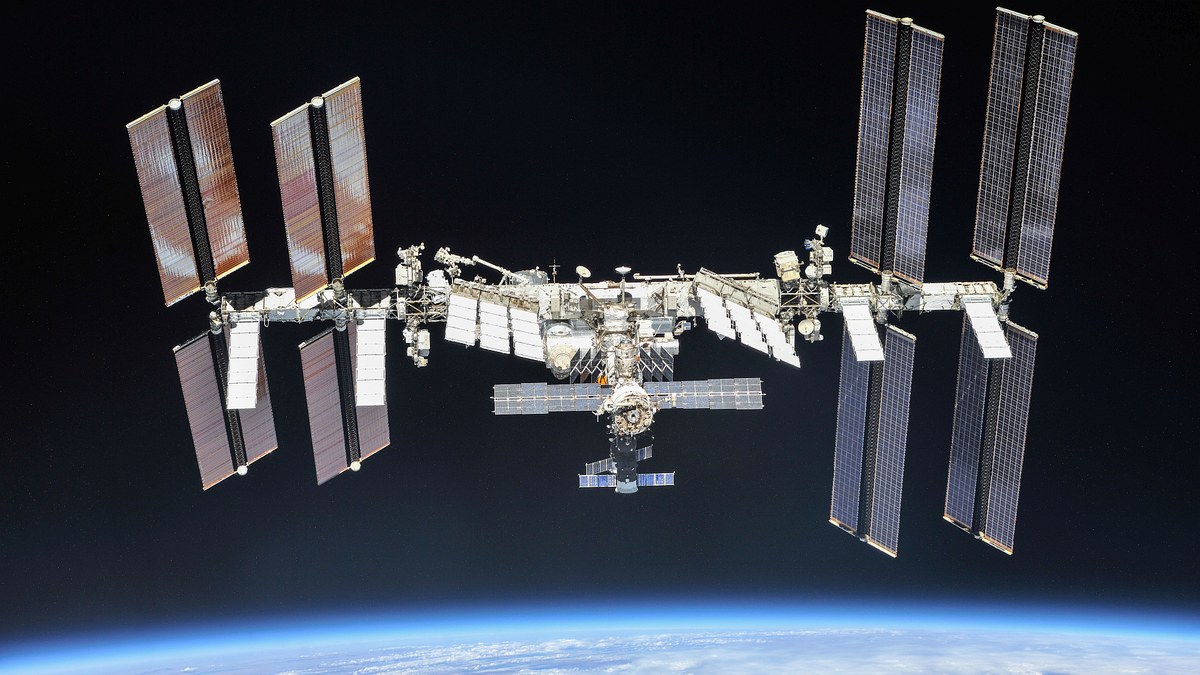
ATV Jules Verne after the docking manoeuvres on 3 April 2008
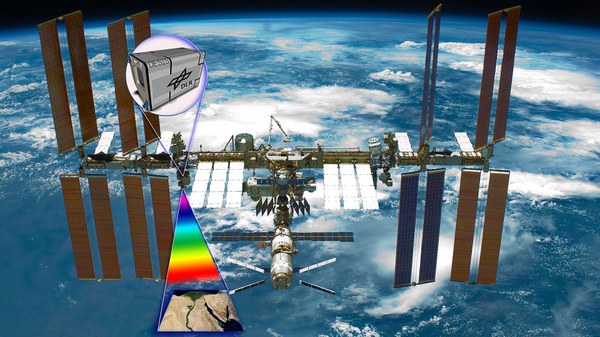
Following its launch on an Ariane5 ES rocket in the early hours of 9 March 2008, the European supply ship, the ATV ‘Jules Verne’, successfully docked today with the ISS at 16:45 Central European Summer Time (CEST). After 26 days orbiting Earth, several tests and two dress rehearsals (29 and 31 March), Europe has its own autonomous access to the International Space Station.
Prof. Johann-Dietrich Wörner, chairman of the DLR Executive Board commented: “European engineers, technicians and scientists have been working towards this voyage for decades: this is the summit of their achievements. The technology required to enable a space ship to dock automatically is an investment in the future of space travel. The present successful ATV voyage and those scheduled for the future open new doors as to what is possible for space flight in Europe, including manned space flight.”
Centimetre-perfect automatic docking
At the start of the docking manoeuvres, the ATV was at a point in space 39 kilometres behind and five kilometres below the level of the ISS. The ATV began its approach to the space station at 12:33 CET. After it had flown over the way points, which it had already passed before in the dress rehearsals, the supply craft reached the "security zone" behind the ISS at approximately 15:17 CET. The KURS-Radar was activated at a distance of 3500 metres from the docking point - with the ISS's Russian-built Zvezda service module. The last stage of the approach was navigated by the videometer, the telegoniometer and the relative GPS, to the centimetre. The tolerance between the measurement signals reflected by the ISS and the actual position is no more than three centimetres. 16:45 CET was the moment of truth: monitored by the control centres and the crew of the ISS, the ATV docked with the station.
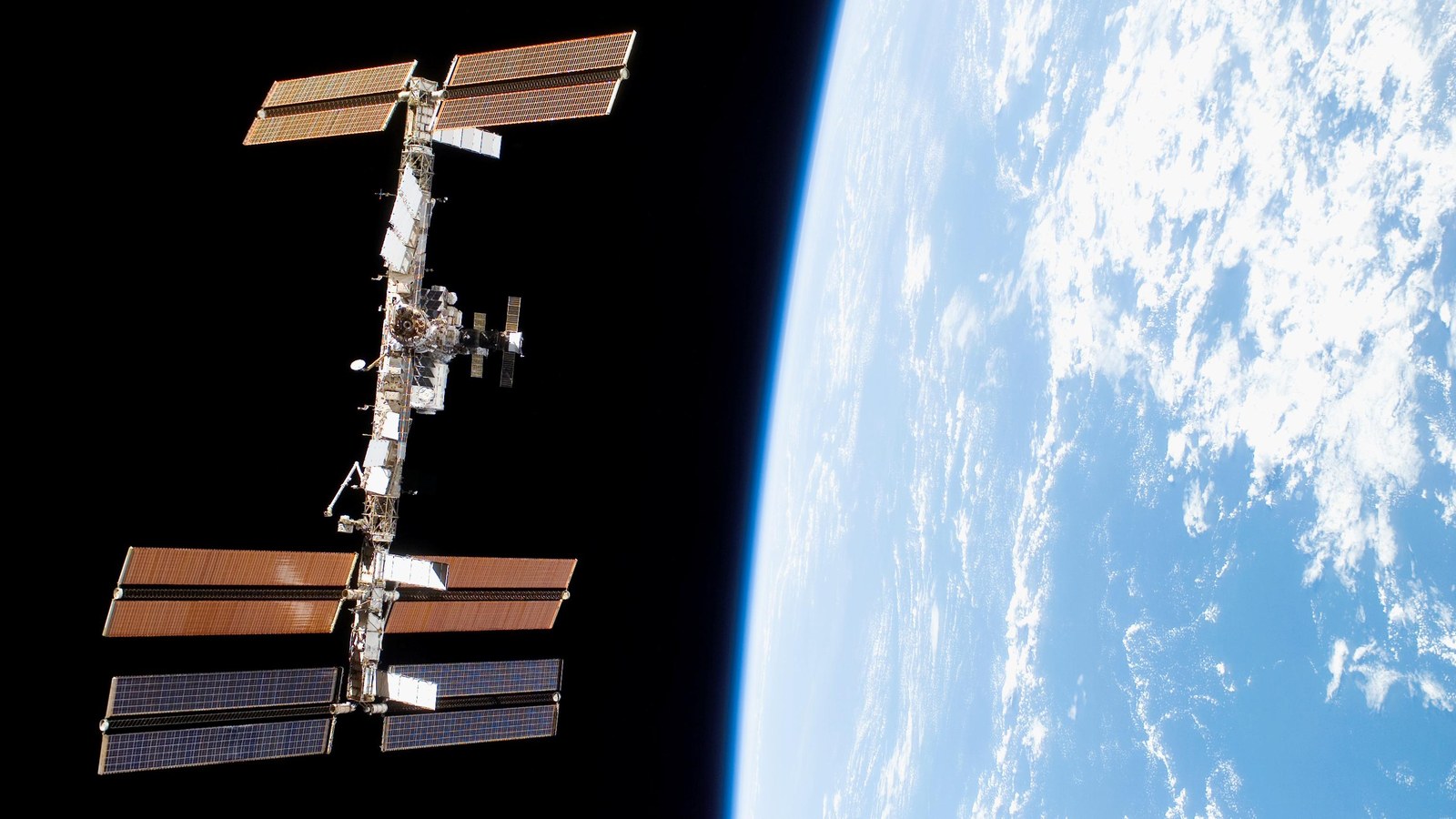
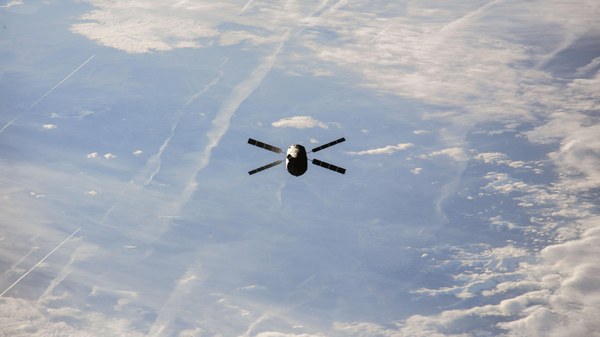
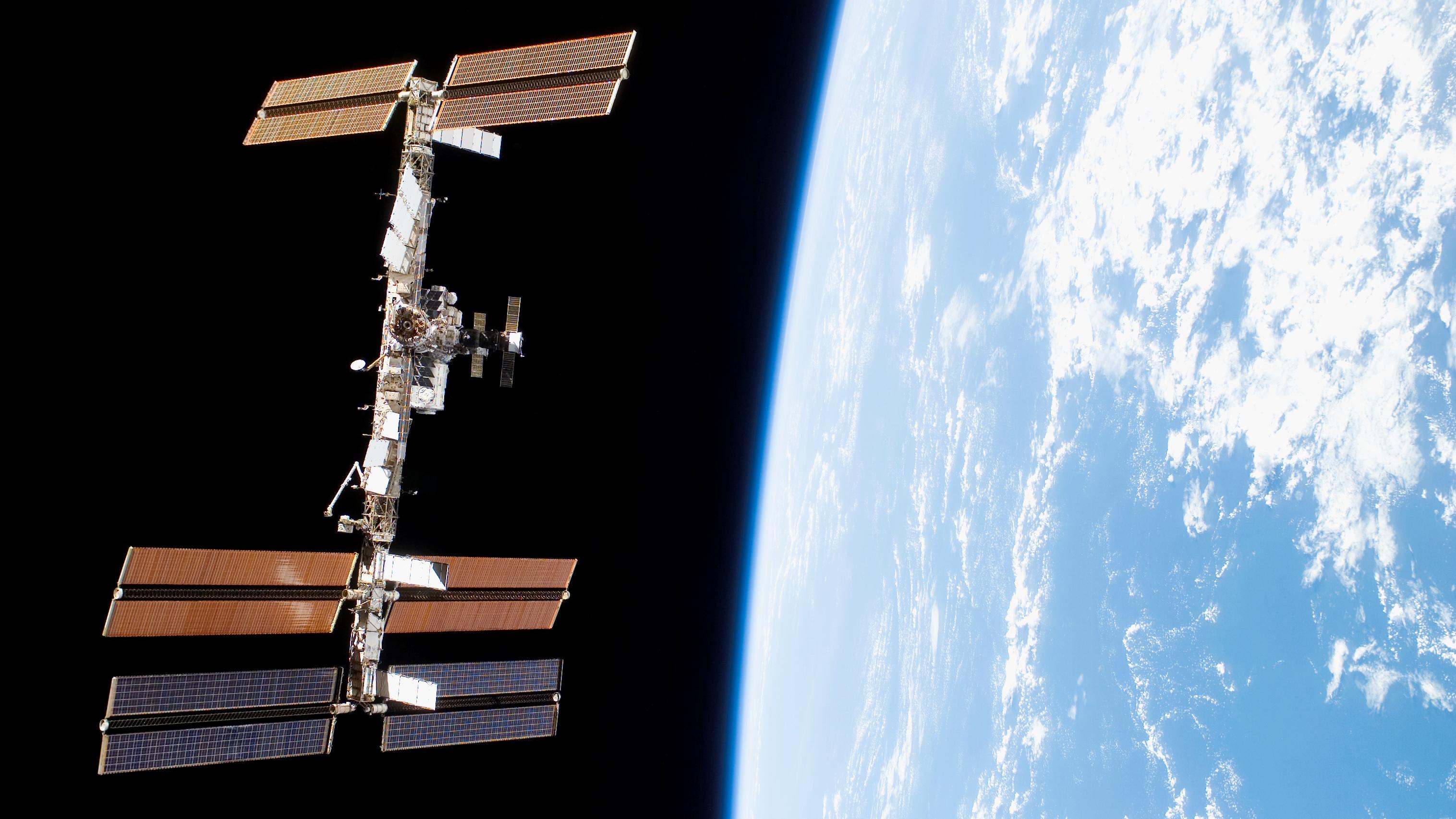
ATV with Earth in the background
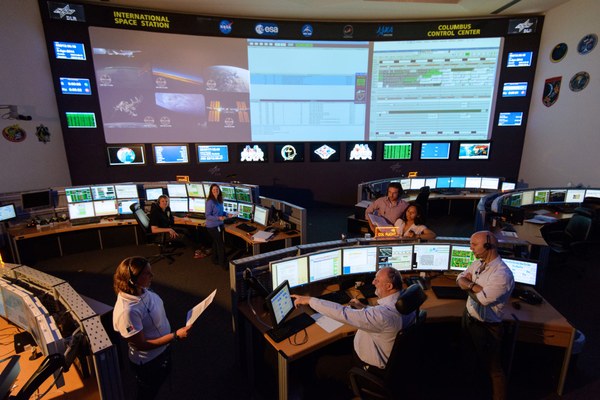
As this was the ATV’s maiden voyage to the ISS, four control centres were involved. Mission control was at the ATV control centre in Toulouse. Columbus Control Centre (Col-CC) at DLR in Oberpfaffenhofen, near Munich, co-ordinated the connections via the ground infrastructure to the ISS mission control centres in Houston, Texas and Korolyov, Moscow.
More firsts for European space
This voyage of the ‘Jules Verne’ ATV is notable for several ‘firsts’: the Ariane5 ES launcher was adapted especially for transportation of the supply ship. The ship transported a payload of 20 tons, and it was the first voyage to the ISS made by an Ariane rocket. It also featured the first orbital re-ignition of the upper stage during an operational voyage. Last but not least, a European payload will burn up in Earth’s atmosphere for the first time in August this year in a fully controlled manner. The design and planning of the joint mission scenarios, and the technical specification of the system as a whole up to the trajectory analysis have taken European space flight engineers five years in total.