
An all-round view in space: Panoramic dome on its way to the ISS
8 February 2010
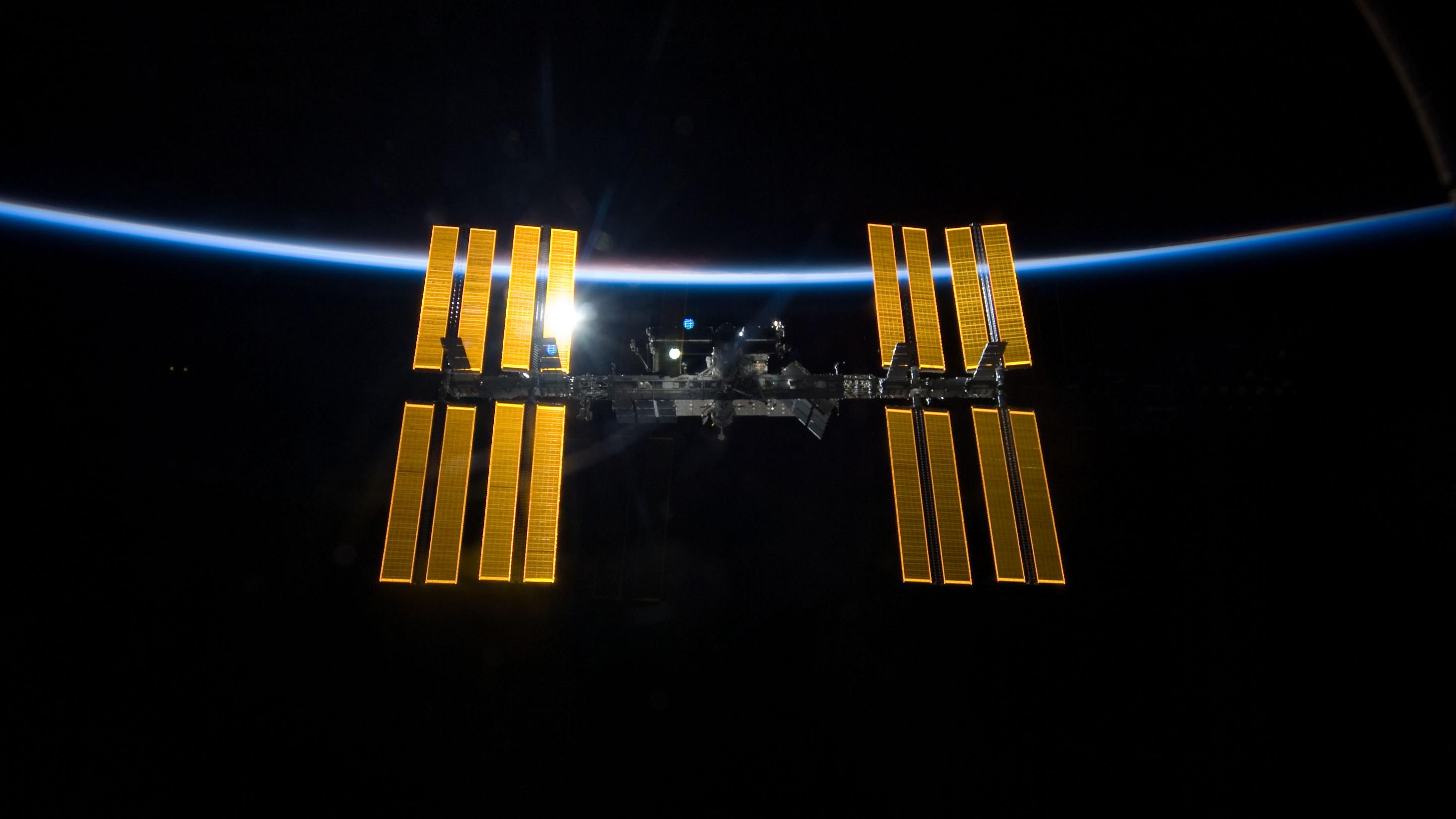
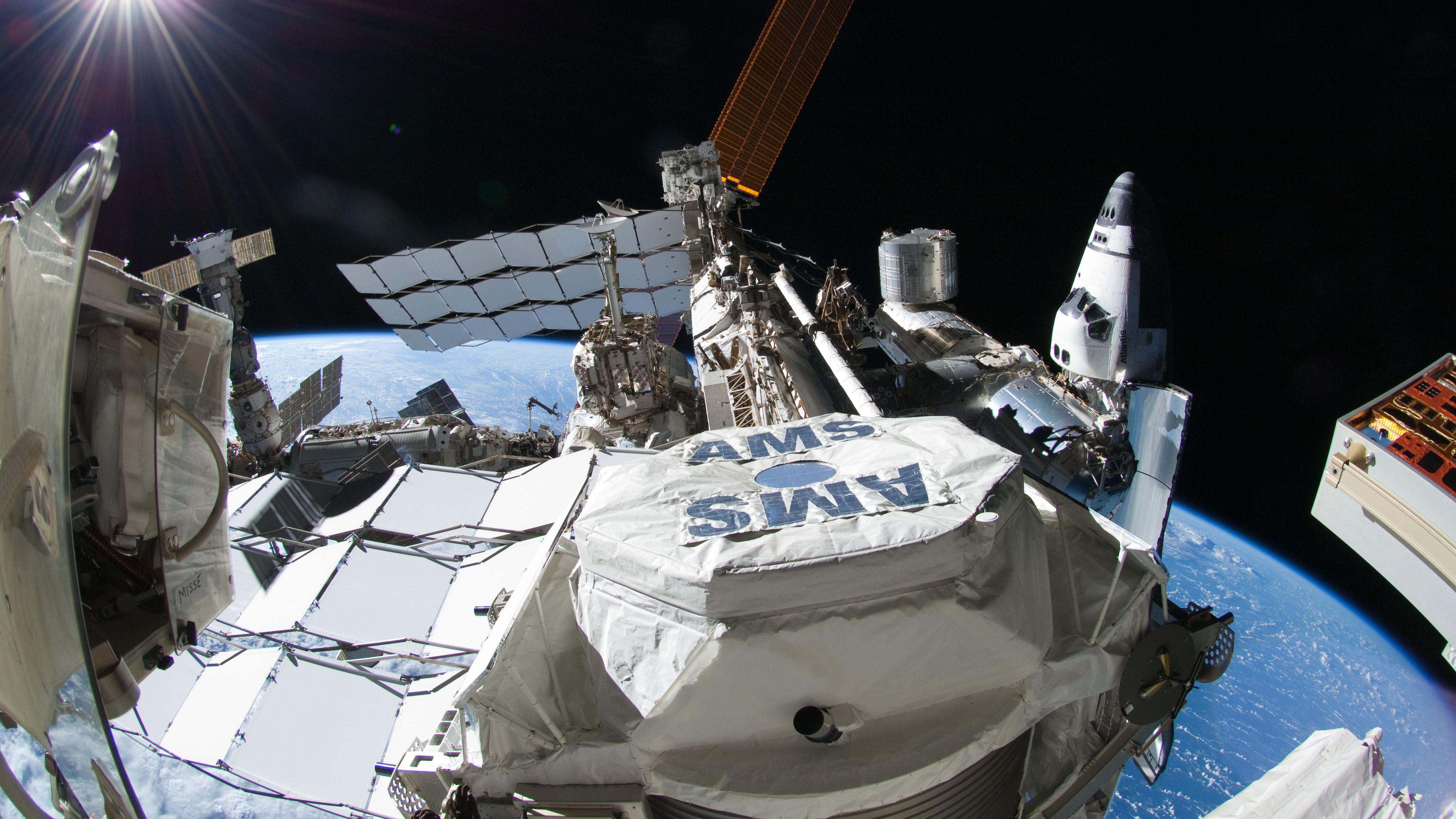
Space Shuttle Endeavour taking off Astronauts on the International Space Station (ISS) will soon be able to enjoy a special view. The 130th shuttle mission (STS-130) lifted off from Cape Canaveral, Florida on 8 February 2010 at 10:14 Central European Time. Space Shuttle Endeavour carried the 'Cupola' (Italian for 'dome') and the 'Tranquility' (Node 3) station module into space. The Cupola has seven windows and will offer a previously unavailable panoramic view of Earth.
Unobstructed view to the horizon and beyond
The Cupola will be mounted on the bottom of Tranquility, facing Earth. The panoramic dome is 1.50 metres high, with a maximum diameter of 2.95 metres and weighs 1805 kilograms. It has six side windows and a larger window on the 'roof'.
Cupola shortly before shipment to Kennedy Space Center
The dome will be used primarily for observation purposes, with the capacity for crew members at once. In addition, it will be the control station for operating the Canadian robotic arm. Cupola will also be used for communicating with astronauts during extravehicular activities. No less important – with its commanding views, the Cupola will also serve as a relaxation area for the astronauts.
The Cupola belongs to the American part of the station. The construction of the dome was handed over to the European Space Agency, ESA, in 1998. In return for providing Cupola, ESA received transportation on the Space Shuttle for European components and experiments. On 8 February 1999, ESA awarded Italian company Alenia Spazio a 20-million-Euro contract to build the the module. Six other European companies were involved in the project: Construcciones Aeronáuticas SA (Spain), APCO Technologies (Switzerland), SAAB Ericsson and Lindholmen Development (Sweden), EADS Space Transportation (Germany) and Verhaert (Belgium). After only five years of construction, Cupola was officially handed over to NASA on 7 July 2005 at the Kennedy Space Center in Florida.
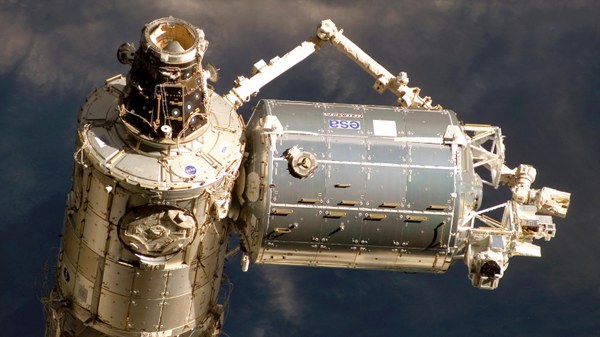
Tranquility connecting module and Cupola on the ISS
New connecting module for the ISS
Tranquility in the Space Station Processing Facility in Florida
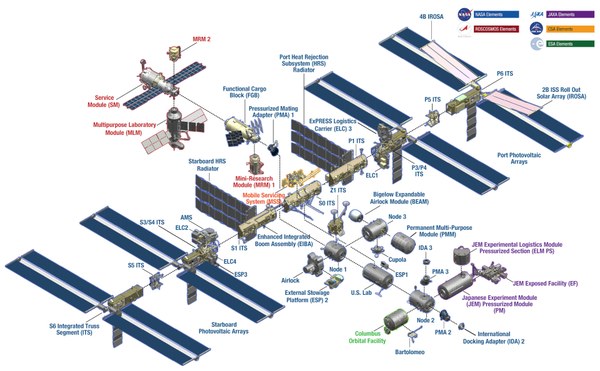
After Unity (Node 1) and Harmony (Node 2), Tranquility (Node 3) is the third ISS connecting module. It hosts the most modern life support systems ever used in space. These systems include equipment for recycling waste water produced by the crew, which is used, among other things, to produce oxygen. It also hosts equipment for reconstituting and filtering the air and for monitoring the atmosphere on board the ISS. In addition, Tranquility houses power, data, command and thermal control infrastructure. Node 3 also serves as a docking station for Multi-Purpose Logistics Modules (MPLMs).
STS-130 crew on the launch pad at Kennedy Space Center
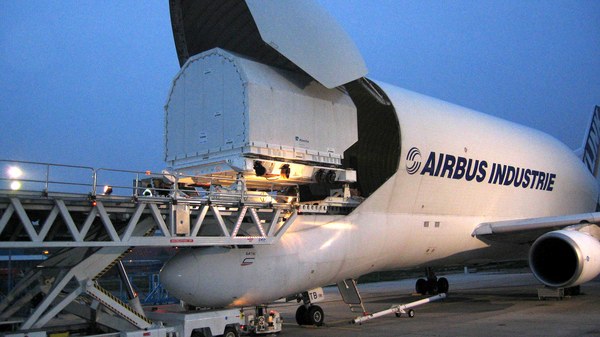
Tranquility will be joined to the port (left) side of the Unity node, opposite the Quest airlock module. Like Cupola, Tranquility was developed and built by Alenia Spazio (Italy) on behalf of ESA. Handed over on 16 May 2009 in Turin, the module arrived at the Kennedy Space Center four days later on an Airbus ‘Beluga’ transport aircraft. The name Tranquility is a tribute to the 40th anniversary of the first lunar landing, which took place in 1969 on the Moon’s Mare Tranquillitatis (Sea of Tranquility).
90 per cent of the ISS completed
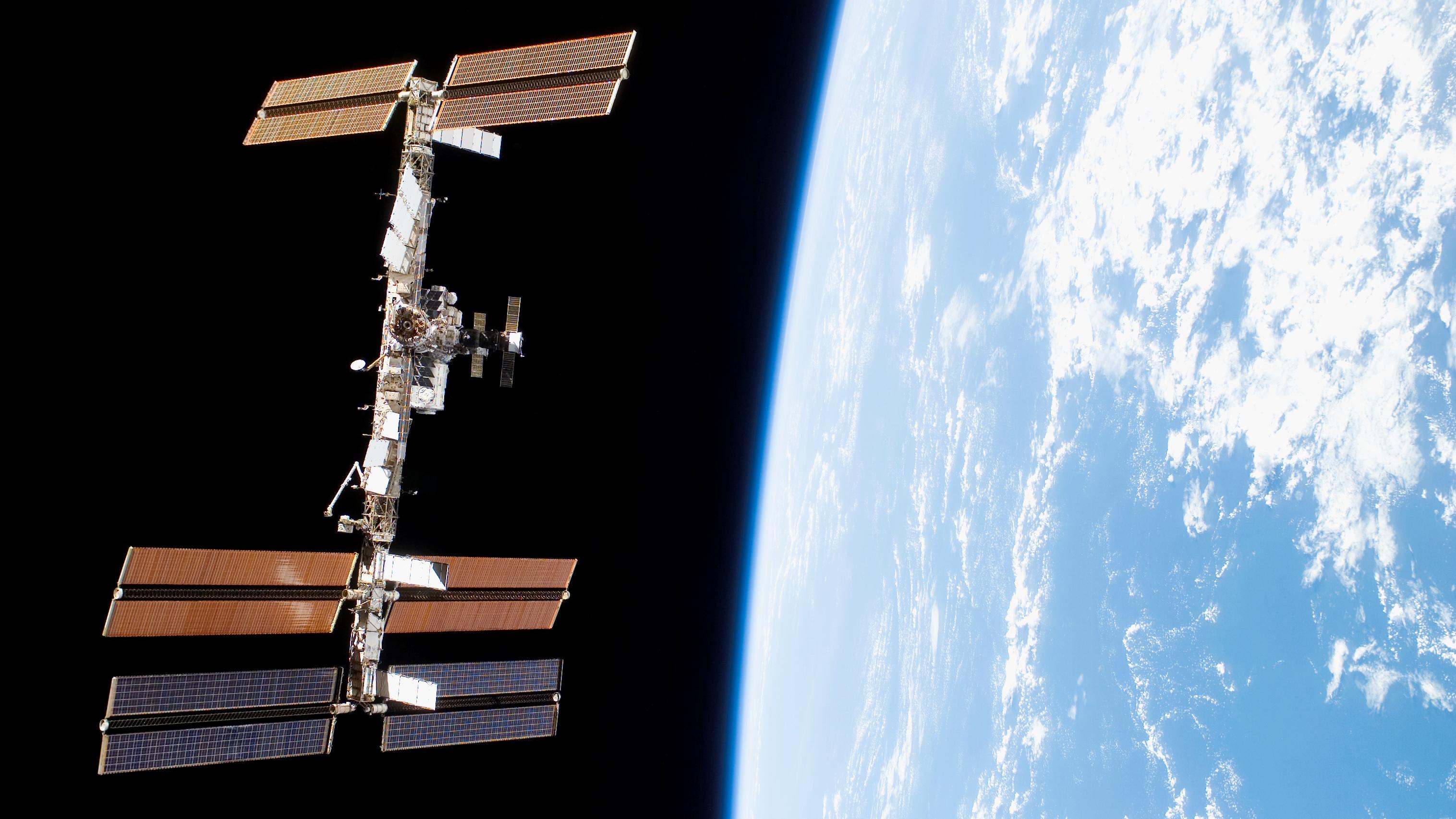
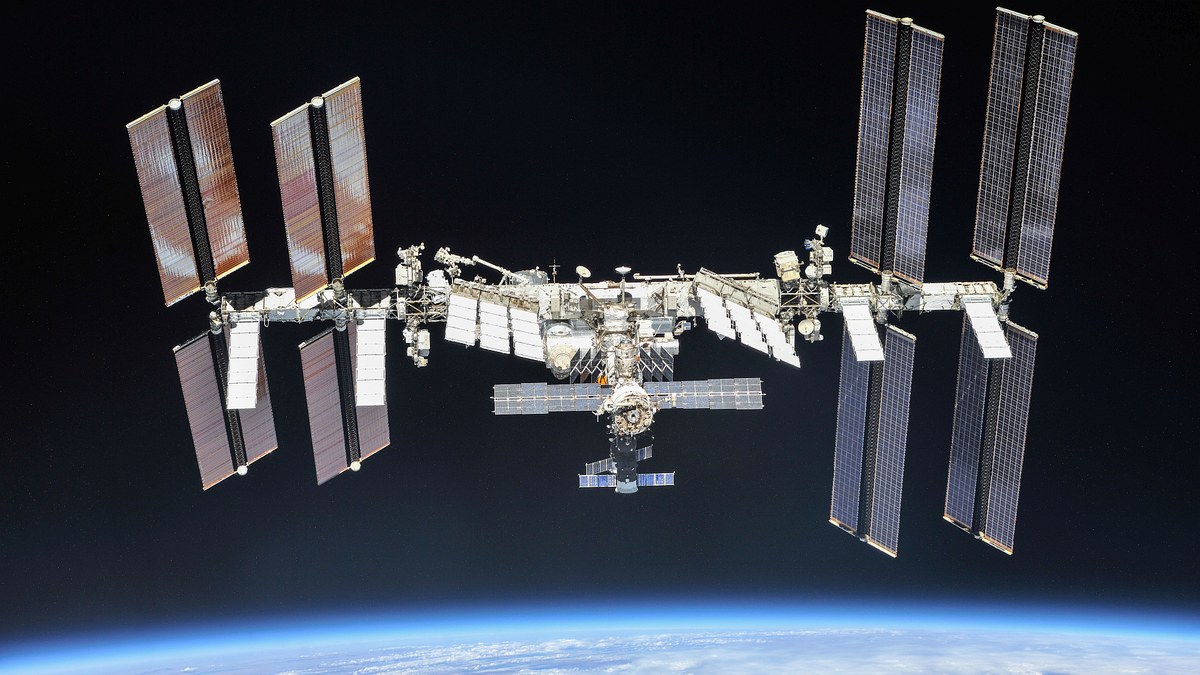
The crew of Endeavour is made up of six NASA astronauts: George Zamka (commander), Terry Virts (pilot) and the mission specialists Kay Hire, Stephen Robinson, Nicholas Patrick and Bob Behnken. At the conclusion of the mission, the ISS will be approximately 90 percent complete. With the 24th flight of Endeavour, the ‘countdown’ for the space shuttle fleet begins. Only four more launches are planned for this year, after which the shuttle programme will be retired.