Funding Organisation: German Federal Ministry of Economics and Technology (BMWi)
Co-operation: DLR - Institut für Technische Thermodynamik (Projektleitung). DLR - Institut für Fahrzeugkonzepte, Fraunhofer Institut für Solare Energiesysteme (ISE), RWTH Aachen, Institut für Hochspannungstechnik (IFHT)
Project Duration: March 2009 to August 2011
Contact: Dr. Thomas Pregger
Background:
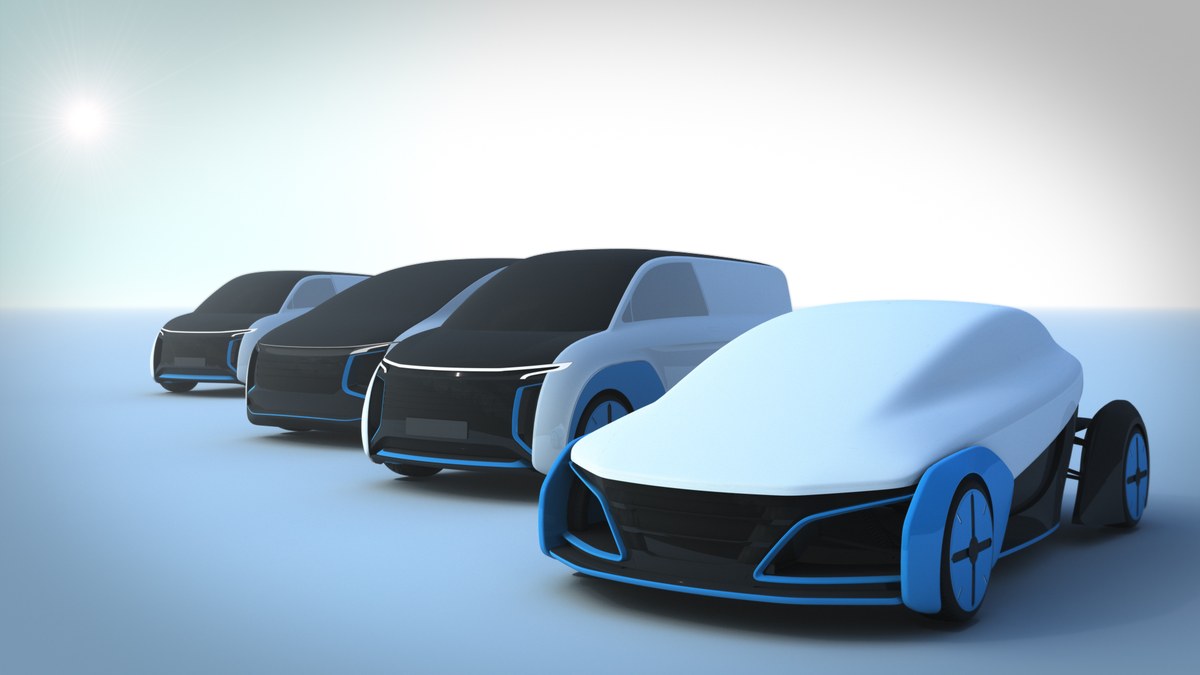
Objective of the project is the analysis of medium to long term perspectives of plug-in vehicles (full electric and hybrid) in a supply system with a high share of renewable energy sources. Possibilities for and effects of the grid integration as well as high shares of renewable and fluctuating power generation are considered in the context of the trans-European power grid.
Possible market developments of plug-in vehicles are analysed with different technological and economic scenarios considering various consumer patterns/behaviours, competing vehicle concepts such as hydrogen fuel cells and various strategies per market segments. In another work package, scenario analyses focus on the availability of renewable energy resources and strategies required to cover the electricity demand induced by e-mobility (considering e.g. decentralised electricity generation, import of solar electricity via interconnections between Europe and the MENA region (Middle East and North Africa) and UCTE transmission grid, storage options). Based on resulting market situations, electricity demand and supply options, requirements on the transmission and distribution grid and grid infrastructures are analysed. Possibilities and options for the grid integration are assessed and resulting costs estimated. Time period considered in the project is primarily 2020 - 2050 as e-mobility may start to play an important role in this period depending on economic, technological and political conditions. The geographic scope of the project is predominantly Germany. However, possible interdependencies with the European power transmission system will be analysed both on the demand side (market entry of e-mobility in other European countries) and on the supply side (import of renewable energies).
The following detailed objectives will be analysed in eight different work packages: