Goals
Background
The number of airline passengers is expected to triple by 2020, while air fares are likely to be cut in half. In the light of this forecast growth in air travel demand and the associated environmental challenges, the Advisory Council for Aeronautics Research in Europe (ACARE) has established an agenda for meeting the goals identified by the Vision 2020. These include a reduction of emissions by 50% and a decrease of the perceived external noise level by 10-20 dB.
These ambitious goals cannot be achieved through continuous improvement of conventional technologies, but require a technological leap forward.
The combined efforts of industry and academia will be necessary to harness new flow control technologies and entirely new configurations for use in future aircraft design and development.
This will require a significant investment in enhancing the capabilities and tools of numerical simulation, which has become a key technology in recent years.
Although numerical simulations of entire aircraft configurations are routinely performed in industry today, the time required is still on the order of hours and days, posing a significant obstacle to design.
To meet the above-mentioned challenges, it will be essential to be able to “flight-test” a virtual aircraft with all its multidisciplinary interactions in a computer environment and to compile all of the data required for development and certification with guaranteed accuracy in a reduced time frame
Tasks
In order to overcome the obstacles that presently prevent taking full advantage of the potential of numerical flow simulations, the following tools and technologies have to be developed and established:
In the face of international competition, Europe and in particular Germany with its aeronautical industry in northern Germany will rise to these challenges through C²A²S²E.
Expected results
C²A²S²E will establish a permanent research facility that will attract and bring together worldwide competence in the field of numerical aircraft simulations. A proposed goal is to speed up numerical simulations by a factor of 105–106 over the next 15 years through interdisciplinary research and exploitation of the expected growth in computational power.
Implementation
The research and development to be conducted at the C²A²S²E center shall address the following four challenges:
C²A²S²E will be based on three pillars, the first one being the creation of a major new aerospace simulations center in northern Germany. The center will boast a goal-oriented research environment dedicated to promoting integrated research, development and
The second pillar will be to foster a campus environment that will bring together world-renowned experts and guest scientists to stimulate top-level research in the field of numerical simulations.
The final pillar will be professionally managed and operated high-end computer and visualization hardware that meets the growing demand of industry and applied research for computational power.
Partners
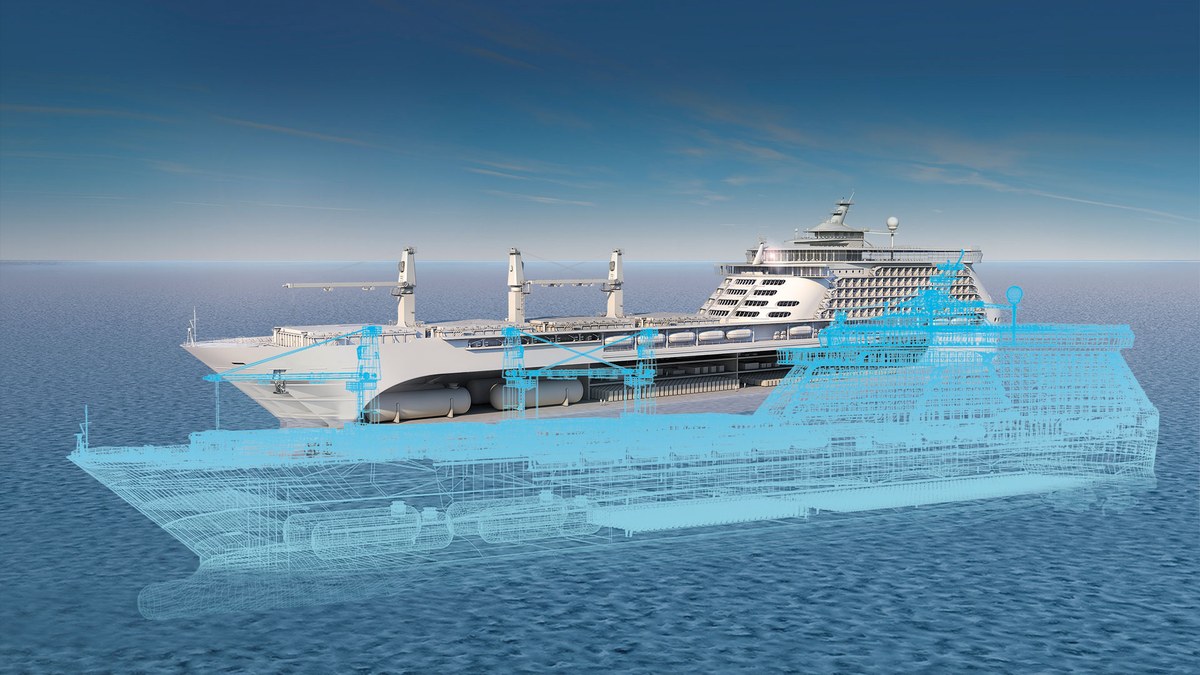
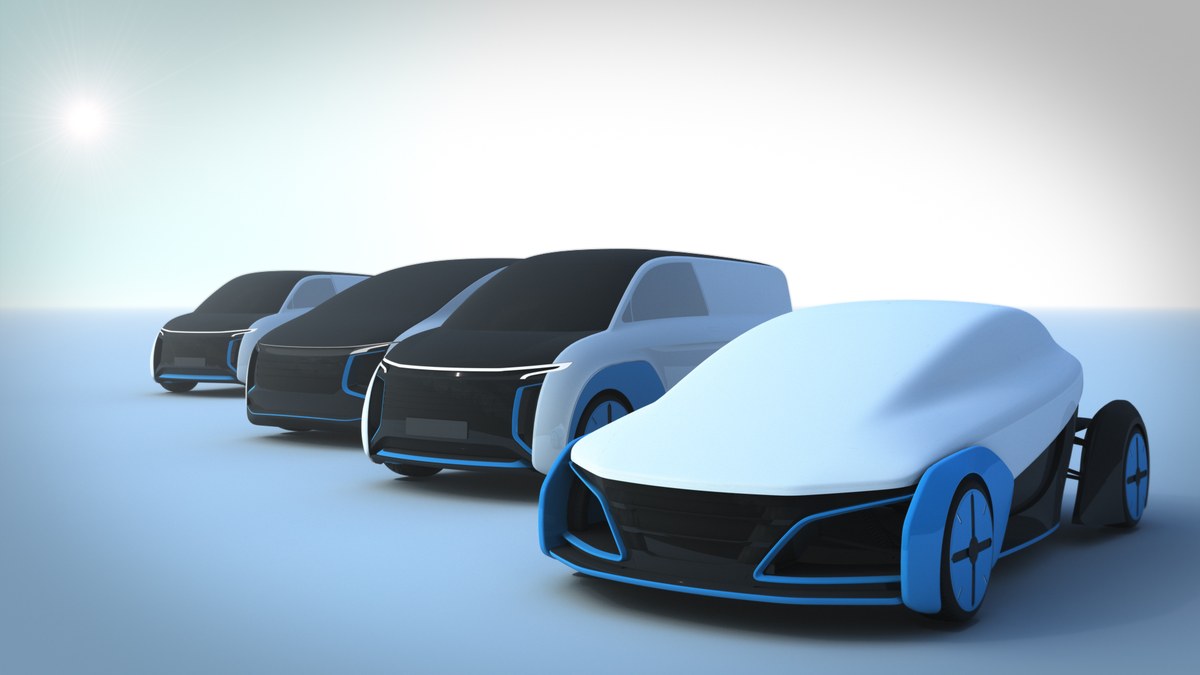
DLR, Airbus and the State of Niedersachsen will participate in setting up and operating the C²A²S²E center. A liaison with the Digital Aircraft Center in Bremen is also being considered. Other potential partners include aerospace companies (EADS), companies from other sectors of industry (automotive and shipbuilding), and relevant suppliers.
Key figures
The C²A²S²E project is envisaged to run for at least 15 years. The new research center will open its doors at Research Airport Braunschweig in mid 2007. A branch office will be established at Airbus in Bremen. The two sites will be interconnected by highspeed data link. In the first five years the center’s budget of 30 million Euros will be supplied in equal shares by DLR, Airbus, and the State of Niedersachsen.
Perspektive
The long-term strategic alignment of C²A²S²E is a key element to attracting leading experts in the field. New projects will be scheduled in five-year intervals. The required high-performance computing (HPC) resources will continuously be upgraded. An alliance with existing European academic HPC centers and those to be established as part of the 7th EU framework program is targeted.
Further information