Data Science for a More Resilient Earth – Understanding Sun-Earth Interactions

PLASMA

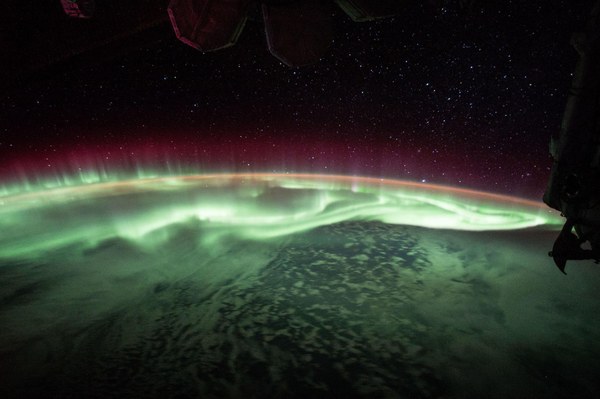
Solar activity has a direct influence on the density of electrons and neutral gases in near-Earth space. Solar flares and other solar events can cause significant disruptions that threaten satellites, communication systems and power grids. To better protect these critical infrastructures from such impacts, a deep understanding of the interactions between solar activity and the Earth’s atmosphere is crucial.

As part of the PLASMA (Predicting and Understanding Ionospheric Dynamics via Data Science) project, the German Aerospace Center (DLR) is leveraging data science to better predict and understand these complex processes. We at the Institute of Data Science contribute our expertise in data analysis, causality, and pattern recognition to:

  • Spatio-temporal prediction models for the ionosphere:

In cooperation with the DLR Institute of Solar-Terrestrial Physics, we are developing an interpretable, spatio-temporal statistical model to predict the Total Electron Content (TEC) – a key parameter for the ionosphere. By employing modern methods of causal inference and statistical modelling, we can not only make precise predictions but also make the underlying physical relationships comprehensible. This enables us to understand not only what is happening, but also why it is happening – a crucial step towards reliable predictions.

  • Automated detection of ionospheric disturbances:

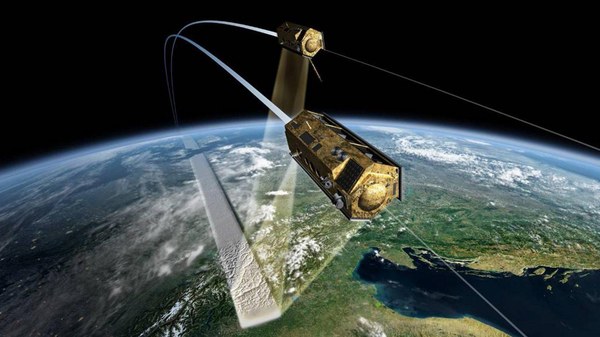
In collaboration with the DLR Institute of High-Frequency Technology and Radar Systems and the Institute of Solar-Terrestrial Physics, we are developing advanced data science methods for pattern recognition. These methods analyse satellite radar data (SAR) and automatically detect so-called equatorial plasma bubbles (EPBs) – regional disturbances in the ionosphere that can lead to significant signal interference in GPS and other satellite-based applications. Through the automated detection and characterisation of these phenomena, we help to identify risks to navigation, communication and modern infrastructure at an early stage.

With PLASMA, we are building a bridge between solar physics, atmospheric research and modern data science. Our goal: a better understanding of Sun-Earth interactions to make critical technologies more resilient – for the safe and sustainable use of space and the safety of Earth.

Duration: 01/2024 - 12/2026

Participating institutes and facilities