Alongside an astronaut – flight surgeon Bimba Hoyer
| SpaceBetween Earth and orbit
Alongside an astronaut – flight surgeon Bimba Hoyer
Flight surgeon Bimba Franziska Hoyer
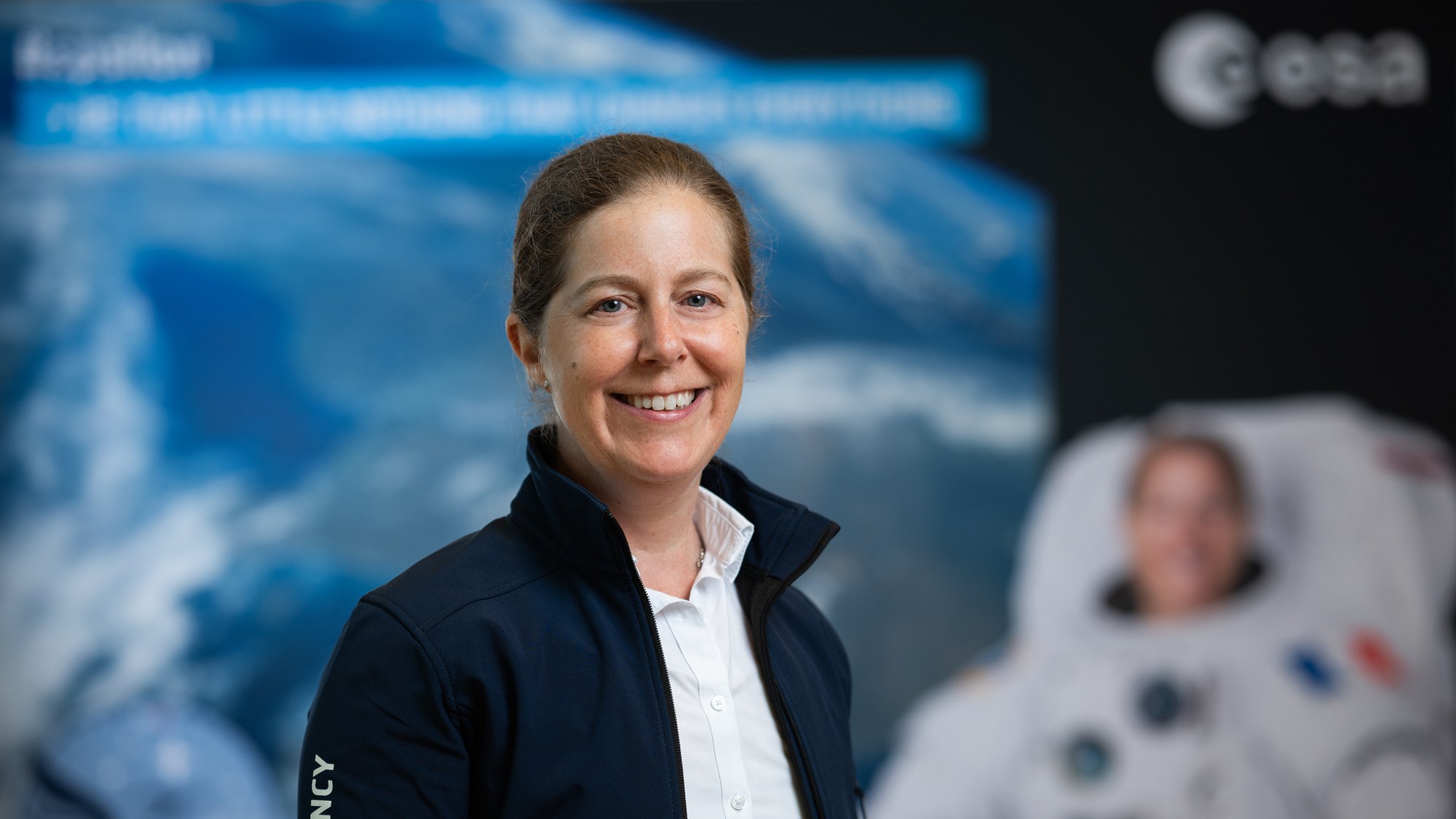
Bimba Franziska Hoyer is currently accompanying French ESA astronaut Sophie Adenot as DLR and ESA flight surgeon during her εpsilon mission on the International Space Station ISS.
When astronauts set off for the International Space Station ISS, they may be physically far from Earth – but medically, they receive very close supervision. Bimba Franziska Hoyer, a flight surgeon with the German Aerospace Center (Deutsches Zentrum für Luft- und Raumfahrt; DLR) and the European Space Agency (ESA), is currently looking after French ESA astronaut Sophie Adenot during her 'εpsilon' mission on the Space Station. In space, a doctor's role goes far beyond what is traditionally associated with 'aviation medicine'.
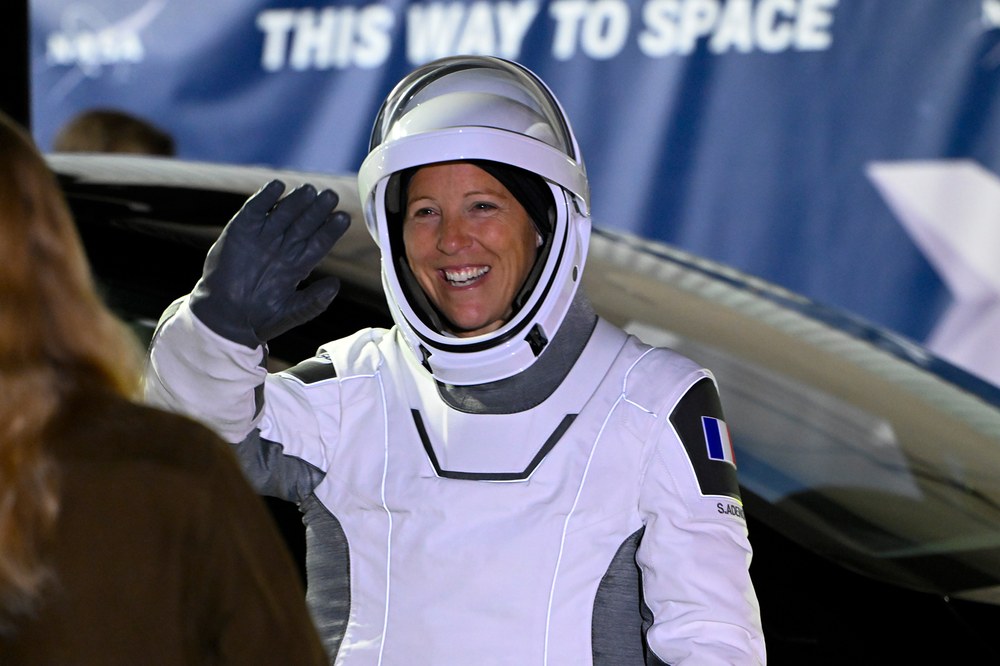
Astronaut Sophie Adenot before launch to the Space Station
ESA astronaut Sophie Adenot during the 'walkout' on 13 February 2026 at NASA's Kennedy Space Center in Florida. The image was taken before launch.
Credit:
ESA - S. Corvaja
Trust as the foundation of medical care
"Sophie feels in space like a fish in water," says Hoyer. This is, of course, partly down to intensive preparation, which includes the collaboration between the flight surgeon and astronaut. The process of building trust between the astronaut and her doctor began long before launch. Unlike in a hospital, where there is often a certain professional distance, this relationship is much more personal. "It's more comparable to being a team doctor in elite sport," says Hoyer. In space, there's no second opinion in the next room – medical decisions have to be made quickly and can have an impact on the entire mission. Hoyer therefore also sees her role as a kind of 'crew health advocate' who keeps an eye on the astronaut's medical data, overall well-being and, indeed, on the mission as a whole.
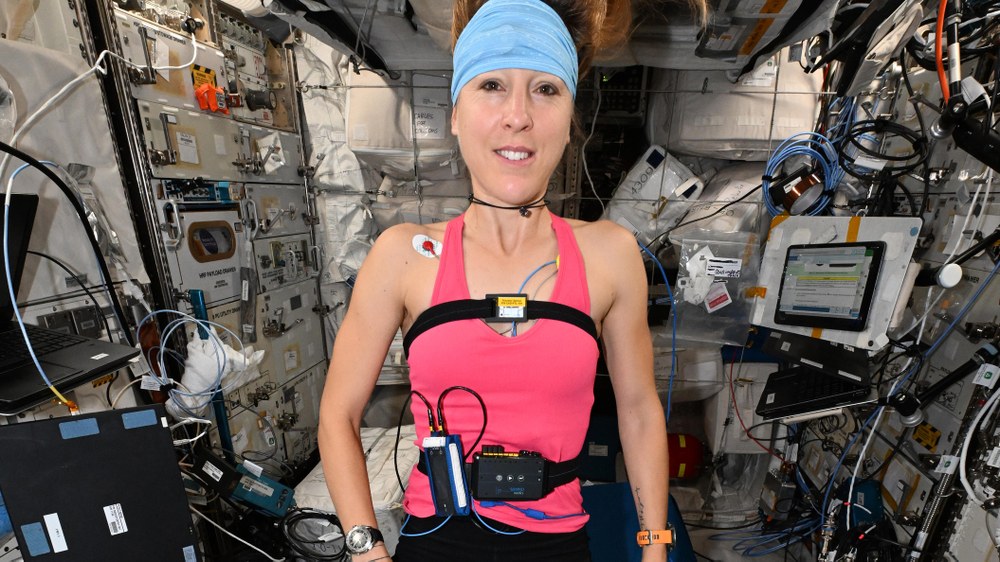
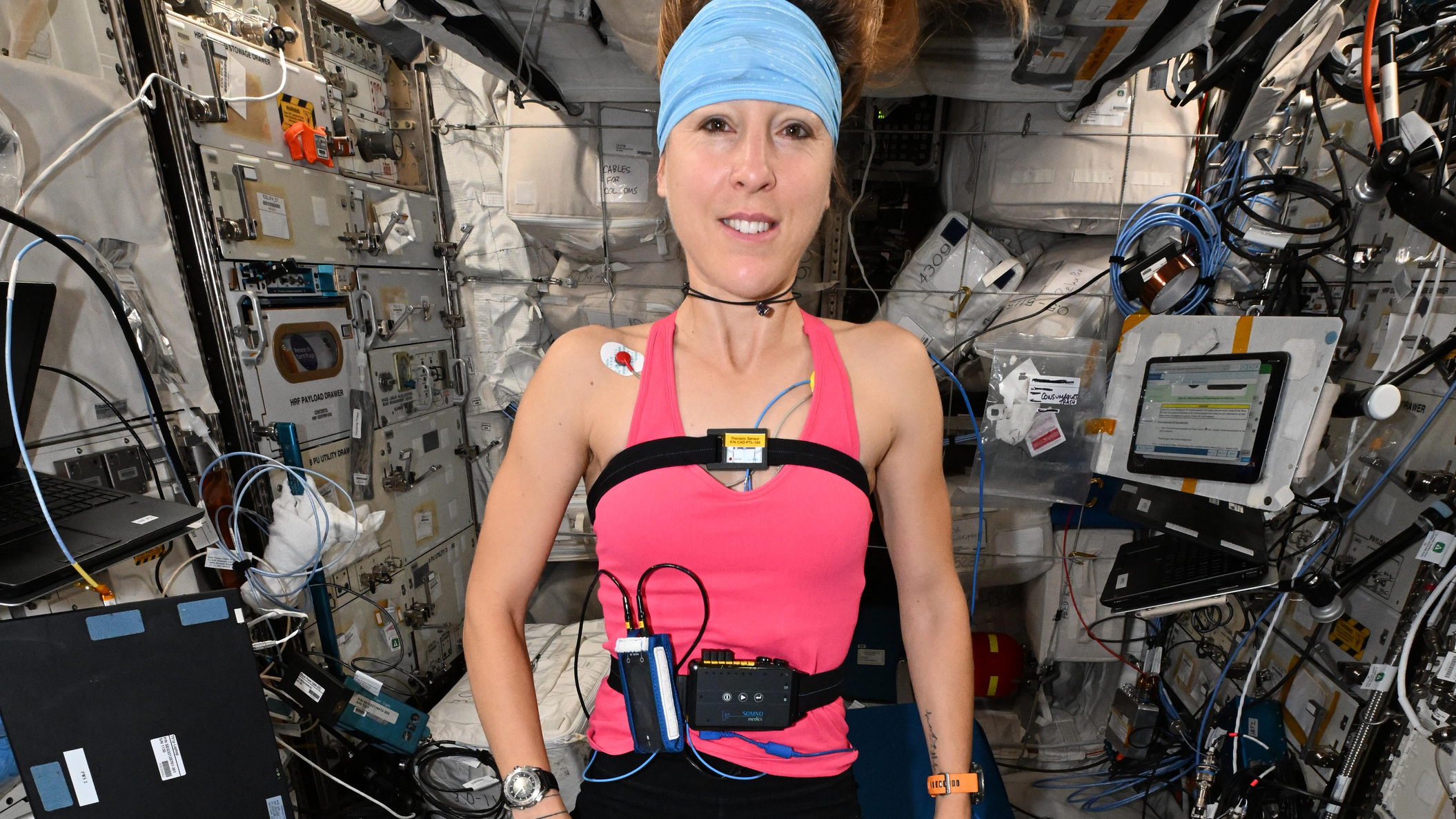
The day-to-day medical routine on the Space Station is surprisingly varied. Health checks are performed regularly, often by crew members on each other and under guidance from the ground. These include simple things like pulse and blood pressure measurements, but also more complex examinations such as ultrasound or cardiovascular tests. At the same time, the astronauts conduct scientific experiments on their own bodies. To ensure all of this runs smoothly, they undergo intensive training to learn, for example, how to draw blood, operate ultrasound equipment and, in an emergency, perform minor medical procedures. Especially during the first few days in space, nausea or circulatory problems can occur – and astronauts are prepared for these possibilities as well.
ESA astronaut Sophie Adenot's εpsilon mission officially began on 14 February 2026, when she and her fellow crew members – NASA astronauts Jessica Meir and Jack Hathaway, and Roscosmos cosmonaut Andrei Fedyayev – docked with the International Space Station ISS aboard a SpaceX Dragon Freedom capsule. The four-person crew launched on 13 February at 11:15 CET aboard a Falcon 9 rocket from NASA's Kennedy Space Center in Florida. They then orbited the Earth for approximately 34 hours until they caught up with the Space Station, during which time they prepared for docking. Adenot and Hathaway, both experienced test pilots making their first spaceflight, used these hours to familiarise themselves with living and working in microgravity. The mission is scheduled to end in September 2026.
Responsibility around the clock
For Hoyer, the mission means one thing above all else: round-the-clock responsibility. During the first five months of the εpsilon mission, she is available to Adenot at all times, with regular discussions and additional consultations as required. Minor issues can be resolved directly, while more significant matters are coordinated internationally. Medical care for the Space Station is a cross-continental team effort: once a week, doctors from all participating space agencies meet to discuss every person on board and jointly decide whether, from a medical perspective, the mission can continue.
Challenges of a long-duration mission
A longer mission such as Adenot’s presents additional challenges. The body changes in microgravity; vision and the cardiovascular system, for example, may be affected, and these changes must be closely monitored. At the same time, exercise remains a key part of daily life – several hours of training a day help to minimise the negative physical effects of weightlessness.
Return to Earth – follow-up care at :envihab
Particularly delicate is the return to Earth. After months of weightlessness, the body first has to readjust to gravity. Adenot will therefore initially be looked after at the :envihab aerospace medicine laboratory in Cologne, where Hoyer and her team are closely monitoring her. Here too, this special doctor-patient relationship is apparent – care will not end with the landing, but continues seamlessly.
For Bimba Hoyer, this work is a blend of medicine, research and what she calls a 'professional friendship' – which is precisely what makes it so special. After all, it is not just about monitoring data, but about supporting a person through one of the most extraordinary experiences imaginable.