TaFMAC study 2026 examines fitness at the World Masters Athletics Championships in South Korea
| Space
TaFMAC study 2026 examines fitness at the World Masters Athletics Championships in South Korea
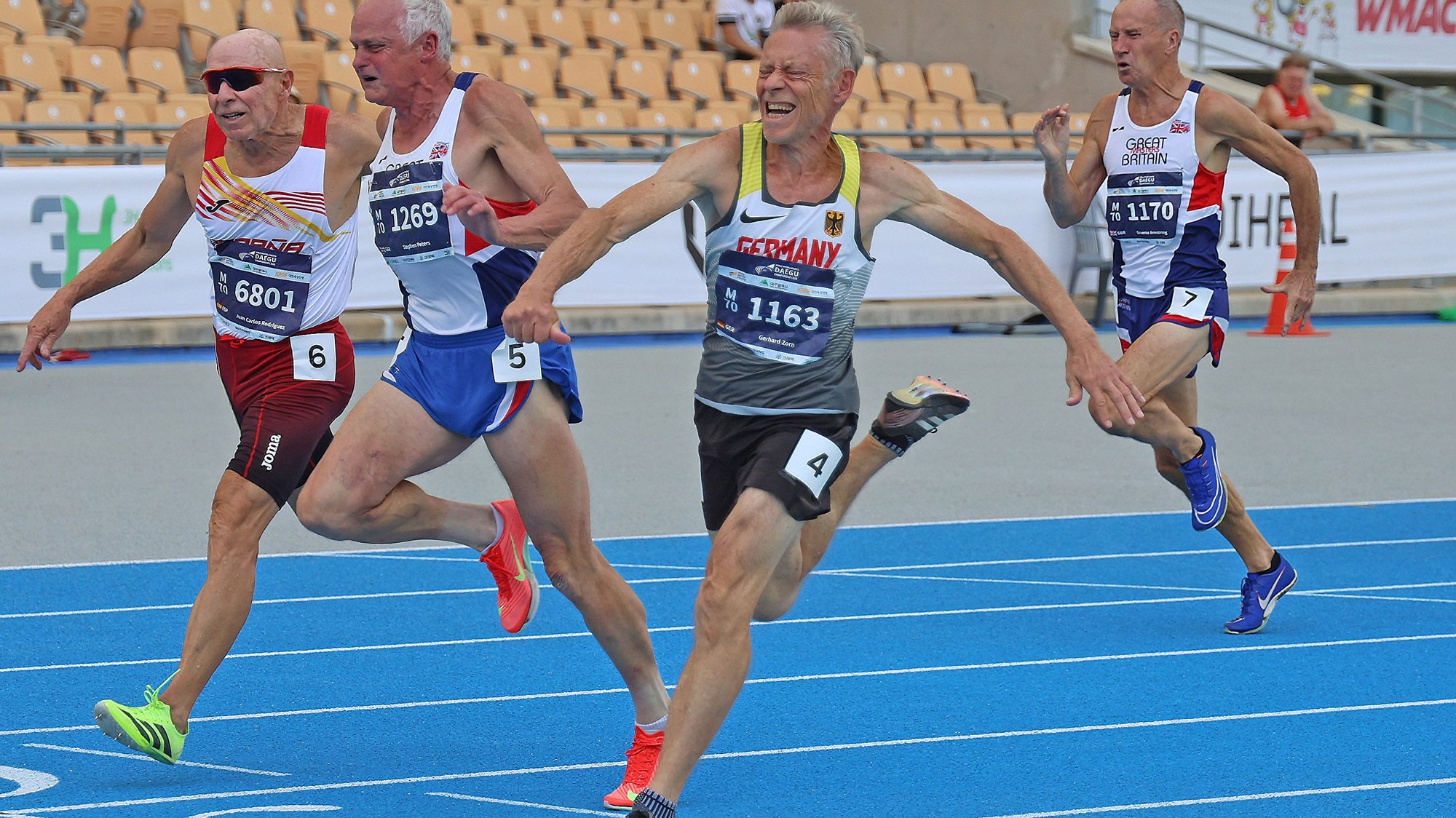
Final sprint in the 100-metre race at the 2026 World Masters Athletics Championships
At the World Championships in Daegu, South Korea, athletes aged 35 and over competed in various age categories.
Credit:
Lutwin Jungmann
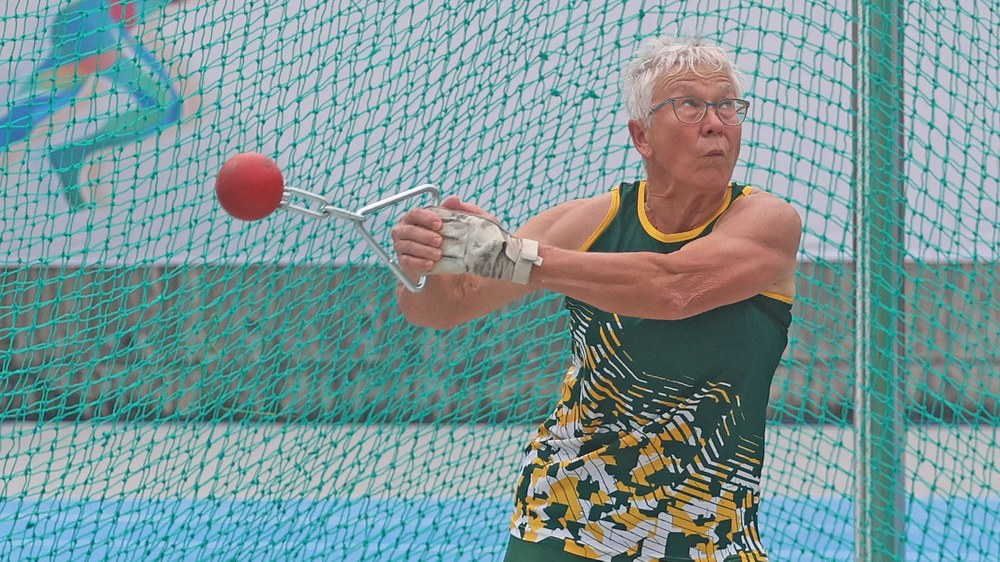
Senior athlete competing in the hammer throw
The programme in Daegu included every discipline held at a World Athletics Championships.
Credit:
Lutwin Jungmann
How can we stay fit and active and keep performing well as we get older? Our team at the DLR Institute of Aerospace Medicine is investigating this question through the Track and Field Masters Athletics Cohort (TaFMAC) field study. Over a period of ten years, we are studying older athletes to better understand how competitive sport affects the body beyond the age of 35. Older athletes train regularly and repeatedly subject their bodies to high physical strain.
This gives researchers a unique opportunity to analyse the relationships between age, training, fitness and health over many years. The findings are particularly interesting for space medicine with a view to future long-duration missions, as maintaining physical fitness is also crucial during extended stays in space.
Research right at the competition venue
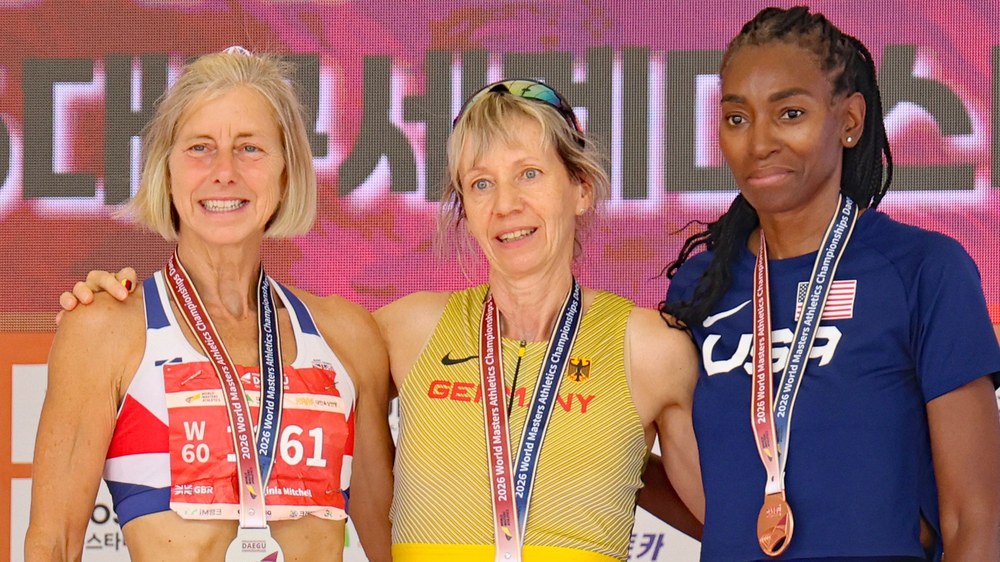
Winners of the women's 400-metre race in the 60 age group
Credit:
Lutwin Jungmann
The TaFMAC examinations take place where the athletes gather. A few weeks ago, our team was on site at the 2026 World Masters Athletics Championships in Daegu, South Korea, where we set up a complete examination circuit in the underground passages of Daegu Stadium.
The tests the athletes undergo follow a similar structure at every World Championships, so in Daegu, too, the first step was check-in. After the athletes had given their consent to participate in the study, we asked them about their sporting background and health, including their daily training routine and sporting career, and took physical measurements such as height and weight. In addition, their body composition was determined using bioimpedance analysis. The athletes then moved through various stations, each assessing a different aspect of physical performance and health.
From muscle strength to lung function
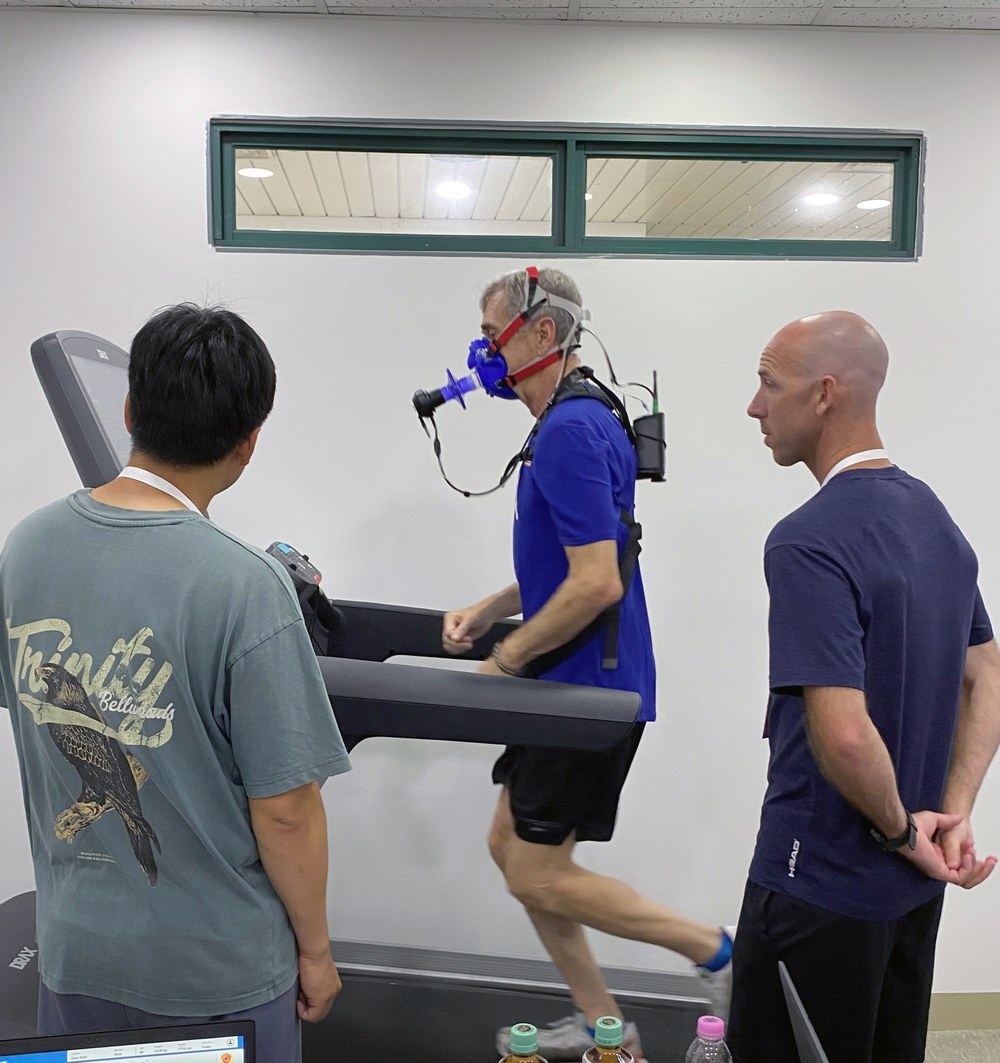
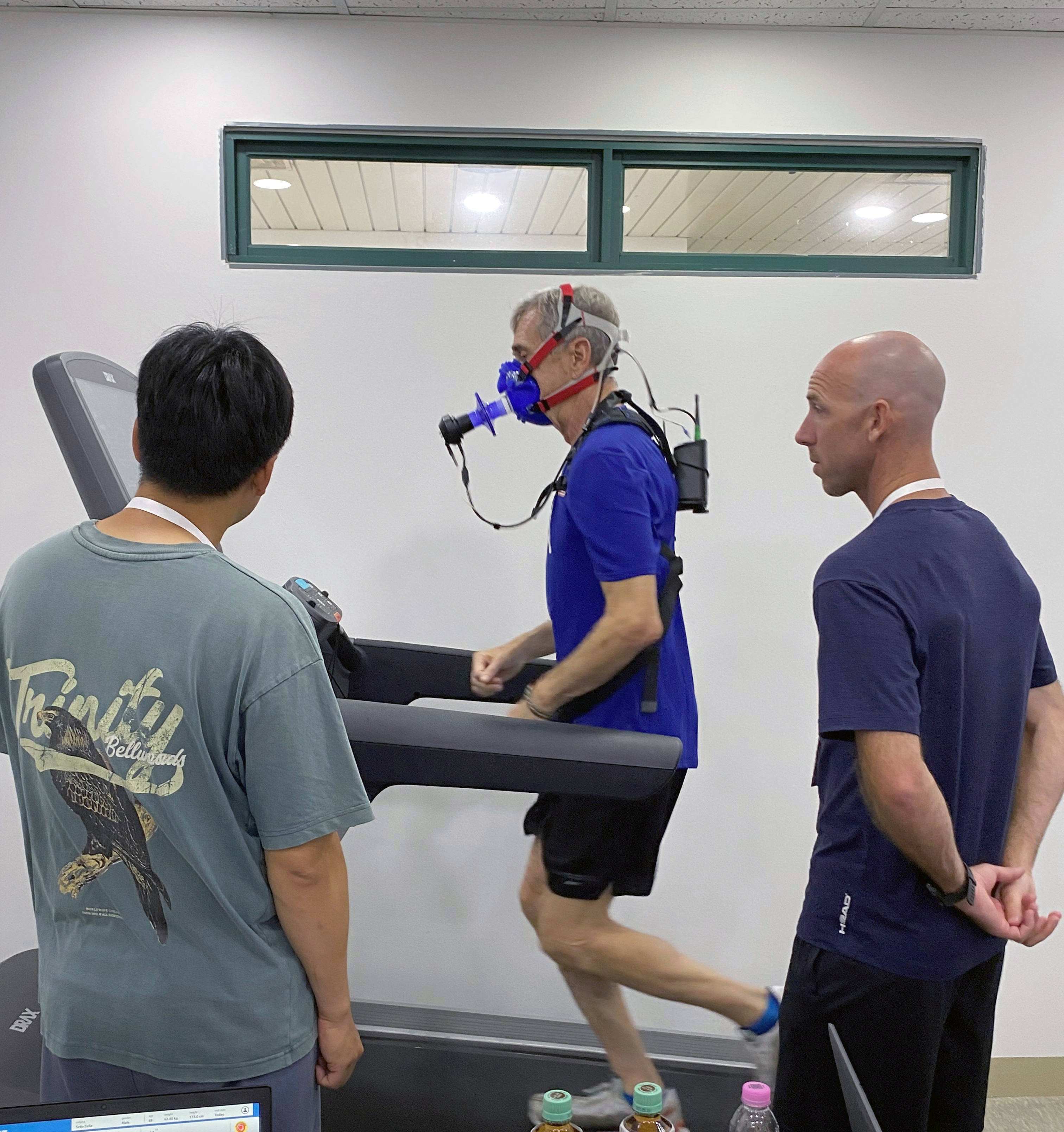
Measuring maximal oxygen uptake (VO₂ max) on the treadmill
How well do the muscles and cardiovascular system perform? How do the blood vessels respond? And how does performance change with age? To answer these questions, the participants undertook a variety of tests, including jump and strength tests.
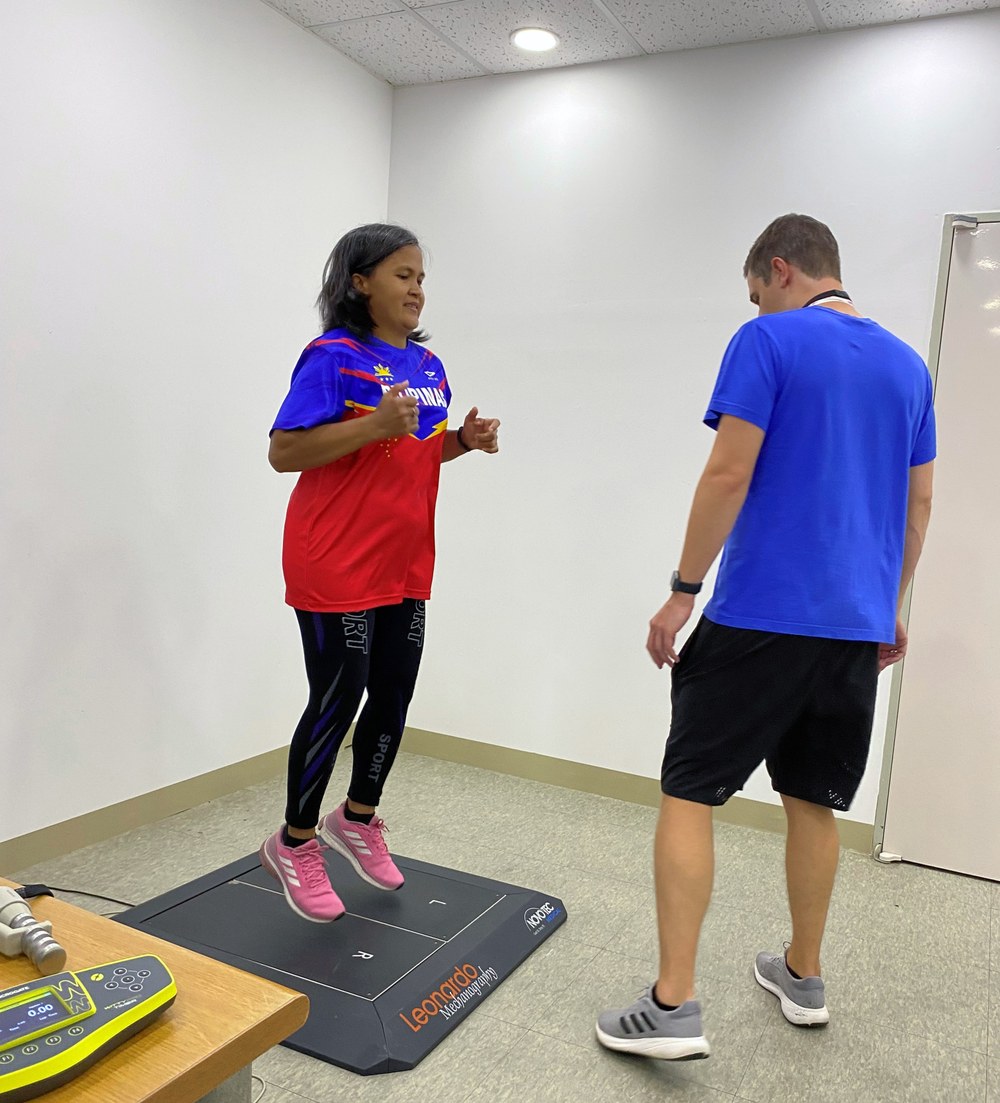
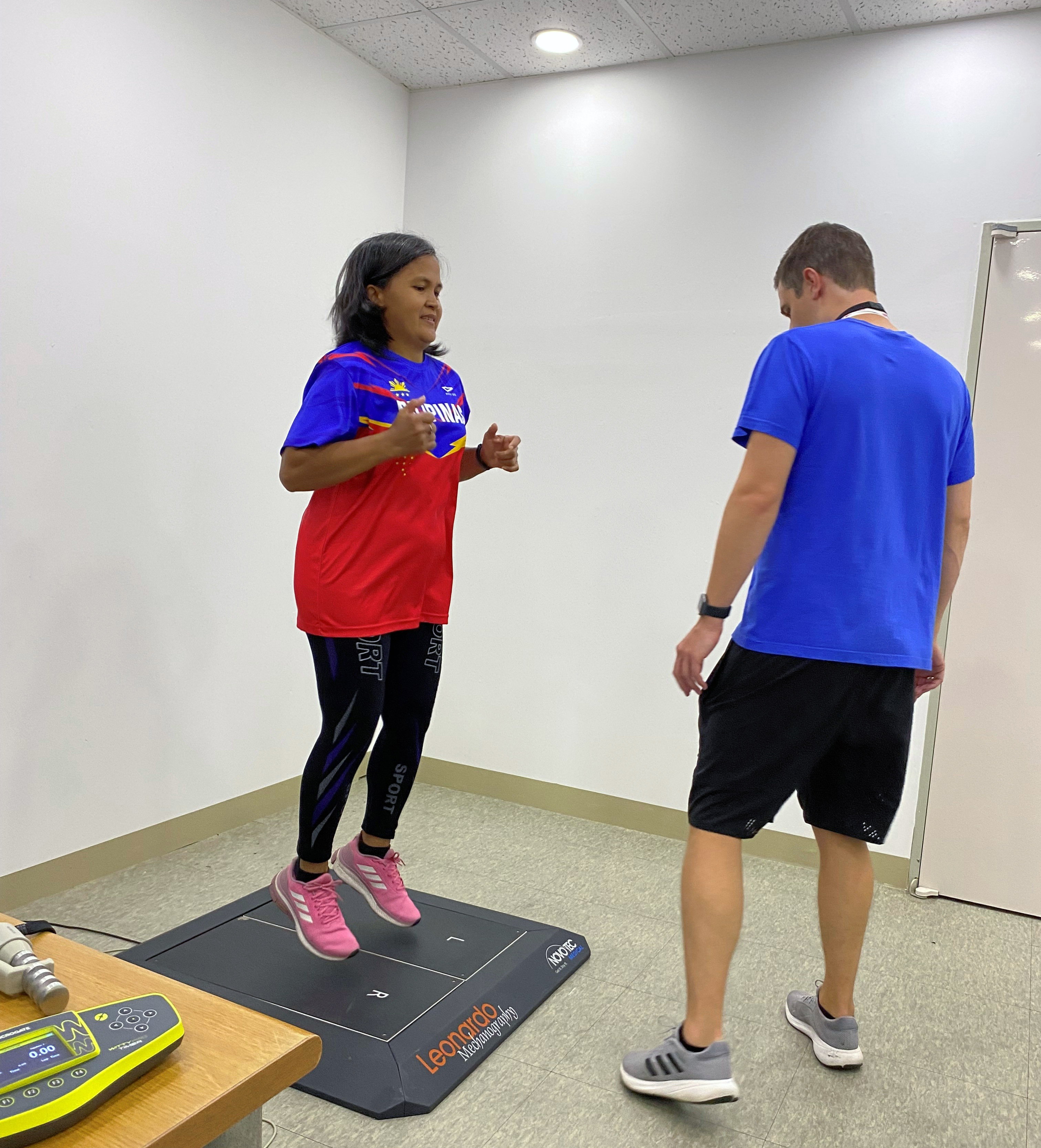
These tests assessed jump height, leg stability and ground reaction forces. We also recorded walking speed and grip strength. Measuring maximal oxygen uptake (VO₂ max) during exercise provided an important parameter for endurance performance. Heart rate and oxygen saturation, among other values, were recorded at the same time.
Another area of focus was the cardiovascular system. We measured pulse wave velocity to examine arterial stiffness. As part of the assessment of autonomic cardiovascular regulation, we also recorded how the autonomic nervous system influences heart rate and blood pressure – both while lying down and standing up.
Jump and strength test
This test analyses jump height, leg stability and ground reaction forces.
Depending on the athletes' disciplines, further examinations were carried out. For example, those competing in throwing events could take part in a dedicated shoulder examination. Ultrasound scans of both shoulders, together with functional tests, provided information on structural changes that are particularly relevant to repetitive throwing movements.
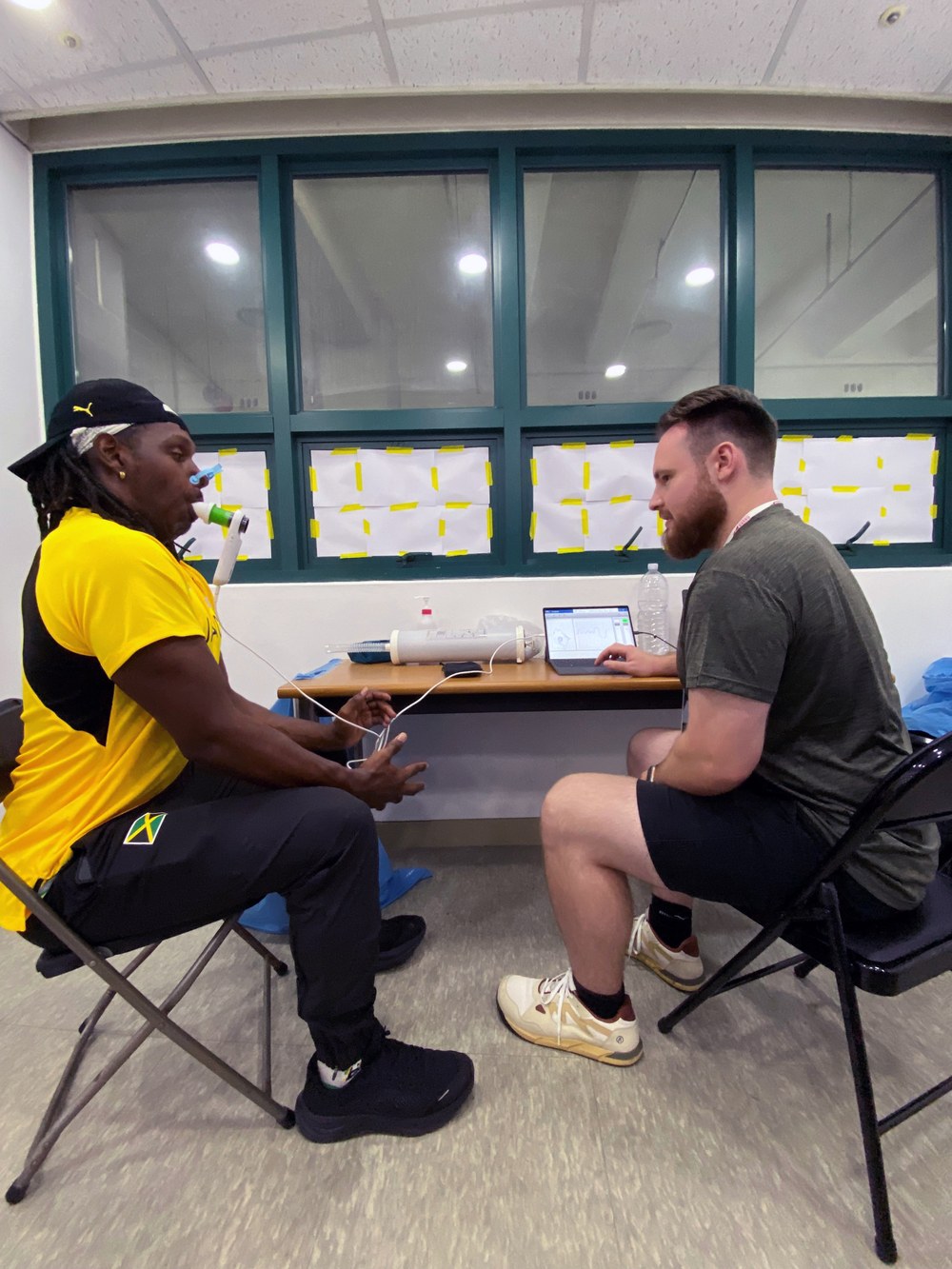
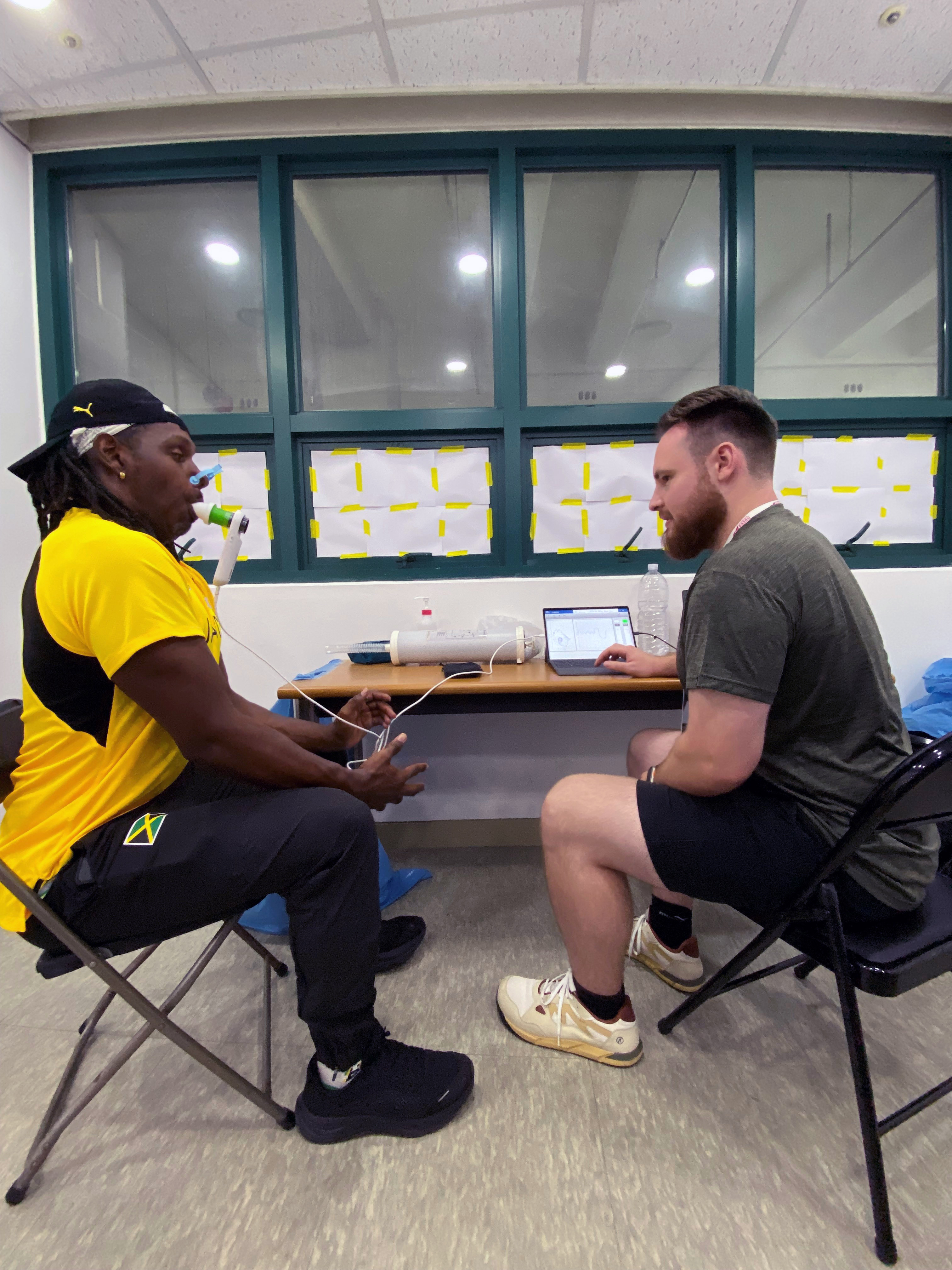
Even the smallest blood vessels were examined. To assess skin microcirculation, measurements were taken to determine how well small blood vessels can dilate after a brief interruption in blood flow. A lung function test using spirometry complemented the examination programme, while a saliva sample was used to investigate a potential genetic predisposition towards sprint or endurance disciplines. There were also questionnaires on the athletes' socio-economic background, as well as questions regarding their hearing and vision.
What does the data tell us?
Lung function test
This test measures how well the lungs are performing.
Each individual assessment is a snapshot in time. Its real significance, however, comes from the long-term perspective of the TaFMAC study. Health, fitness and performance data is being collected over a period of ten years. This makes it possible to see changes over time and to investigate the relationships between training, physical performance and health. This is not about finding an anti-ageing formula – the key question is not how we can prevent ageing, but how we can stay healthy, active and high-performing for as long as possible.
In Daegu, many familiar faces from the study took part, and we were delighted by the strong interest shown. We collected data from 232 athletes and are already looking forward to the next round of assessments. See you next time in Gainesville, Florida, in 2027!
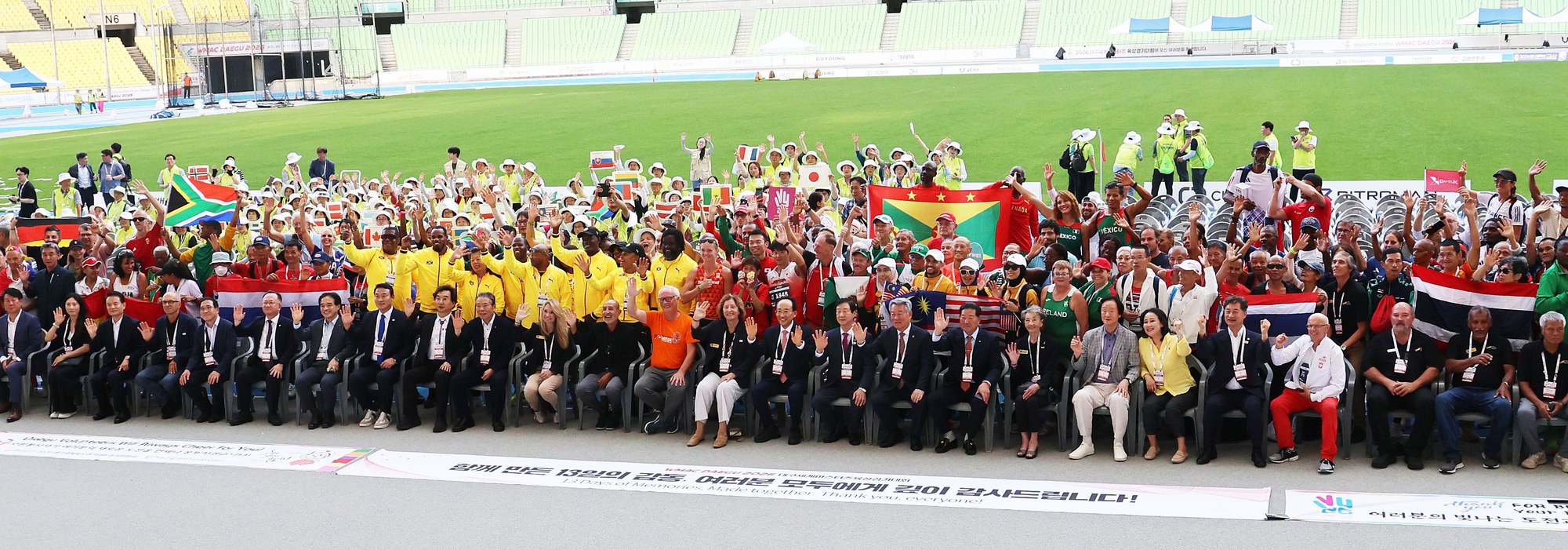
Participants at the 2026 World Masters Athletics Championships closing ceremony