
The Institute for the Protection of Terrestrial Infrastructures
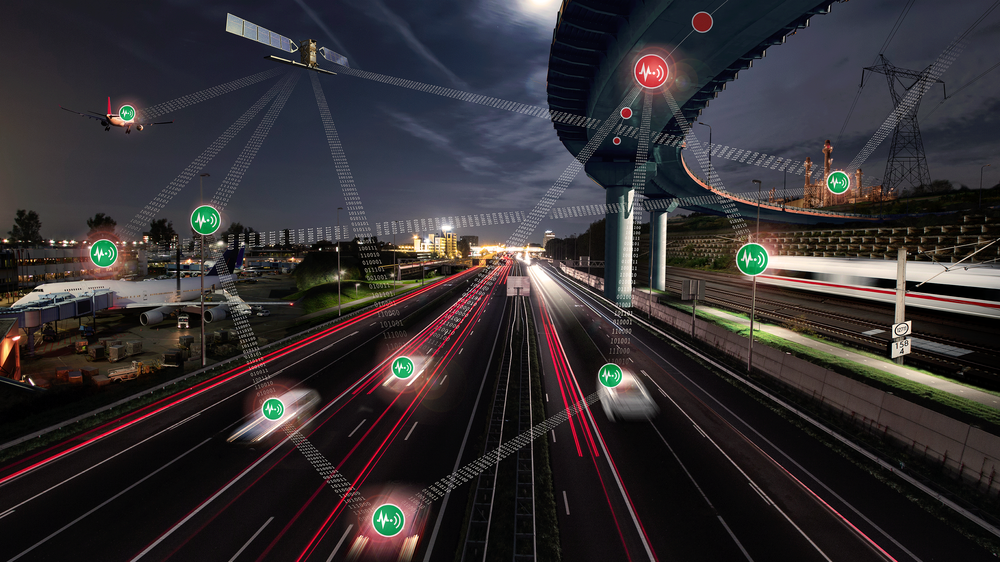

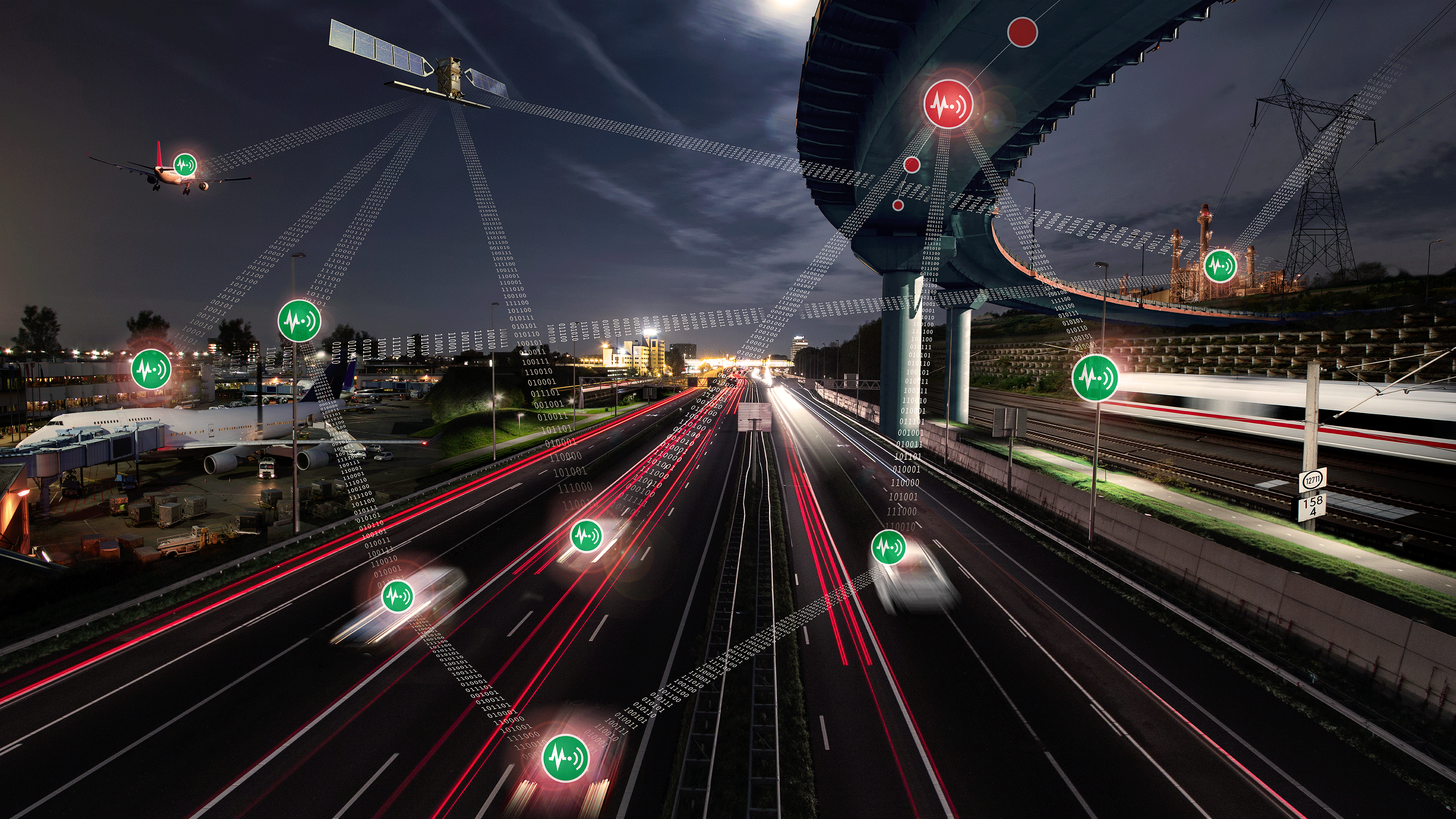
Welcome to the Institute for the Protection of Terrestrial Infrastructures. Since our foundation in 2019, we have been dedicated to the protection and security of critical infrastructures – important organizations and facilities whose failure or disruption would have significant consequences for public safety.
Attacks on energy infrastructure, increased sightings of drones, the catastrophic flooding in the Ahr Valley, and geopolitical conflicts such as Russia’s war of aggression in Ukraine have made it very clear just how important it is to protect our critical infrastructure (KRITIS). At the same time, these infrastructures are becoming increasingly complex and interconnected through smart control systems and Artificial Intelligence (AI). Whether it’s energy and water supply, mobility and transportation, air traffic, or healthcare: the more complex and interconnected modern societies are, the more vulnerable they are to threats. Minor disruptions can quickly spread across various sectors and cause significant damage.
To address these new challenges, we at the DLR Institute for the Protection of Terrestrial Infrastructure develop and design innovative, cross-sectoral, and cross-scale methods and tools to protect critical infrastructures and manage crises. In doing so, we strengthen the resilience of critical organizations and facilities.
To this end, we combine risk and resilience research with Digital Twins. Our Digital Twin is a precise digital replica of real-world systems. By linking real-time data with simulation models and artificial intelligence, we can simulate crisis scenarios, make predictions, and provide targeted support to decision-makers. Through autonomous systems, these decisions can then be immediately implemented in the real world. Principles of sovereign and human-centered AI ensure that humans always retain control.
Our research and development is organized into four closely integrated departments:
In the Resilience and Risk Methodology, we consolidate complex data streams into predictive situational overviews for targeted decision support. We develop customized decision-making tools for designing physical security systems for ground-based facilities and infrastructure, as well as systems using drones. Through simulated stress tests, we help operators of critical infrastructure prepare for various scenarios and identify vulnerabilities early on. Using service dependency models, we then analyze how disruptions spread across interconnected infrastructures and what the consequences are for the public.
We capture reality where it occurs and securely transfer the data into the digital world. To this end, our Detection Systems Department develops technologies and methods that function reliably and quickly even under adverse conditions or in the face of tampering attempts. Our sensor networks monitor infrastructure and detect physical hazards and environmental risks at an early stage. We are responsible for the bidirectional integration with the Digital Twin, from robust on-site data processing (“on-edge”) to the secure control of robotics and actuators in the field.
In the Digital Twins for Infrastructures, we build the technological backbone for the virtual representation of complex systems and the feedback of decisions back into reality. We place great importance on the seamless and transparent implementation of the Digital Twin. Using sensor, geographic, and inventory data, our pipelines generate high-quality virtual representations of reality within a few hours. In doing so, we map various spatial scales, allowing users to analyze impacts across different spatial levels. Using a human-centered AI approach, we design the systems to be precisely tailored to the workflows of emergency responders and decision-makers, while also enabling consistently up-to-date and reliable forecasts and recommendations for action. We use digital environments for immersive, realistic crisis and operational training.
In the Simulation Methods for Digital Twins, we mathematically bring the Digital Twin to life to predict dynamics in the event of an emergency. Using a combination of machine learning and physics-based simulation methods, we calculate how infrastructure will behave in various crisis scenarios. We specifically analyze uncertainties and develop rapid mathematical models to deliver precise forecasts in a matter of seconds during an emergency. Our simulations optimize the placement of real sensors to generate the maximum amount of information for live situational awareness with minimal measurement effort.
Depending on the research area, we work closely with various universities and colleges, industry, and directly with public safety agencies and organizations (BOS) (link) to ensure a rapid and efficient exchange of knowledge.
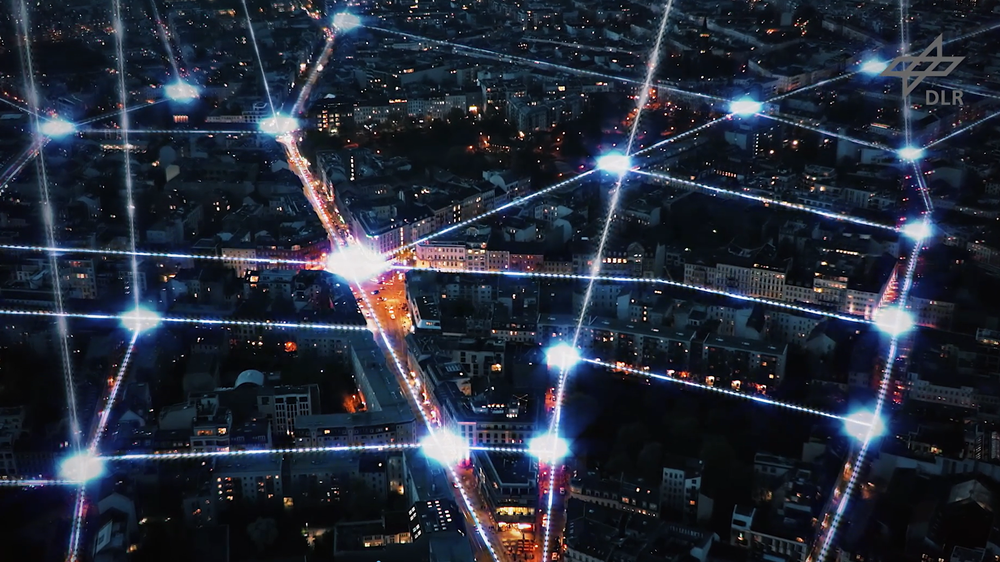
The Institute for the Protection of Terrestrial Infrastructures introduces itself (German with English subtitles)
Your consent to the storage of data ('cookies') is required for the playback of this video on Quickchannel.com. You can view and change your current data storage settings at any time under privacy.