In this blog series on the second campaign of NASA's sensorimotor countermeasures (SMC) bed-rest study, researchers from the DLR Institute of Aerospace Medicine present the key experiments and people behind them, showing how they develop measures to prepare humans for safe space exploration – while also advancing medical care here on Earth.
It seems like only yesterday that the nutrition team was in full swing preparing for the second campaign of the SMC bed rest study. Food was ordered, the kitchen was spruced up, documents were updated, new employees were trained, baking and cleaning were done... and suddenly here we are, making rounds in study week ten! "I'm still hungry – can I have larger portions?", "The fried fish sandwich and cheesecake are so delicious, I'd like some more!" or "My digestion isn't working properly – is there anything you can do?" are just a few examples of what the team hears today. Regular contact with the test subjects is crucial, because in this unusual study situation, nutrition has a major impact on the well-being and motivation of the participants, who have to spend 60 days lying down.
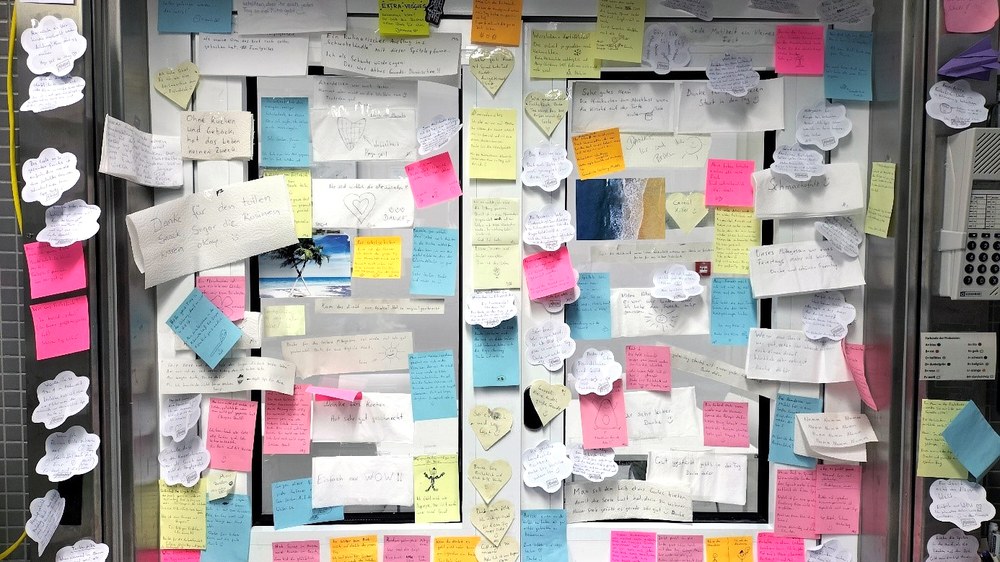
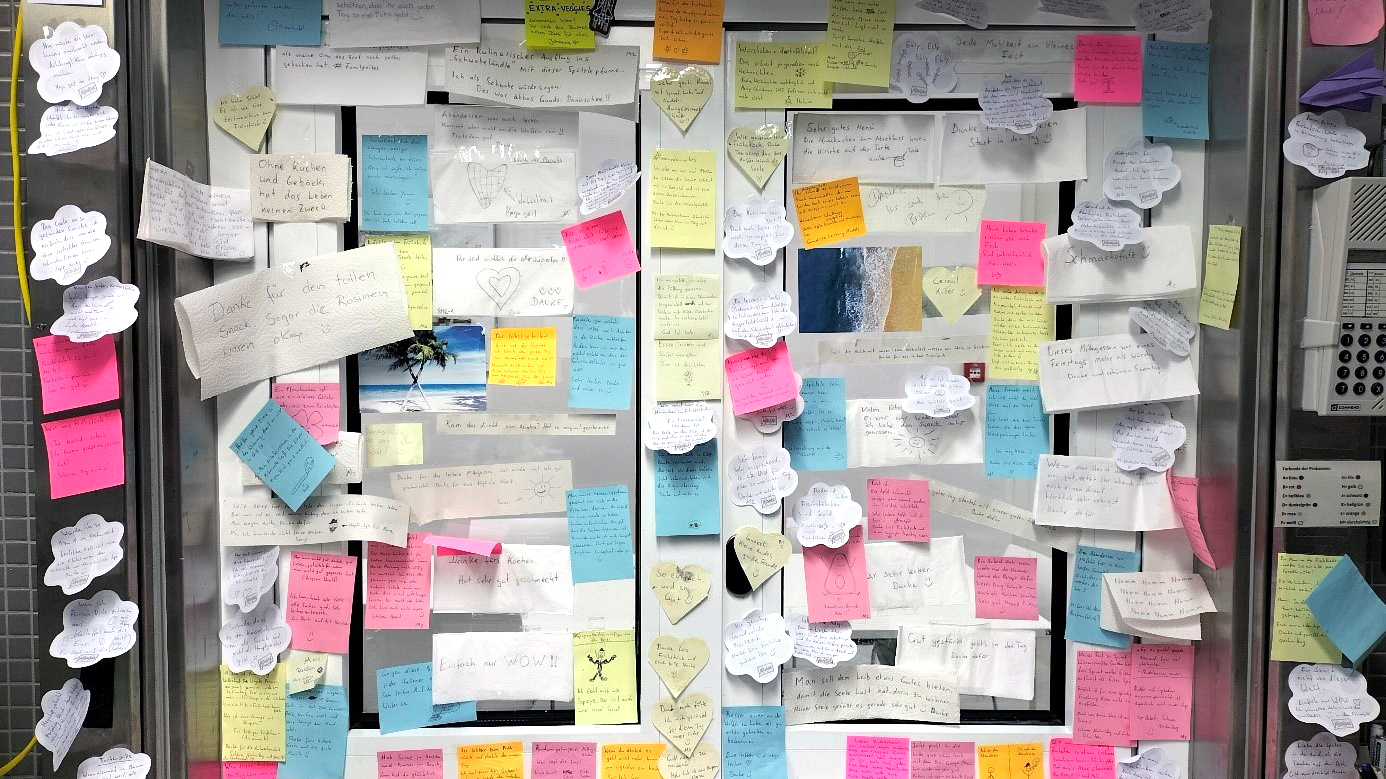
Praise and thanks for the nutrition team
Nutrition is an important part of the daily routine for the test subjects. And they are happy to give feedback on the various meals, which the team always appreciates.
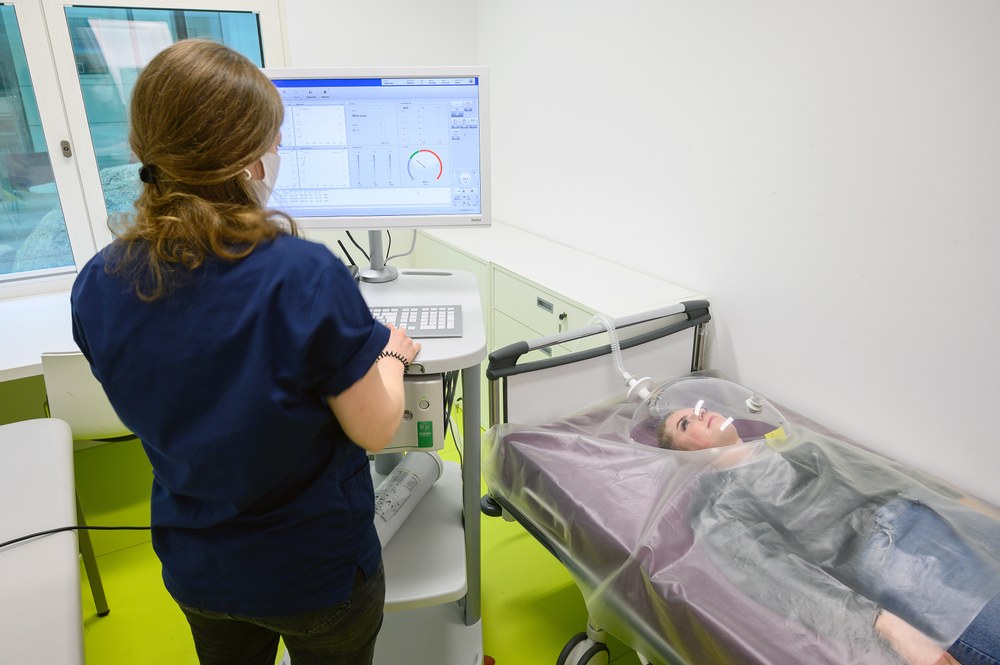
Basal metabolic rate measurement before head-down position
Basal metabolic rate measurement uses respiratory gases to measure resting energy expenditure, from which the total daily energy requirement of the study participants can be derived.
Today started early for everyone: two of our 'terrestrial astronauts', as we call the bed rest participants, had their basal metabolic rate measured in the morning to determine their resting energy requirements, as well as measurements of their body composition (to determine their fat and muscle mass, for example).
After the visit, it's off to the kitchen, where the standardised diet is put into practice. Walking in, it is impossible to miss the ever-growing sea of compliments; the staff receive lots of praise in the form of handwritten notes, poems and little drawings. 'Have sunshine in your heart and chips in your belly, then you'll be happy and full,' and 'Just WOW!' or 'DLR-Michelin' star for sophisticated space food' are just a few quotes that show how much their work is appreciated and how good their lovingly prepared food tastes. Another indication of this could be the plates that are cleaned down to the last crumb.
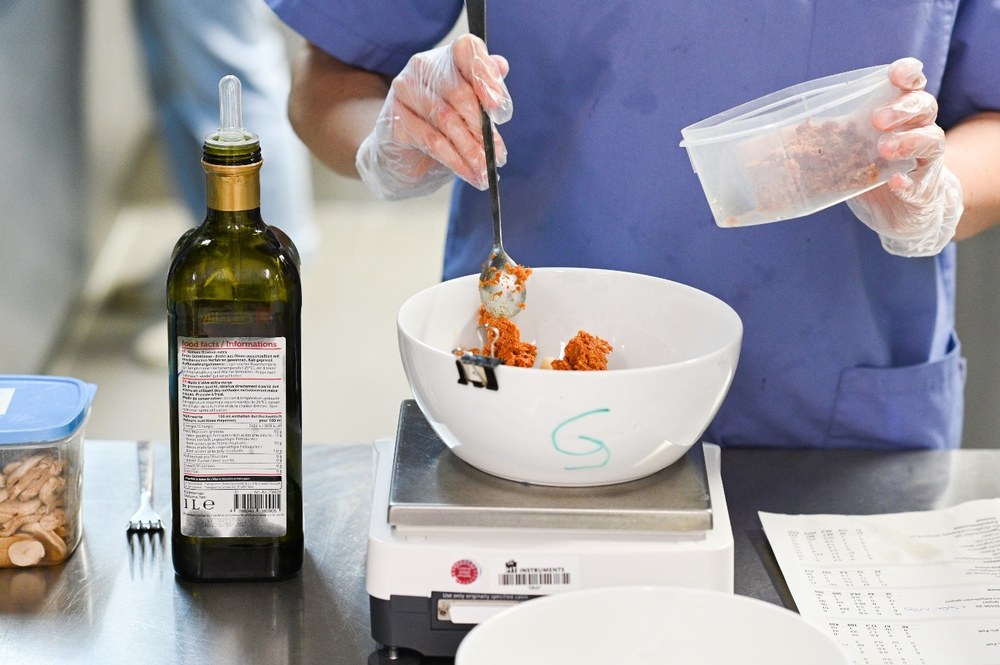
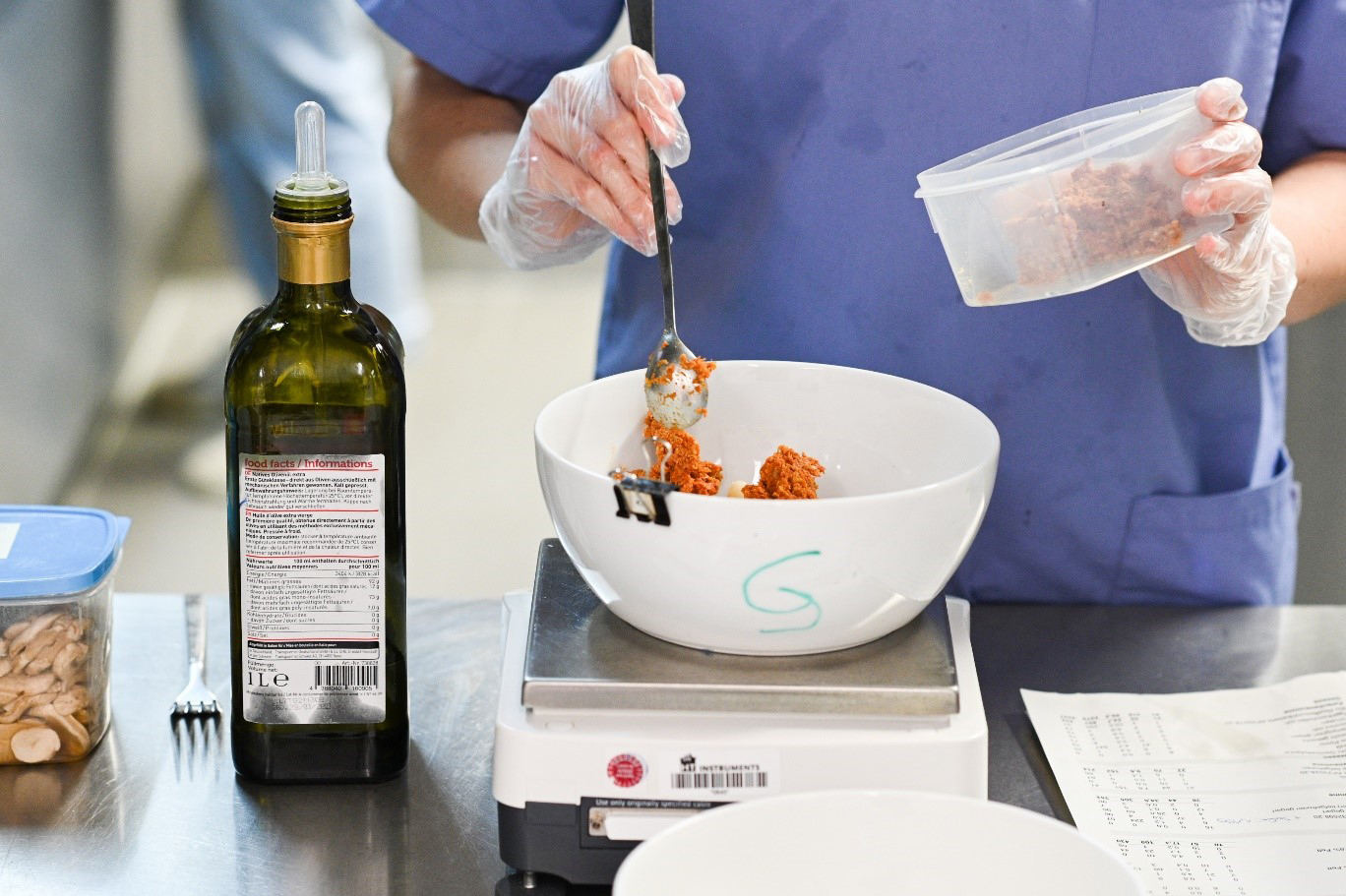
Weighing to the nearest gram
As soon as the nutrition team files the daily menu plans, the kitchen team weighs the meals to the nearest gram.
However, the test subjects have no choice but to eat everything, because that is part of the science – every day of the study, each test subject gets a personalised, planned menu. The quantity of each meal is, of course, carefully tailored to personal requirements such as body weight and resting metabolic rate, which is why it is so important that there are no leftovers from the carefully calibrated portions.
A student assistant is busy preparing two of the many recipes developed in-house: the popular apple rings and the tomato and cashew dip. Her colleague is putting away newly delivered groceries. "We're missing cucumbers and quark," she says. Fortunately, a quick check in the storeroom reveals that there is enough for tomorrow. But we will definitely have to pick up more supplies on the way to work for the coming days so that we can manage until the next delivery. No wonder – with over 70 kilograms of cucumbers and 35 kilograms of quark (cottage cheese) needed for the entire study, that can happen.
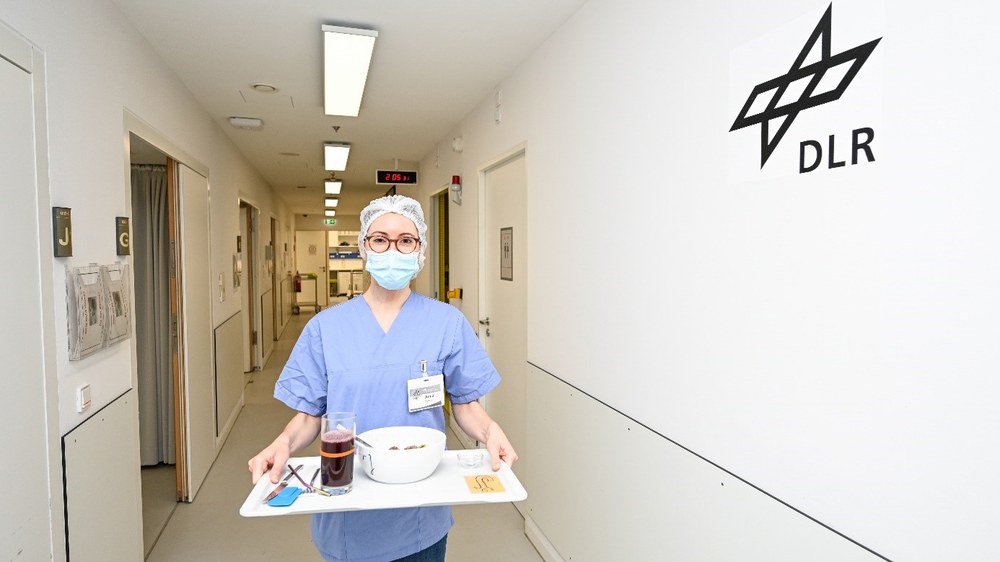
An important part of the day – meal times
The calculated, weighed and carefully prepared meals are distributed to the study participants every day at precisely planned mealtimes.
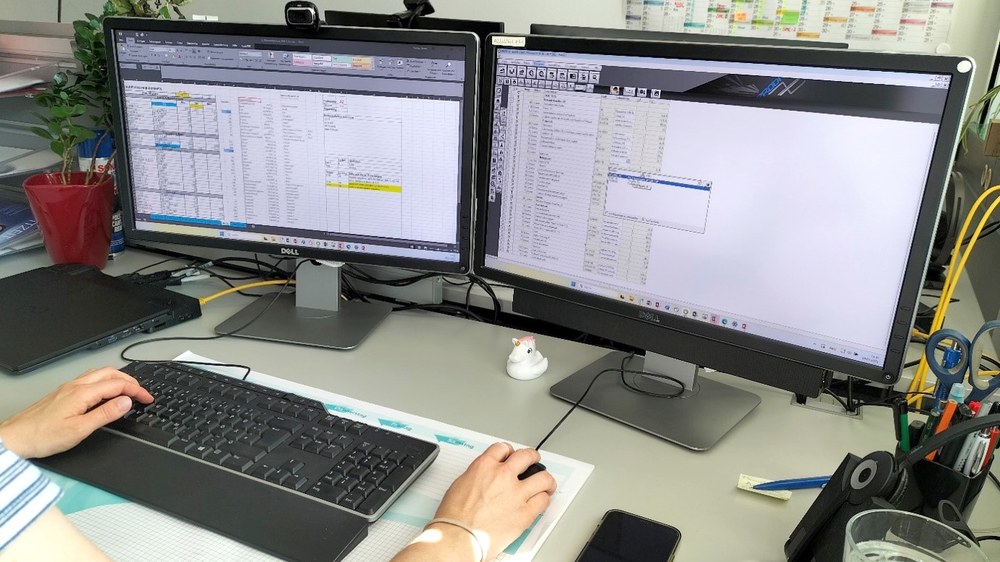
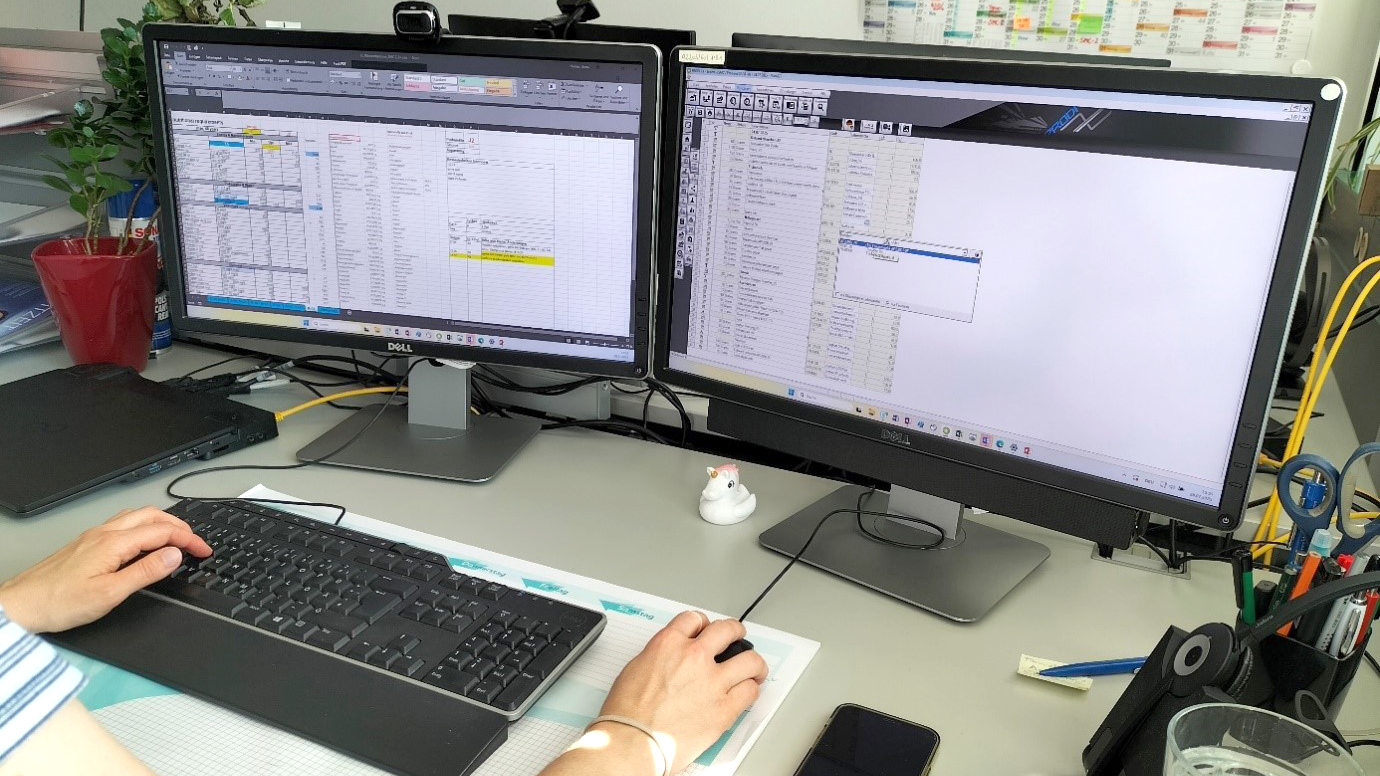
Back at the office, the missing food items are reported to the supplier before the daily SMC meeting starts at 11:00. Here, the highlights from the morning rounds are briefly shared so that the entire project team is up to date. The nutritional value calculation programme is then launched to adapt the menu plans for the next few days to the individual nutritional requirements of the twelve study participants.
A total of 1,044 menu plans have to be processed in this way during a 60-day bed rest study. Some plans are quickly done, while others present challenges, such as planning the smallest possible portion sizes for a very light test subject while still meeting her nutritional requirements.
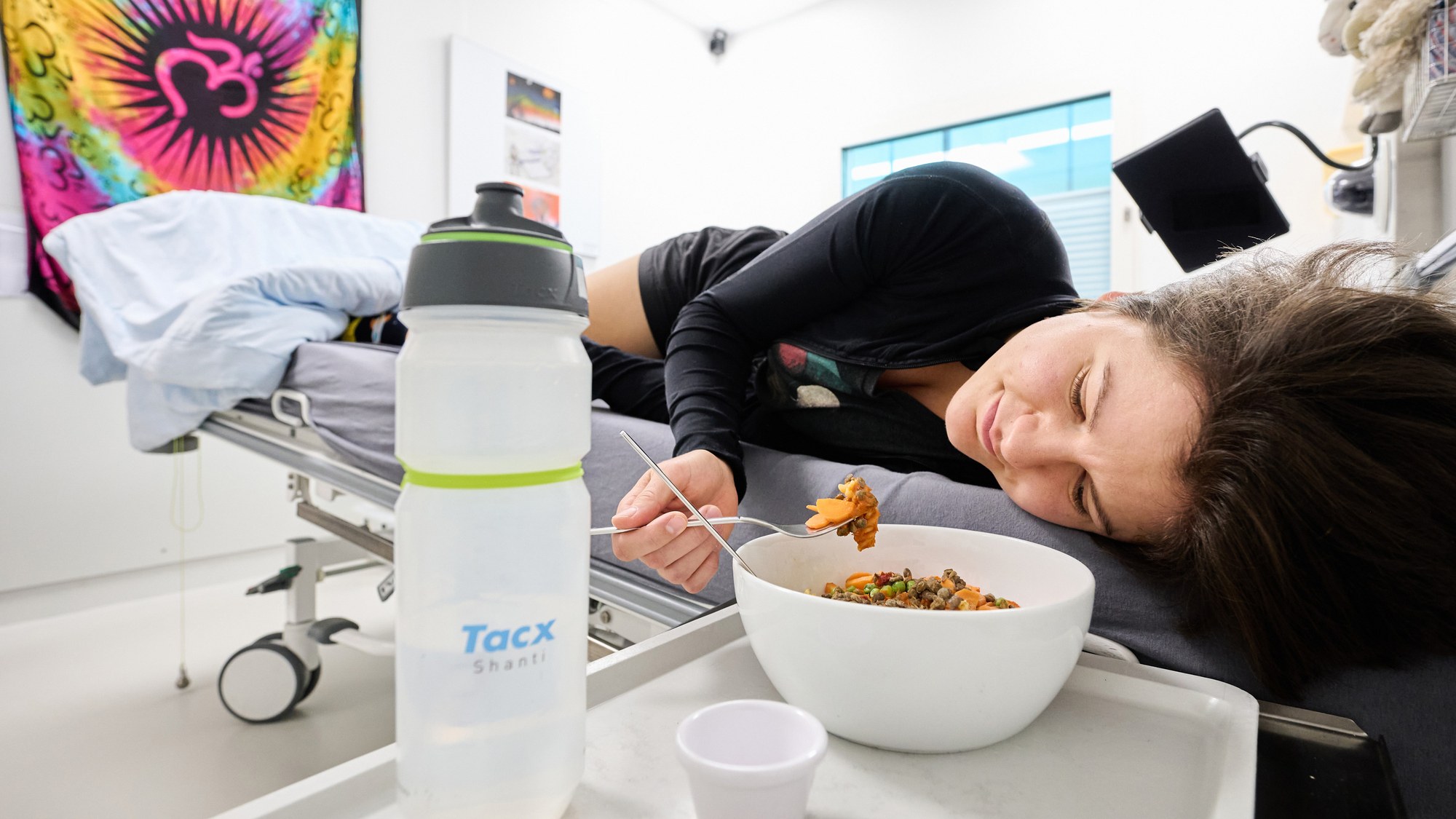
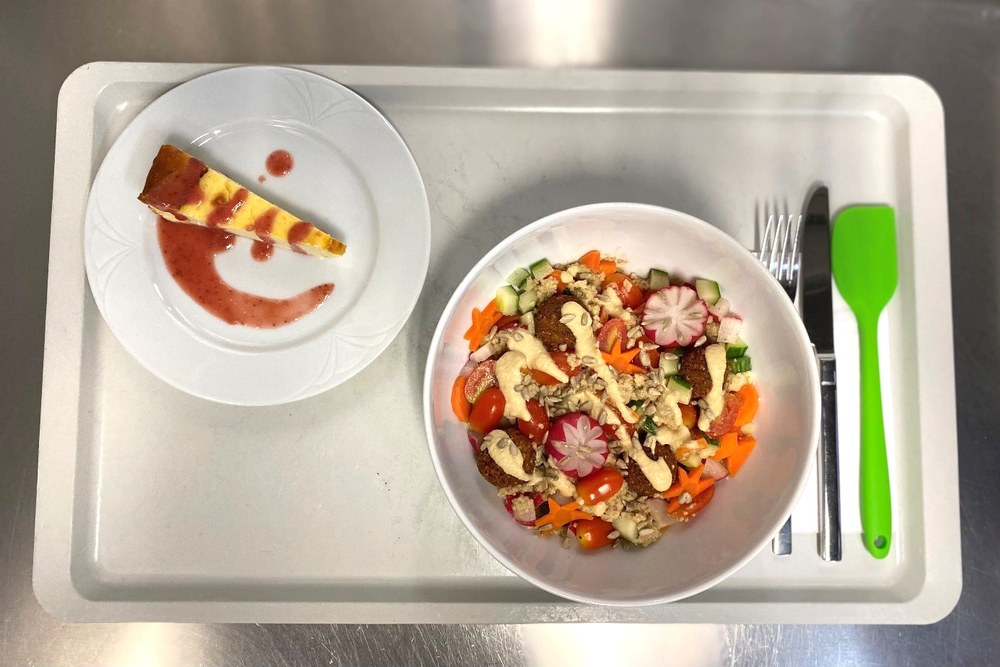
Dinner is served...
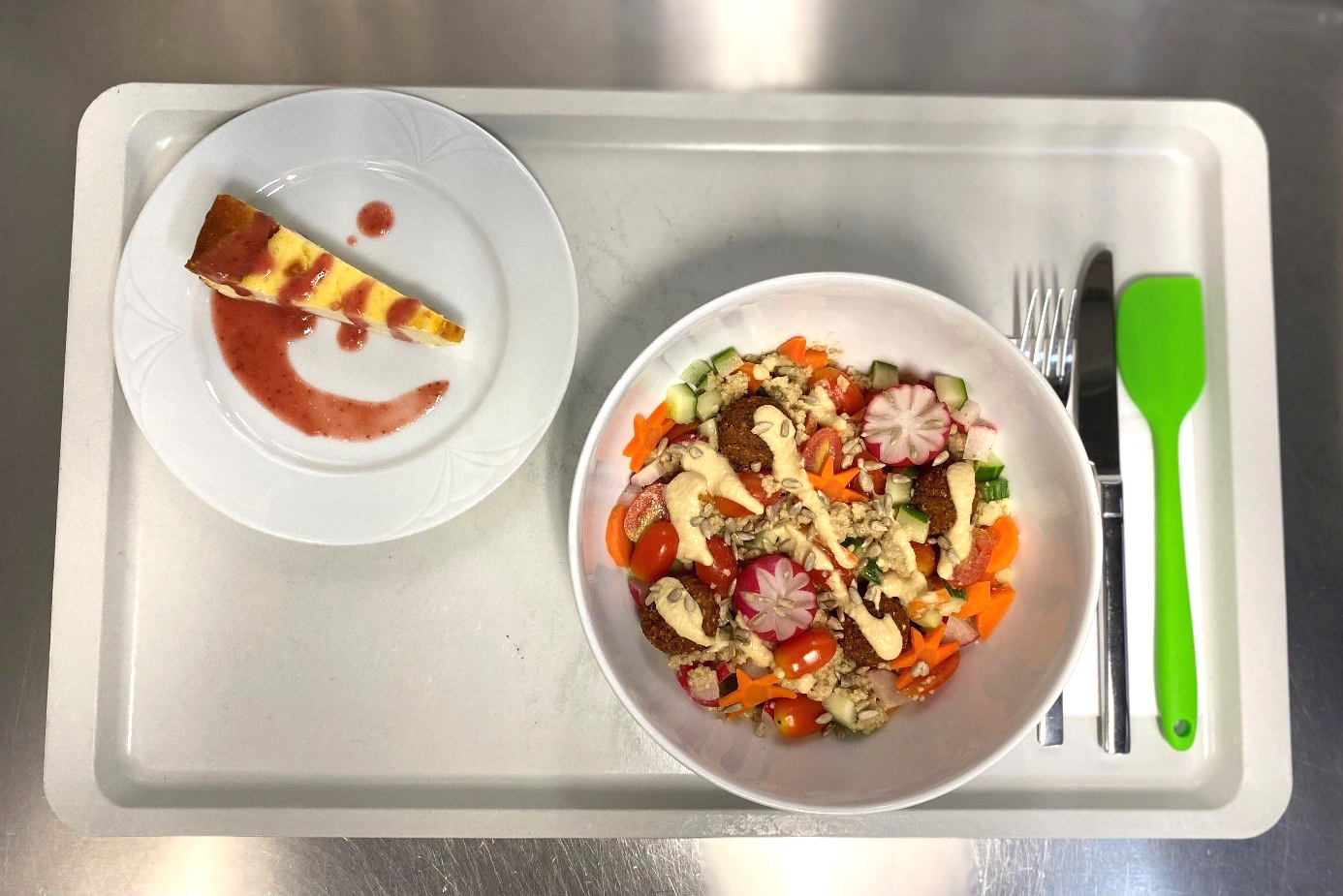
Here, falafel bowls are served for lunch, with cheesecake and strawberry sauce for dessert.
In addition, portion sizes and water quantities must be adjusted and nutritional requirements taken into account, such as the use of psyllium husks to aid digestion. It is not always possible to take all the concerns and wishes of the test subjects into account – every diet must be compatible with NASA's strict guidelines. In addition to macronutrients (carbohydrates, proteins and fats), more than 30 nutrients must comply with certain nutritional limits (some daily, some weekly). The basic principle is that the diet is standardised for each individual study participant on each study day to ensure that the study results are comparable.
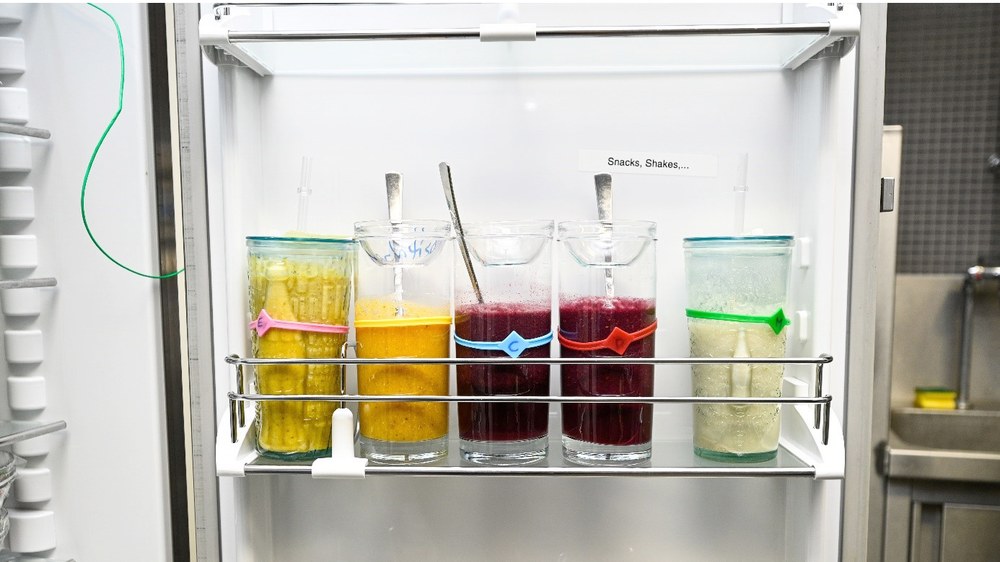
Energy in a glass
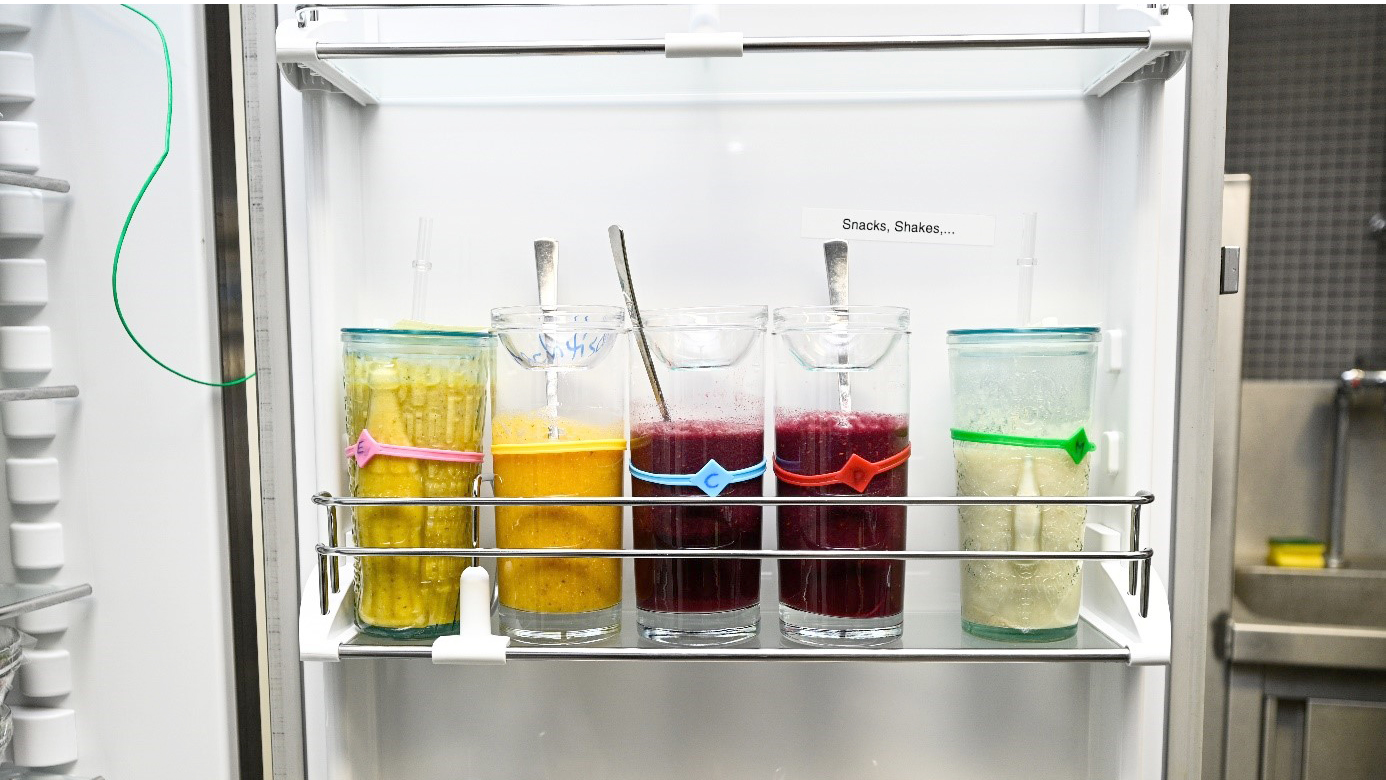
A few colourful shakes to boost energy in the afternoon are a must for the test subjects.
Once the menu plans have been finalised, they are printed out, sorted and sent to the kitchen with all the necessary documentation for preparation and cooking. But no sooner is this done than the duty phone rings – a student assistant has called in sick for tomorrow. A glance at the duty roster shows who is the backup, and they are called immediately and activated. The rest of the never-ending to-do list can wait until tomorrow. Now it's time to call it a day – at least for the moment. Because who knows what surprises the on-call service has in store for the nutrition team today? One thing is certain: it definitely never gets boring during a study like this – just like on a real space mission, every day of the terrestrial mission brings new exciting tasks and challenges!
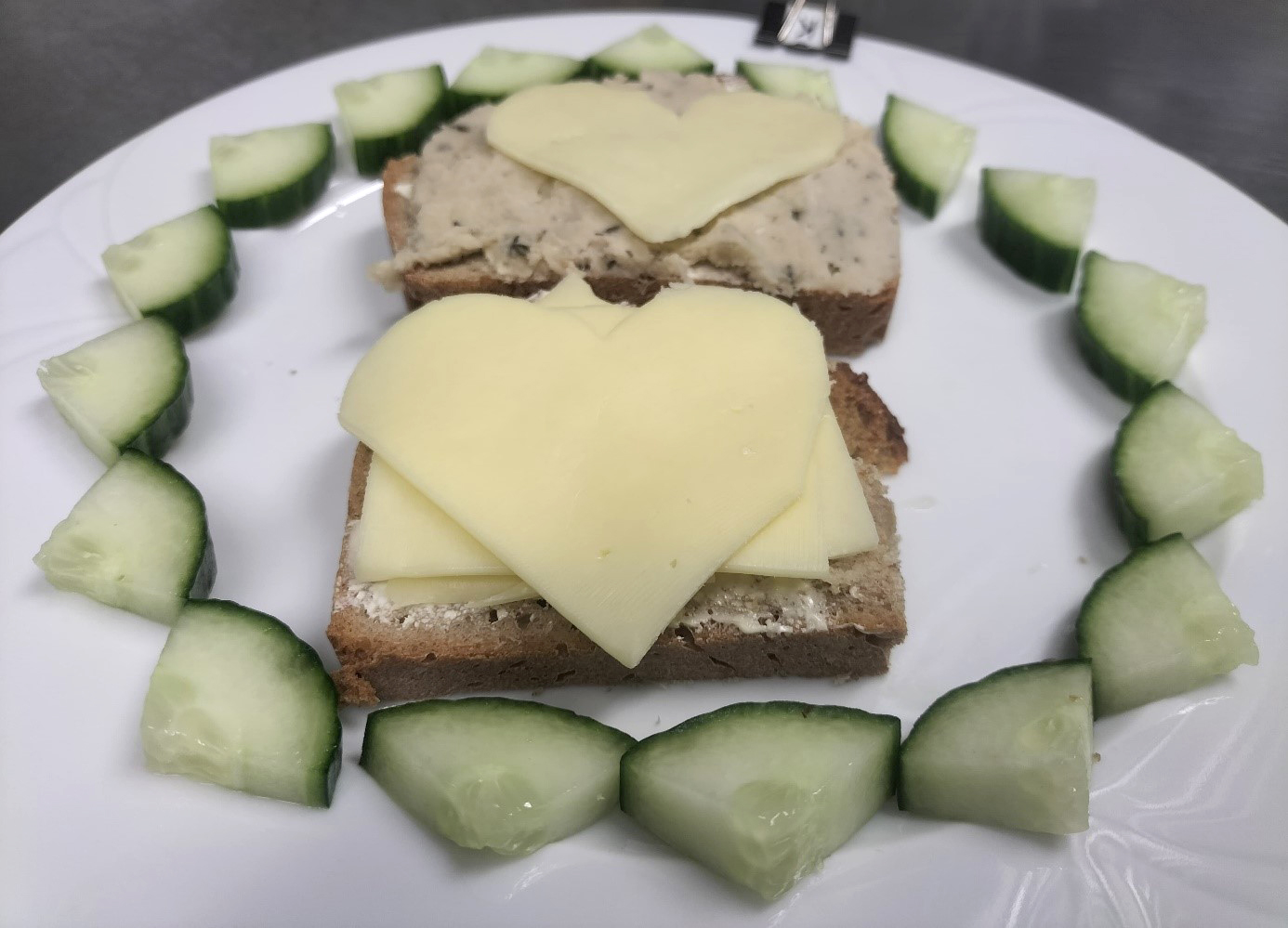
A heart for the test subjects
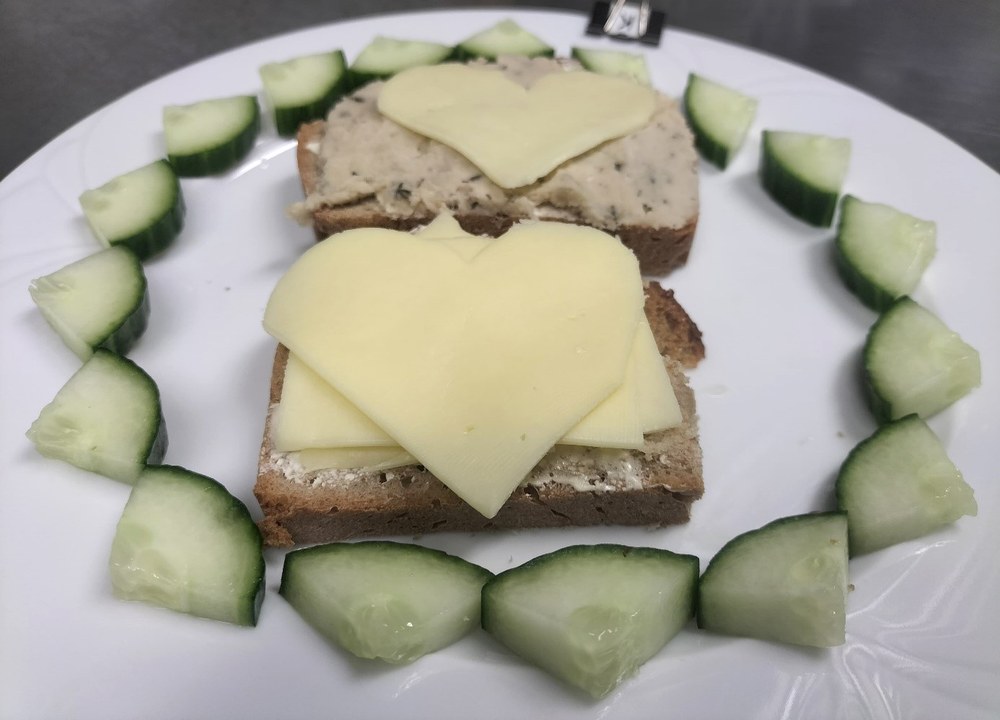
If there is enough time, artistic creations are also made – within the specified quantities for each food item, of course.