
Structures for Satellites and Exploration

Efficient. Durable. Mission-ready.
The Structures for Satellites and Exploration research area develops innovative structural and thermal protection technologies for the next generation of commercial and scientific space systems. The rapidly growing satellite industry, new orbital regimes such as Very Low Earth Orbit (VLEO, 100–300 km), and the requirements of long-duration exploration missions demand flexible, cost-efficient and at the same time robust structural concepts.
In VLEO, specific challenges arise: increased atmospheric drag, intense atomic oxygen exposure, high thermal loads and the need for controlled end-of-life demisability. At the same time, scientific missions require highly reliable structural platforms that operate stably over years to decades.
Our aim is to develop future-proof, lightweight and sustainable satellite structures – from digital design and thermal protection through to new materials that can be intentionally degraded at the end of a mission.
Research Focus Areas
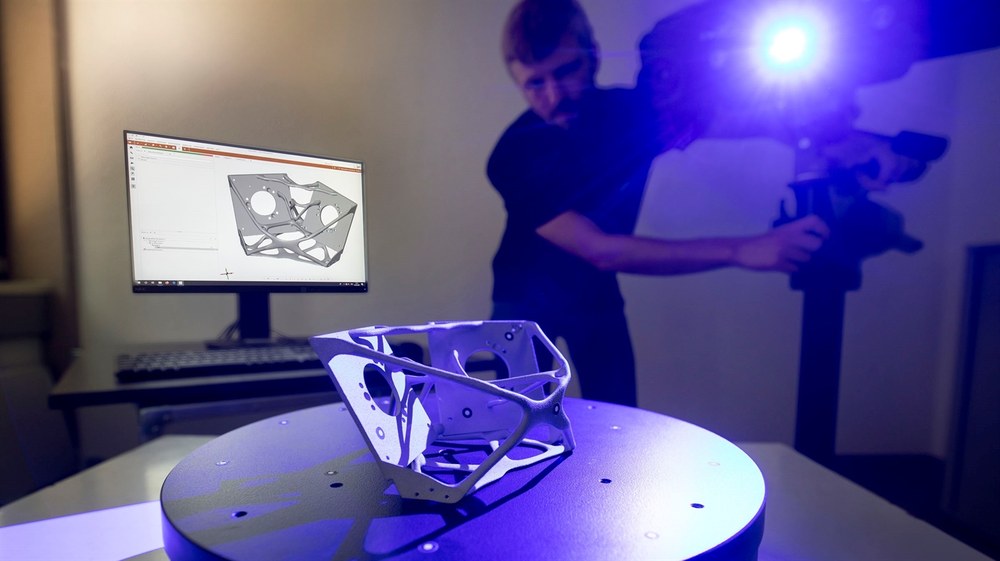
- Digital Development Platforms for Satellite Structures (DCEP): End-to-end digital process chains for structural design, simulation, manufacturing and testing reduce development times, enable modular platforms and accelerate the industrialisation of new satellite concepts.
- Atomic Oxygen Protection Systems for VLEO: Erosion-resistant coatings and composite materials protect satellite surfaces from highly reactive atomic oxygen and increase the lifetime of VLEO missions.
- Oxygen Harvesters for Electric Propulsion Systems: Technologies for extracting atmospheric oxygen in VLEO to supply electric propulsion systems. The aim is to compensate orbital drag and extend mission lifetime without additional propellant.
- Bio-Based Materials and Demisable Structural Systems: Sustainable materials and demisable structural concepts for controlled burn-up during re-entry – to comply with international regulations and reduce space debris.
- Deployable Aerodynamic Drag Systems: Structures that deploy in orbit to increase aerodynamic drag and enable controlled de-orbiting – at end of mission or for active space traffic management.
- Thermally Stable Ceramic Sandwich Structures for Sensor Systems: High-temperature and radiation-resistant sandwich structures for instruments, sensors and optical payloads. Low mass, high stability and long service life.
Cooperation and Technology Transfer
The research area works closely with industrial and scientific partners to translate innovative structural and thermal protection technologies into operational space applications. Particular emphasis is placed on reducing development cycles and accelerating the transfer of research results into commercial satellite systems.
Key activities include:
- Technology Transfer to satellite manufacturers, system integrators and operators – particularly for VLEO platforms, thermal protection systems and demisable structures.
- Cooperation with the European and German space industry to make robust, sustainable and modular satellite structures available.
- Support for start-ups, e.g. in the fields of sustainable materials, orbital drag systems or atomic oxygen protection systems.
- Strengthening European competitiveness through digital platforms, energy-efficient technologies and innovative structural concepts.
- Scientific collaboration with universities and research institutions in simulation, materials development and structural testing.
- Participation in national and international space programmes to ensure long-term access to key technologies.