
Thermally Stable Structures for Space Transportation Systems
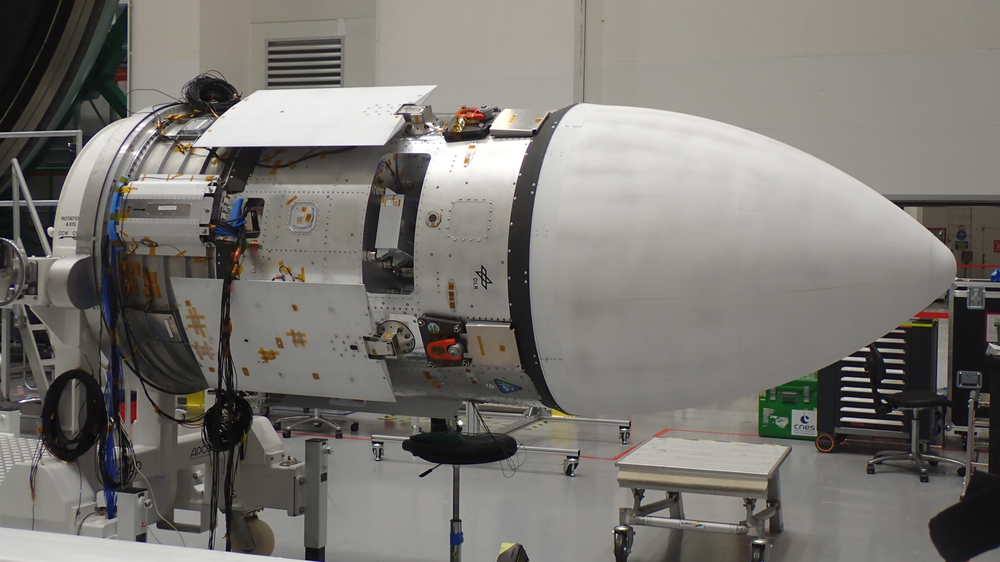

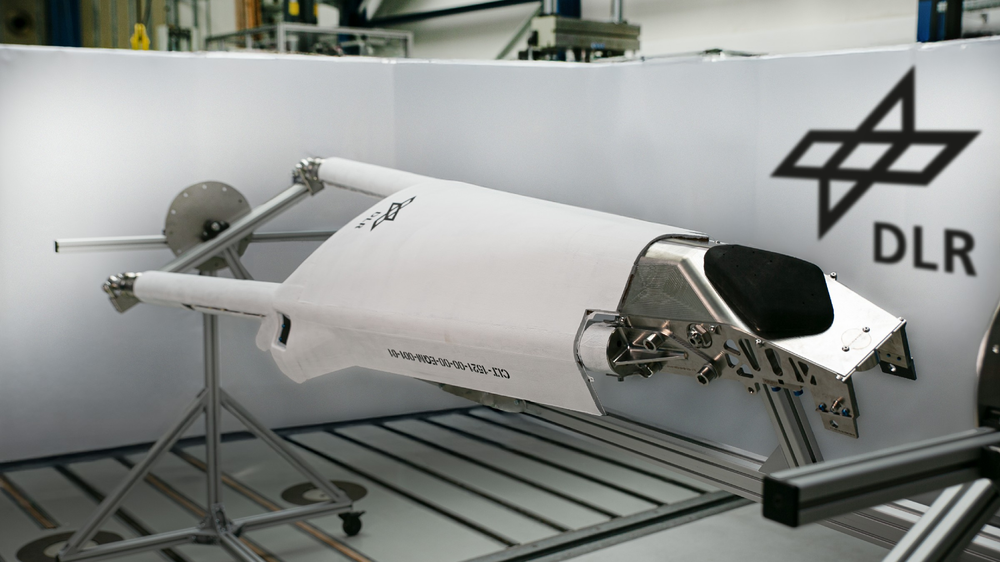
Lightweight. Robust. Temperature-resistant.
The Thermal-Stable Structures for Space Transportation Systems research area develops solutions for components and structural systems that must withstand extreme thermal and mechanical loads. Space systems operate across temperature ranges from cryogenic –250 °C to over +2000 °C, while at the same time experiencing strong thermal gradients that generate significant thermal expansion within materials.
To address these challenges, we always consider the complete structural system – from material selection and strain management through to functional integration. Our aim is to realise high-performance, temperature-stable and strain-compatible structures for reusable spacecraft, propulsion components and future launch systems.
The research area covers the entire process chain: material design, simulation, manufacturing, validation and flight-ready demonstrators.
Research Focus Areas
At the core are material, structural and manufacturing concepts that meet the extreme requirements of space transportation systems. By combining metallic, fibre-ceramic and fibre-reinforced composite materials with digital design and manufacturing methods, high-performance multifunctional system structures are created.
Overview of Key Focus Areas:
- Thermal Protection and Cryogenic Systems: Development of structural elements that withstand both extreme heat and cryogenic cold, such as cryogenic tank systems with integrated thermal protection for reusable space transportation systems.
- Strain-Compatible Hybrid Structures: Combination of different materials (e.g. metal–composite–ceramic) with targeted strain management for thermal gradients.
- High-Temperature Structural Ceramics: Use of oxidation-stable ceramic materials for combustion chambers and nozzles.
- Segmented Thermal Protection Systems: Structures based on fibre-ceramic external panels using carbon-fibre-reinforced (C/C) or oxidation-stable ceramic matrix composites (Ox-CMC) for reusable space transport systems.
- Load-Bearing Space Structures: Development of landing legs for vertically landing launch stages under combined impact and thermal loads.
- Experimental Validation: Testing in flexible facilities for thermal cycling, cryogenic conditions and high mechanical loads.
- Flight Testing: Qualification of structural concepts under real operational conditions.
Cooperation and Technology Transfer
To transfer the developed structural technologies into application, the research area works closely with industry partners, space agencies and universities. A key focus is the rapid implementation of new structural concepts in reusable launch systems, propulsion applications and thermal protection systems.
Particular emphasis is placed on:
- industry-oriented demonstrators for thermally protected tanks, propulsion components and segmented TPS elements
- technology transfer into the European and national space industry
- support for German space start-ups, e.g. in the field of thermal protection or high-temperature materials
- collaboration with spin-offs such as Black Engine or edge Rocket Technology
- contribution to Europe’s competitiveness in reusable space transportation systems