Research project ENERA

Designing a new ENergyERA

Credit:

BMWE

ENERA represents the next step in the energy transition: a value creation network made up of existing and new stakeholders in the energy industry. The energy sector in Germany is currently undergoing significant changes. The transition from conventional energy sources to renewable energies poses numerous challenges to stakeholders in politics, industry and research. The ENERA joint project gave an overview of what the energy systems of the future could look like.

Research project ENERA


Duration

January 2017 until December 2020

Funded by

Federal Ministry for Economic Affairs and Energy in its funding programme „Schaufenster Intelligente Energie – Digitale Agenda für die Energiewende“

Project participants

  • EWE AG
  • Institute of Networked Energy Systems
  • 3M Deutschland GmbH
  • Avacon AG
  • Bilfinger Mauell GmbH
  • BTC Business Technology Consulting AG
  • devolo AG
  • ENERCON GmbH
  • Energie-Forschungszentrum der TU Clausthal
  • energy & meteo systems GmbH
  • EWE NETZ GmbH
  • FGH
  • IAGB mbH
  • Jacobs University
  • Landkreis Aurich
  • Likron GmbH
  • OFFIS e.V.
  • PPC AG
  • ProSyst Software GmbH
  • RWTH Aachen
  • SAP SE
  • SCHULZ Systemtechnik GmbH
  • Siemens AG
  • Software AG
  • Stadtwerke Lingen GmbH
  • TenneT TSO GmbH
  • the peak lab. GmbH & Co. KG
  • Theben AG
  • Universität Duisburg-Essen
  • Viessmann Werke GmbH & Co. KG
  • Younicos AG

The objective of the project was to connect energy digitally and enable the creation of a stable energy system optimised for the national economy. In the process ENERA also provided opportunities for new and innovative business models to emerge. Renewable energies in the network of ENERA’s model region of north-western Germany generated 235 per cent of the region’s energy requirements in 2017. This makes the north-west a renewable energy power plant and an ideal model for the next step in the energy transition.

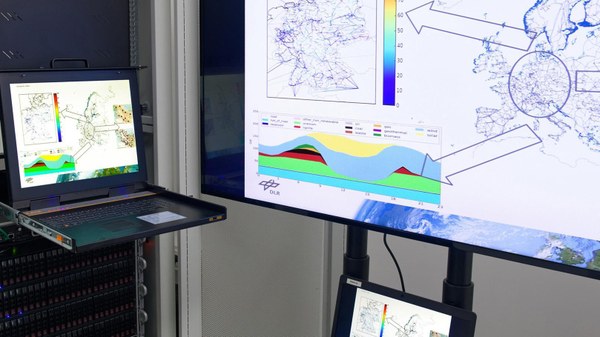
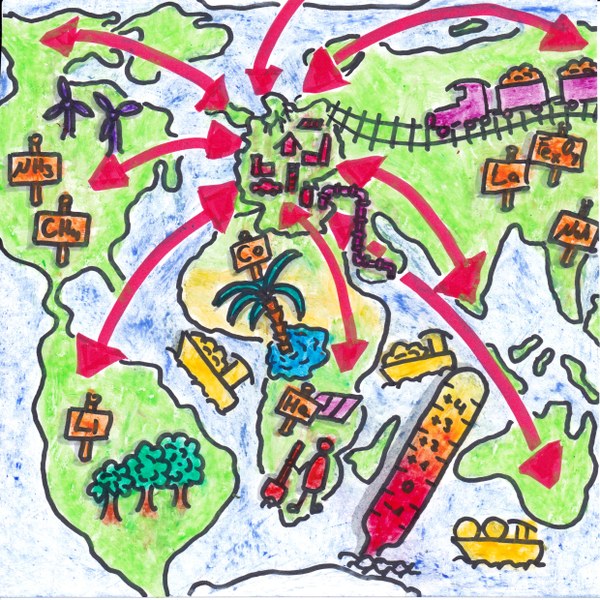
The Institute of Networked Energy Systems was working on two topics in the ENERA joint project: the Energy Systems Analysis Department is focusing on the topic of “transferring ENERA and anchoring it internationally”, and the Energy Systems Technology Department was working on “ensuring the technical flexibility of producers, consumers and storage systems”. The team was analysing and evaluating the potential for flexible production, storage and use of energy. This also involved developing future operating strategies for the network using real flexibility options.

The work aimed to develop a simulation model for the energy industry based on existing and future data from the energy-producing plants. The first step was to map the flexibility of electricity generation in wind power, photovoltaic and biogas plants. Both system-linked as well as environmental variables were taken into account in the analysis. For example, the decentralised production of wind power from onshore and offshore wind farms was subject to weather-related fluctuations: these plants primarily produce electricity during strong winds; windless days however could be balanced out using storage options. The second step involved simulating a flexible energy system. Simulation of any such model in which production and consumption fluctuate required not only knowledge of the plant’s technical features, but also a comprehensive examination of the environmental influences.

Contact

Dr Karsten von Maydell

Head of Division
German Aerospace Center (DLR)
Institute of Networked Energy Systems
Energy Systems Technology

Dr Thomas Vogt

Head of Division
German Aerospace Center (DLR)
Institute of Networked Energy Systems
Energy Systems Analysis