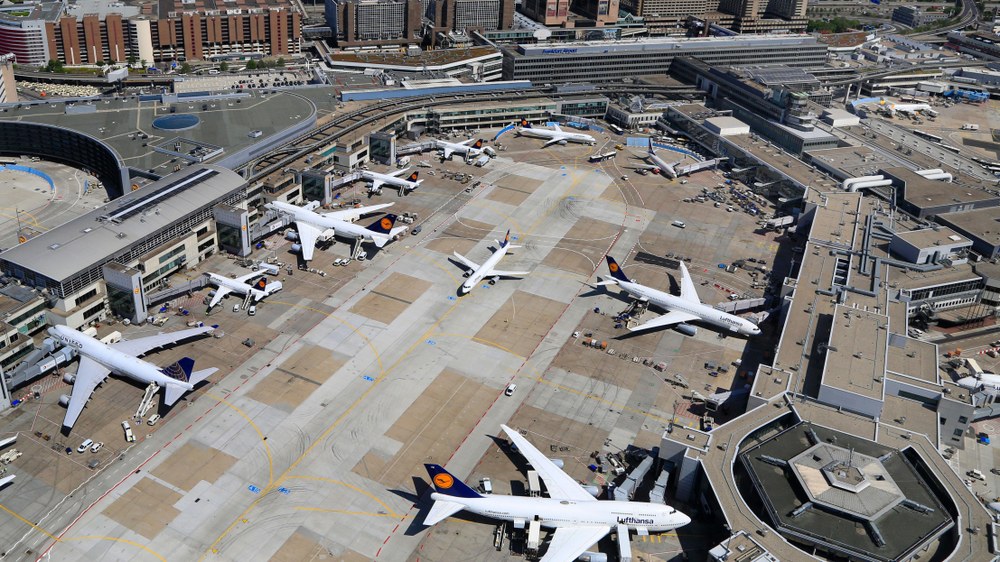
In past decades, implementing engines with noise reducing technologies (such as 3rd generation of turbofan engines) resulted in significant progress towards more quiet and efficient aircraft. Meanwhile, scientists achieved to comprehensively document the noise reaching the ground by these quieter aircraft and are therefore able to predict the impact on future air fleet.
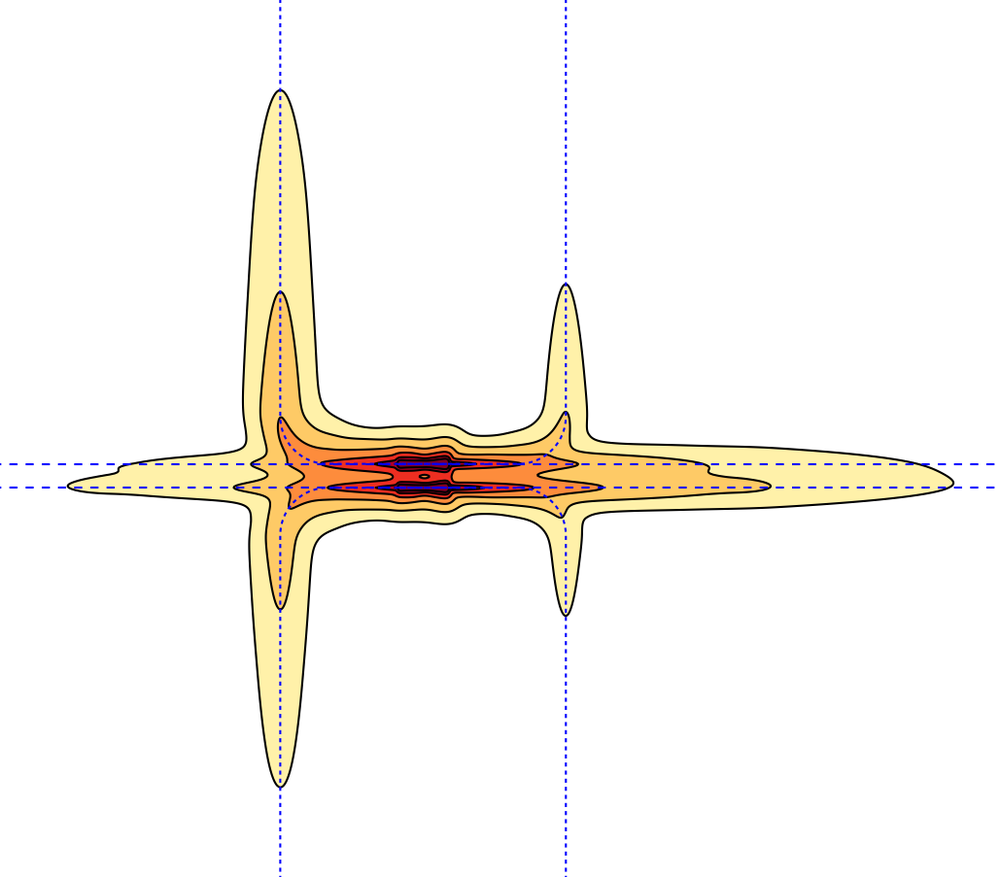
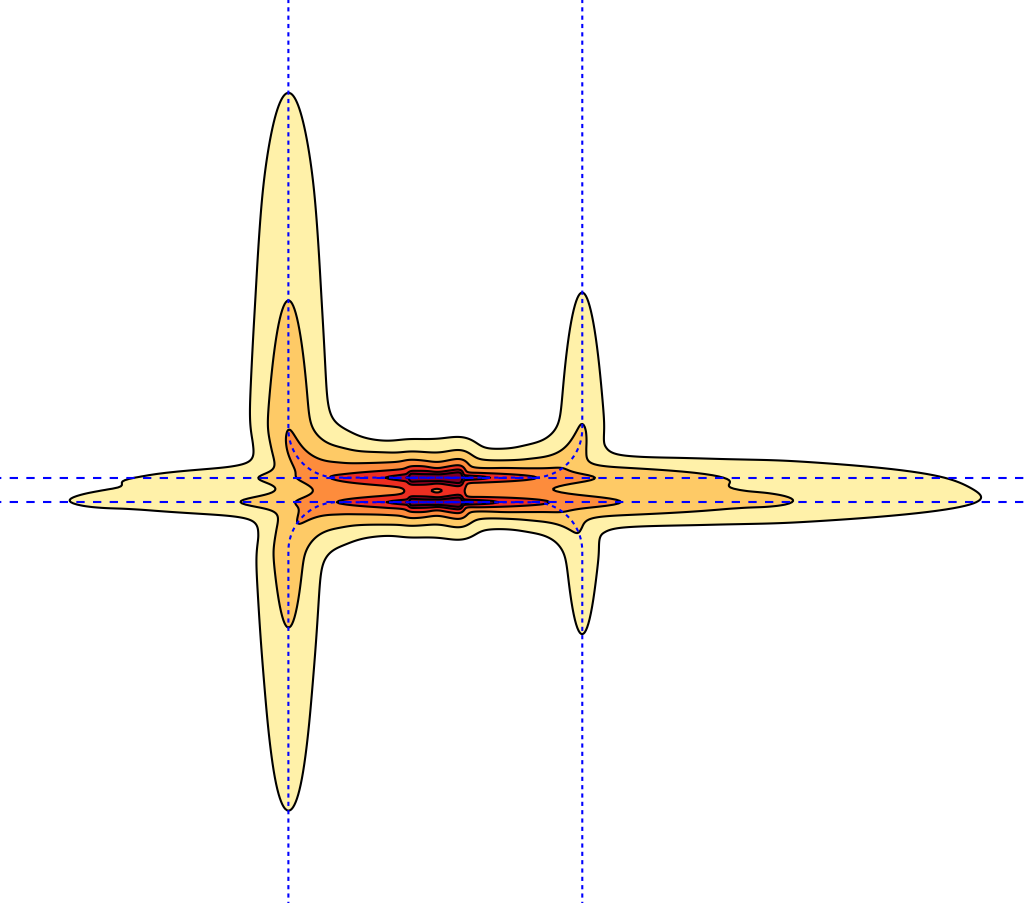
In FluiD-21, the DLR Institute of Aerodynamics and Flow Technology, in cooperation with the project partners, is tasked to calculate and analyze noise immission around representative airports up to the year 2050. Therefore, the scientists perform an analysis of individual uncertainties surrounding aircraft noise calculations. These findings help them to better interpret aircraft noise calculations as well as make recommendations on how aircraft noise calculations can be carried out more adequately, especially at great distances. Hence, low-noise approach and departure procedures, whose implementation is supported by the pilot assistance system LNAS, are investigated.
Calculated aircraft noise immission for a constructed airport with two runways.
In addition, it is crucial to study the influence of possible regulatory measurements on future noise pollution. The population in Germany becoming older needs to be a factor in these considerations. Thusly, investigations into the influence of aircraft noise on older people are a mandatory necessity in order to make a representative general statement about future aircraft noise effects. Overall, FluiD-21 will contribute significantly in realistically describing the practicability of the ICAO’s „Balanced Approach to Aircraft Noise Management“ required by the International Civil Aviation Organization in Germany. It will also help to review political goals (such as ACARE FlightPath 2050 Goals) and to make appropriate recommendations.
Project
FLUID-21 - Entwicklung der Fluglärmsituation in Deutschland im 21. Jahrhundert
Term
1/2020 - 6/2023
Partners
DLR Institute of Aerodynamics and Flow Technology (Lead)