Using psychology in the simulation of missions to the Moon and Mars
| Space
Using psychology in the simulation of missions to the Moon and Mars
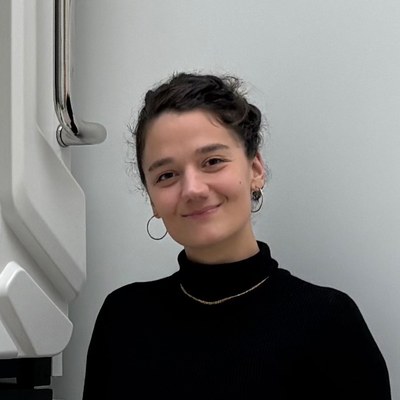
Amelie Therre is a doctor of psychology – a field not typically associated with space. “I’ve always been fascinated by spaceflight and realised I could combine it with psychology – that was a real ‘Aha!’ moment,” she says. The 31-year-old completed her internships at the German Aerospace Center (Deutsches Zentrum für Luft- und Raumfahrt; DLR) and wrote her master’s thesis at the DLR Institute of Aerospace Medicine. “That’s a classic DLR career path,” she adds. After earning her doctorate, she continued working at DLR. Now, together with her colleague Sarah Piechowski-Worms, she co-leads the SOLIS100 isolation study at the institute. Starting in spring 2026, six participants will live for 100 days in a confined area of the large-scale research facility :envihab, with restricted internet access and minimal contact with the outside world. In this interview, she explains how this will affect the Earth-based crew and what responsibilities she will take on before and during the study.
Amelie Therre
Psychologist Amelie Therre- connecting psychology and space
What does isolation do to a person, and how lonely will the participants feel?
Isolation is just one of the many challenges a crew faces during a space mission. The overall environment is described as ‘ICE’ – isolated, confined and extreme. Isolation refers to the absence of the normal social environment found on Earth. The environment is also confined, with limited space, privacy and resources. Crew members have little personal space and live in close proximity to strangers. We want to better understand the effects of such situations. Previous studies have shown that mood and emotions, for example, are affected. The earlier Mars500 experiment reported disruptions on the circadian rhythm – the sleep-wake cycle. As seen during Antarctic expeditions, there can also be a flattening of emotions, where the system partly shuts down, mentally in particular. Naturally, this can impair teamwork and trigger psychological stress, which can in turn affect the body.
If this is already known, what new data can the SOLIS100 study provide?
Many of these findings are not entirely consistent. For example, some studies have found a decline in cognitive performance, while others have not. SOLIS100 is therefore important because there are currently no standardised data collection methods. Existing isolation studies vary enormously in duration, crew composition, mission scenarios and environmental conditions, which makes it difficult to compare their results. With SOLIS100, we aim to implement a highly standardised approach and gather standard measurements selected by an international panel of experts, ensuring future studies can be compared reliably.
How do you recreate the conditions a team would encounter on a mission to the Moon or Mars in the :envihab facility?
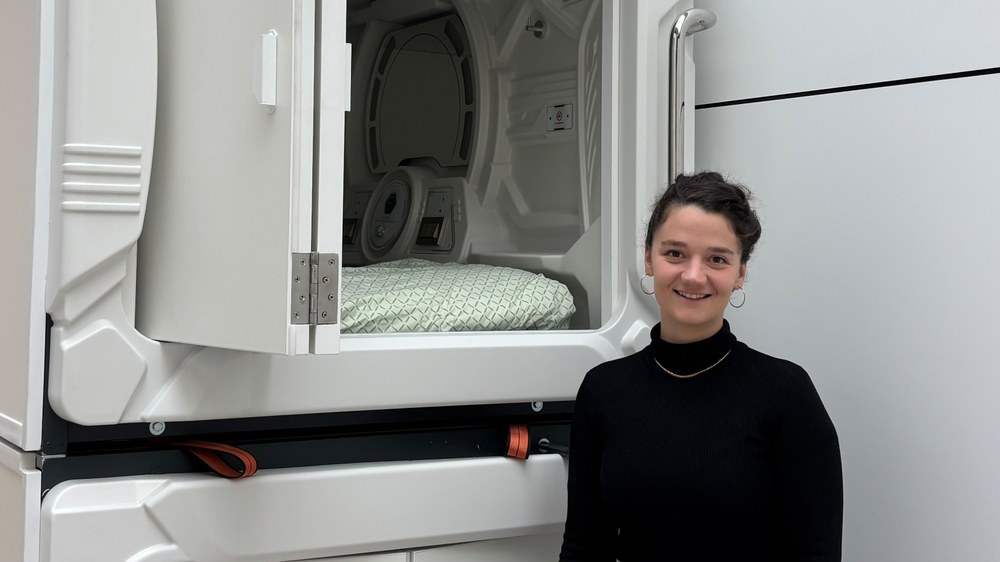
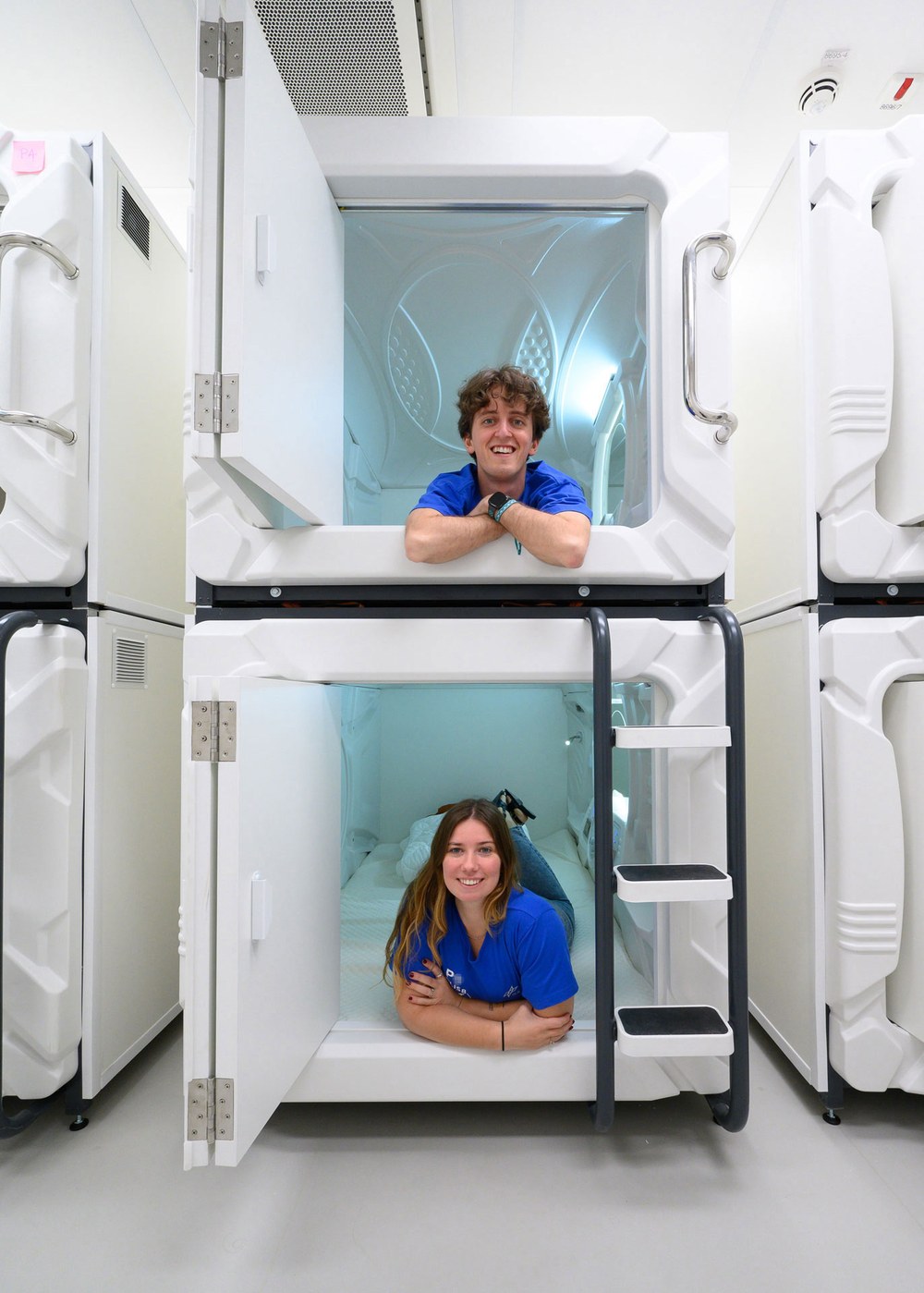
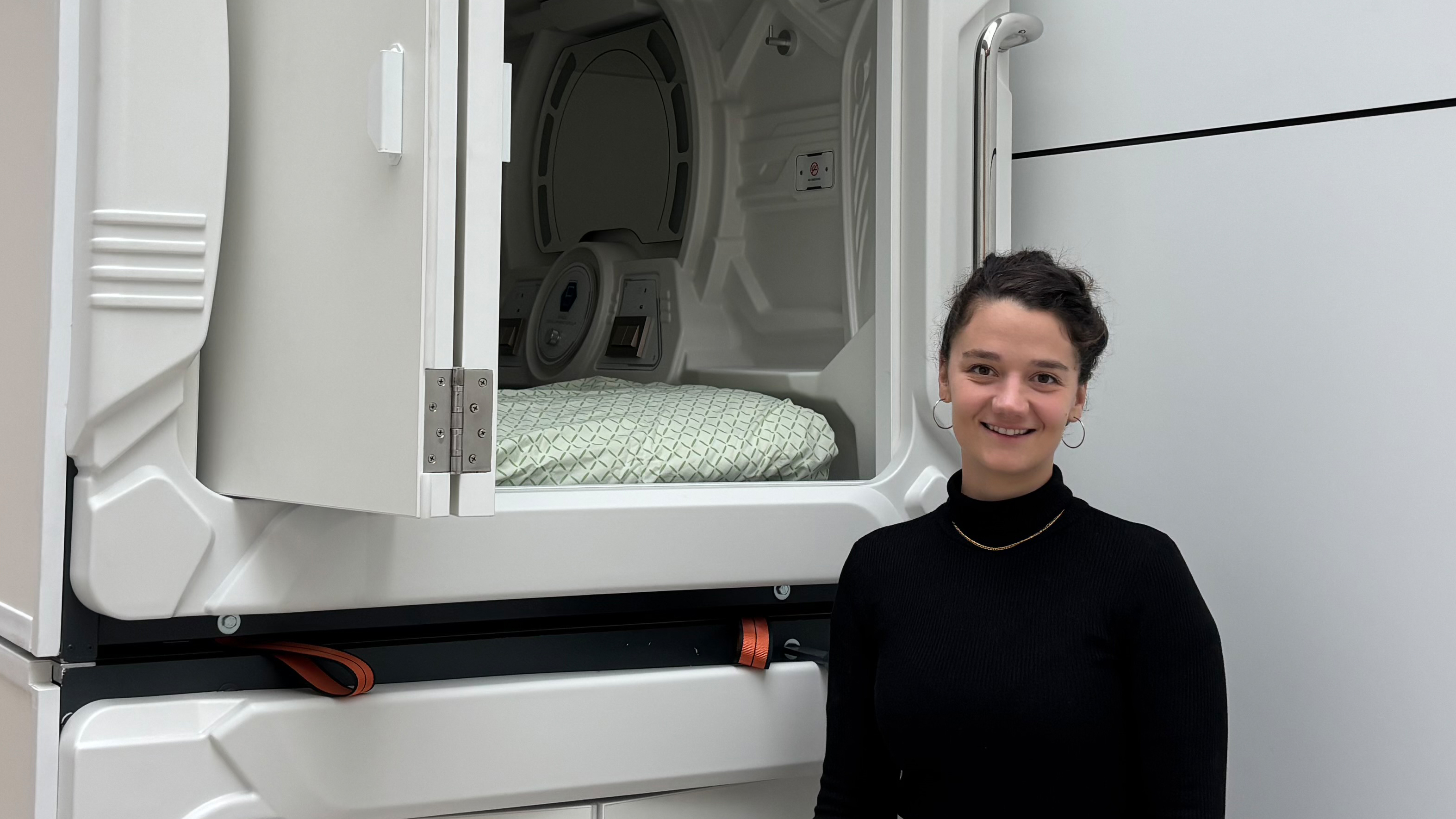
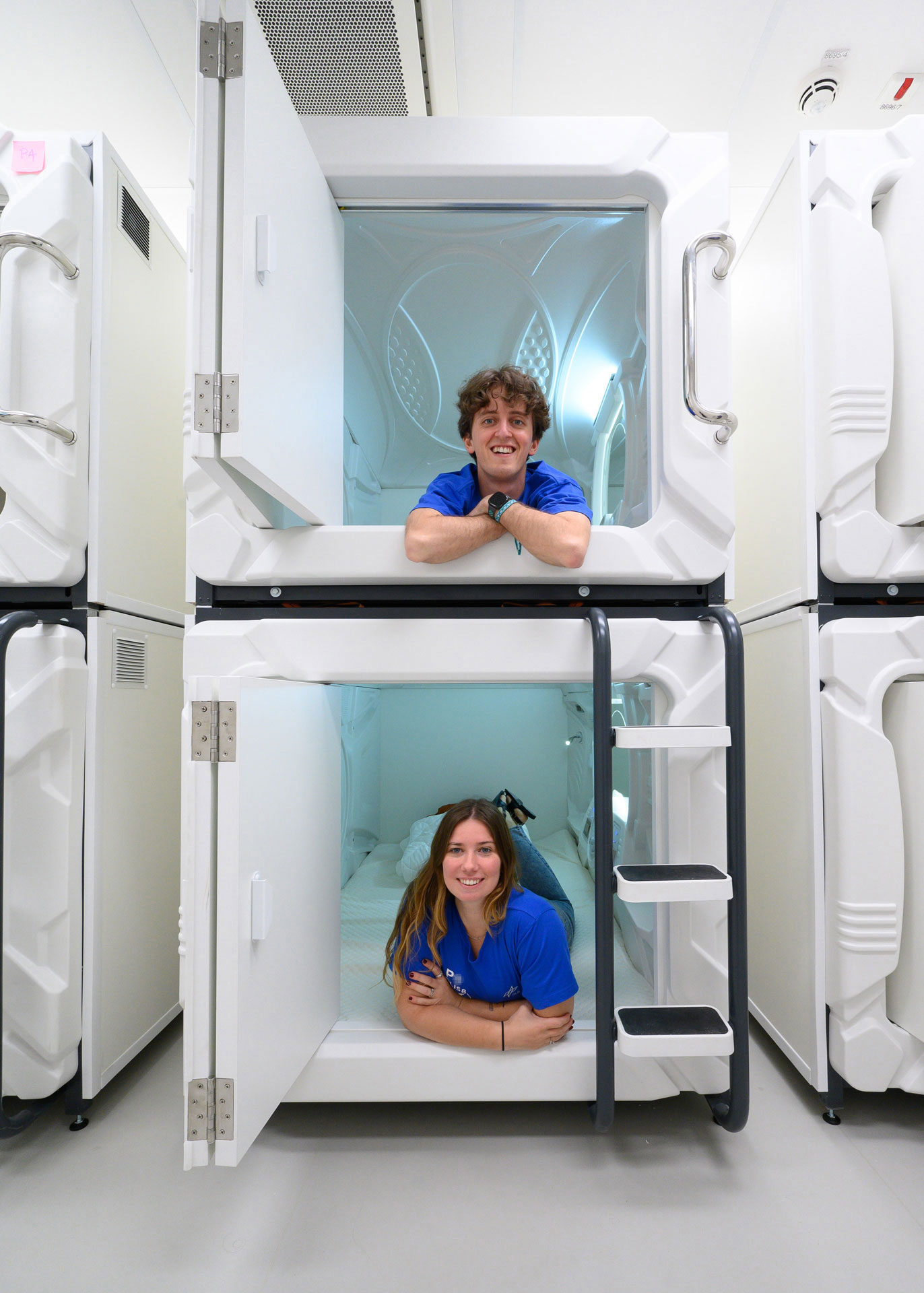
Sleeping pods inside the module
The test subjects' sleeping pods are their only place of retreat.
There is a main living area with six sleeping pods – a confined space for six crew members. The only truly private places are the sleeping pod, and the toilet and shower, of course. All other areas are communal, similar to the conditions on the International Space Station ISS. We also limit resources: crew members may shower only twice per week, for five minutes each time (showers are not available on the ISS at all). Food also plays an important role. All food is non-perishable and stored in the isolation area from the start – there are no fruit or fresh vegetables, just as on a real space mission. Contact with the outside world is very limited: a two-hour video call with family is allowed once per week. The daily routine is highly structured, with numerous experiments and one hour of exercise daily.
What is your role before, during and after the study, which starts in spring 2026?
First of all, SOLIS100 is a large project involving many people. We have ten ‘work packages’ covering nutrition, exercise, recruitment, data management, medical care, the laboratory and infrastructure support. As project manager, a role I share with Sarah, I'm responsible for the overall organisation. We stay in close contact with the European Space Agency (ESA), our client, providing updates in regular meetings. We also work with 23 scientific teams from across the globe, so there's a lot to clarify and coordinate – the equipment needed, the technical requirements and, of course, the planning of biological samples.
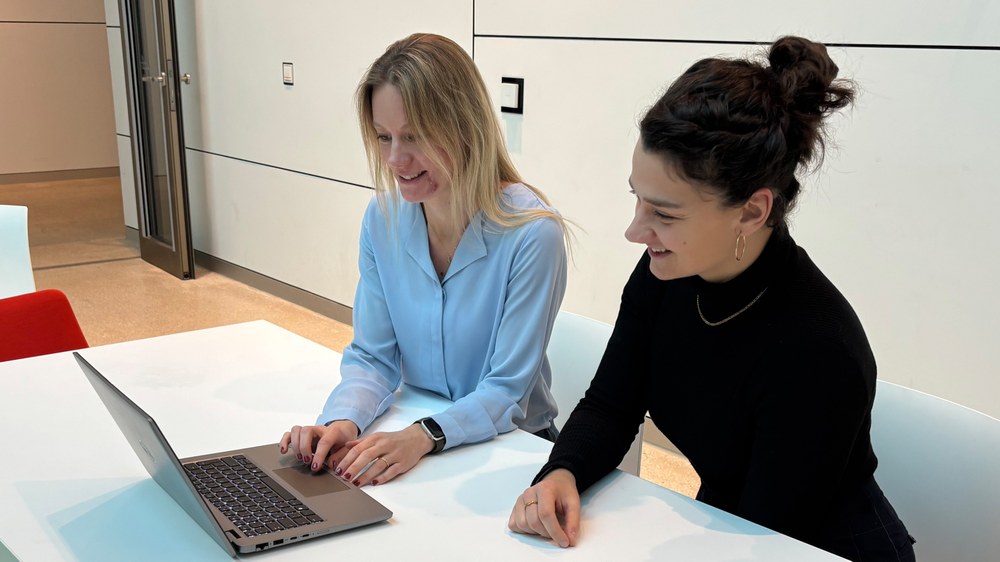
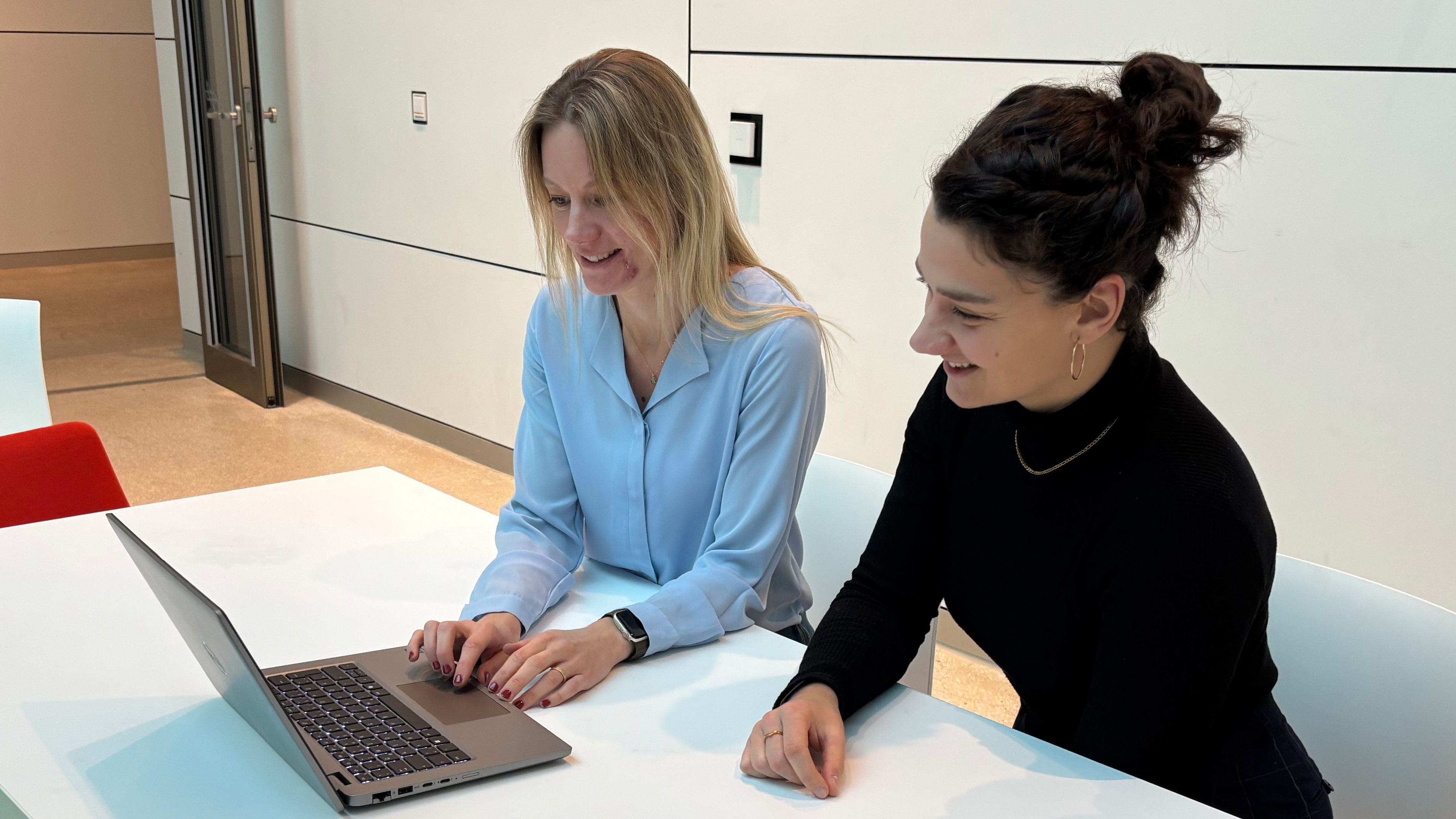
Amelie Therre and Sarah Piechowski-Worms
Are jointly responsible for conducting the study: Amelie Therre (right) and Sarah Piechowski-Worms
I am also heavily involved in recruitment: I conduct telephone interviews, and we are currently selecting candidates for the assessment centre in Hamburg. I create the detailed daily schedules – every task for every participant, every single day. During the study, I will be part of ‘Mission Control’. The crew will be under 24-hour audio and video surveillance for both scientific and safety reasons. Together with Sarah, I am also responsible for deciding whether the door should be opened in exceptional circumstances and thus break the isolation.
What qualities must the test subjects possess?
ESA has set strict selection criteria. Candidates must have at least a bachelor's degree and professional experience, and preferably a master's degree. The age range is 25 to 55. We are looking for ‘analogue astronauts’ who resemble a real astronaut crew as closely as possible – a mix of men and women, with an international background. Physical fitness, mental stamina and good health are also essential. Just as important is intrinsic motivation: participants must genuinely want to contribute to science and space exploration through their participation. They must also be team players, and not lone wolves. Many of these criteria are designed to help minimise the risk that isolation will need to be interrupted or that a participant might choose to leave the study prematurely.
Have you ever been in a similar situation to the participants in the study?
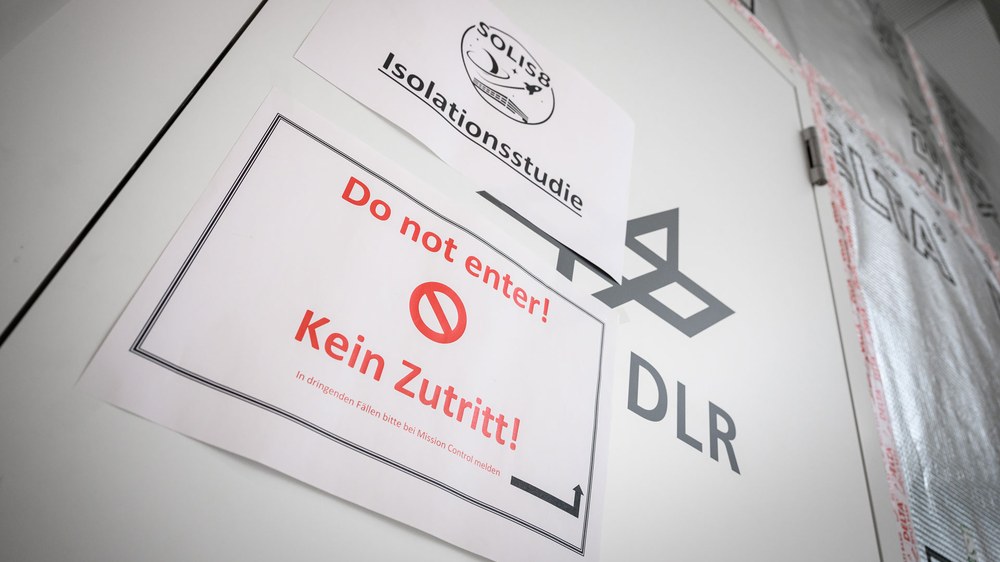
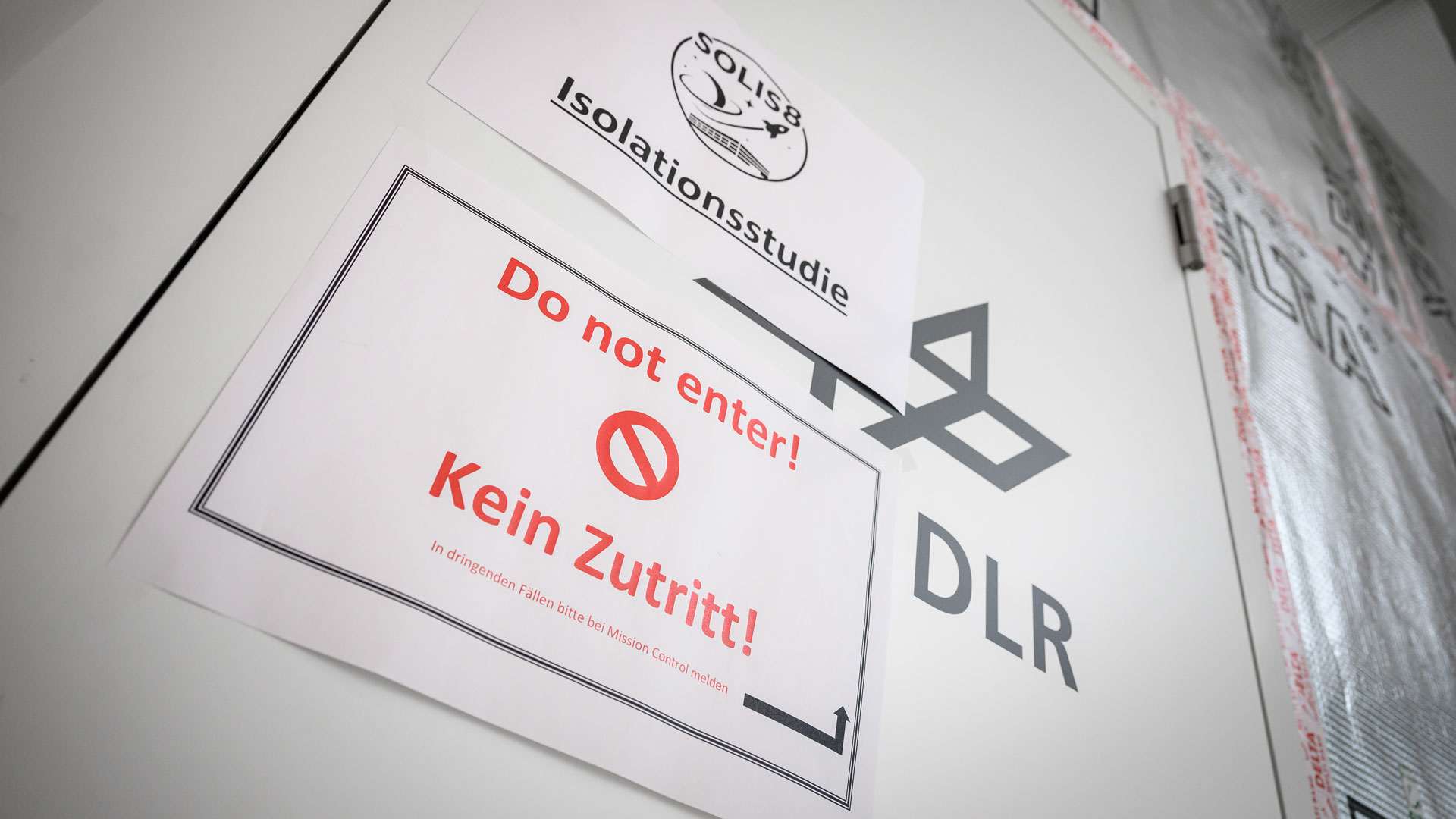
No access to the isolation study
Little contact with the outside world - that is the main condition for the isolation study.
No, not really. A possible comparison that many people might relate to is perhaps the COVID-19 lockdowns, when we were told to stay at home and spent long periods alone or with our immediate family. Of course, our study goes further: contact with the outside world is even more restricted, contact with strangers is the only constant, and resources are limited. But perhaps everyone got at least a small taste of social isolation during the pandemic.
Would I apply? I'm definitely better suited to supporting SOLIS100 from the outside!
How large is the DLR team that will be looking after the six study participants?
All ten work packages remain active throughout the study. The data management team, for example, must ensure that data transfers run smoothly and reliably. So across all work packages, at least 20 people will be involved. The ‘Mission Control’ team, with its day and night shifts, will certainly require another ten staff members. A large team will support the SOLIS100 study, ensuring the participants and the research teams can carry out their work.
What experiments are included?
One example is the AI-assisted ultrasound, which is being tested to allow astronauts to examine themselves during missions. Sleep is being researched, including the effects of stress and isolation on sleep cycles. Several experiments focus on cognitive performance, such as controlling a robotic arm. We collect numerous biological samples to investigate parameters such as stress. Teamwork is also another area of interest – for example, how the crew makes decisions. SOLIS100 is a purely observational study, meaning that no controls are being tested or investigated; we only collect observational data. This could, however, change in future studies using the same standardised parameters.
If you did not work at DLR and saw a vacancy like this, would you apply or is it not for you?
I've asked myself that too! Maybe I would have applied a few years ago, but today I wouldn't want to be isolated from my surroundings. I really enjoy sports, cooking, walking, painting, playing the piano, reading... I have lots of creative hobbies. I’m definitely better suited to supporting SOLIS100 from the outside!