100 days on Phobos – operations planning for the Idefix® rover on the Martian moon
| Space
100 days on Phobos – operations planning for the Idefix® rover on the Martian moon
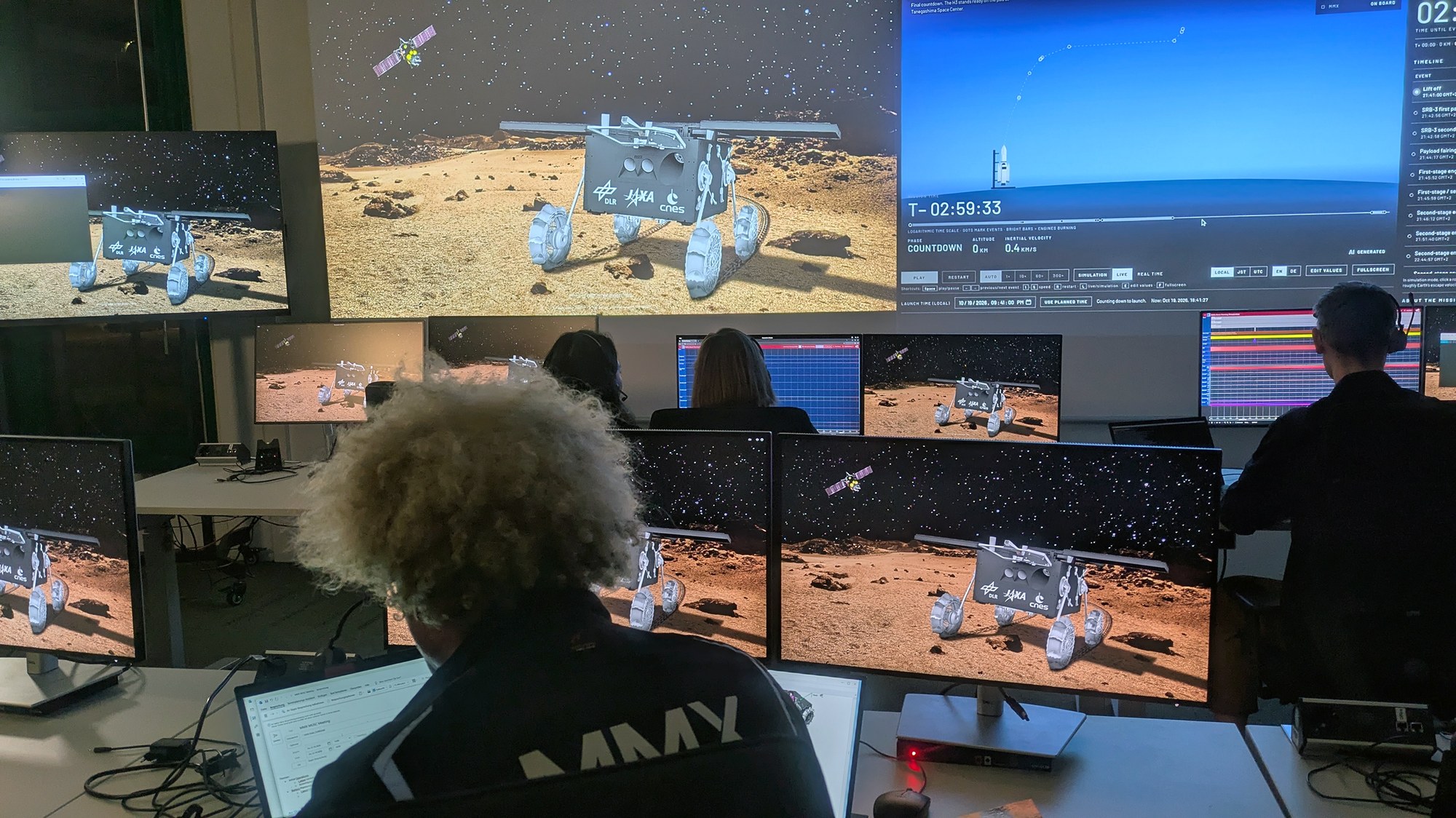
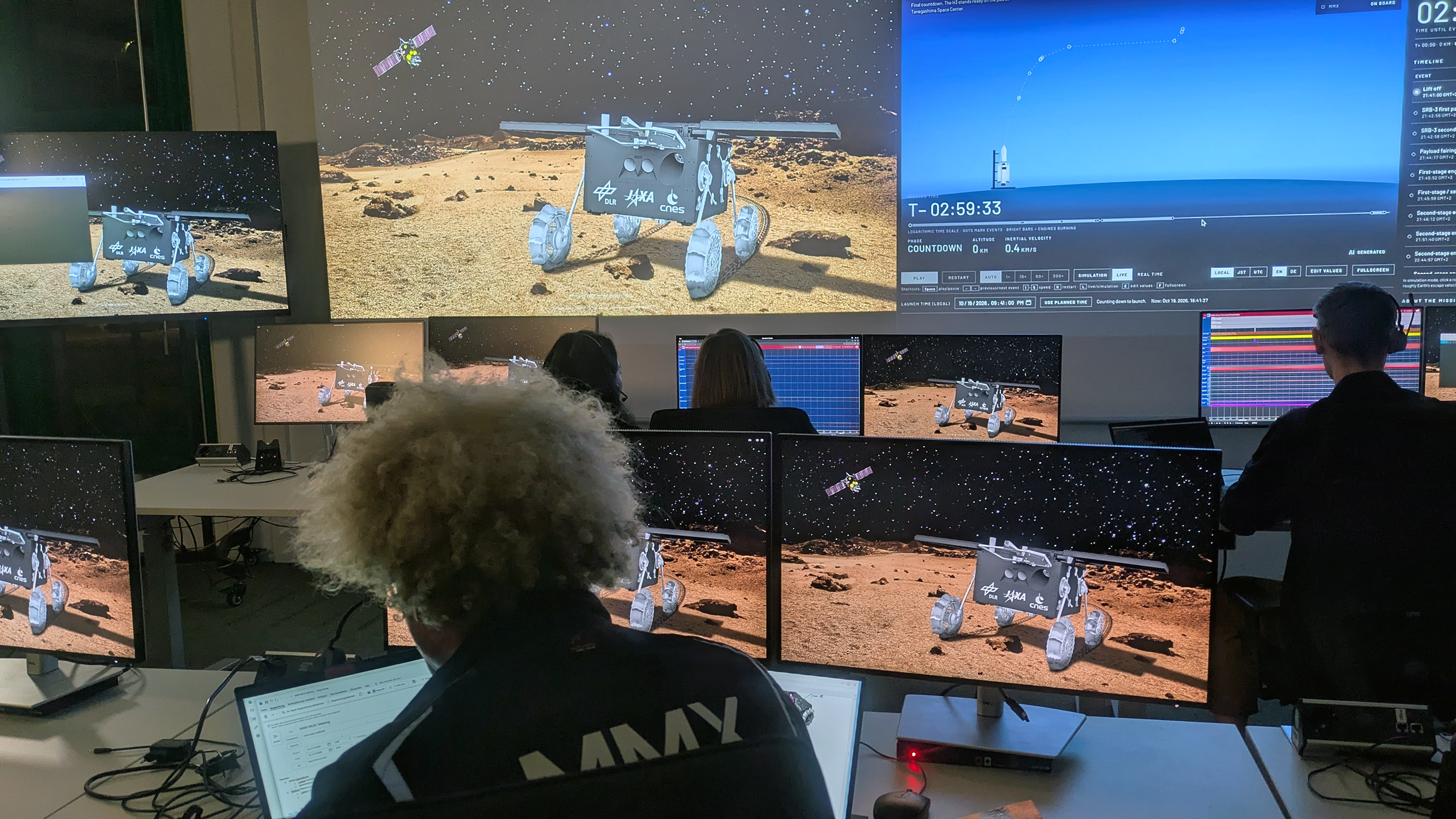
The lander and rover control centre at MUSC
The activities of the Idefix® rover on Phobos will be planned and operated from the Microgravity User Support Center (MUSC) in Cologne, together with the French control centre in Toulouse. The two centres will take turns carrying out the rover operations. Alongside an image of the rover, the screens show a simulation of the H3 rocket launch, with the countdown, trajectory and individual phases of the launch.
On 19 October 2026, a H3 rocket carrying the MMX (Martian Moons eXploration) spacecraft lifted off from the Tanegashima Space Center in Japan. This international mission is led by the Japan Aerospace Exploration Agency (JAXA). The spacecraft will investigate the two Martian moons, Phobos and Deimos, collect samples from Phobos and return them to Earth in 2031. Before that, the Idefix® rover – jointly developed by the German Aerospace Center (DLR) and the French space agency CNES (Centre national d'études spatiales) – will explore the surface for approximately 100 Earth days. How much we learn will depend not only on the instruments on board, but also on the people in Cologne and Toulouse who are preparing its operations.
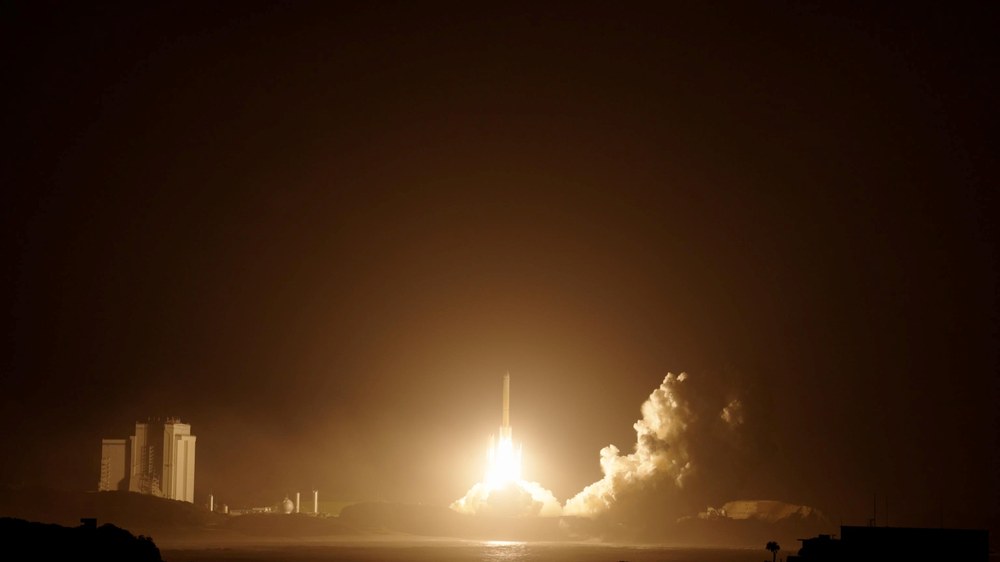
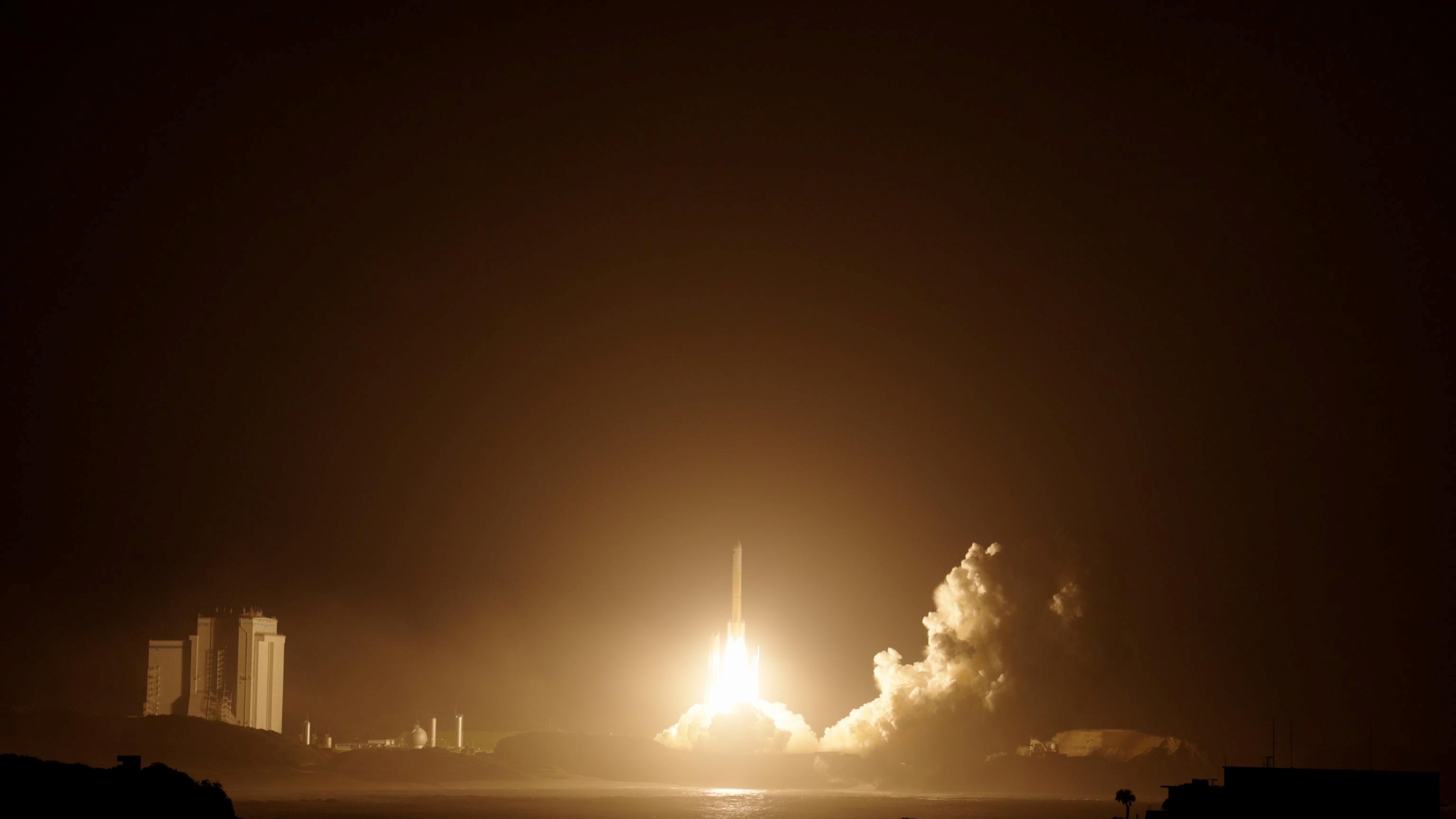
Successful launch of the H3 rocket with MMX on board
On 19 October 2026 at 21:41 CEST, the Japanese MMX (Martian Moons eXploration) spacecraft lifted off on schedule on board an H3 launch vehicle from the Tanegashima Space Center.
I work in communications and public relations at MUSC, the Microgravity User Support Center in Cologne. From here, we will plan and operate the rover's activities on Phobos together with the French control centre in Toulouse. The two centres will take turns to carry out the rover operations. Our tasks will focus in particular on planning the rover's driving routes and scientific measurements, preparing and checking command sequences and analysing the data received. In doing so, we must consider factors such as the available energy, temperatures and the communication opportunities via the MMX spacecraft.
In the control centre, I like to find a spot from which I can see not only the incoming data on the large white projection screen, but also the faces of my colleagues in front of their monitors. I watch their concentration, sometimes their joy, sometimes their tension. They belong to a small group of people who have the privilege of being the first to see images and measurement data from places no human has ever set foot.
Idefix® rover
Idefix® is scheduled to land on the Martian moon Phobos as part of the Martian Moons eXploration (MMX) mission and explore it by driving across its surface – despite the moon's extremely low gravity. The Japanese MMX mission targets both Martian moons Phobos and Deimos. The MMX spacecraft will explore both bodies and ultimately return samples from Phobos to Earth.
The next challenge lies ahead of them. On Earth, driving a small robot a few metres seems simple. On Phobos, even a movement like this will have to be planned carefully. The ground conditions, energy available, temperature and the next communication opportunity must all be taken into account. Once the commands have been sent, the people controlling the rover will not be able to immediately correct each movement – they will have to wait to find out what has happened.
Where do the moons of Mars come from?
Mars with its moons Deimos (above) and Phobos
Mars' two moons, Deimos (above) and Phobos, are the targets of the MMX mission. Due to their small size (Phobos 27 kilometres, Deimos 15 kilometres), both moons are irregularly shaped. Their origin is still an unsolved mystery in planetary research. (image montage)
Why go to all this trouble? Phobos and Deimos, the two small moons of Mars, remain a puzzle to this day. Are they former asteroids captured by Mars' gravity? Or did they form from material ejected into space by a huge impact on the young Mars? So far, neither of these hypotheses has been conclusively confirmed. If everything goes to plan, this will be an unprecedented event: for the first time in history, a spacecraft will return samples from the surface of a Martian moon to Earth.
According to the current plan, the MMX spacecraft will descend to as close as approximately 40 metres above the surface of Phobos, around the turn of 2028/2029. Idefix®’s landing will be very different from that of many vehicles sent to Mars. There will be no parachute. On Phobos, which has no atmosphere, it would not work anyway. Instead, a spring mechanism will push the rover away from the spacecraft, giving it a low relative velocity. Idefix®, which weighs approximately 25 kilograms, will then fall freely to the surface.
Phobos
Since the first detailed images of Phobos, the Martian moon, less than 30 kilometres across, has been a mystery of planetary research. Its formation is as mysterious as the origin of the linear grooves on its surface.
On first contact with the ground, it could bounce several times. Once it has finally come to rest, it must autonomously right itself onto its wheels and deploy its solar panels. Only then can its actual work begin. Gravity on Phobos is approximately 2000 times weaker than on Earth.
A movement that is too abrupt could cause the wheels to lose contact with the ground. That is why the typical planned driving speed of Idefix® is just one millimetre per second. This slowness is not a sign of weak design – it is essential for moving cautiously across almost unknown terrain.
Idefix® will not communicate directly with Earth. Commands and measurement results will be relayed via the MMX spacecraft, and the connection will depend on the spacecraft's position relative to the rover at any given time. As a result, the operators will only be able to see the consequences of some actions once the next batch of data arrives. Sequences must therefore be planned in advance – sometimes several days ahead.
Mechanical clockwork on a cosmic scale
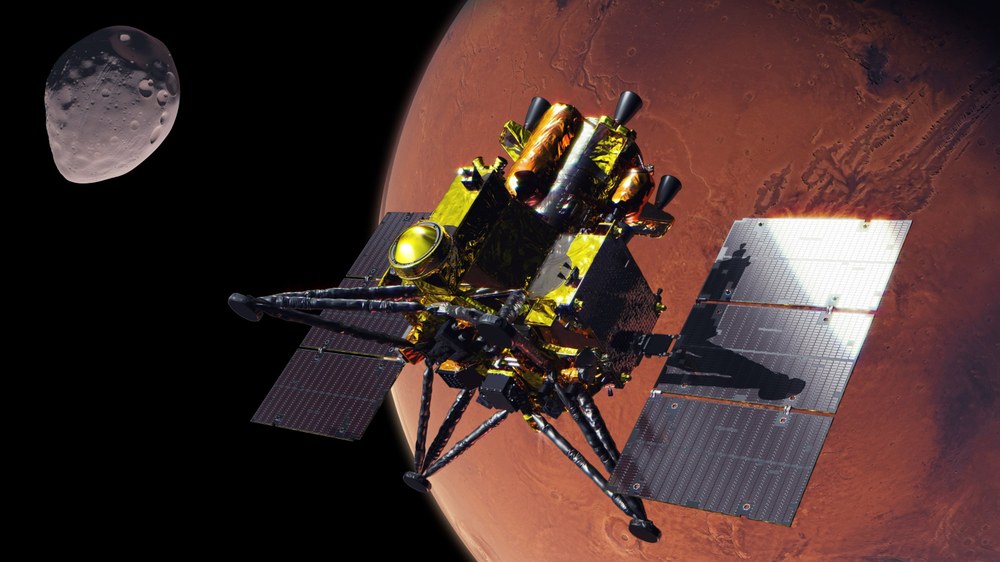
MMX spacecraft
The MMX spacecraft consists of three modules. The exploration module has landing legs, samplers and some instruments as well as the MMX rover on board. The exploration module is connected to the return module with the sample return capsule, which in turn is connected to a propulsion module housing propellant tanks and thrusters.
This interplay reminds me of a mechanical clock, in which several components each move to their own rhythm. Phobos orbits Mars, the spacecraft changes its position relative to the moon, and Mars and Earth follow their orbits around the Sun. All of these movements determine when communication is possible and how long it can last.
Sunlight is just as important. The amount of energy that can be stored in Idefix®'s batteries depends on how much sunlight falls on the solar panels. This energy powers the motors, the on-board computer, the scientific instruments and the communication systems. Even a short drive might need to be followed by a pause to recharge. An additional measurement only makes sense if there is still enough energy left afterwards for further activities and for the safe operation of the rover.
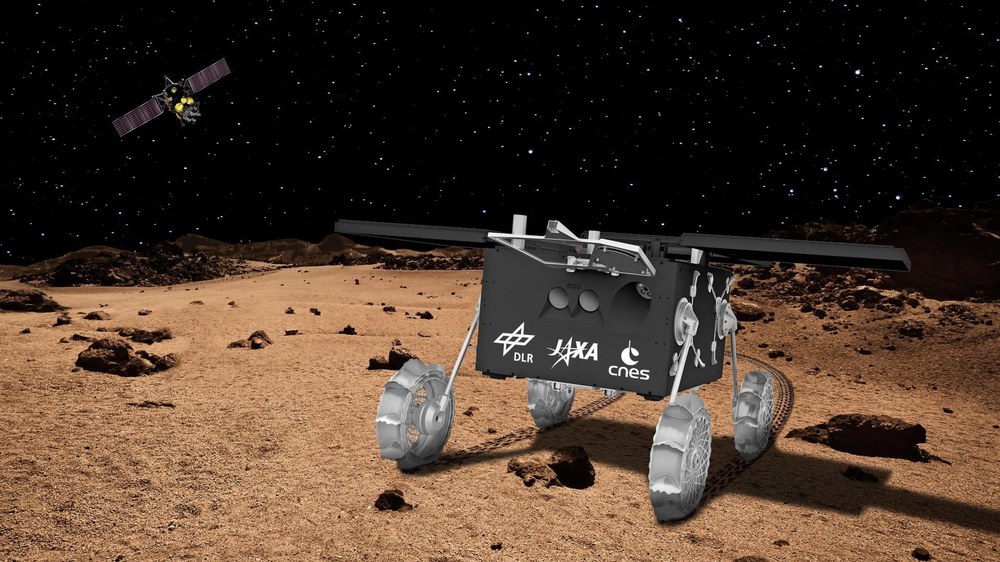
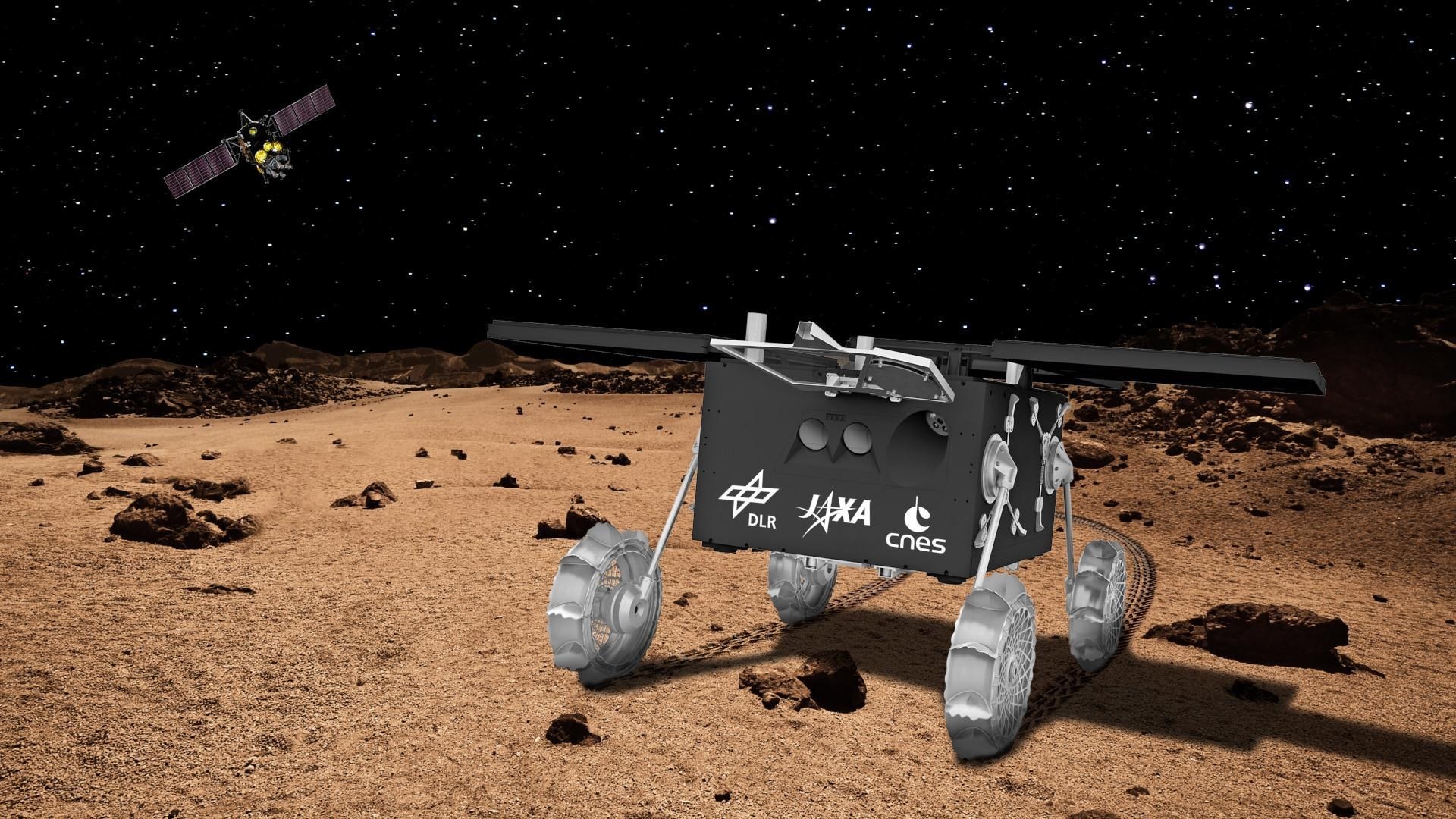
Artist's impression of the Idefix® rover for the Martian Moons eXploration (MMX) mission
On the Martian moon Phobos, the Idefix® rover will be exposed to the extreme conditions of space.
I find the question of temperature particularly interesting, because each individual device has different requirements. The RAX (Raman spectrometer for MMX) instrument was designed to operate in temperatures between approximately minus 40 and plus 5 degrees Celsius. Cooler conditions – such as approximately minus 20 degrees Celsius – can improve the quality of its measurements. This is because, as the temperature falls, some of the interference in the detector, 'electronic noise', decreases. This noise makes it harder to distinguish weak measurement signals from the background noise.
However, what benefits a scientific instrument is not necessarily good for other components. The electronics and mechanical components each have their own permitted temperature ranges. Sometimes a heater has to be switched on, while other times it is better to wait for more favourable sunlight. But heaters also consume energy, which might then be unavailable for a drive or a measurement. As a result, even the decision about when to switch on a single device can require the entire operations plan to be reviewed.
RAX and miniRAD instruments investigate the surface of Phobos
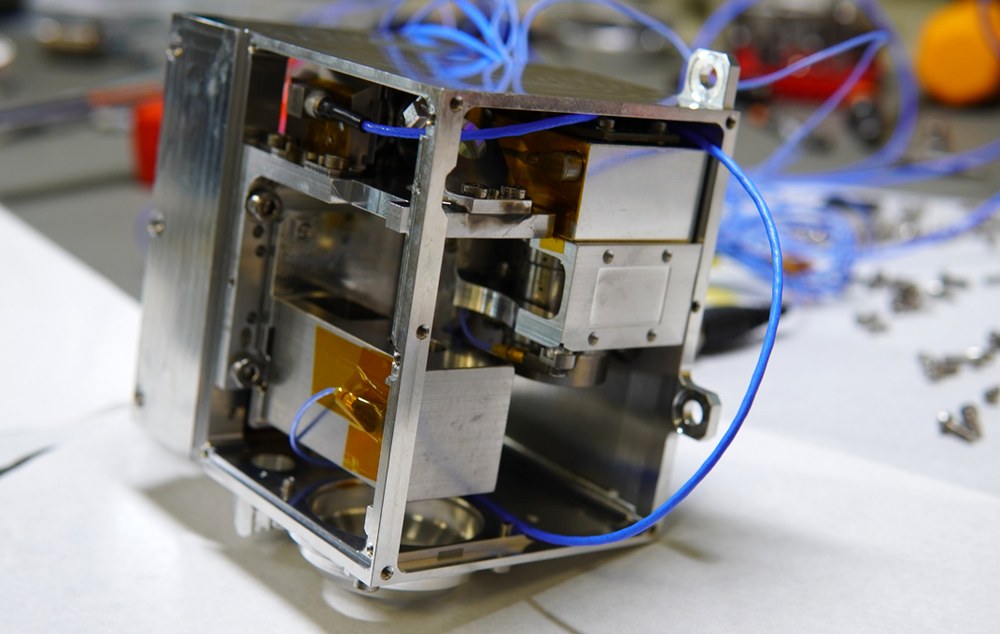
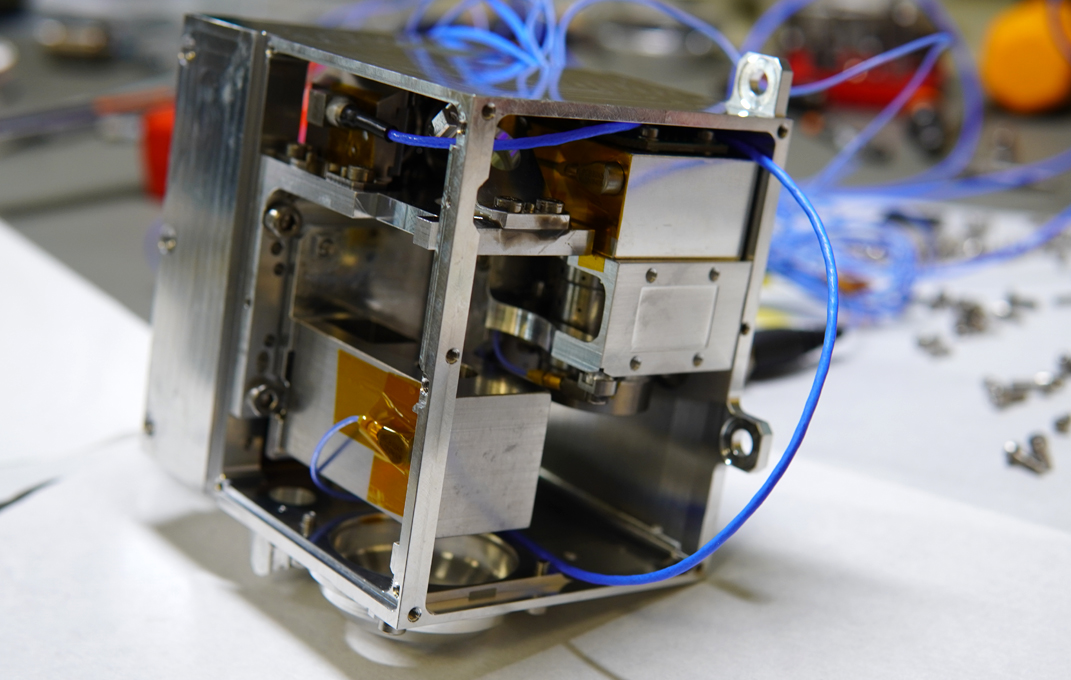
Engineering model of the RAX (Raman Spectrometer for MMX) Spectrometer Module (RSM)
Let's imagine that the images transmitted by Idefix® show an area of ground that the researchers find particularly interesting. They want to find out which minerals are present there.
This is where the RAX Raman spectrometer comes in, which uses laser light to identify properties of the material being analysed.
However, it is not enough to simply send the command 'take measurement'. The rover must first position itself correctly above the target and lower its body so that the instrument is at the required distance from the ground. Images of the target site also have to be taken, and the instrument's temperature, the available energy and the timing of the next communication link all have to be considered. If new images show that the terrain is more challenging than expected, the plan will have to be adjusted.
miniRAD radiometer for the MMX mission
The sensor head of the miniRAD radiometer with an aperture for stray light suppression and the apertures for the six sensors. To thermally decouple the sensor head from the rest of the MMX rover Idefix®, a thermally insulating support structure and a ribbon cable with a small copper cross-section are used.
Idefix® will also carry miniRAD, the 'Miniaturized Radiometer', which measures the thermal radiation emitted by the ground. Navigation cameras will show the terrain ahead of the rover, while cameras pointed at the wheels will observe how the ground deforms as it drives. This information will not only help us to better understand the surface of Phobos, but will also help to prepare for the subsequent landing of the MMX spacecraft and the sample collection.
This is why the teams are already rehearsing these procedures on Earth, using models, prototypes and simulations. This makes it possible to identify difficulties before the rover reaches a place where no one can fix it. Even so, the extremely low gravity of Phobos cannot be fully replicated on Earth, so the first images and measurement data from the surface could force the operators to rethink some of their assumptions.
One hundred days on Phobos will not automatically solve the mystery of its origin. But they could provide clues that help us to better understand this distant world. Before the little robot makes its next move there, we will have to answer three simple questions: Is it possible? Is it safe? What can we learn from it?
Two control centres and the people in front of the screens
MMX – Japanese-German-French collaboration on Mars
This mission is also a reminder that major space projects are never achieved alone. A Japanese spacecraft, a German-French rover, instruments and teams from many countries – all contributing their own knowledge and experience. I am originally from Poland and have worked at DLR in Cologne for a quarter of a century. Perhaps that is why I am particularly aware of the value of this collaboration. I am moved time and again by the mutual respect with which experts assess each other's work and abilities, regardless of the country they come from. On maps of Earth, borders are clearly drawn; from space, however, we cannot see these human-made lines. Here in the MUSC control centre in particular, this thought takes on a special meaning for me. International collaboration is not just a nice extra on this mission – it is one of the prerequisites for its success.