LU(FT)² 2030
Quiet, environmentally friendly transport aircraft through advanced technology simulation for 2030
DLR's ability to evaluate and predict noise reduction measures will be demonstrated and improved. Direct application proximity plays a central role here, which is demonstrated by the interaction of existing flight tests, new wind tunnel tests, simulation and subject tests.
The project is working on a comprehensive chain from existing measurement data to virtual proposals for significantly quieter aircraft that remain highly efficient and have a high degree of maturity for rapid deployment:
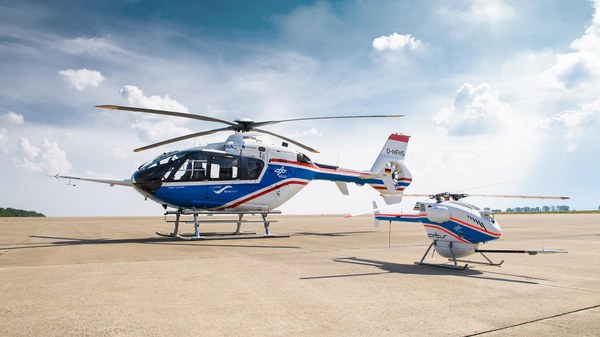
- Use and further evaluation of existing overflight measurement data from LNATRA (DLR project)
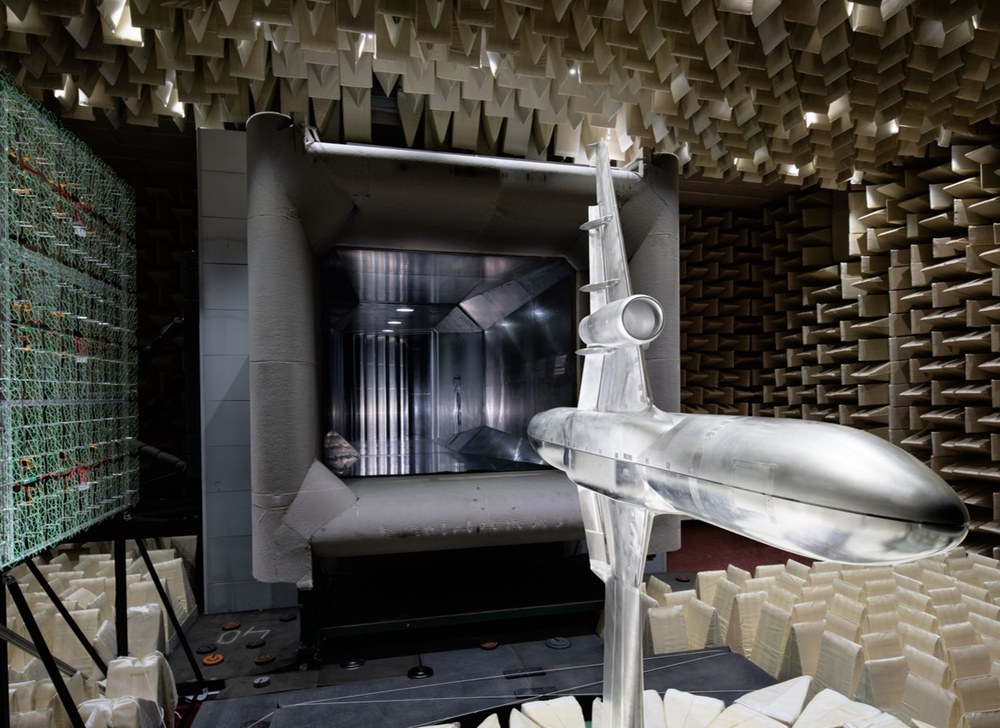
- Expansion of the validation database through LNATRA measures in the wind tunnel, including an acoustically similar engine simulator
- High-precision recalculation of noise reduction measures for validation purposes and completion of the methods
- Hearing study to be able to evaluate noise reduction measures as they might affect residents
- Well-founded evaluation of measures that could not be flown in the LNATRA campaign and proposals for additional measures
- First steps towards acoustic optimization of noise reduction technologies
- Holistic assessment including consideration of air traffic and uncertainties
The end result is a well-founded validation data set that includes flyover measurements, wind tunnel data, simulation and auditory experience. It will enable DLR to evaluate low-noise aircraft technologies in their entirety in a scientifically reliable virtual way. These capabilities are already to be demonstrated for initial measures and ideas. The result forms the starting point for further improvement of noise reduction measures with high prediction accuracy
In addition, a unique data set is to be created that includes the use of noise reduction technologies at various levels:
- Overflight measurement data: Extremely realistic, but maximum scatter and uncertainties
- Wind tunnel measurements: Less realistic, but greatly reduced scatter and uncertainties due to laboratory conditions
- Simulation: Virtual, but extremely detailed insights into the physics and mechanisms of noise generation
- Subject tests: Transferability of theoretical results to the actual effect on people and the environment
Data preparation
Here, existing data from the LNATRA project is processed as required for the project. Furthermore, the wind tunnel results from WP1.2 and WP1.3 are further evaluated. This includes, for example, cyclostationary analysis methods, the investigation of noise sources of the electric motor and the verification of the electromagnetic compatibility of the measurement technology used.
- Identification of sound sources of the electric motor
- Checking acoustic measurement technology for EMC compatibility
Measures for quieter approach/departure procedures
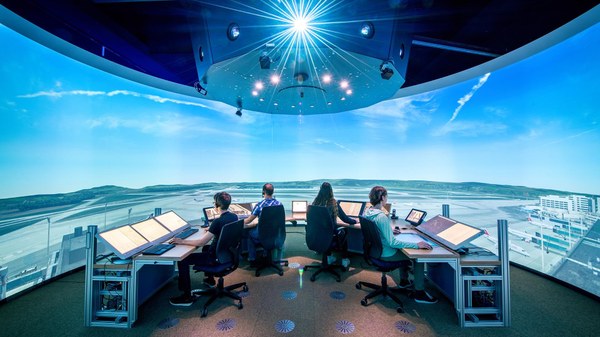
The aim here is to investigate how noise emissions on the ground can be changed by adapting approach and take-off procedures. In particular, measures on the aircraft that enable even quieter flight procedures are to be investigated. Promising flight procedures are being tested on an A320 basis at AVES.
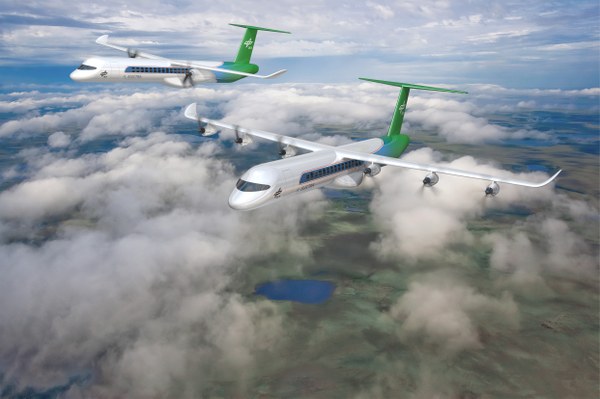
- Investigation of the possibilities and limitations of future electric drives from a technological, noise and operational perspective
- Evaluation of the measures with the expected noise and flight performance effects
Project period
January 2024 - December 2027
Project management
Institute of
Aerodynamics and Flow Technology, Institute of
Propulsion Technology