Around 2.1 billion people worldwide still cook with wood or charcoal. This causes serious health impacts, puts pressure on the environment, and exacerbates social inequalities. With Solar Cooking, the DLR is developing an innovative thermal storage technology to make renewable solar energy available for clean and reliable cooking.
The Challenge: Cooking Without Clean Energy
In vielen Ländern des Globalen Südens ist die Nutzung von Biomassebrennstoffen wie Holz und Holzkohle nach wie vor die wichtigste Energiequelle zum Kochen. Diese starke Abhängigkeit hat erhebliche gesundheitliche, ökologische und sozioökonomische Folgen. Traditionelle Kochmethoden setzen Haushalte schädlicher Luftverschmutzung in Innenräumen aus, die nach Angaben der Weltgesundheitsorganisation (WHO) weltweit jährlich rund 2,9 Millionen vorzeitige Todesfälle verursacht. Darüber hinaus tragen sie zur Abholzung der Wälder bei und verursachen insbesondere für Frauen und Kinder in ländlichen Regionen einen erheblichen Zeitaufwand für das Sammeln von Brennholz. Die dafür aufgewendete Zeit steht nicht für Bildung oder Erwerbstätigkeit zur Verfügung und kann dadurch bestehende soziokulturelle Ungleichheiten weiter verstärken. Zwar steigen vor allem in städtischen Gebieten immer mehr Haushalte auf moderne Energieträger wie Flüssiggas (LPG) oder Strom um, doch werden deren flächendeckende Verbreitung häufig durch hohe Kosten, eine unzureichende Energieinfrastruktur sowie kulturelle und soziale Faktoren erschwert.
Our Solution: High-Performance Thermal Storage for Solar Cooking
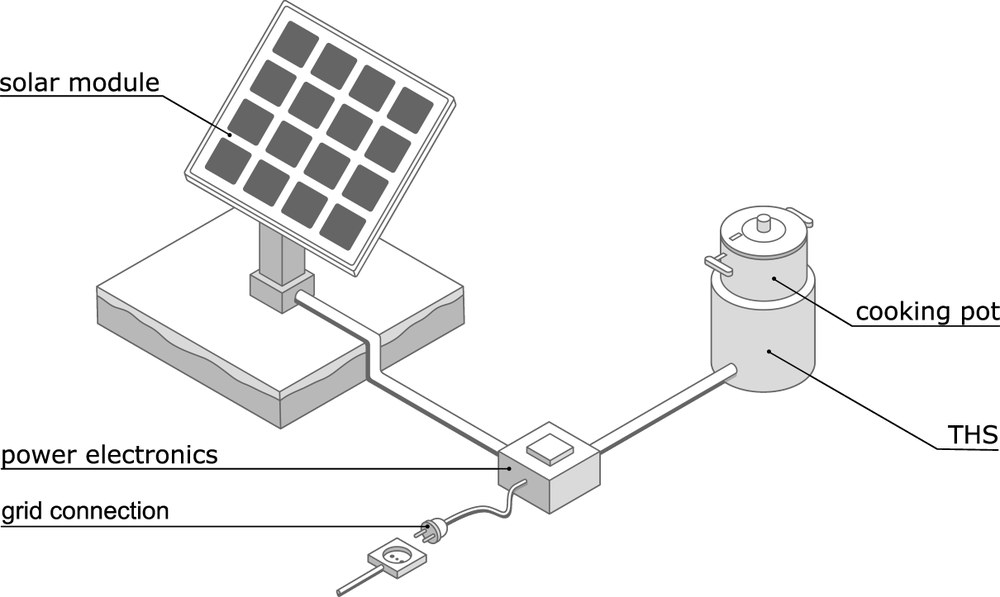
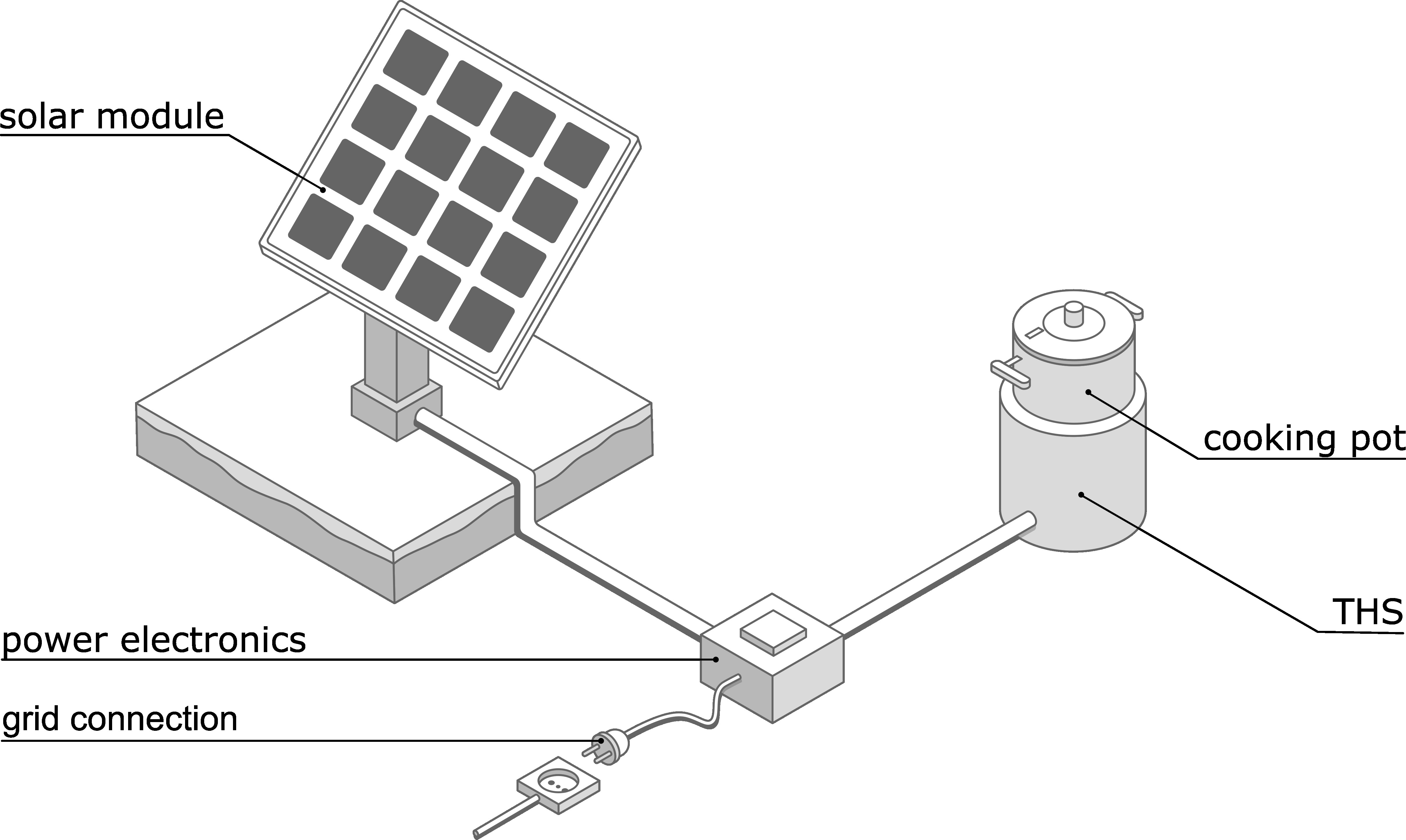
Solar Cooking is based on the operating principle of high-performance thermal storage systems (HTS), originally developed for heating the interiors of electric vehicles. To operate, the storage system must be connected to at least one power source, such as a PV module or the electrical grid. An electric heating element converts electrical energy into heat, which is then stored in the HTS. During this process, the metallic phase-change material heats up and begins to melt at 577°C. Once the entire storage material has melted, the maximum storage capacity is reached, and cooking can begin.
The Solar Cooking technology enables a sustainable and reliable energy supply for cooking — independent of fossil fuels and unstable electricity grids. By using stored solar energy, cooking can be carried out cleanly and without harmful smoke emissions, reducing health risks within households. At the same time, the technology helps reduce the consumption of wood and other traditional fuels, thereby contributing to the protection of natural resources. Compared to battery-electric solutions, the thermal storage system does not require critical battery materials, offering a more resource-efficient alternative. With the potential for cost-effective, durable, and recyclable energy storage, Solar Cooking can make an important contribution to sustainable energy supply and improved living conditions in regions without reliable energy infrastructure.
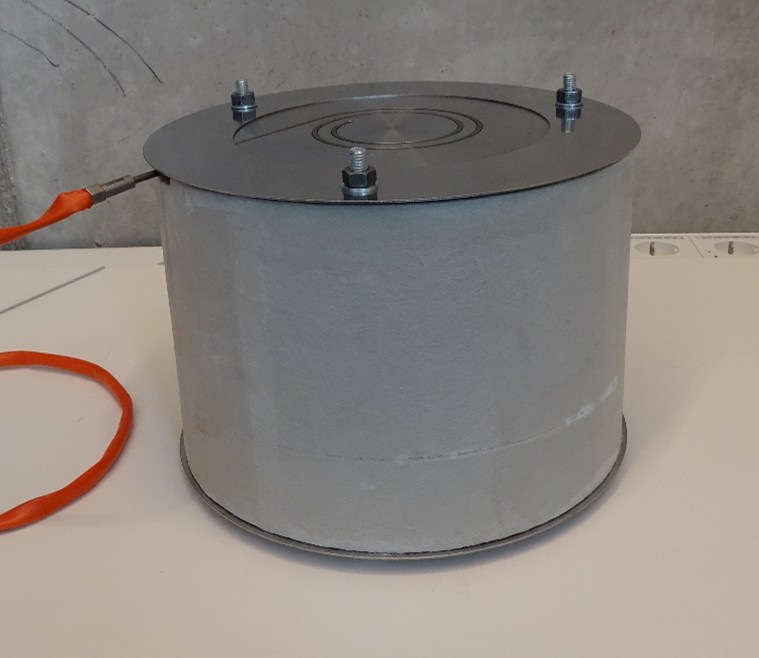
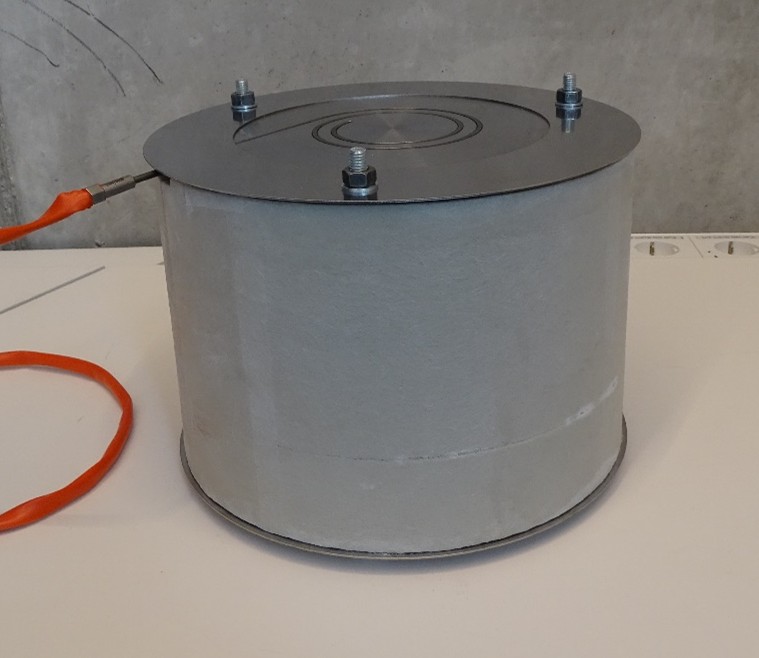
As part of the project work to date, a functional prototype of the thermal storage system has already been developed, demonstrating the fundamental feasibility of the concept.
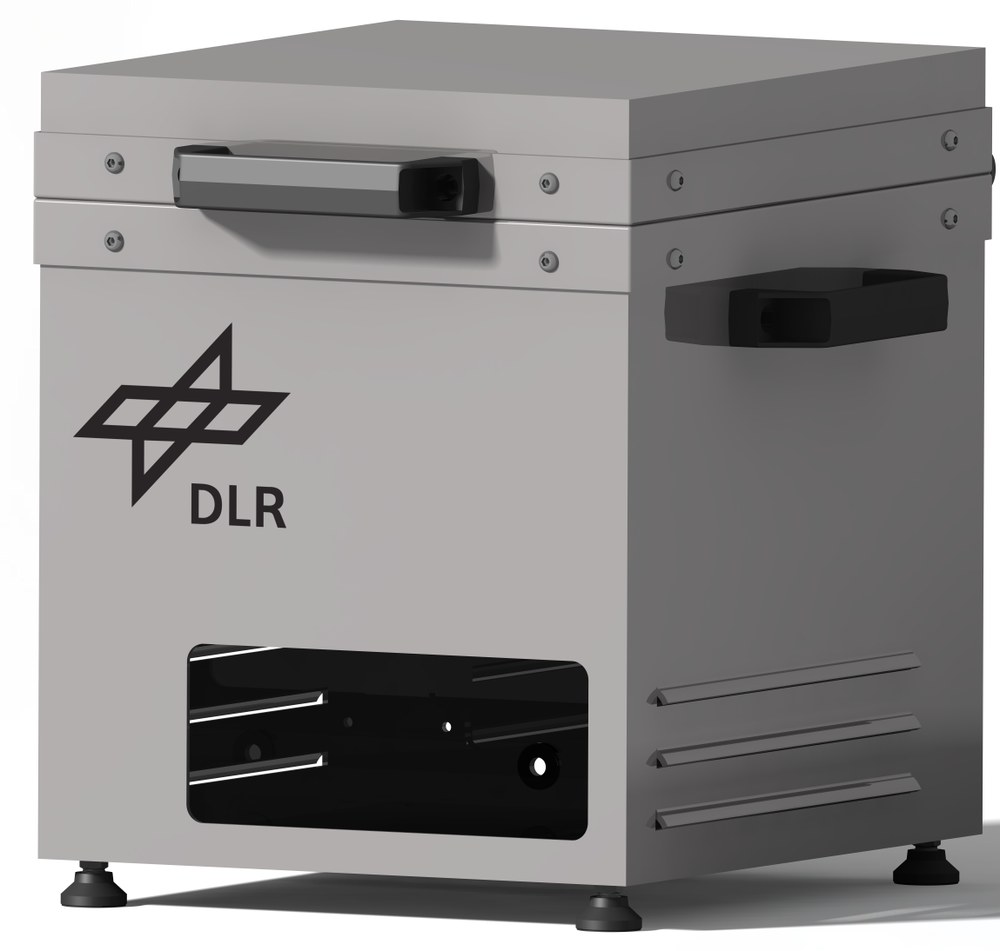
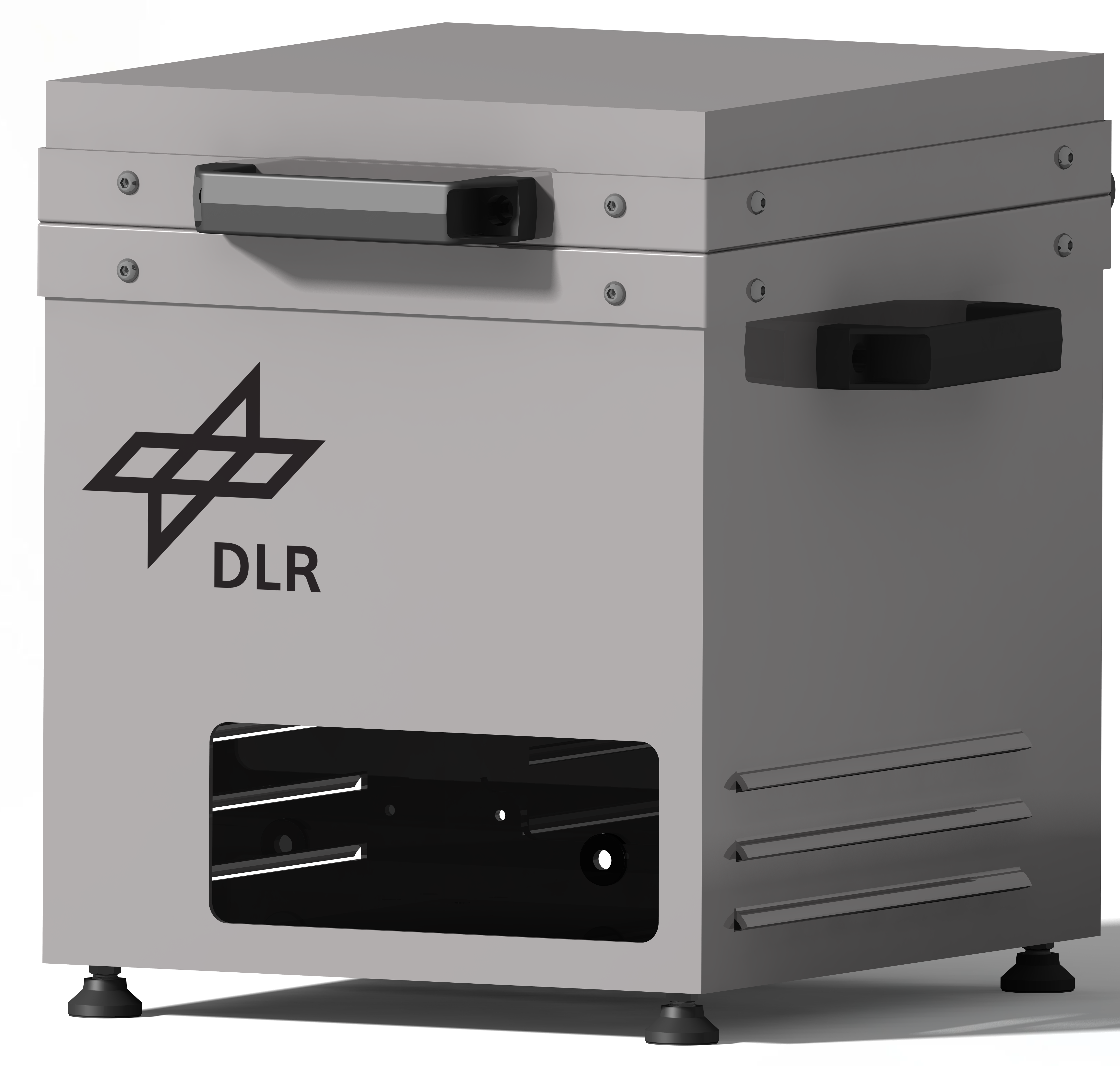
A product-oriented demonstrator is currently being developed to represent a potential future application of the system. In addition to supporting further technological development, the demonstrator enables laboratory investigations and testing under realistic operating conditions.
The next step is to test the technology in potential application regions. Field trials will provide valuable insights into practical operation and enable further optimization of the system. In addition, initial project results will be presented at international conferences to promote exchange with the scientific community and establish future international collaborations.