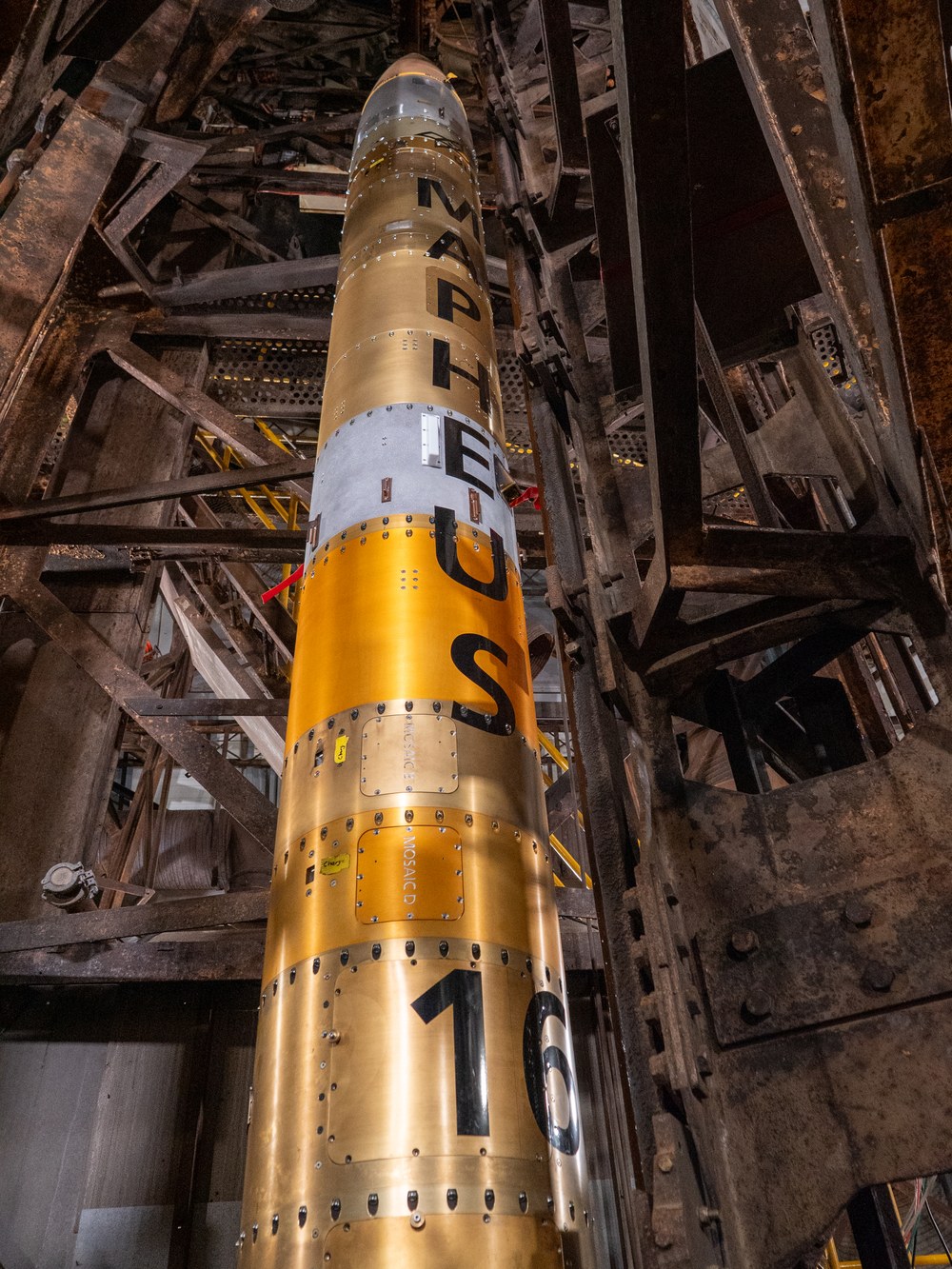
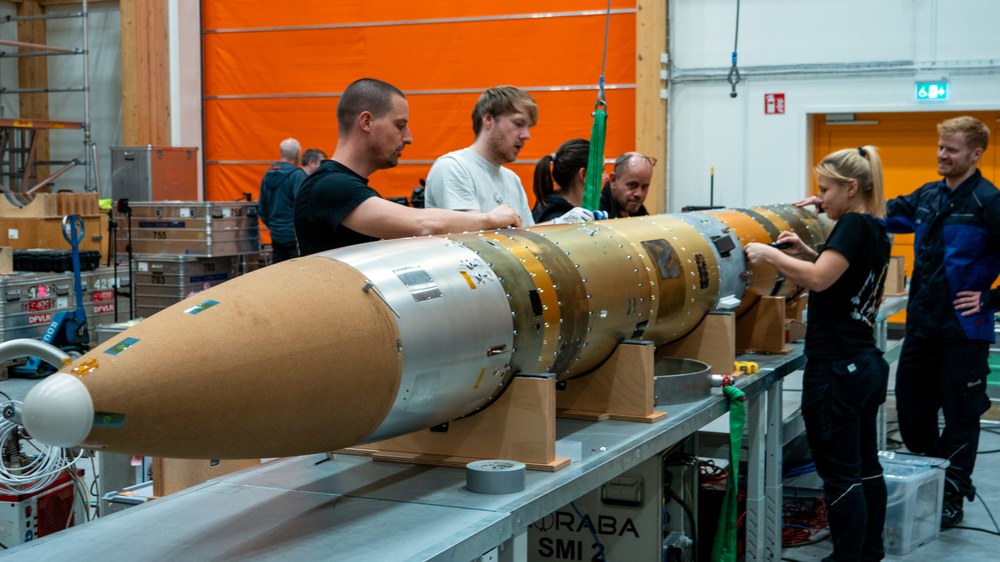
Together with the DLR Institute of Aerospace Medicine (ME) and the Mobile Rocket Base (MORABA), the Institute of Materials Physics in Space (MP) operates the sounding rocket program MAPHEUS (MAterials PHysics Experiments Under WeightlessnesS). Within this program, the MAPHEUS-16 mission was launched on November 12, 2025, at 05:05 local time from the European spaceport Esrange (Sweden). The two-stage rocket reached an altitude of about 260 km and remained more than 6 minutes in near-zero gravity. The mission included a broad spectrum of scientific experiments in the fields of biology, material physics, navigation, and remote sensing, which experienced unique conditions during the flight.
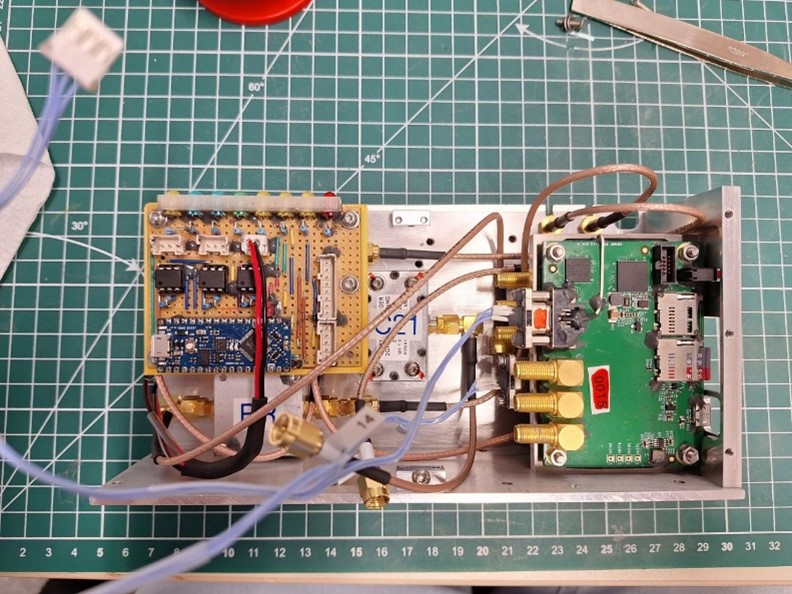
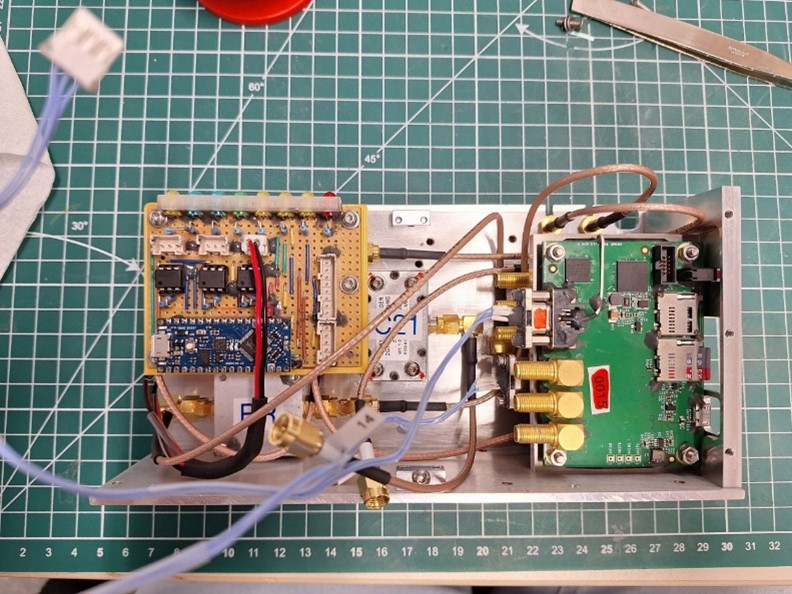
After MAPHEUS-15, this was the second time that the Institute for Solar-Terrestrial Physics participated in the MAPHEUS program. The altitude range of flight (in near-Earth space but below stable satellite orbits) promises new insights into the variability of the ionosphere below the dominant F layer. A GNSS-receiver unit for remote sensing covered this part. The unit is specifically developed for this within the RESITEK project (Resilient Technologies for Disaster Prevention). Results from MAPHEUS-15 showed that GNSS remote sensing in this altitude range can contribute significantly to the resolution of the ionospheric total electron content (TEC) and reflectometry for water monitoring. Both are important steps to advance the observation technologies for the prediction of space weather and disaster prevention.