In the KIRA project, DLR is developing concepts for the remote support of vehicle fleets in urban areas and at the same time investigating the acceptance experience of users of these vehicles.
Problem definition
New technical developments and the legal framework for autonomous driving in Germany, which was finalised in 2022 with the AFGBV, will enable autonomous on-demand fleets to be operated on a regular basis in defined operating areas for the first time. For the successful, safe and effective implementation into existing traffic, key issues relating to technical, operational and planning processes in the context of the authorisation and deployment of autonomous on-demand fleets need to be clarified today.
Project objective
The aim of the project is to conduct the first research into autonomous on-demand fleets in public transport under real traffic conditions. The focus lies on the development and testing of the necessary technical, operational and regulatory processes. The research results expected from the testing and accompanying research will make an essential contribution to establishing autonomous on-demand solutions in public transport and thus transforming public transportation services to be sustainable and barrier-free.
Realisation
In the project, six autonomous vehicles will be deployed in both rural and urban areas. The processes required for deployment will be developed in consultation with the approval authorities and iteratively evaluated and optimised as part of the project implementation. A particular focus is placed on technical supervision, acceptance of the new service by the population and the impact on traffic, which are key to the sustainable and widespread use of autonomous on-demand fleets.
Contribution of the DLR Institute of Transportation Systems
The Institute of Transportation Systems at DLR researches technologies for the intermodally networked and automated transport of the future on road and rail, with the aim of ensuring climate-neutral and sustainable mobility in cities and regions. The researchers are designing a transportation system that networks vehicles, road users and infrastructure. This enables mobility services based on automation that are integrated into intermodal traffic management systems for intelligent traffic control. Digitalisation, automation and artificial intelligence are important tools here. In previous projects, extensive expertise has already been built up in the support of scientific test fields and real-world laboratories, which will now be expanded to include the aspect of testing under real conditions (including long-term use) of an entire fleet, use in rural areas, the interaction of technical supervision with vehicle users and the scalability of the system in interaction with technical supervision.
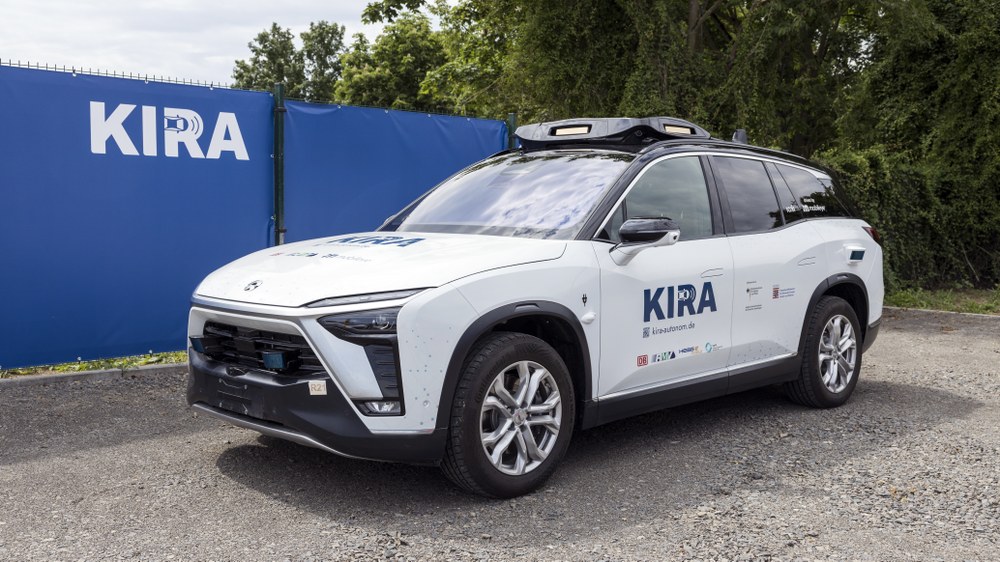
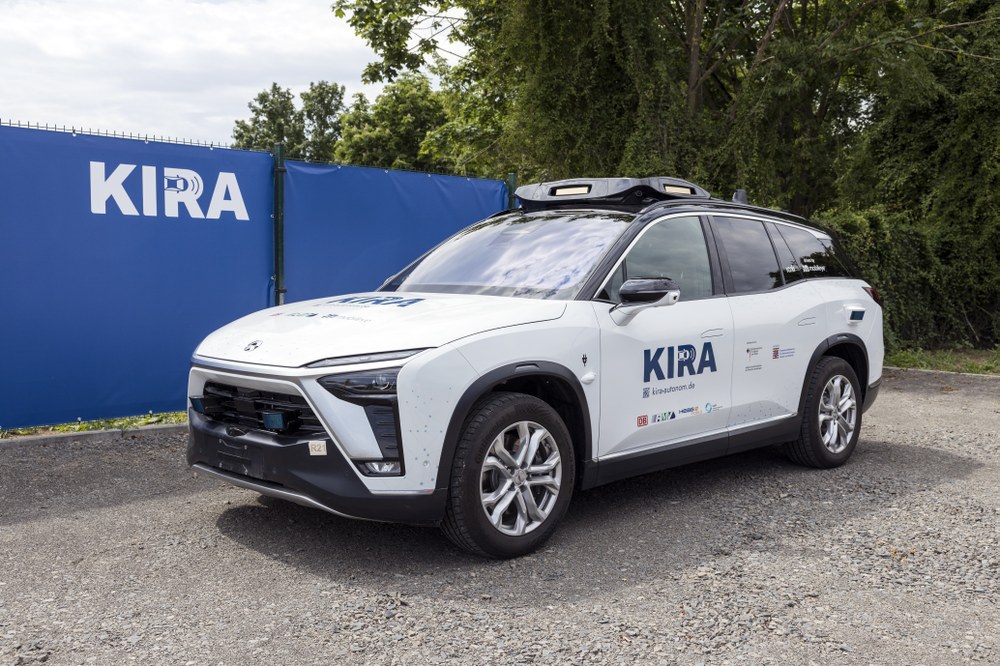
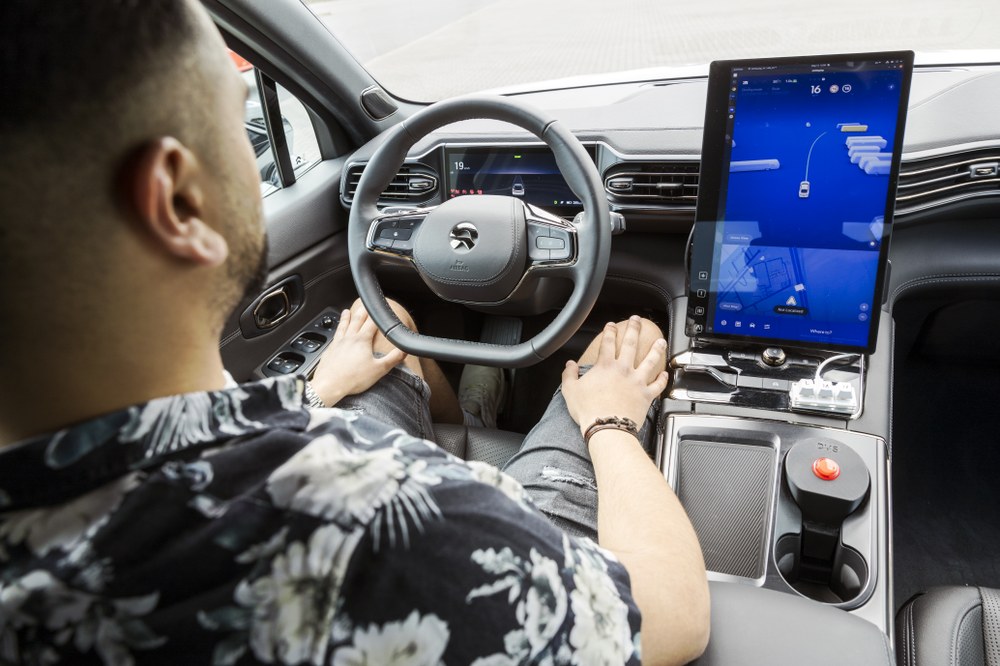
The autonomous vehicle with which users can experience the innovative local transport solution.