
Radiometer miniRAD for MMX
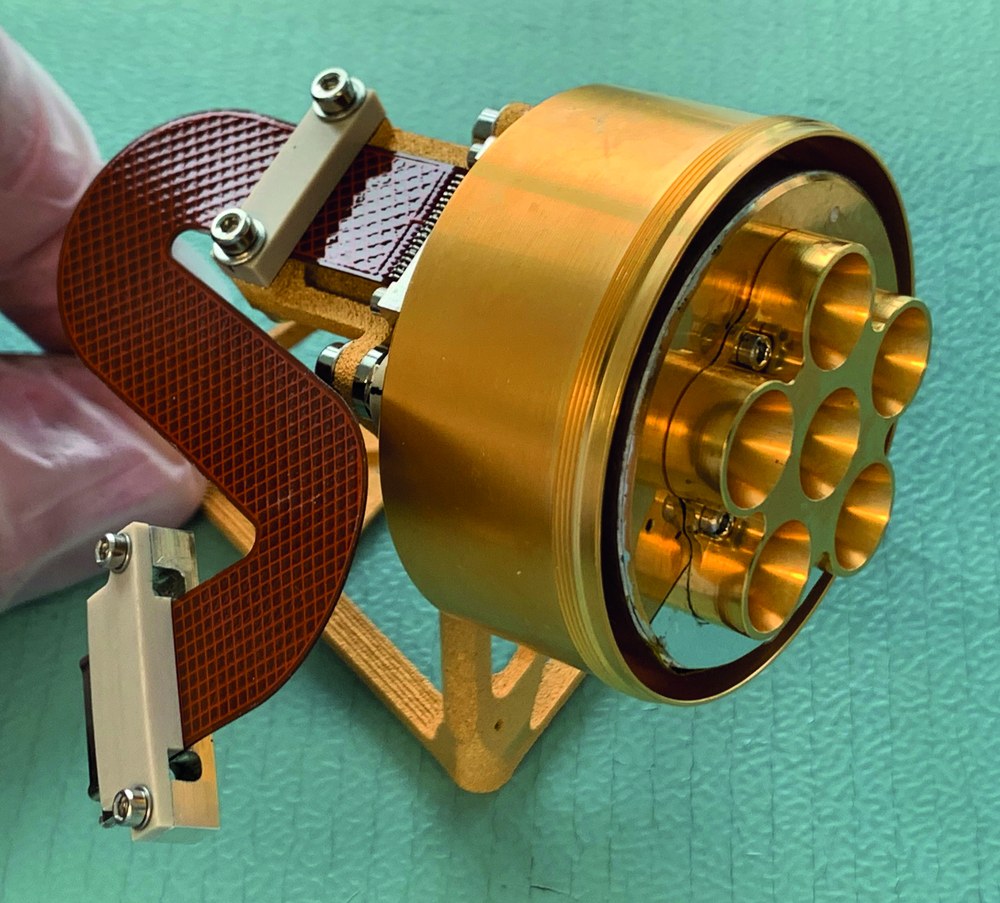

Science Goals
The MiniRAD radiometer, contributed by the German Aerospace Center (DLR) to Martian Moons eXploration (MMX) led by the Japan Aerospace Exploration Agency (JAXA), investigates the thermophysical and compositional properties of Phobos’ surface. By measuring thermal infrared emission over multiple wavelengths, MiniRAD aims to:
- Determine surface temperatures and thermal inertia, providing constraints on regolith grain size, porosity, and layering
- Infer surface composition through emissivity characteristics, including the location of the Christiansen feature
- Characterize surface roughness and dust coverage, which influence thermal behavior
- Study diurnal temperature variations to assess surface alteration processes such as thermal fatigue
These measurements support the MMX mission’s overarching goal of understanding the origin and evolution of Phobos and provide essential ground truth for the interpretation of orbital data and returned samples
Instrument Design Drivers and Key Features
The MiniRAD radiometer, developed by the German Aerospace Center (DLR) for the Martian Moons eXploration (MMX) mission, is designed to perform high-precision thermal infrared measurements of surface brighness temperatures in six dedicated infrared channels.
Key design drivers include:
- Low mass, volume, and power consumption
- Precise temperature control of the sensor head
- High sensitivity to low nighttime surface temperatures
To meet these requirements, MiniRAD adopts a compact architecture consisting of a sensor head, electronics unit, and calibration target.
Sensor Head
The sensor head houses six thermopile detectors that measure thermal infrared radiation in multiple spectral channels between approximately 5 and 100 µm. It is mounted inside the rover and oriented to observe the surface directly in front of the vehicle.
Key features include:
- High thermal stability, achieved through thermal isolation and active temperature control
- A wide field of view suitable for spot measurements at decimeter scale
- Dedicated spectral channels optimized for surface temperature, thermal inertia, and mineralogical indicators
This configuration enables accurate surface brightness temperature measurements during both day and night conditions on Phobos
Electronics
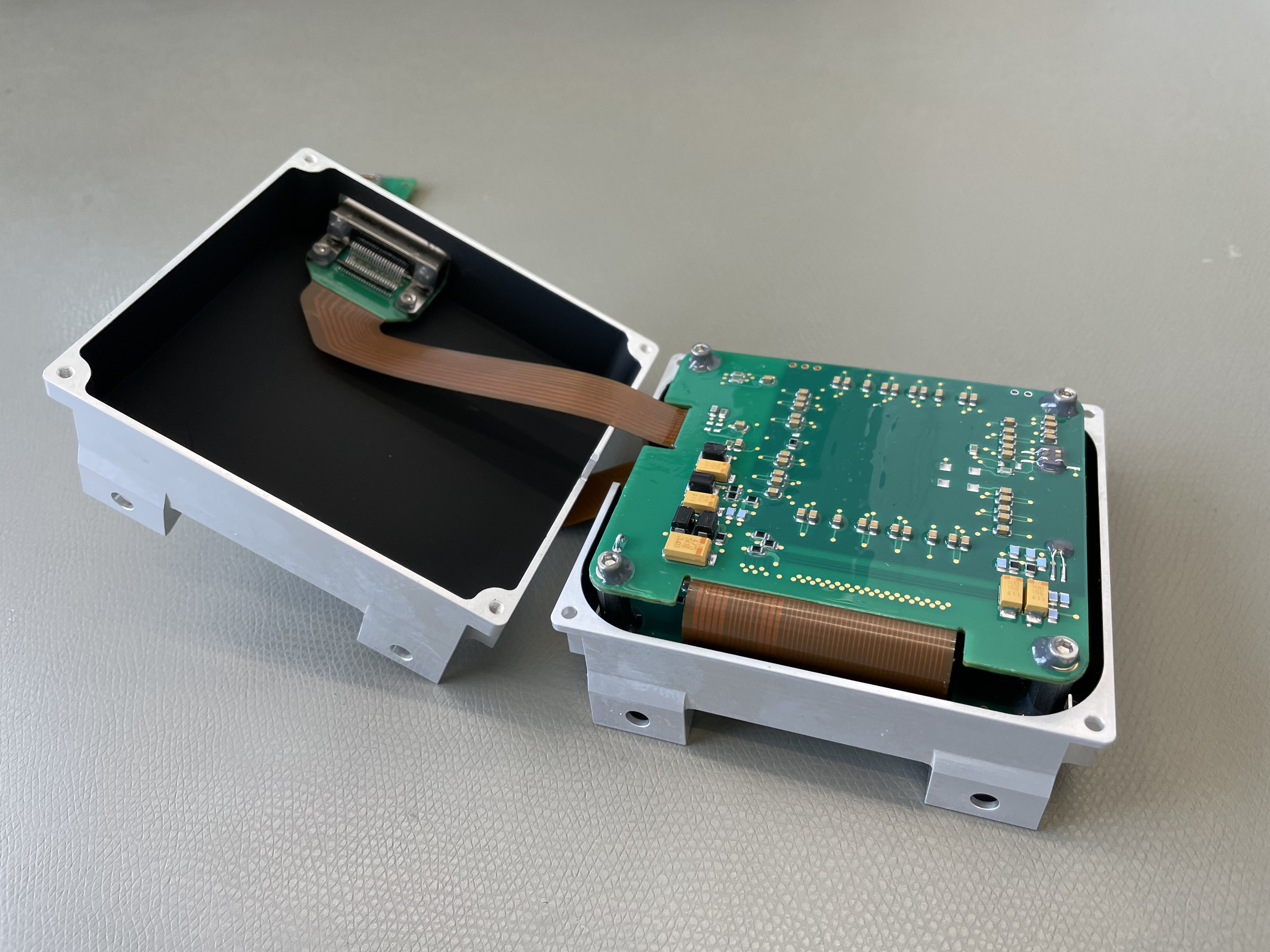
The miniRAD electronics unit provides instrument control, signal processing, heater regulation, and data interfacing with the rover.
Key features include:
- High-resolution analog signal processing for low-flux thermal measurements
- Active control of sensor head and calibration target temperatures
- Radiation-tolerant digital control and low-power consumption
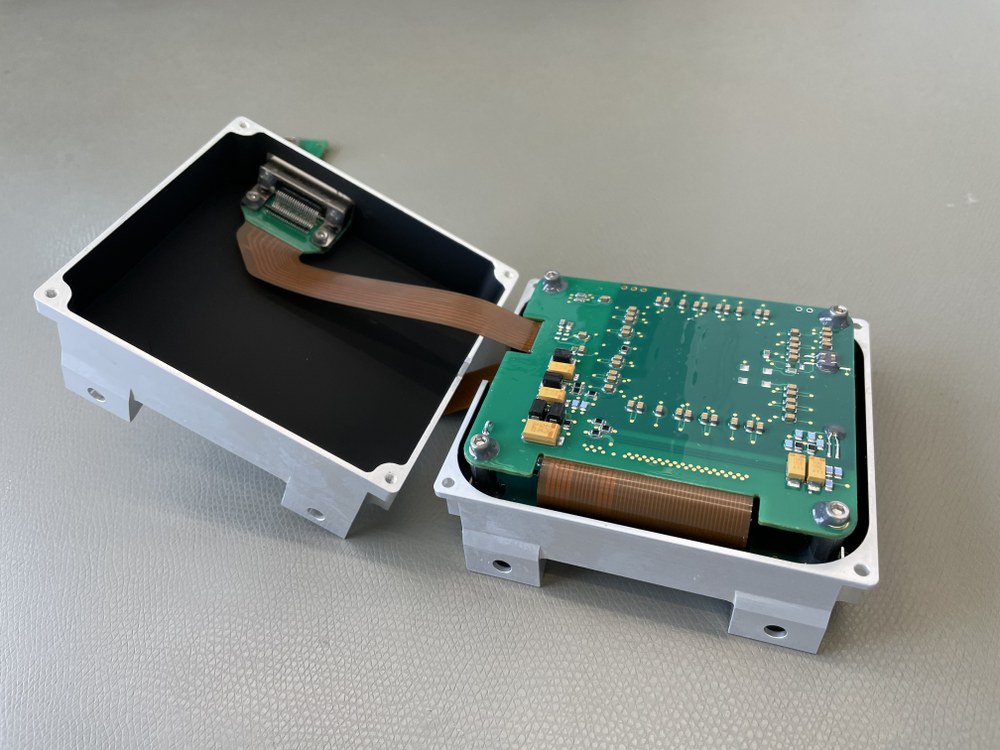
The electronics are housed inside the rover’s thermally controlled compartment, ensuring stable operation despite the harsh external environment.
Calibration Target
To ensure accurate and stable radiometric measurements, miniRAD includes an onboard calibration target acting as a reference blackbody, which will be used in flight and on Phobos, before opening the rover’s shutter.
Key features include:
- A well-defined, high-emissivity reference surface
- Active temperature-control
- Regular in-flight calibration to track detector stability and performance
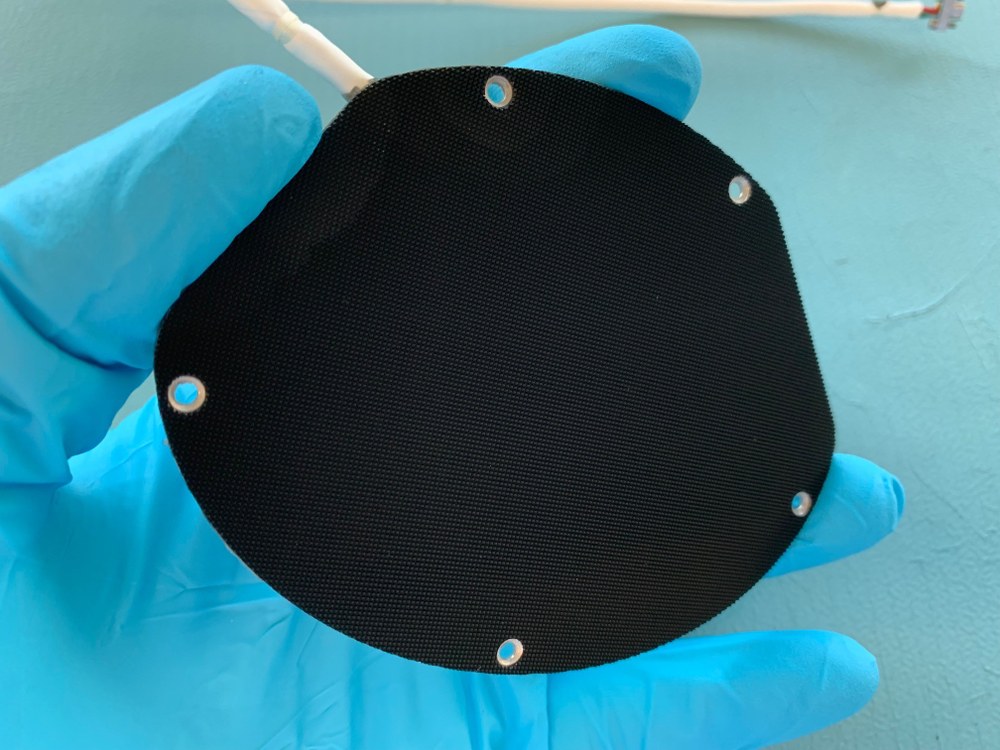

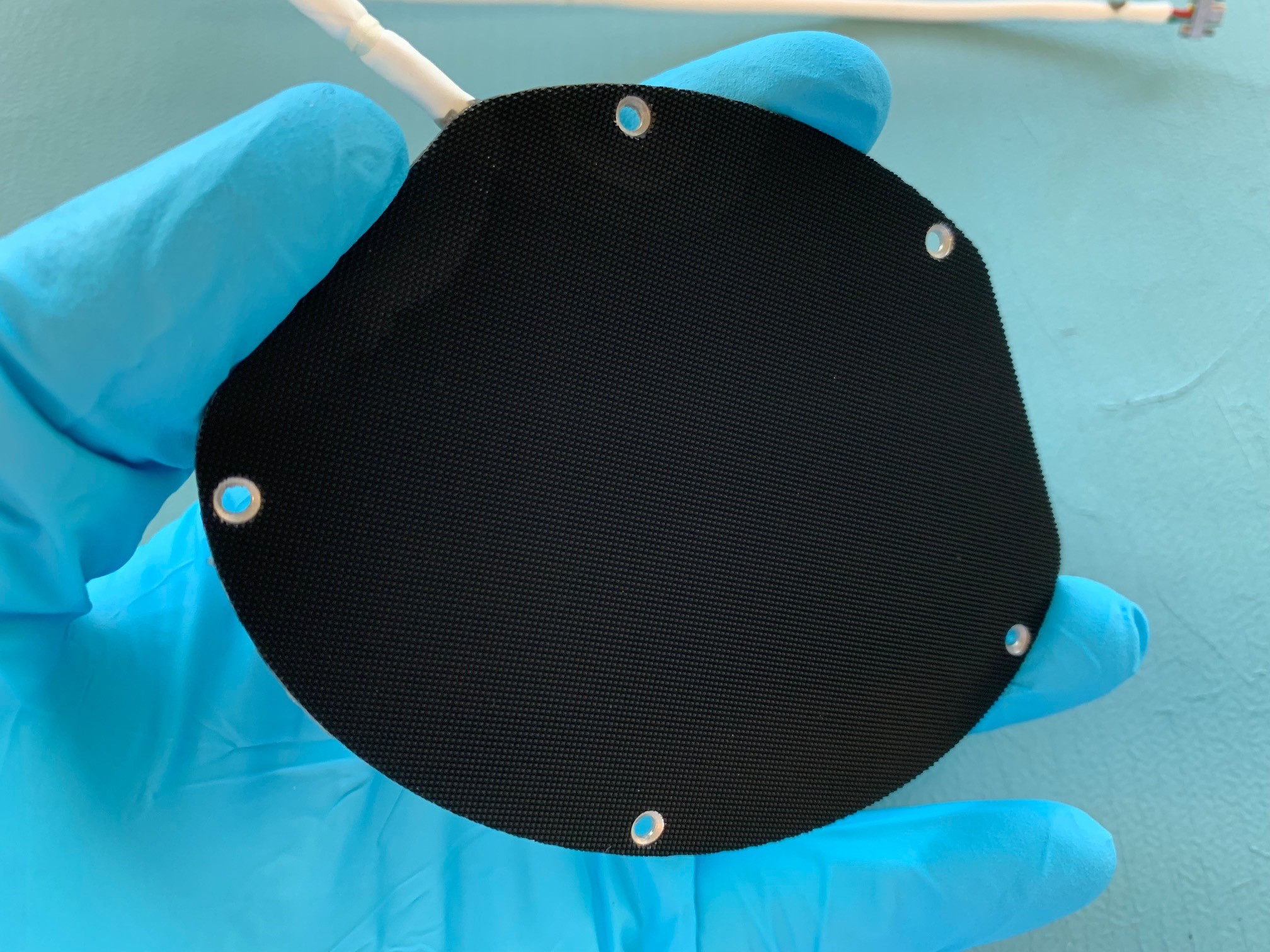
This approach enables reliable temperature retrievals over the full expected range of Phobos surface conditions and throughout the mission lifetime.