Rehab at :envihab – astronaut Sophie Adenot gets fit for Earth again
| Space
Rehab at :envihab – astronaut Sophie Adenot gets fit for Earth again
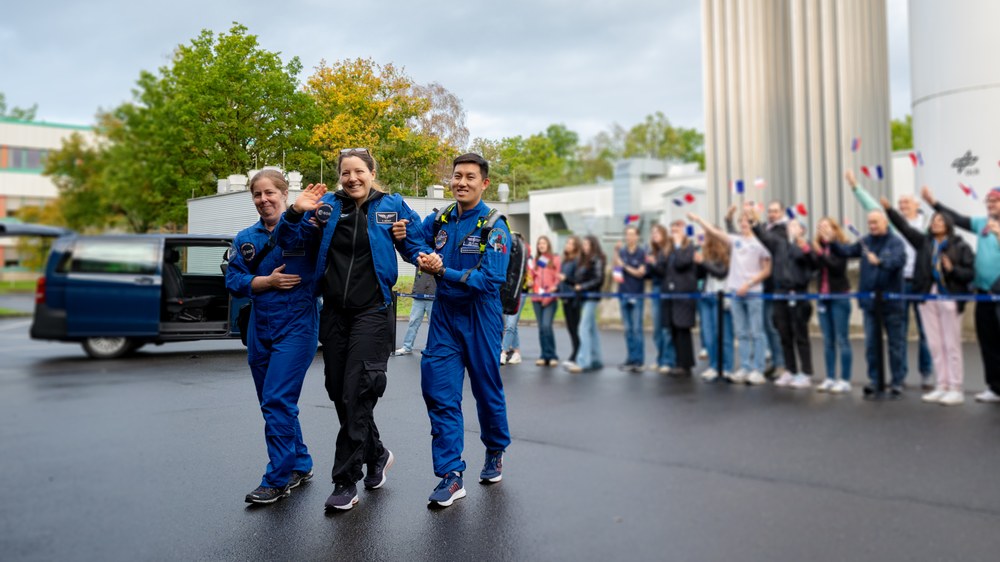
Arrival at :envihab
French ESA astronaut Sophie Adenot was also given a warm welcome at :envihab, DLR's aerospace medicine research facility in Cologne. Weakened by the long time in weightlessness, she is supported by Bimba Hoyer (left) and David Kim (right). Before, during and after the mission, the two were Adenot's flight surgeon team.
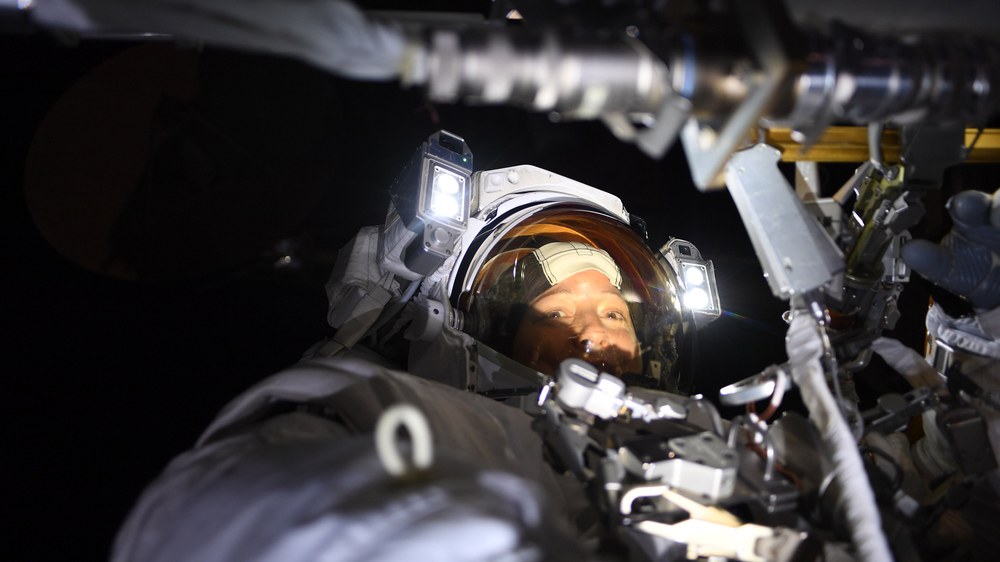
ESA astronaut Sophie Adenot during her second spacewalk
During her second spacewalk of her Epsilon mission on the International Space Station ISS on 25 August 2026 (EVA-98), Sophie Adenot received medical care from Bimba Hoyer.
Credit:
ESA/NASA
On 8 October 2026, French ESA astronaut Sophie Adenot returned to Earth after her almost eight-month 'εpsilon' (Epsilon) mission on the International Space Station ISS. During the subsequent two-week rehabilitation phase at :envihab, DLR's aerospace medicine research facility in Cologne, she was accompanied by the lead flight surgeon Bimba Hoyer.
Together with a Canadian colleague, Hoyer had already provided medical care for the astronaut before and throughout the entire mission, monitored her spacewalks live from NASA's mission control centre in Houston and monitored Sophie's health during the flight from Houston to Cologne.
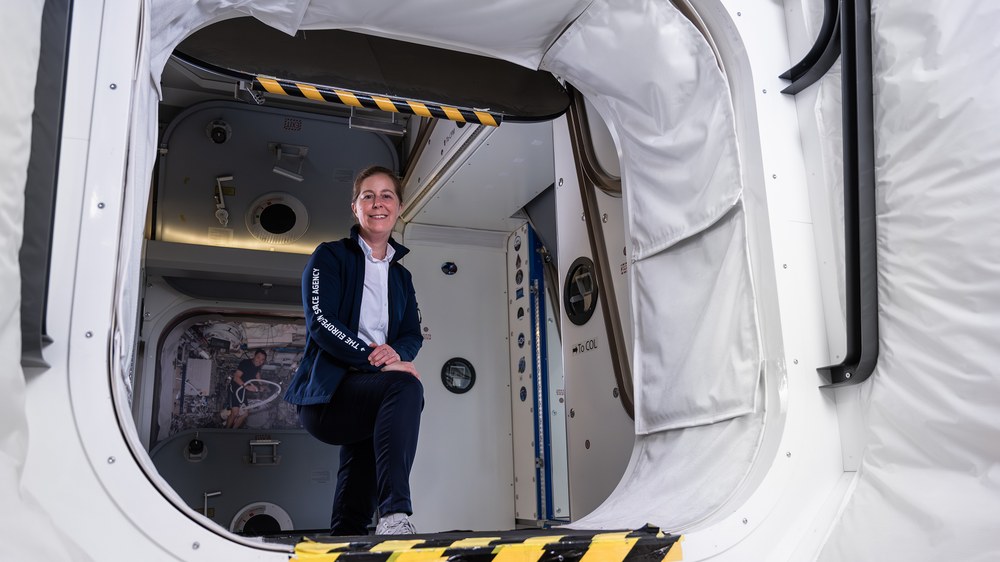
Flight surgeon Bimba Hoyer
Flight surgeon Bimba Hoyer looks after ESA astronaut Sophie Adenot during and after her Epsilon mission.
Credit:
ESA
About two years of medical care before launch
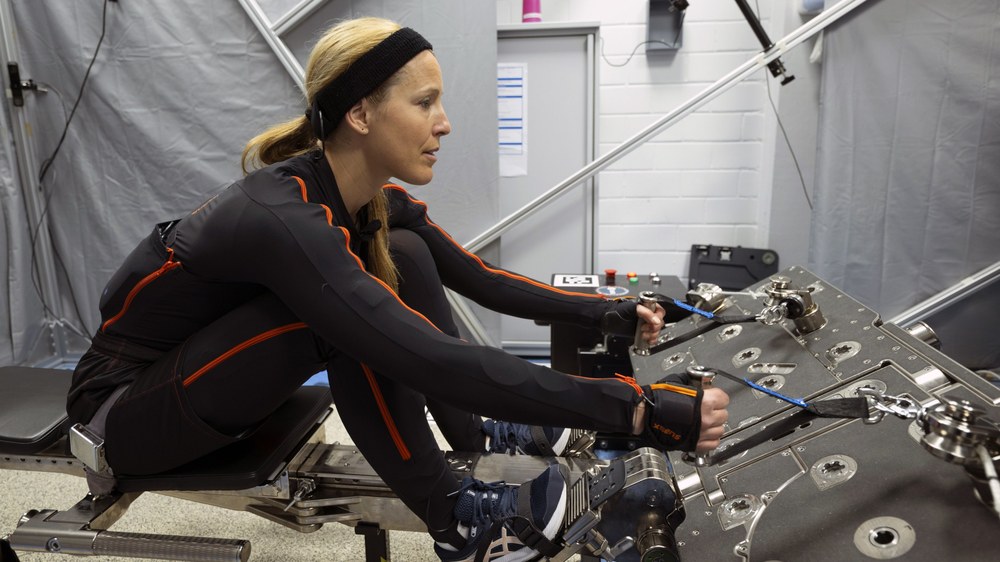
Muscle training before the mission
Before every mission to the International Space Station ISS, astronauts have to complete medical checks and muscle-building training.
Credit:
ESA-S. Corvaja
"The more intensive medical care for astronauts begins as early as 21 months before launch. This involves checking all key physiological parameters, such as the cardiovascular system, bone density and the condition of the spine", explains the DLR and ESA flight surgeon. During this time, Sophie and the medical team were in regular contact and had plenty of time to get to know each other. "Above all, the strong foundation of trust that we as medical professionals had with Sophie was crucial."
Fourteen days before the scheduled launch, a new phase began: Sophie and the rest of the team had to go into quarantine – flight surgeon Hoyer included. Daily medical care then began five days before launch. Once on the Space Station, astronauts can also call their doctors' mobile phones at any time, or consult the medical team via an official private medical conference call (PMC). "I always had my phone with me during that time – you're on call day and night", says Hoyer.
Gravity as a 'new' challenge
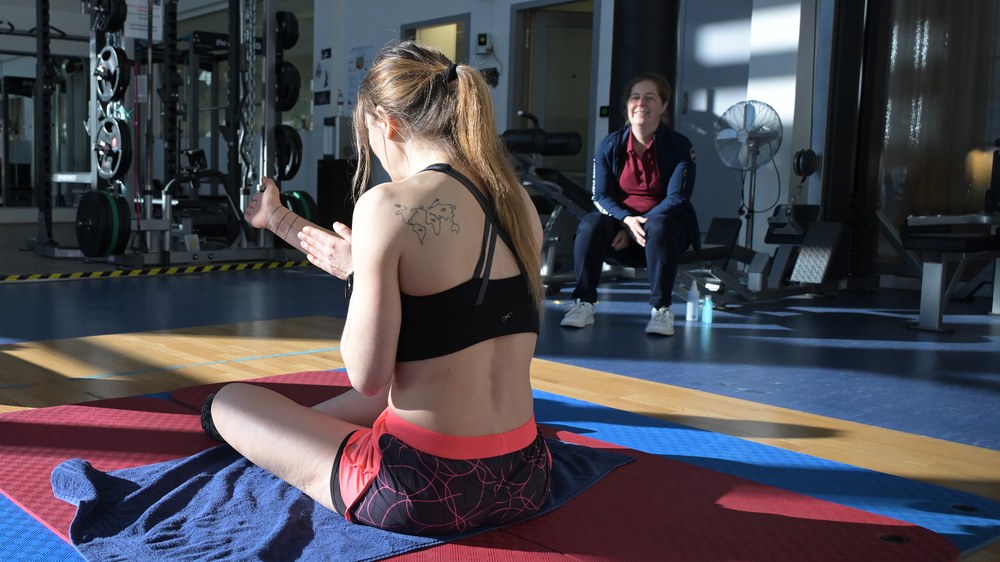
Floor exercises
During the rehabilitation phase, astronauts follow a programme similar to that used in conventional rehabilitation exercise. This includes exercises for strength, endurance and coordination.
Credit:
ESA-M. Cowan
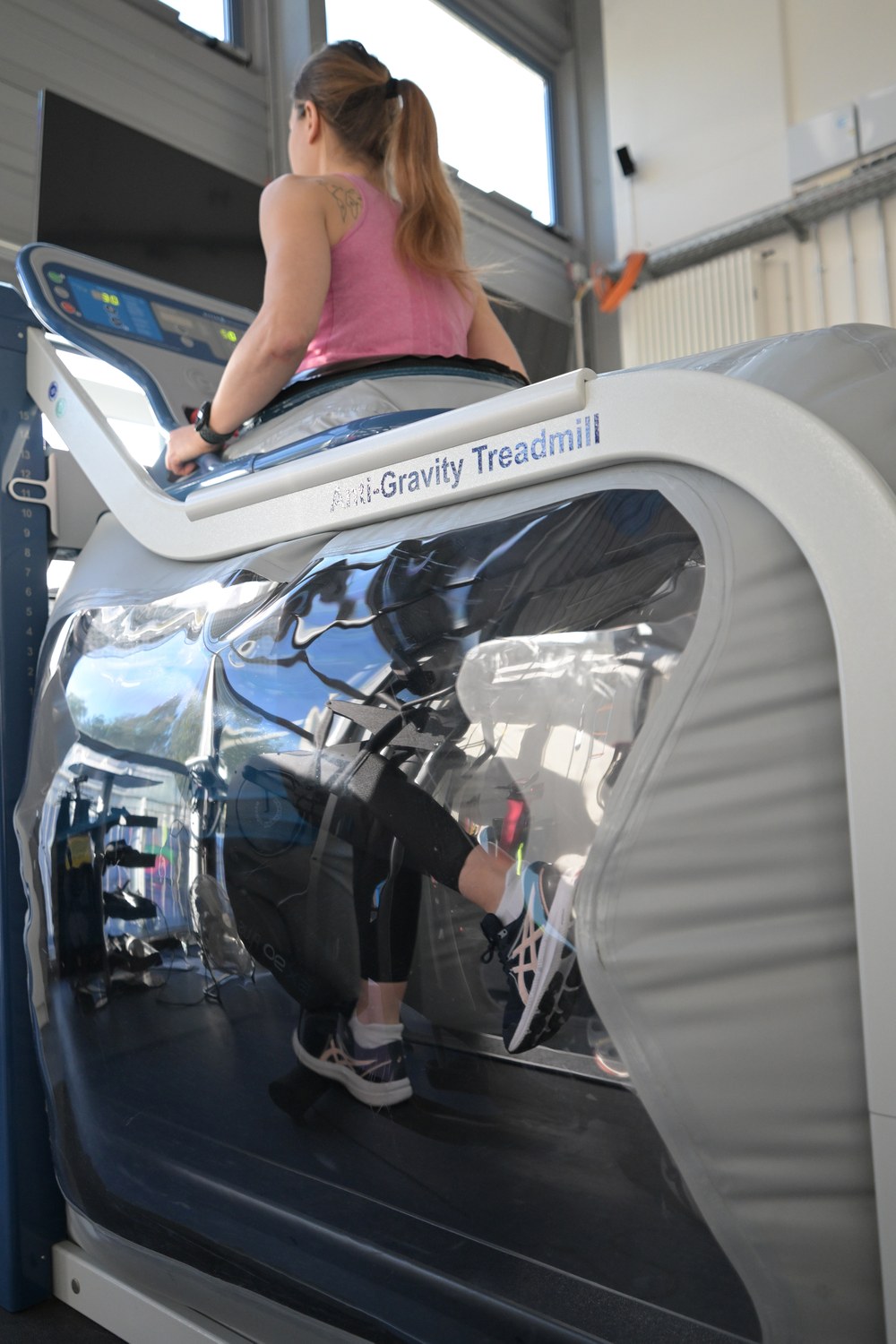
Sophie Adenot during anti-gravity treadmill training
In the initial period after returning from the ISS, the spine still needs to be protected from strain. During anti-gravity treadmill training, part of the body weight is therefore supported by the training equipment.
Credit:
ESA-M. Cowan
On arrival in Cologne, Sophie still had to be supported by two people, as her body first needed to readjust to Earth's gravity again. However, once she arrived at :envihab, she recovered very quickly.
"It's amazing how steep the recovery curve is for astronauts after landing," says Hoyer. In the first few days, the main focus was on assessing the state of her muscles, circulatory system and coordination, in order to train them in a targeted way.
On the first day, Sophie completed muscle-stabilising exercises with light weights, coordination exercises and anti-gravity treadmill training. In this special form of treadmill training, a harness system supports part of her body weight. This reduces the load from gravity, while retaining the benefits for the cardiovascular system. Above all, this protects the spine, which becomes less stable after a long period in microgravity, and helps to prevent slipped discs.
The right balance of effort and recovery
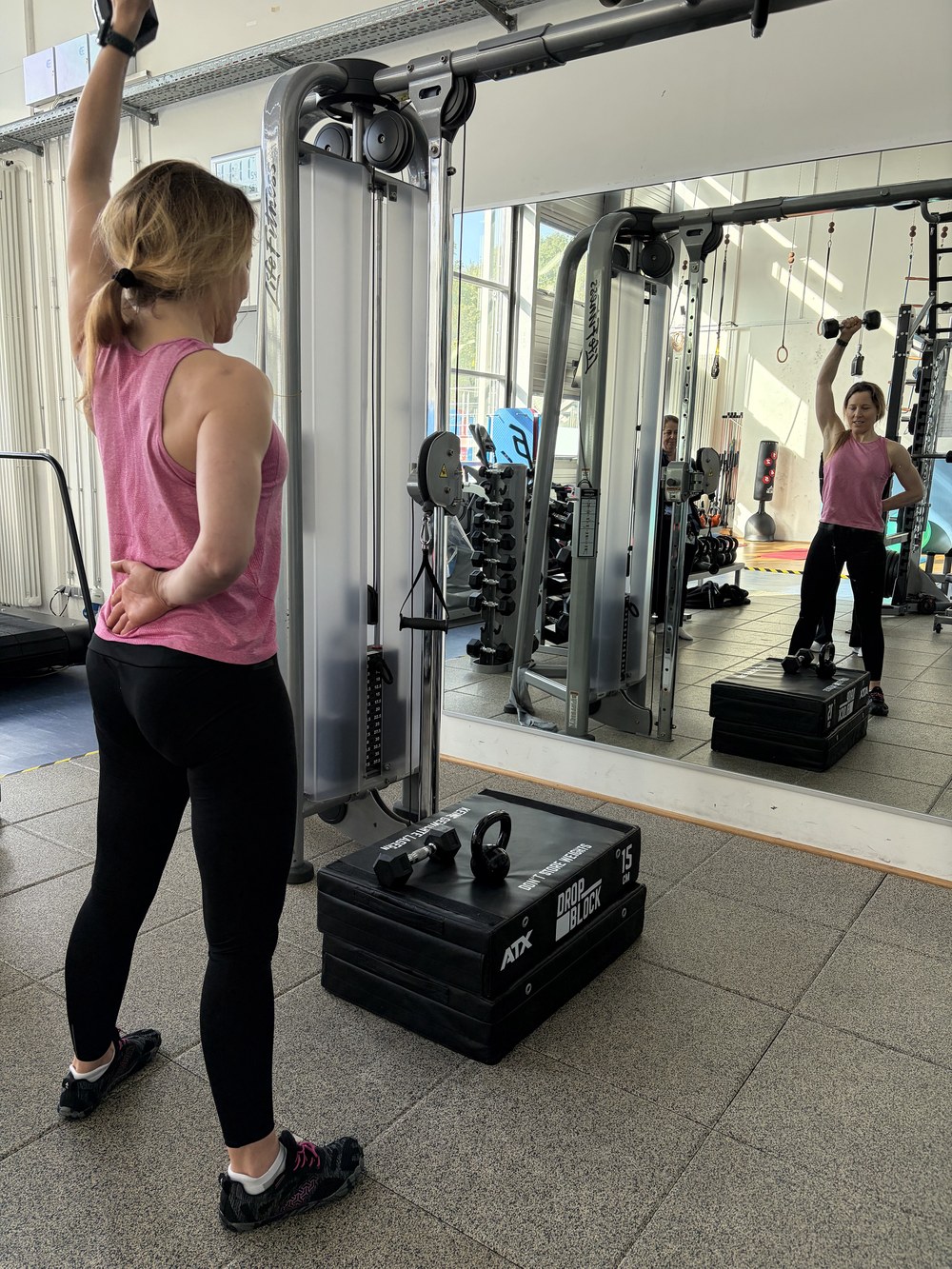
Strength training to rebuild muscle
Despite training on the ISS, some muscle mass is lost in microgravity. This deficit has to be reversed after returning to Earth.
Credit:
ESA-M. Cowan
Over the following days, exercise in water was also added to the schedule, alongside running and strength training.
"During this time, Sophie also did many exercises similar to those in physical rehabilitation", says Hoyer. "It's always a matter of checking what's possible again and what isn't yet." The coordination problems that follow a stay in space are usually overcome after only about three days, while strength and endurance are built up gradually.
In addition to monitoring training to improve performance, medical care also involves its apparent opposite: protection against physical or mental overload.
This means taking breaks from training, shielding the astronaut from too many requests and Hoyer constantly checking how full her daily schedule is.
A surprise for Sophie
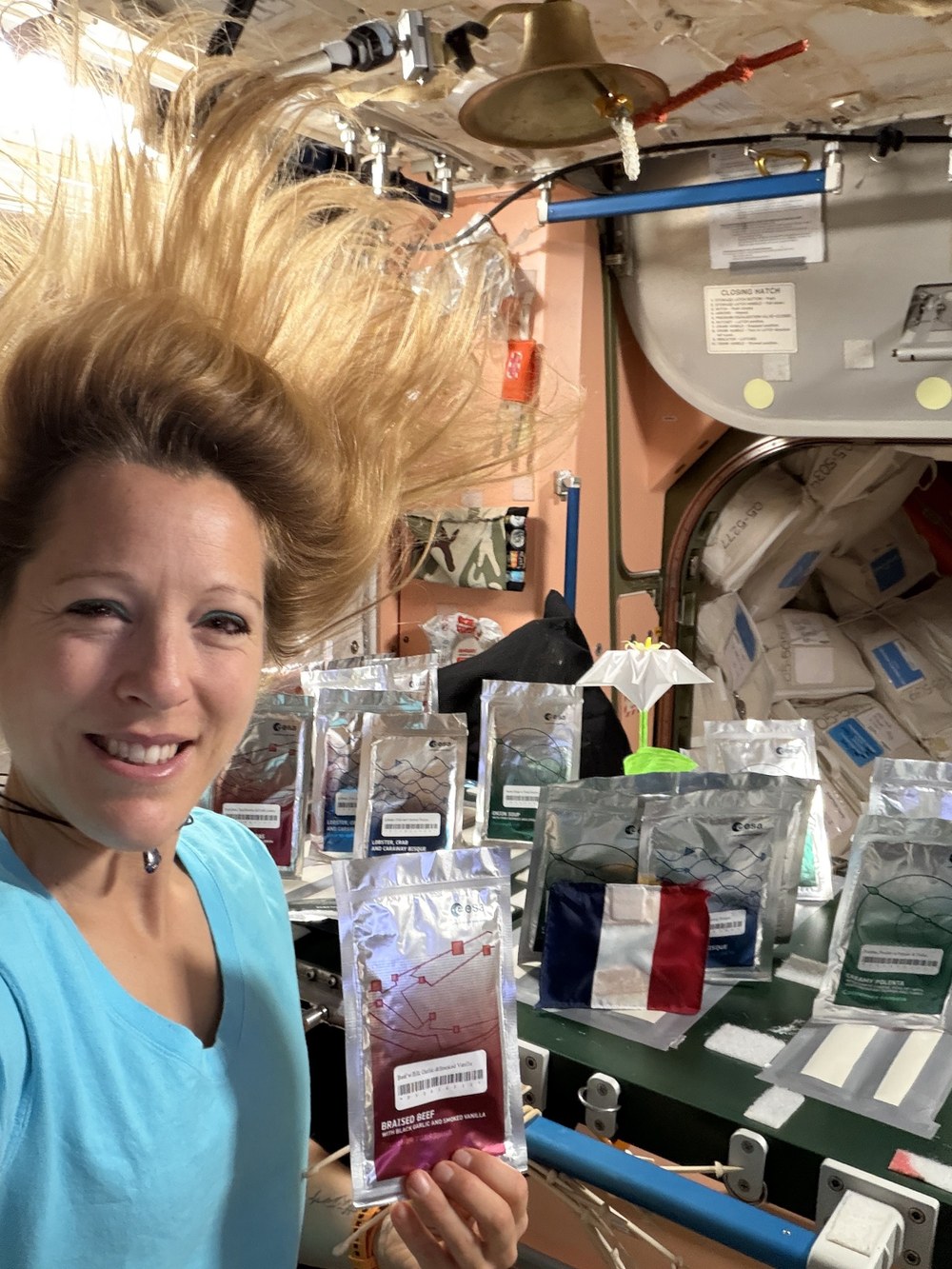
Astronaut food on the ISS
On the International Space Station ISS, the diet consists of packaged astronaut food.
Credit:
ESA/NASA - S. Adenot
There was also a special surprise in store for Sophie. During her mission in space, she had dreamed of Breton galettes. Naturally, this French speciality made from buckwheat flour wasn't available on the Space Station, where daily meals consisted mostly of packaged astronaut food.
Now, the teams that had supported Sophie during her mission made her wish come true: they arranged a food truck to drive straight onto the site of ESA's European Astronaut Centre (EAC), which is located right next to :envihab at the DLR site in Cologne. This meant her return to Earth could be celebrated with freshly prepared galettes and crêpes.
After two weeks of rehabilitation, Sophie was able to take a week's holiday to finally spend unrestricted time with her family and friends again. In the period that followed, further scientific data has been – and continues to be – collected. The medical care will conclude with a final examination six months after the mission.
After two weeks of rehabilitation, Sophie was able to take a week's holiday to finally spend unrestricted time with her family and friends again. In the period that followed, further scientific data has been – and continues to be – collected. The medical care will conclude with a final examination six months after the mission.
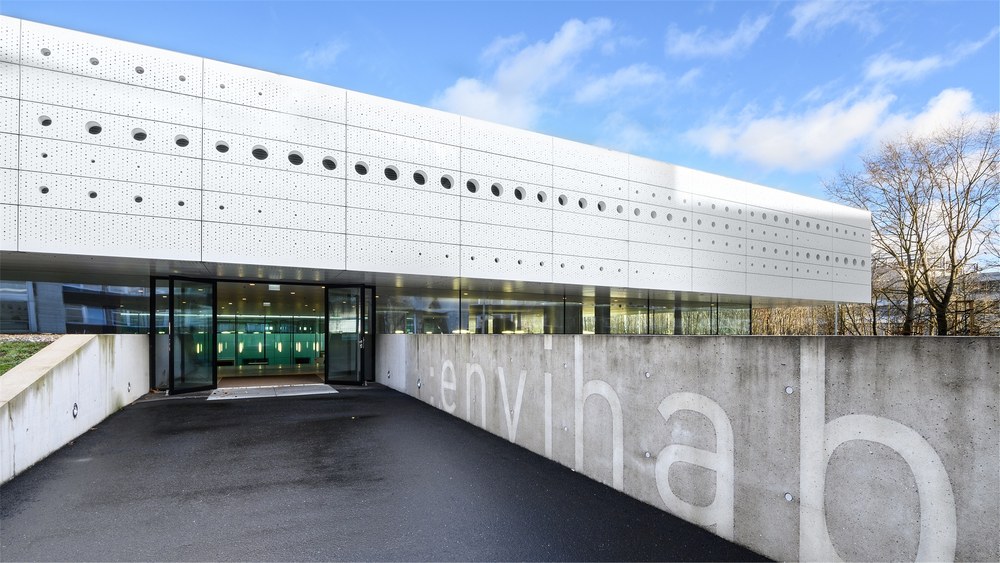
The aerospace medicine research facility :envihab in Cologne
:envihab is a medical research facility of the DLR Institute of Aerospace Medicine. Researchers here study how different environmental conditions affect humans and which countermeasures can be taken.