Improving the performance of induction motors through innovative materials
ALIWE
Induction motors (ASM) are widely used in industry, the automotive sector and mobile applications. They are characterised by their robustness, low maintenance requirements and long service life. Unlike permanent magnet-excited synchronous machines (PSM), they do not rely on rare earth elements – which makes them resource-efficient and contributes to geopolitical independence and resilient supply chains.
However, despite these advantages, the power density of ASMs is limited. A key factor in this is the low mechanical strength of the short-circuit windings in the rotor, which limits the maximum speed. This restricts performance in applications with high demands on dynamics and efficiency.
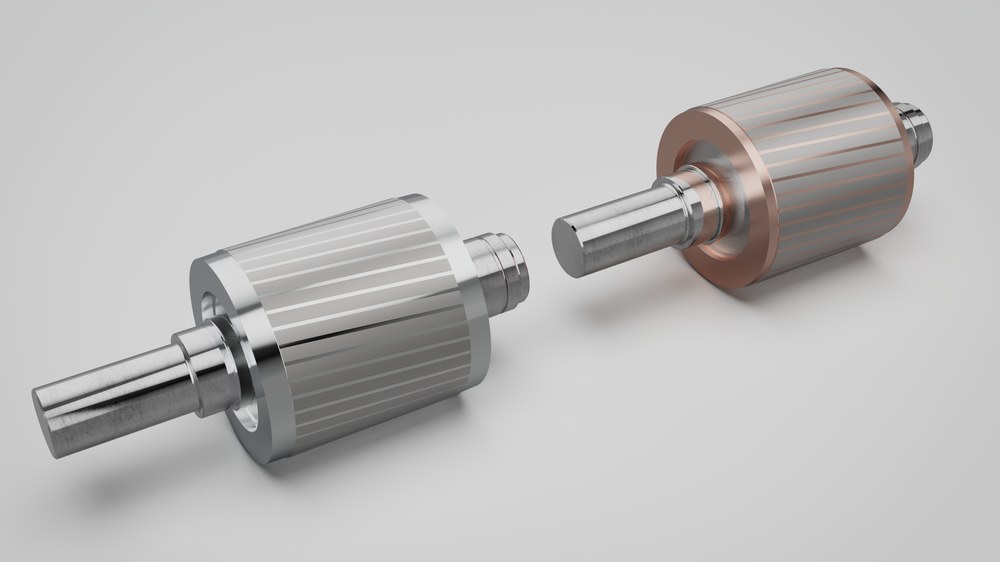
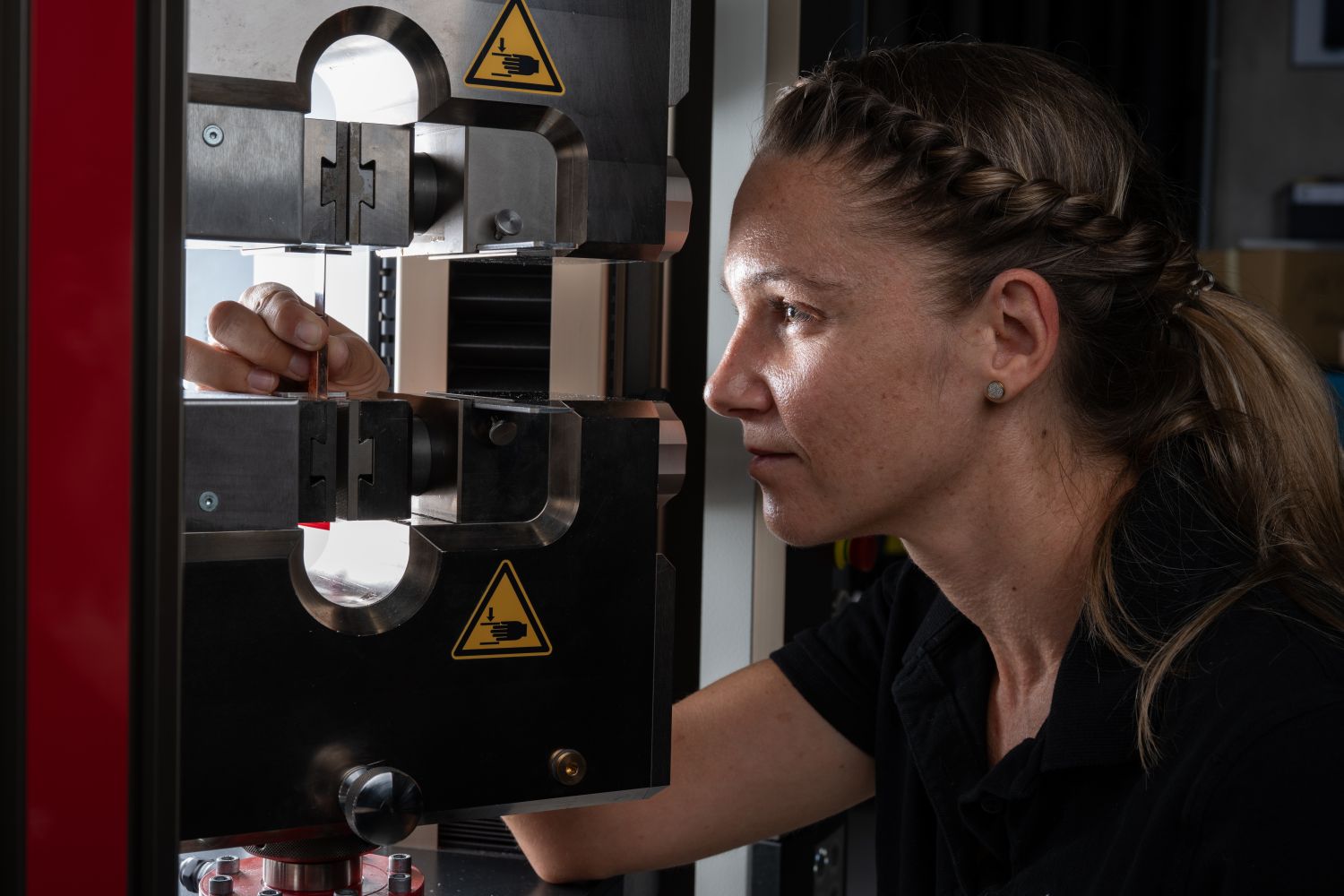
In the project ‘Improving the performance of asynchronous rotors through innovative materials’, we are developing a new generation of high-performance and efficient asynchronous motors. We are comparing aluminium and copper rotors and are also utilising a novel, high-strength copper alloy in the rotor, which combines high mechanical strength with high electrical conductivity.
This enables us to increase the speed and power density whilst reducing material usage. The technology is resource-efficient and independent of rare earth elements.
The improved asynchronous motors are suitable for:
Electric mobility (passenger cars, commercial vehicles, rail vehicles)
Industrial drive technology
Aviation and drones
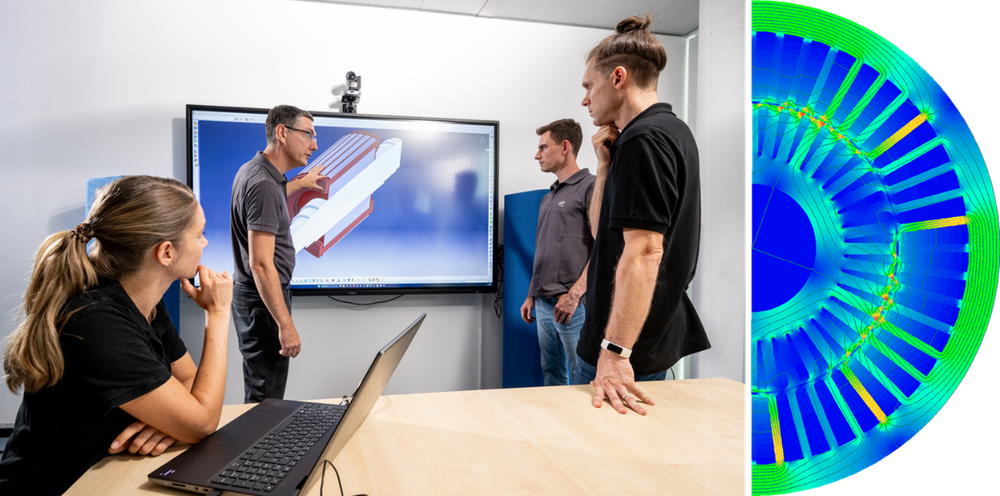
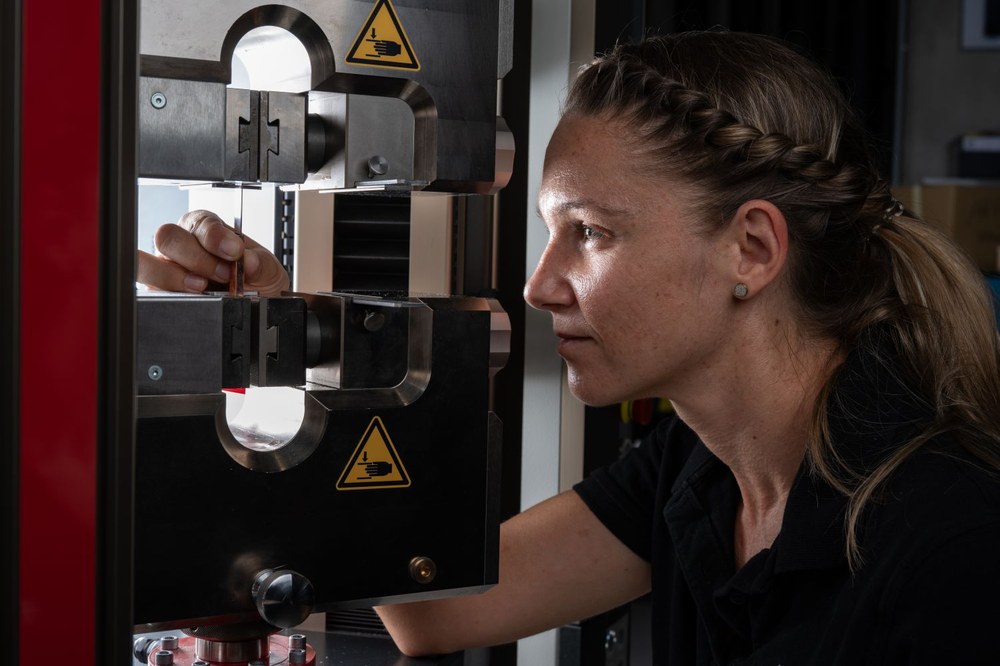
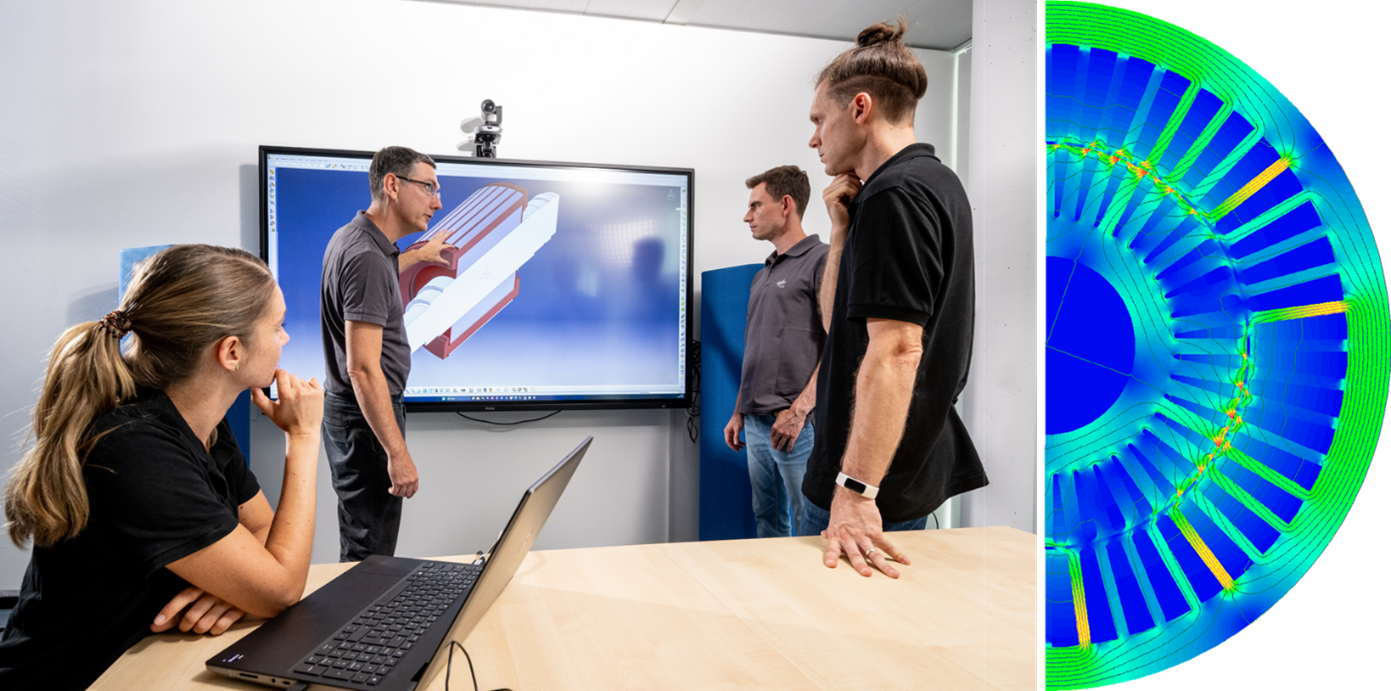
The project is being carried out at the DLR Institute of Vehicle Concepts in Stuttgart by an interdisciplinary team of specialists in materials science and electrical machinery.