
Virtual Coupling and Cooperative Train Operations: Simulation and Analysis
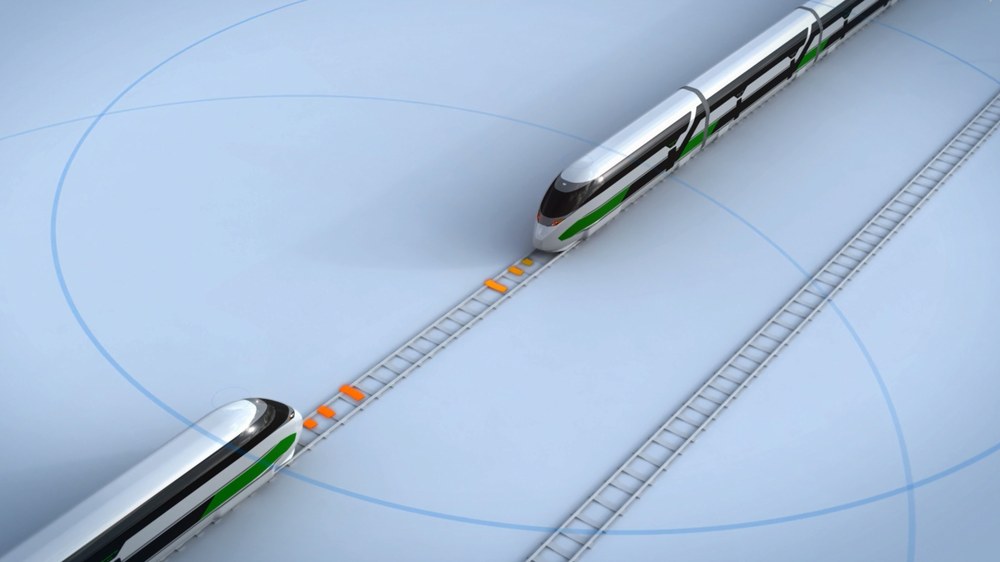
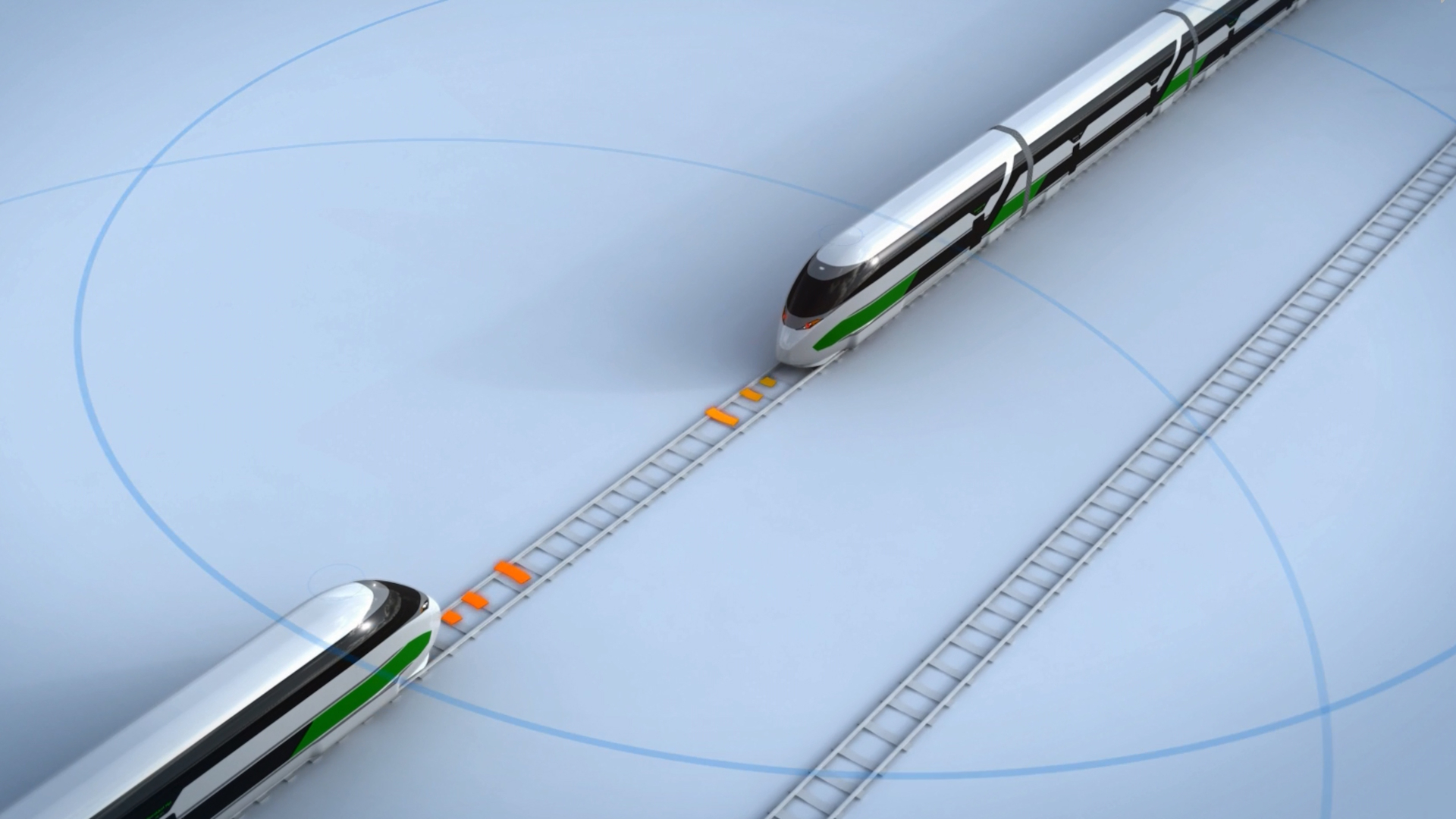
Virtual coupling is an innovative concept that allows trains to operate in coordinated virtual platoons without physical connections. It uses train-to-train communication, onboard sensors, and advanced control systems to ensure independent trains move together in a synchronized manner with relatively small distances between them, thereby increasing track capacity. It is the next major advancement in rail traffic management, optimizing operations while also increasing interoperability, flexibility, and robustness of train schedules.

Motivation
Europe’s shift from road to rail transport is creating high demand on existing rail networks. Building new tracks is costly, resource-intensive, and has significant environmental implications. Instead, maximizing the usage of existing infrastructure is essential to meet capacity needs sustainably.
Virtual Coupling provides a solution by enabling shorter headways, dynamic train convoy formations, and cooperative driving strategies. These innovations increase line capacity without additional tracks, offer greater operational flexibility through dynamic coupling and decoupling, deliver energy savings through coordinated maneuvers, and improve service reliability and punctuality.
Research Portfolio
The VCTS Simulation Package is a versatile framework for modeling and analyzing Virtual Coupling and cooperative train maneuvers. It supports detailed longitudinal train dynamics, control algorithms, and multi-train interactions, providing an environment to test future-oriented railway concepts. VCTS simulation package allows customizable train and track modeling, scenario-based simulation, analysis of multi-train interactions, and implementation of Virtual Coupling control algorithms and communication strategies. The simulation framework also offers an array of metrics and visualizations for in-depth performance analysis, allowing users to examine different aspects of train operations at varying levels of detail, facilitating informed decision making and identifying areas for enhancement.
Projects:
- FP2-R2DATO eurail-fp2
- ProCo - Propulsion and Coupling | DLR Verkehr
- X2Rail3 - X2RAIL-3
Publications:
- electronic library - Concept and Performance Analysis of Virtual Coupling for Railway Vehicles
- electronic library - Reasoning Functional Requirements for Virtually Coupled Train Sets: Communication
- electronic library - Virtually Coupled Train Sets – Concept, Challenges and Benefits – Part 1
- electronic library - Virtually Coupled Train Sets – Concept, Challenges and Benefits – Part 2
- electronic library - Virtually Coupled Trains Dynamics and Energy Efficiency: A Simulation-Based Analysis