DLR supports international MAGIC-AVALON measurement campaign with research flights
June 15, 2026
DLR supports international MAGIC-AVALON measurement campaign with research flights
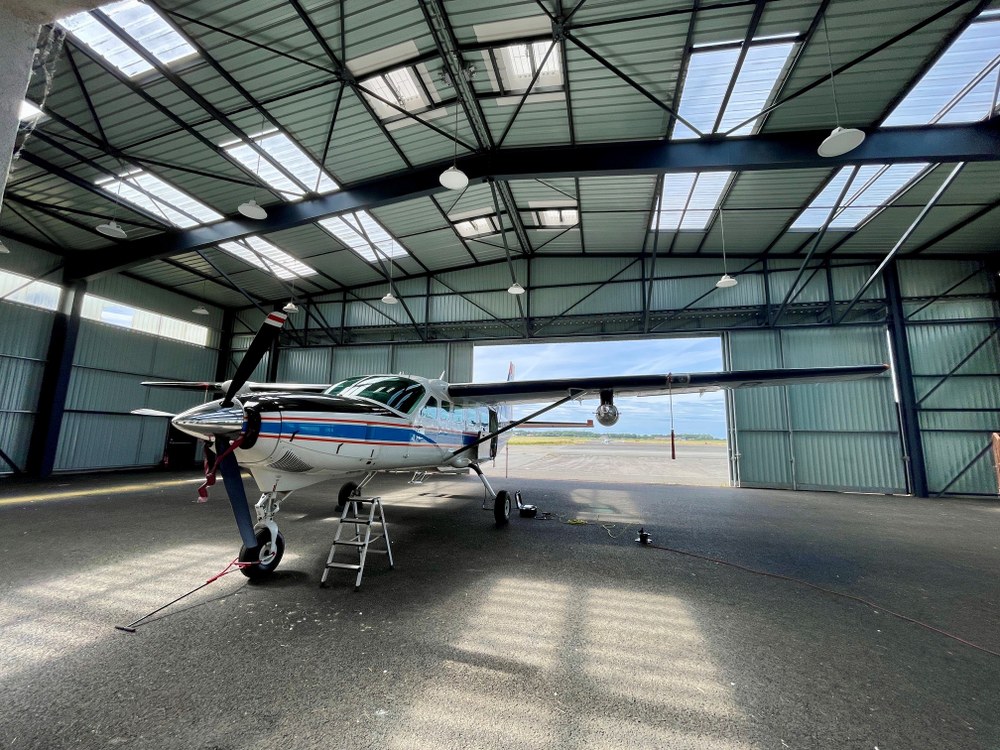
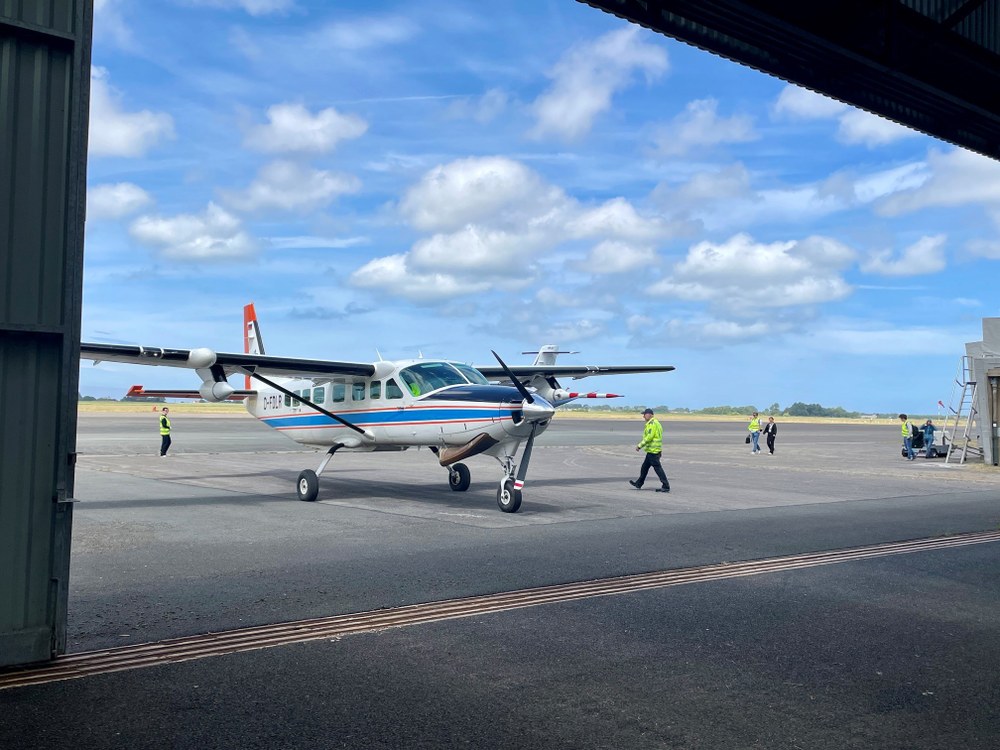
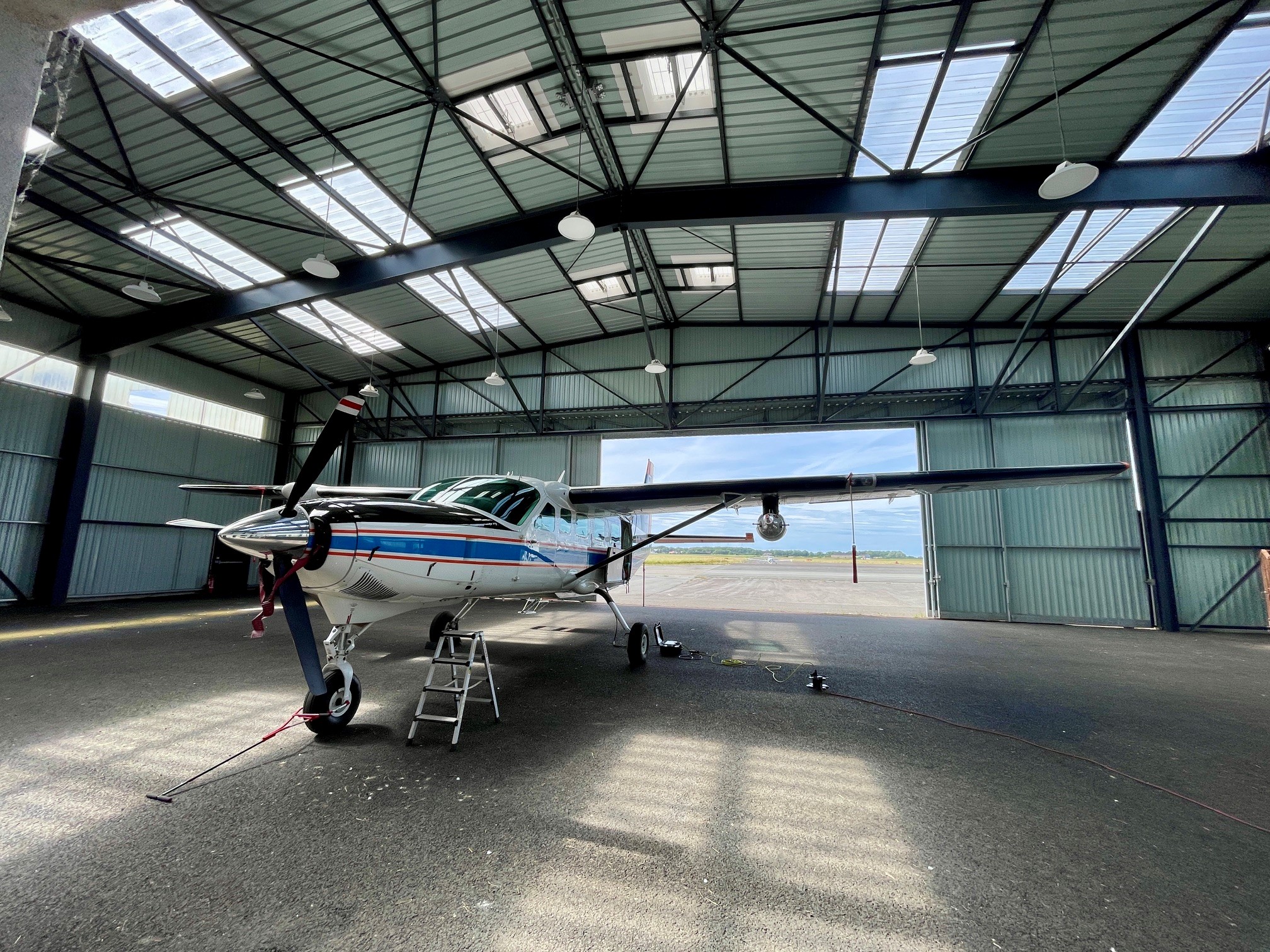
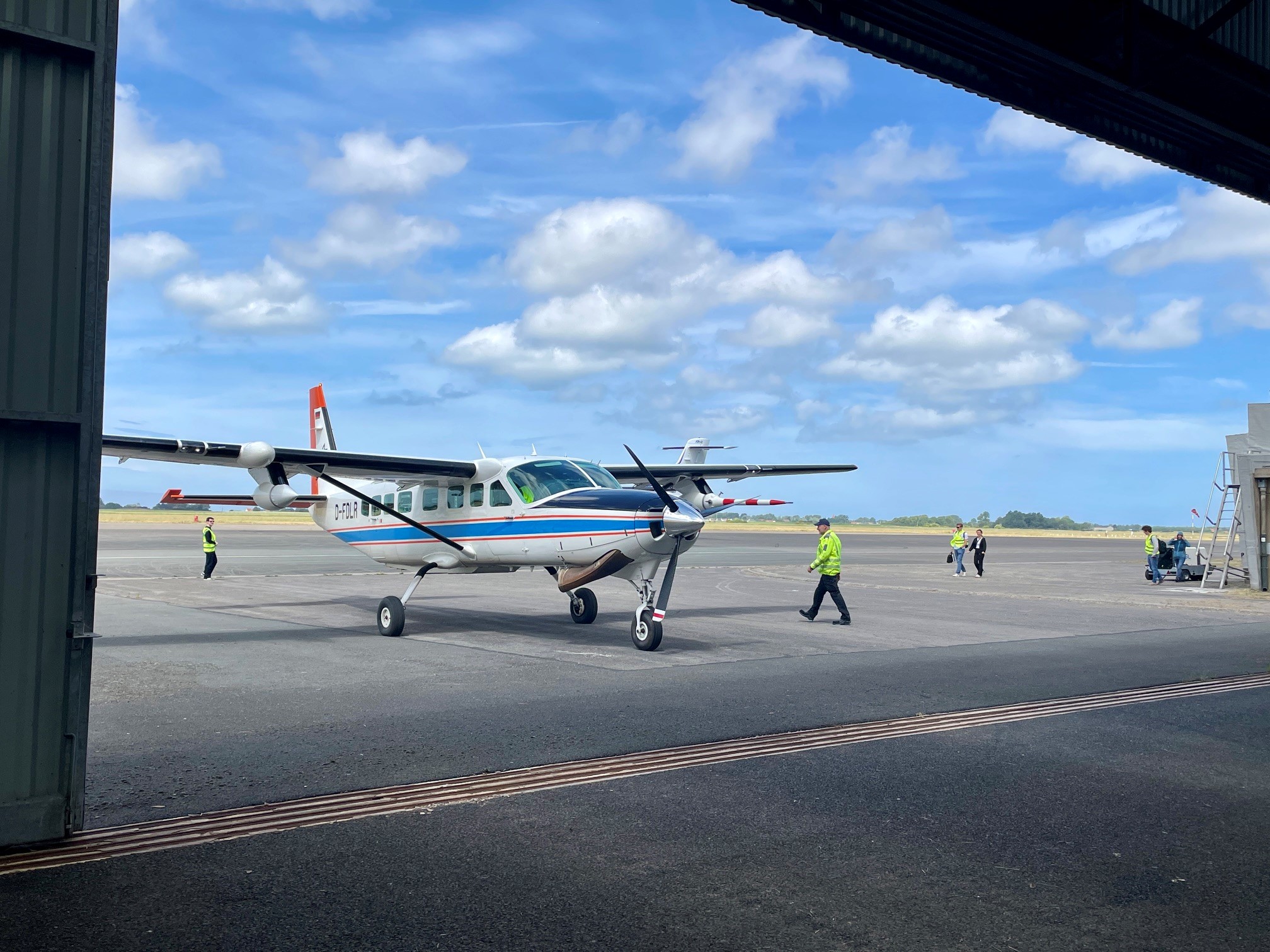
Research aircraft D-FDLR ready for measurement flight
The research aircraft D-FDLR in the hangar at the Calais station, equipped with highly sensitive instrumentation from the Institute of Atmospheric Physics and the external load container "METPOD"
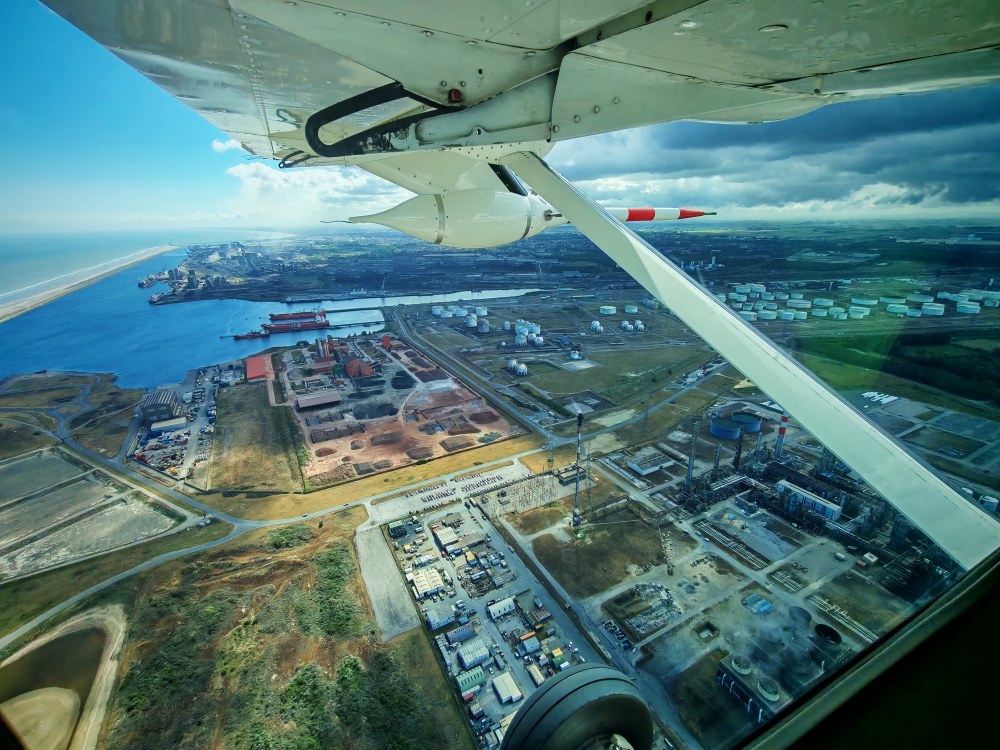
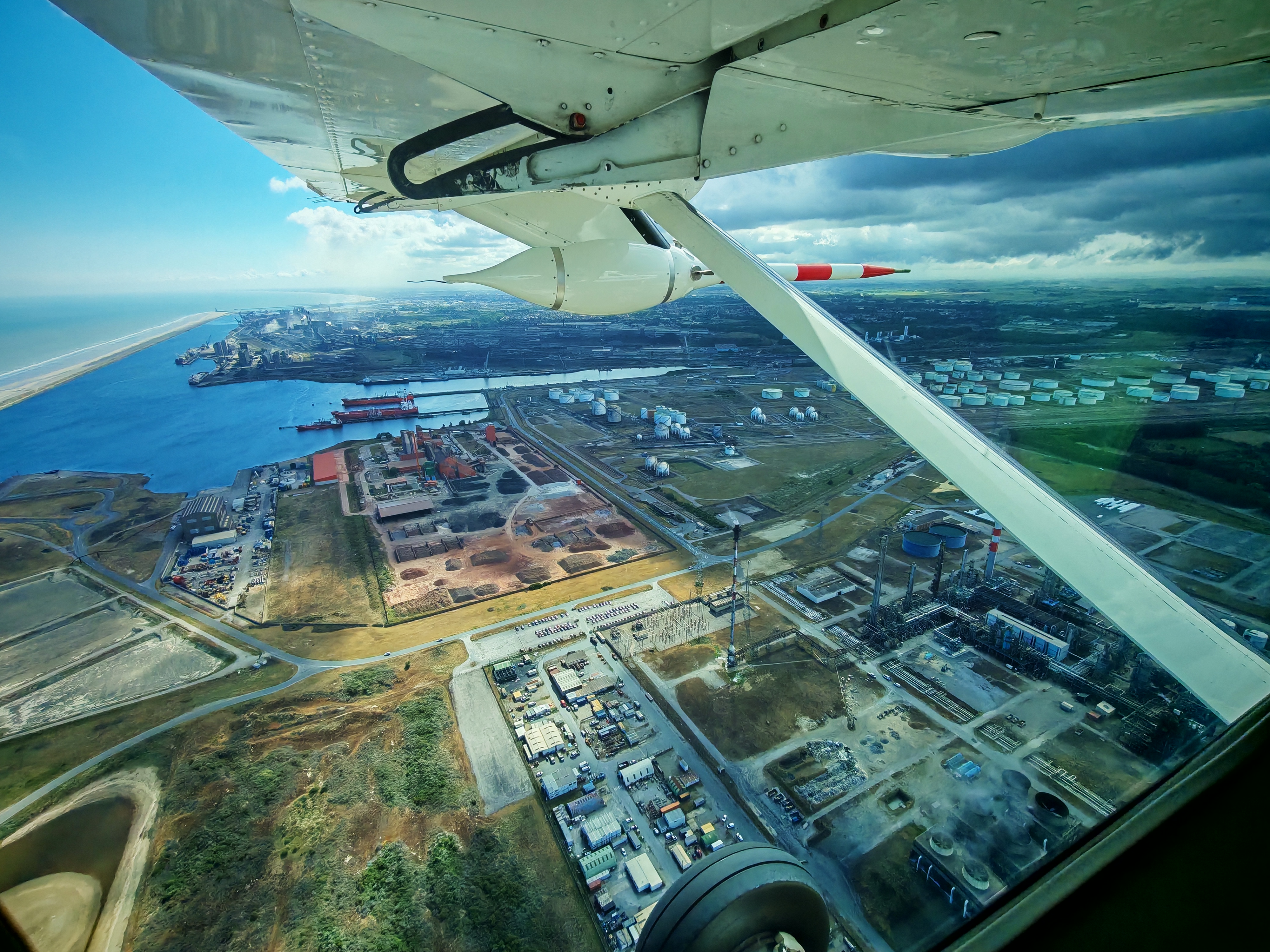
Measurement flight for the international MAGIC AVALON measurement campaign
Measurement flights over various industrial plants along the coast of Dunkirk, France, accompanied by ground measurements. The exhaust plumes from the industrial area were flown in several flight sections perpendicular to the exhaust plume at different altitudes
The DLR research aircraft, a Cessna Caravan, will be flying in France and Belgium from 1 to 22 June to carry out scientific measurements
The flights are part of a major international monitoring campaign MAGIC-AVALON
Its aim is to validate next-generation satellites and remote sensing instruments and to quantify agricultural emissions (methane, nitrous oxide)
Key areas: aviation, space travel, research aircraft, atmospheric research
The German Aerospace Centre (DLR) will be conducting measurement flights in France and Belgium from 1 to 22 June 2026 using its Cessna Caravan research aircraft (D-FDLR).
The DLR research aircraft is equipped with highly sensitive instrumentation from the DLR Institute of Atmospheric Physics and forms part of the major MAGIC-AVALON (Monitoring of Atmospheric Composition and Greenhouse Gases through Multi-Instrument Campaigns – Airborne VALidation Of New-generation satellites), in which 21 teams from 5 countries are participating.
The DLR is part of an international consortium of around 90 scientists who operate a wide range of instruments on the ground, on board hundreds of weather balloons and on board three research aircraft (SAFIRE ATR42, DLR Cessna Caravan and SSF-Tecnam P2012).
The MAGIC-AVALON campaign aims to provide comprehensive insights into the state of the atmosphere at the time of the satellites’ flyover, in order to use in-situ instrumentation to validate the data products of newly launched European satellites, measure anthropogenic greenhouse gases, and prepare for future European space missions.
Two specific regions are being intensively monitored: Flanders (Belgium) and Brittany (France). These two regions are major emitters of methane and ammonia, as well as carbon dioxide, and are therefore of particular scientific interest.