
First flight of the new BAHAMAS 2.0 measuring system on HALO


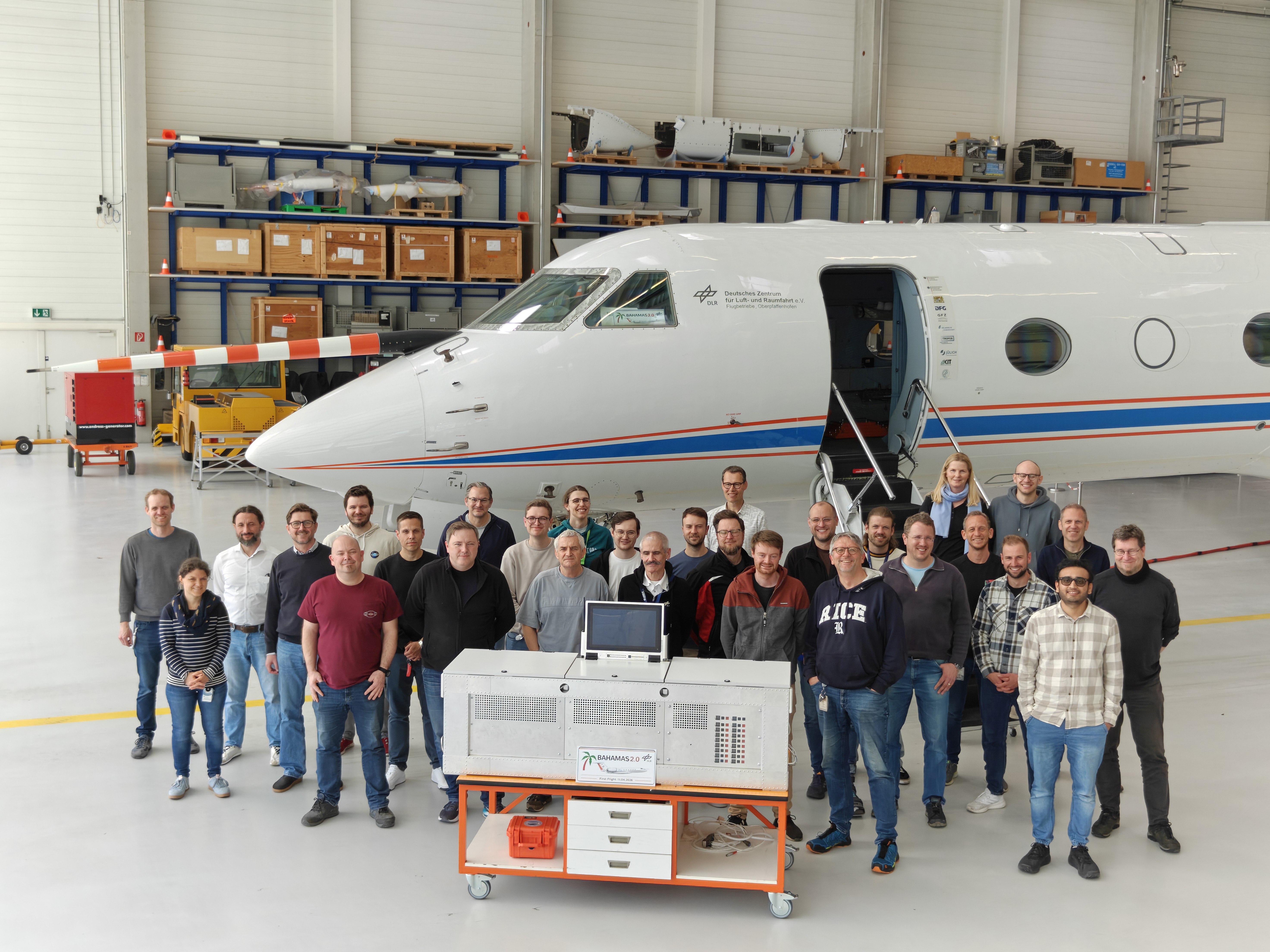
- The HALO research aircraft is equipped with a new basic measurement systemssanlage
- The new BAHAMAS 2.0 data acquisition system had its successful maiden flight on 11 April 2026
- The new system features numerous innovations and improvements compared to its predecessor
- BAHAMAS 2.0 will once again provide reference data for scientific experiments on the HALO research aircraft for many years to come
- Focus: Aviation, Space
First flight of the new BAHAMAS 2.0 measuring system on HALO after two years of development
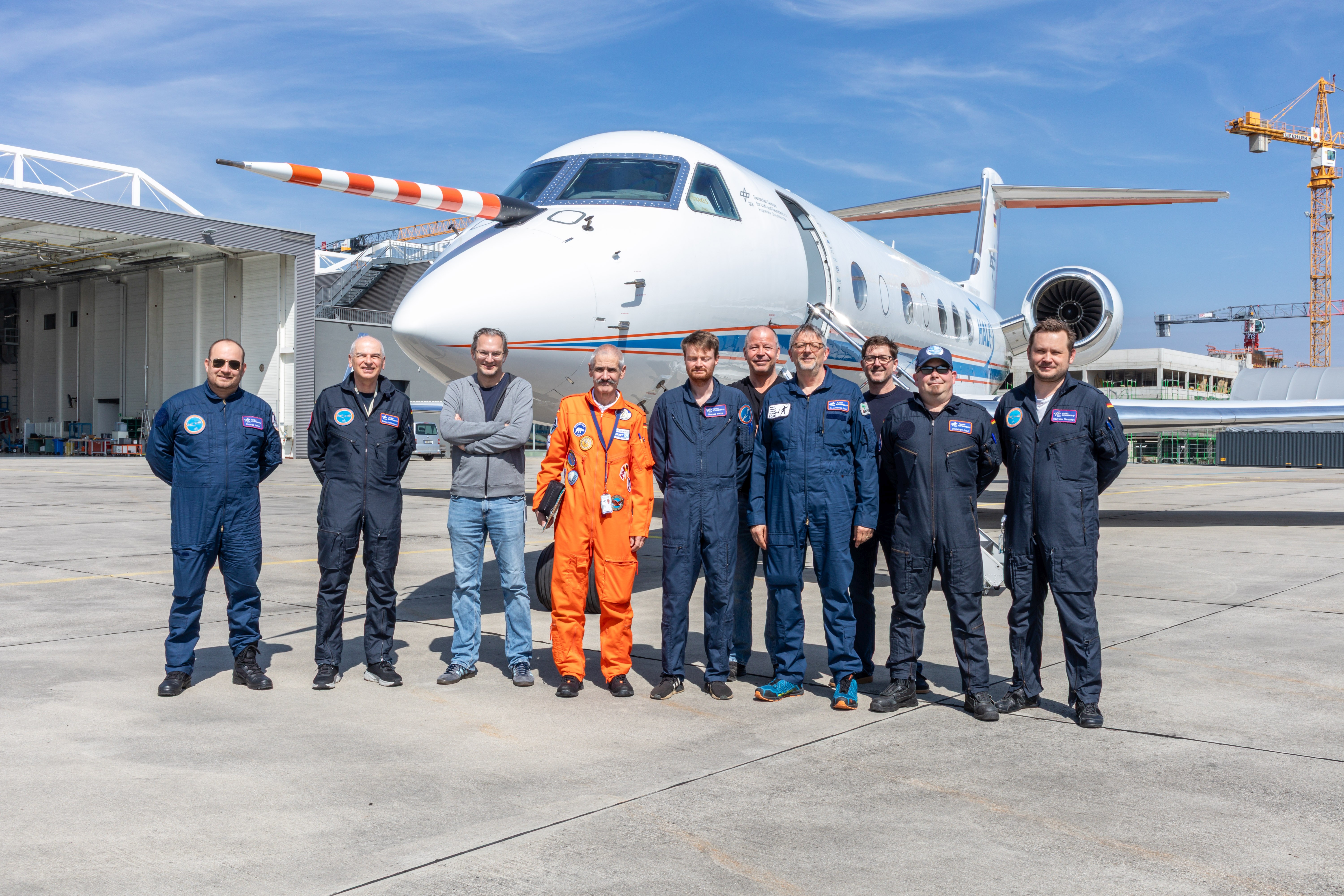
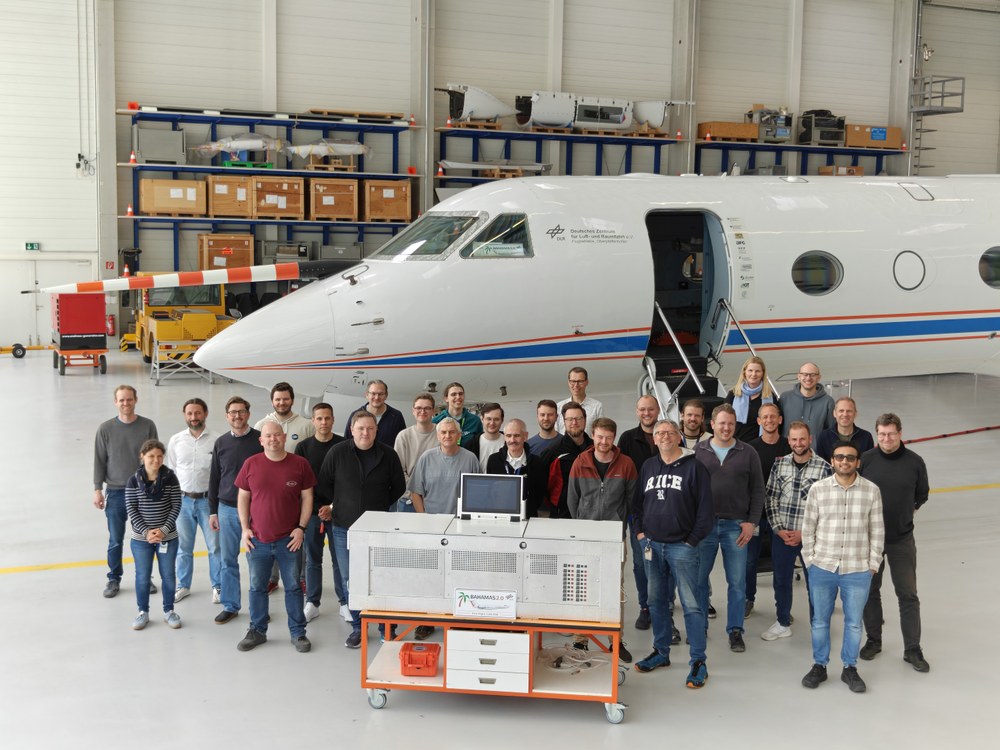
The maiden flight of the new BAHAMAS 2.0 (BAsic HALO Measurement And Sensor System) basic measuring system on the HALO research aircraft took place in Oberpfaffenhofen on 11 April 2026. The flight, during which the electromagnetic compatibility of the measurement system with the aircraft itself was tested, lasted around 2.5 hours and represents one of the final steps on the way to aeronautical certification of this new system. The flight marks the end of a very intensive development, production and certification phase by the Flight Experiments facility, which lasted almost two years. BAHAMAS 2.0 replaces its predecessor system BAHAMAS 1, which has now reached the end of its service life after 17 very successful years of operation. In addition to the actual data acquisition, BAHAMAS 2.0 includes a powerful sensor package that is used to determine basic meteorological parameters such as pressure, temperature, wind and humidity with extremely high accuracy, as well as important aircraft parameters. This data set forms the common basis for all scientific experiments on HALO, which results in the high standards of accuracy and reliability of this system. Probably the most important component of the system is HALO's eye-catching nose mast, which carries BAHAMAS' pressure and flow measurement technology.
Highly accurate reference data for science
The predecessor system BAHAMAS 1 has set new standards in terms of the accuracy and reliability of meteorological flight measurement technology over the course of its service life and is now regarded as one of the best airborne measurement systems of its kind in the world. For example, the system is able to measure air pressure under all flight conditions with an absolute accuracy that corresponds to an altitude difference of less than one metre in the lower atmosphere. Flow velocities are determined so precisely by BAHAMAS that it is possible to filter out the atmospheric wind as a 3-dimensional vector with a time resolution of 100 Hz and accuracies of less than 1 km/h from the aircraft's airstream. The system can also resolve flow fluctuations of a few centimetres per second.
The main objective of the current development was to at least maintain this established quality standard and to reliably ensure the availability of highly accurate reference data on HALO for many years to come. The great effort involved in setting up BAHAMAS 2.0 is explained by numerous boundary conditions, the most important of which is the granting of an aeronautical licence. This makes BAHAMAS 2.0 formally part of HALO, and in this way a comprehensive and accurate basic data set becomes part of every flight.
Extensive requirements and demanding operating scenarios
Many of the experiences and suggestions for improvement gathered during the many years of operation of the predecessor system were directly incorporated into the design of the successor, and the technical development of many of the system components used also had to be taken into account. Due to the high demands in terms of accuracy and the sometimes extreme environmental conditions at the installation site, most of the air data sensors used had to be developed or modified by the Flight Experiments facility itself. In view of the many innovations and design changes, the structure of BAHAMAS 2.0 must therefore be assessed as a new development, which requires a corresponding qualification and testing effort.
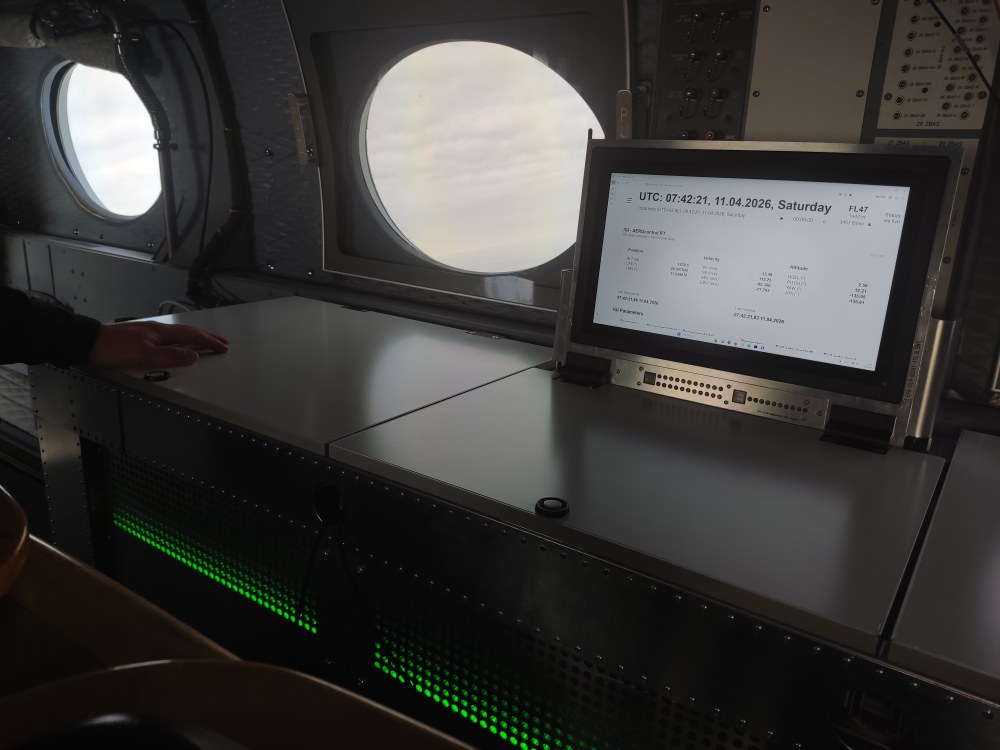
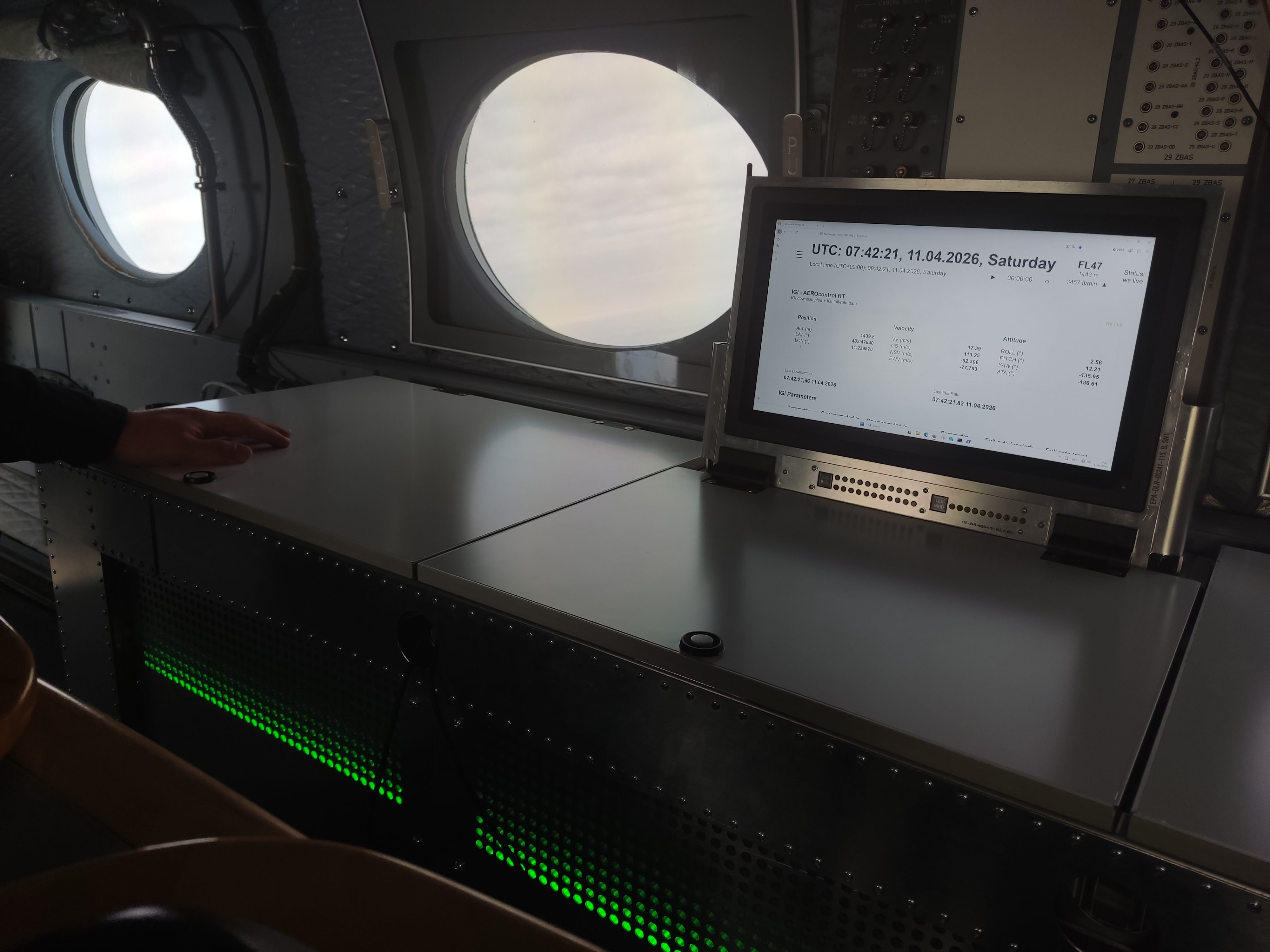
BAHAMAS flies without individual supervision by a scientist. The system must therefore function autonomously and be intuitive to understand and operate for the scientists travelling on board. This means that the system must communicate its operating status clearly and in a way that everyone can understand, especially with regard to any problems that arise or any interventions required by the cabin crew. To achieve this goal, aviation standards were incorporated into the design of the operating elements. To visualise the system status, however, something new was ventured with the illumination of the air inlets and the use of an intuitive "traffic light system". The colour-illuminated ventilation grilles are the new face of BAHAMAS and ensure that the personnel on board always have the status of BAHAMAS "in view".
Baptism of fire in August
During its first flight, BAHAMAS 2.0 was flown with the same scope of services as its predecessor system. The system functioned reliably and has already successfully demonstrated a restart in flight, among other things.
BAHAMAS 2.0 is set to pass its baptism of fire on the CoMet (Carbon Dioxide and Methane Mission for HALO) 3.0 Tropics research campaign in August 2026 and be used for the first time as part of a scientific mission. Until then, further finalisation work, analysis of the data from the test flight and final approval work will take place.
Further information on this topic on our publication server "elib"
Research report on the calibration of pressure measurement on HALOALO
Static Source Error Calibration of a Nose Boom Mounted Air Data System on an Atmospheric Research Aircraft Using the Trailing Cone Method
esearch report on the calibration of pressure measurement on HALOanövern
Calibration of a Nose Boom Mounted Airflow Sensor on an Atmospheric Research Aircraft by Inflight Maneuvers
Determination of the measurement error of the BAHAMAS data
Determination of the Measurement Errors for the HALO Basic Data System BAHAMAS by Means of Error Propagation