
Columbus: 15 Years in Orbit

NASA
- Continuous monitoring of the Columbus module for 15 years: The Columbus Flight Control Team in Oberpfaffenhofen has been continuously monitoring the Columbus module on board the ISS and supporting the astronauts with scientific experiments and repairs.
- Historic launch and continuous improvements: The European research laboratory Columbus was brought to the ISS on 7 February 2008 on board the space shuttle ‘Atlantis’. Since then, the Flight Control Team has continuously optimised operations and maintained the shift schedule despite challenges such as the pandemic and staff shortages.
- Future tasks: The team is optimistic about the future and hopes to play a central role in future space missions, such as those to the moon.
For 15 years, the light in the Oberpfaffenhofen control room has been on continuously – for 15 years, it has been permanently manned by the Columbus Flight Control Team: Day and night, the team, headed by a flight director, monitors the Columbus module on board the International Space Station ISS, is in contact with NASA colleagues, and guides the astronauts in their scientific experiments or repairs.
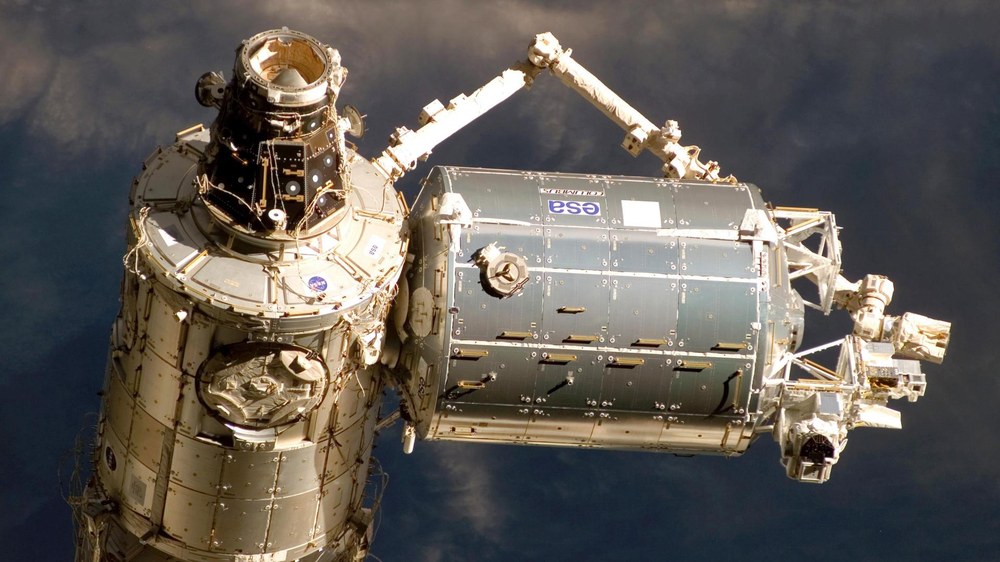
On February 7, 2008, the space shuttle "Atlantis" took off with the European research laboratory in its cargo bay. A few days later, Columbus was docked to the ISS, activated by the Oberpfaffenhofen team and finally accessed by the crew for the first time. Hans Schlegel and Leo Eyharts were the ones who got the first look inside the module after its "hell ride" through the atmosphere. After a design and construction phase of several years, the laboratory had waited for several months hermetically sealed for its launch – due to the "Columbia" accident and further delays in the Shuttle and ISS programs, the start of its mission had been repeatedly shifted.
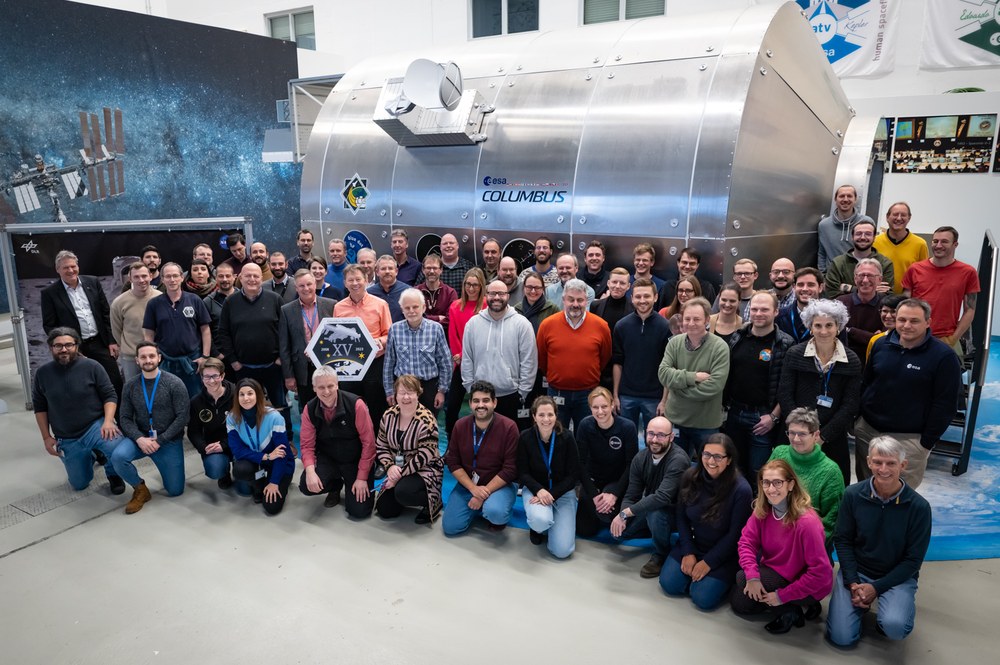
Only a few members of the Flight Control Team, which celebrated "15 years of Columbus in orbit" today, had actually taken an active part in the 1E mission of "Atlantis". The shift work, the huge responsibility on console, all this caused permanent personnel changes in the team. In addition, the work on console, which is preceded by about one year of special training on top of an academic degree, qualifies them for "higher" tasks: Many flight controllers are now working in important key positions at DLR, ESA and in the industry.
"Keeping the shift schedule adequately staffed and with redundancy despite thin staffing levels, pandemics or holidays was not always easy," says Dr. Dieter Sabath, responsible for Columbus operations. "We were constantly improving, optimizing and saving expenses over the last 15 years. But the motivation is high – and our mission, after all, is also quite extraordinary." That's why Sabath and his team are also optimistic about the future: "The moon is now reappearing on the horizon of spaceflight – and we hope that, again, we in Oberpfaffenhofen will play a central role here."
For its jubilee, the Oberpfaffenhofen team wishes to continue flying safely for many years to come and to continue delivering scientific data on a daily basis. And for themselves? "Good contact with our 'youngster' at all times," says Sabath.