
SALDI
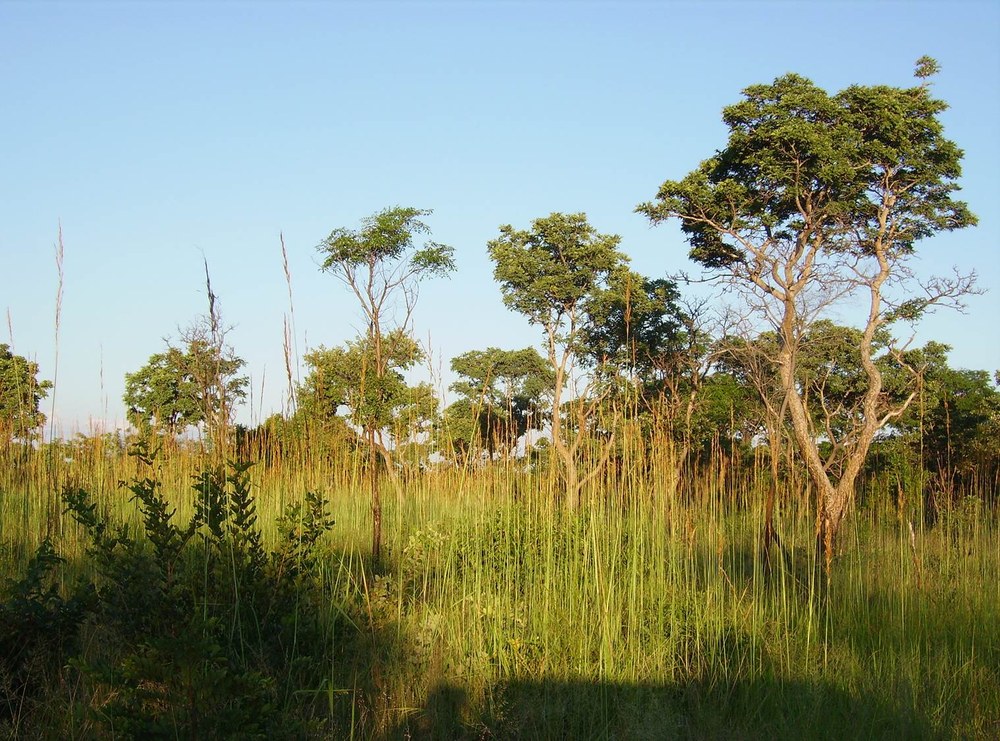

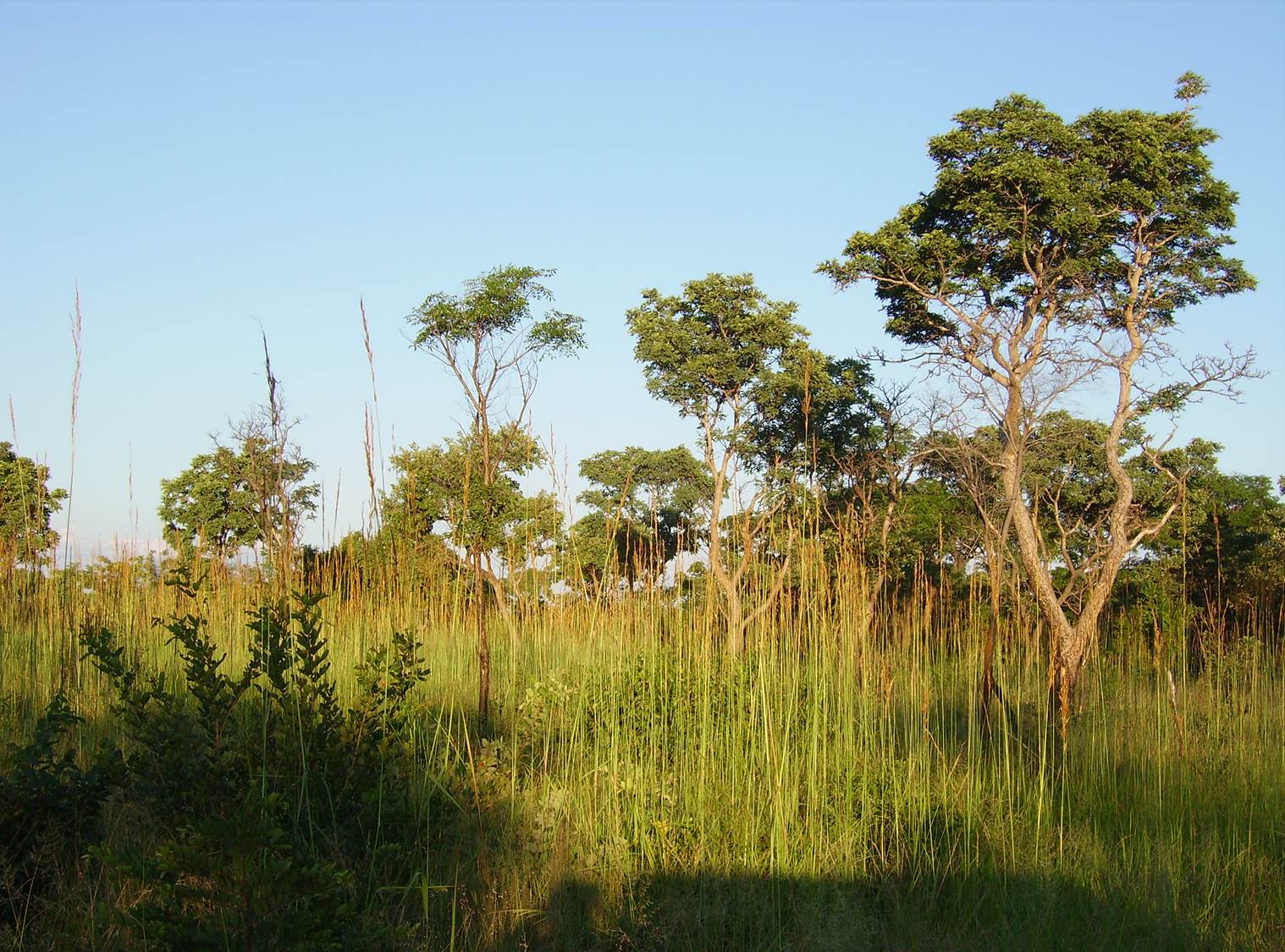
South Africa will be severely affected by climate change and extreme weather events in the coming decades, which will also be reflected in the shift of vegetation zones. Together with strong population growth, this increases the risk of land degradation and thus the permanent loss of land areas.
The aim of the SALDi joint project is to implement new, adaptive, and sustainable tools for assessing land degradation in southern Africa. Measurements, modeling, and evaluation of satellite data are used to provide time series on land surface dynamics and climate interactions.
The Agricultural Ecosystems and Phenology team in the Land Surface Dynamics Department focuses on the further development of optical and synergistic remote sensing methods for vegetation monitoring by incorporating intra- and inter-annual variability at high temporal and spatial resolution. Furthermore, developments in the field of big data processing ensure that the satellite data products required for degradation monitoring can be generated quickly and cost-effectively.
The partner consortium led by the University of Jena includes the DLR, the Agricultural Research Council (ARC), the South African National Space Agency (SANSA), the Council for Scientific and Industrial Research (CSIR), the University of Stellenbosch, the National Park Authority (SANParks), Escom Ltd., and the German partners University of Augsburg and University of Tübingen. SALDi is a research project funded by the German Federal Ministry of Education and Research (BMBF) as part of the "Spaces2" funding guideline.