A 10-year study to assess fitness, training and health in masters athletes
The aim of this study with older athletes is to record the benefits and risks of competitive sports beyond the age of 35. Based on this information, recommendations for preventative and medical training measures can be derived.
Background of the TaFMAC study
It is widely accepted that exercise promotes health. But what type of training is optimal and what are the risks? To answer this question, we collect data on fitness, training habits, nutrition, competition performance, quality of life and medical aspects from older athletes.
TaFMAC
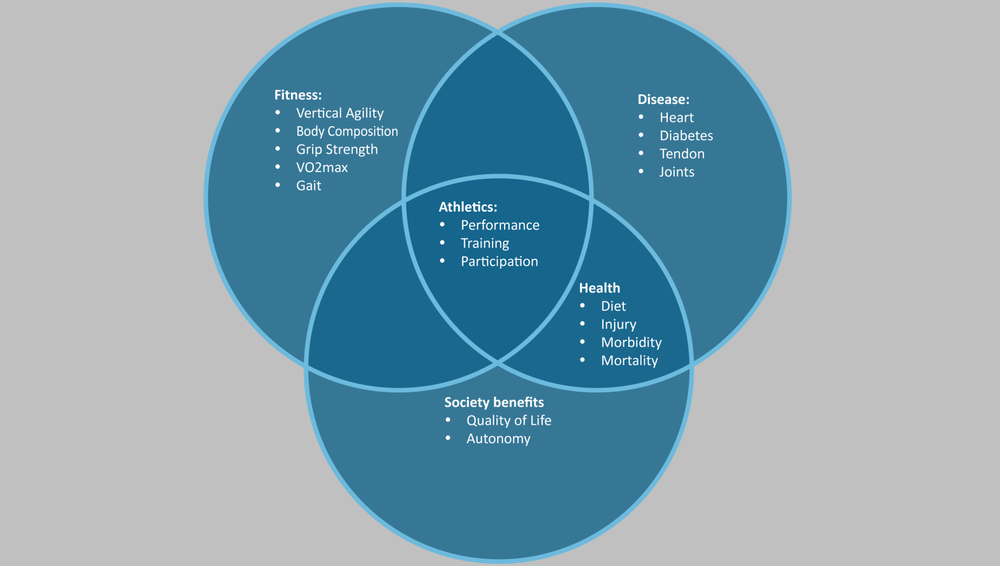
TaFMAC’s study rationale: The interplay between fitness, athletics, health aspects and their relation with disease and societal aspects.
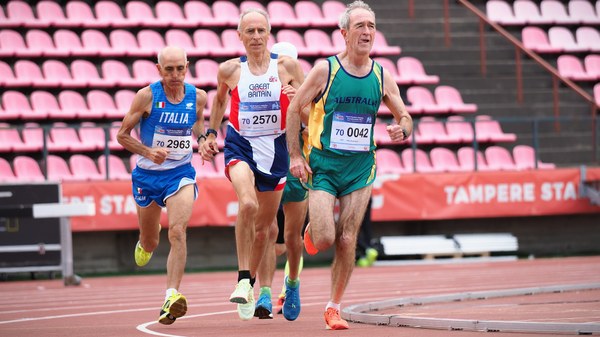
In contrast to many people who reduce their physical activity as they age, masters athletes often remain active in competitive sports well into their 9th decade. The Track and Field Masters Athletics Cohort field study (TaFMAC) project collects data from these athletes and contributes to a better understanding of the advantages and disadvantages of competitive sports at an advanced age. For this purpose, examinations are regularly carried out at athletics championships, which are co-financed by the participating athletes.
After completing the study, we want to be able to give evidence-based recommendations to athletes, but also to the general population.
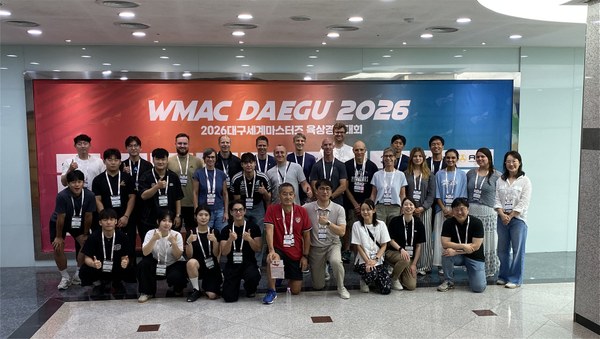
The study began in 2022, and so far, four data collection campaigns have been conducted: in 2022 in Tampere (Finland), in 2023 in Toruń (Poland), in 2024 in Gothenburg (Sweden), and in 2025 in Gainesville, Florida (USA). The next campaign will take place in August 2026 in Daegu, South Korea. To date, 834 athletes have participated. Ahead of the current campaign in Daegu, South Korea, nearly 1,200 athletes have expressed interest in participating.
The study is being led by the Department of Metabolism and Human Performance at the DLR Institute of Aerospace Medicine. The internal collaboration partner is the Department of Cardiovascular Aerospace Medicine; additionally, the University of Texas at Austin (USA) and the University of Saskatchewan (Canada) are participating, as well as other partners, such as those from South Korea in 2026.