
The energy transition requires not only the development of new technologies, but also their reliable and economical operation. For many years, the Institute of Solar Research has been developing innovative approaches that make a decisive contribution to ensuring the performance of solar power plants and reducing costs, both in research and in industrial applications.
Research focus and methods
Our work in the field of condition monitoring includes optical and thermal measurement methods that are continuously being developed and adapted to industrial requirements.
Optical methods
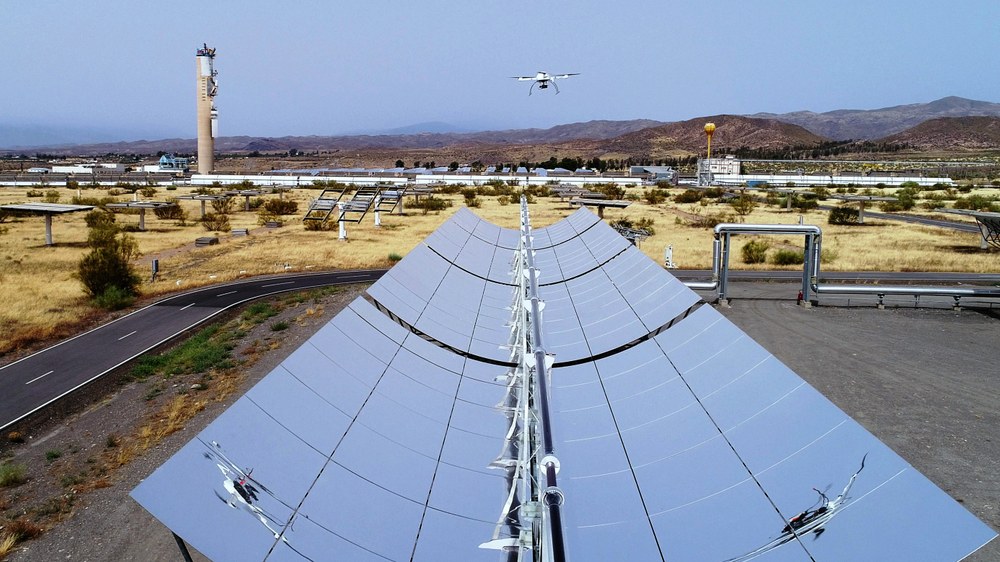
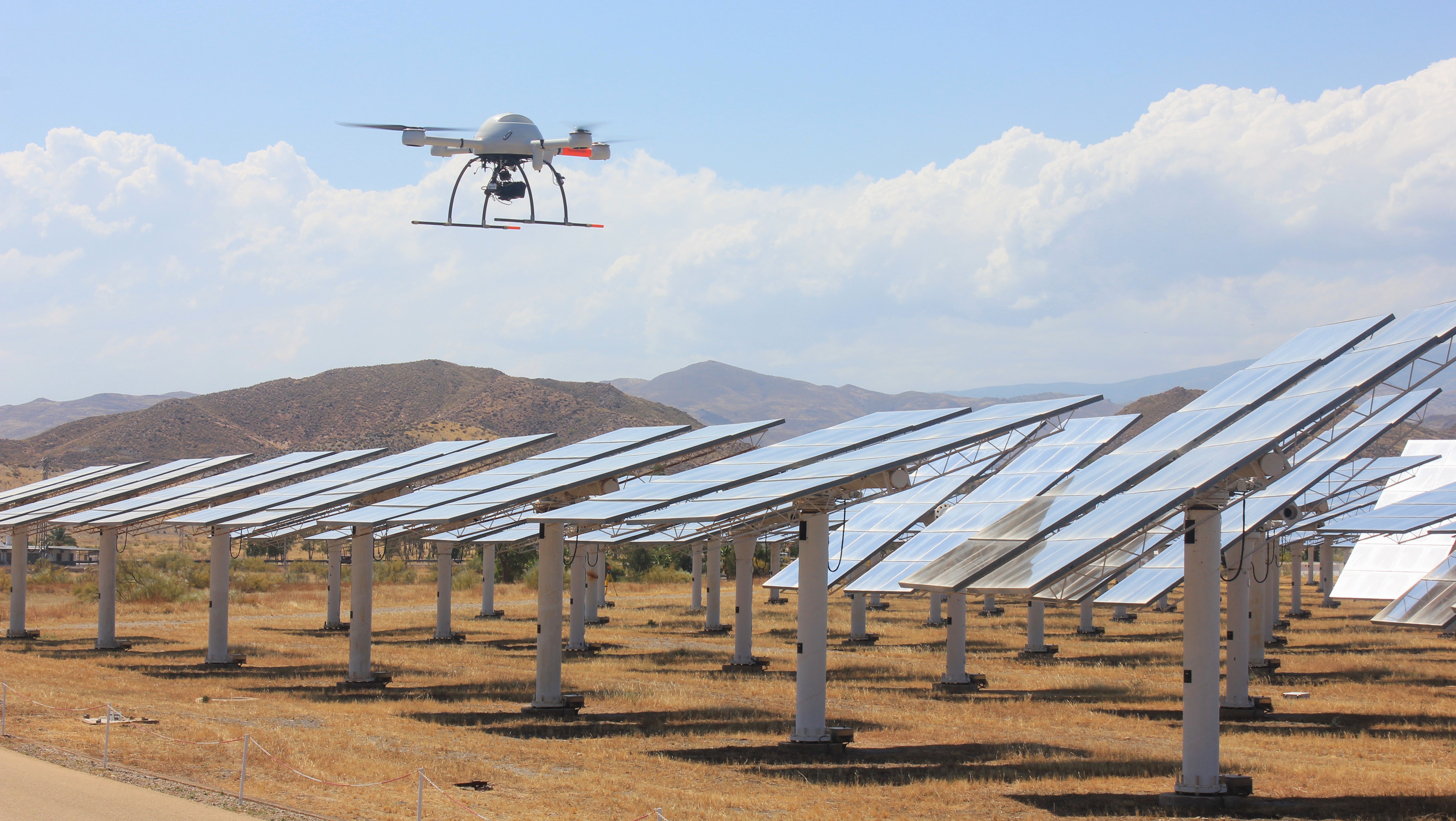
Optical measurement techniques have a long tradition at the institute. With the help of drones, we can efficiently record measurement data over large areas. Our methods include
- Geometric analyses of parabolic troughs: Airborne methods for determining mirror shape deviations, tracking angles and torsion. These methods have already been successfully transferred to industry under the name QFly.
- Heliostat calibration and shape measurement: With a newly developed drone method that uses LED markers and cameras, the orientation of heliostats can be determined quickly and precisely - a considerable time saving compared to conventional methods
- Soiling measurements: Dirt on mirrors and photovoltaic modules reduce efficiency. We develop methods for quantitative recording in order to derive optimal cleaning strategies.
- Photovoltaic inspection: Drones with thermal imaging and RGB cameras (red, green, blue) identify hotspots and make it possible to differentiate between damaged modules and temporary sources of interference such as dust, bird droppings or leaves.


Thermal methods
In addition to optical methods, thermal methods play a central role. They are used in particular to monitor and evaluate receiver tubes in parabolic trough collectors:
- Airborne infrared measurements: With the help of AI-supported evaluation, heat losses from receivers and pipework can be determined.
- Qualification of new heat transfer fluids: In cooperation with industry stakeholders and research institutions such as CIEMAT, long-term measurements are carried out to validate, standardise and further develop the fluids.

Acceptance procedures for systems under construction or completed
- Optical and thermal acceptance of parabolic trough solar fields and receivers
- Heliostat fields and tower receivers
New approaches, standardisation and method transfer
Our research goes beyond pure measurement. We use virtual test environments to generate synthetic data for AI-supported evaluations and optimise flight missions in advance. Machine learning is increasingly being used, for example in image registration, image recognition, the detection of malfunctions or vibration analyses. The aim is to achieve largely autonomous measurement data acquisition, which will make the operation of large solar fields considerably easier in the future.
We are also making an important contribution to standardisation. As part of SolarPACES Task III, IEA PVPS Task 13 and 16, and standardisation bodies in IEC, ISO and ASTMis, we are developing best practice guidelines and standards to ensure the comparability and reliability of measurement results.
QUARZ® test and qualification centre
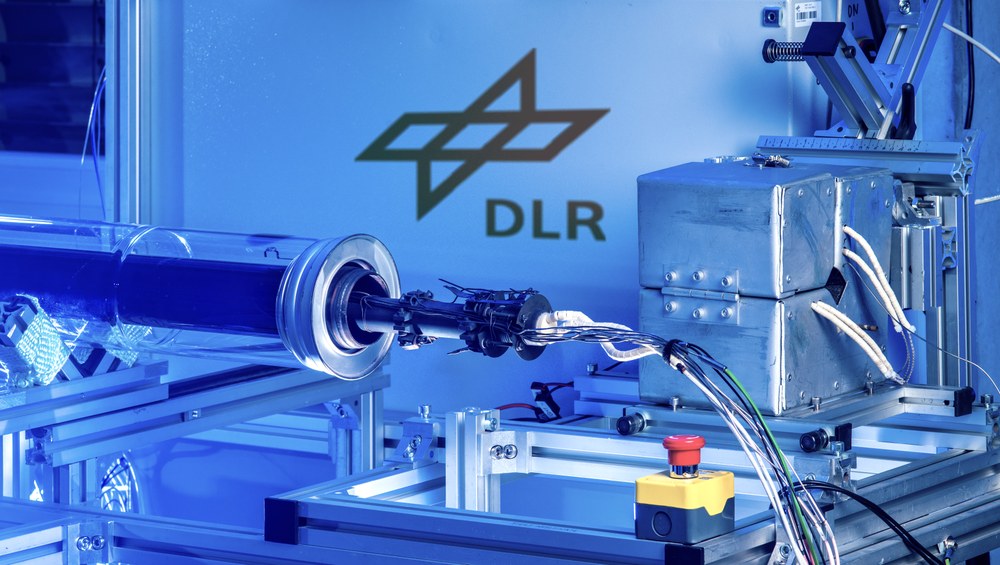
A central component of our activities is the QUARZ® Center, which is accredited by the German Accreditation Body (DAkkS). At the QUARZ® Center, the optical, geometric, mechanical, and thermal properties of solar energy components are tested under realistic operating loads. This provides manufacturers and EPC (Engineering, Procurement and Construction) companies with reliable data for the design, certification and marketing of their products.
Benefits and social relevance
Condition monitoring and quality assurance are key factors for the successful implementation of the energy transition. Our measurement methods help to make the operation of of solar power systems more efficient, durable and cost-effective. This strengthens the competitiveness of European manufacturers, supports operators in investment decisions and reduces risks for energy suppliers. By standardising our methods, we also create globally valid quality standards that facilitate international technology transfer.
In this way, we are not only contributing to scientific progress, but also to a sustainable, secure and economically viable energy supply – in Germany, Europe and beyond.