Electrification of informal transport services in developing countries using the example of TukTuks in Dar es Salaam.
The campaign, which involved four groups of drivers with 69 vehicles, is the basis for a needs assessment of tuk-tuk taxi services in Dar es Salaam. The results are intended to provide insights into the day-to-day requirements profile (number of journeys, distances, terrain coverage and more) and thus provide important information for the potential electrification of the vehicles.
Realisation
Parallel to the tracking, a survey was also conducted in which socio-economic characteristics and other aspects of the service were recorded.
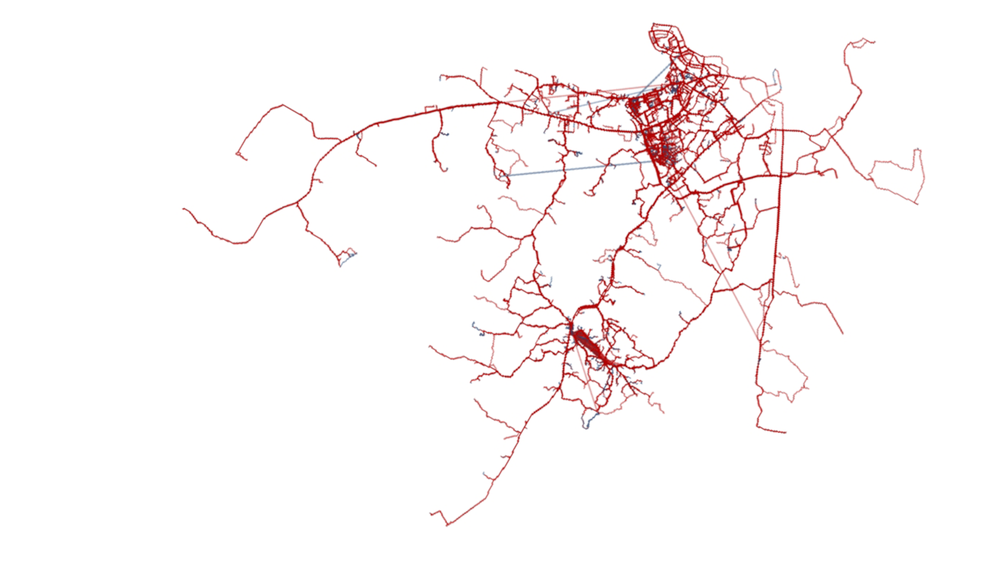
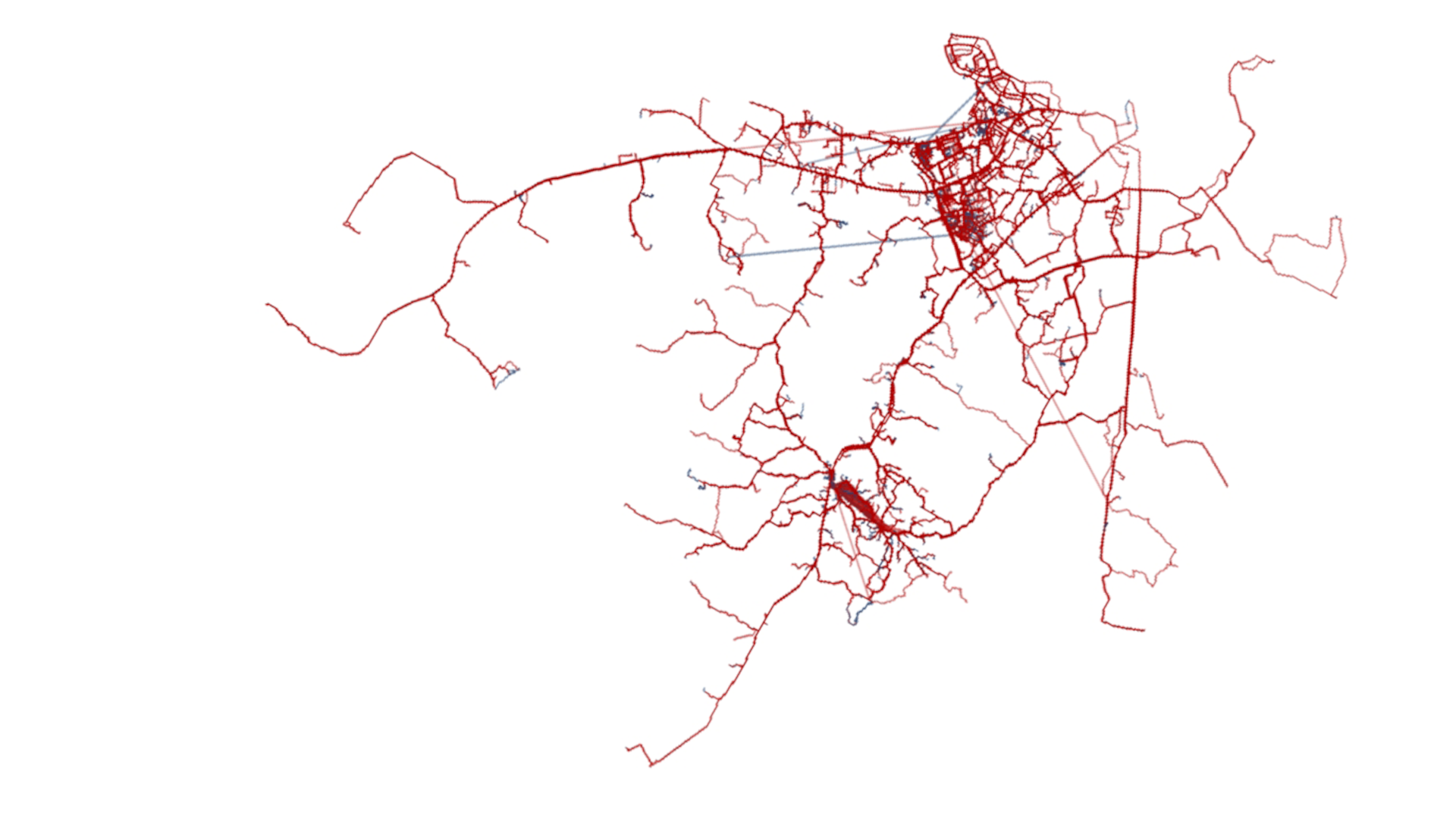
All routes travelled in the study
Graphical representation of analysed routes in Dar-Es-Salaam, Tanzania.
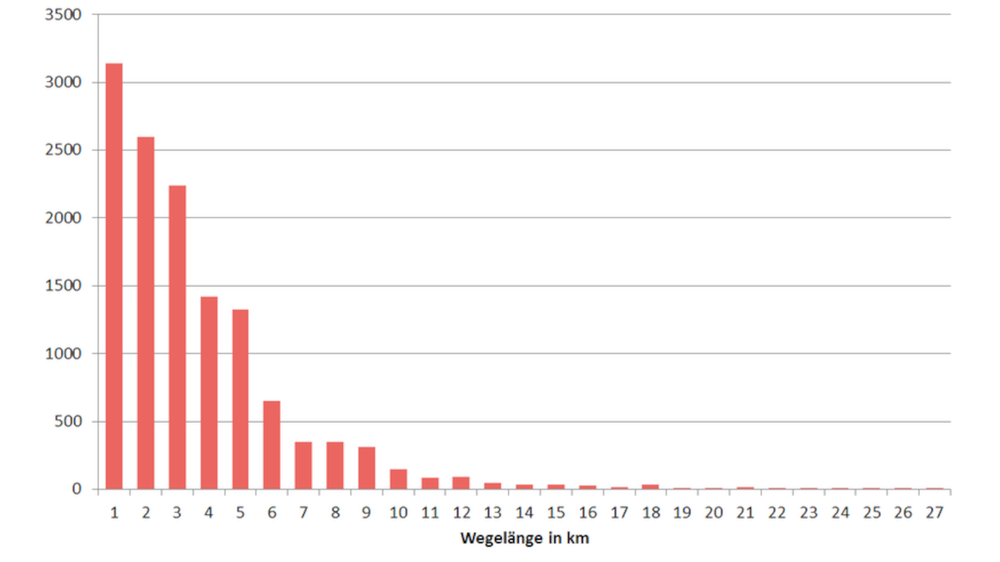
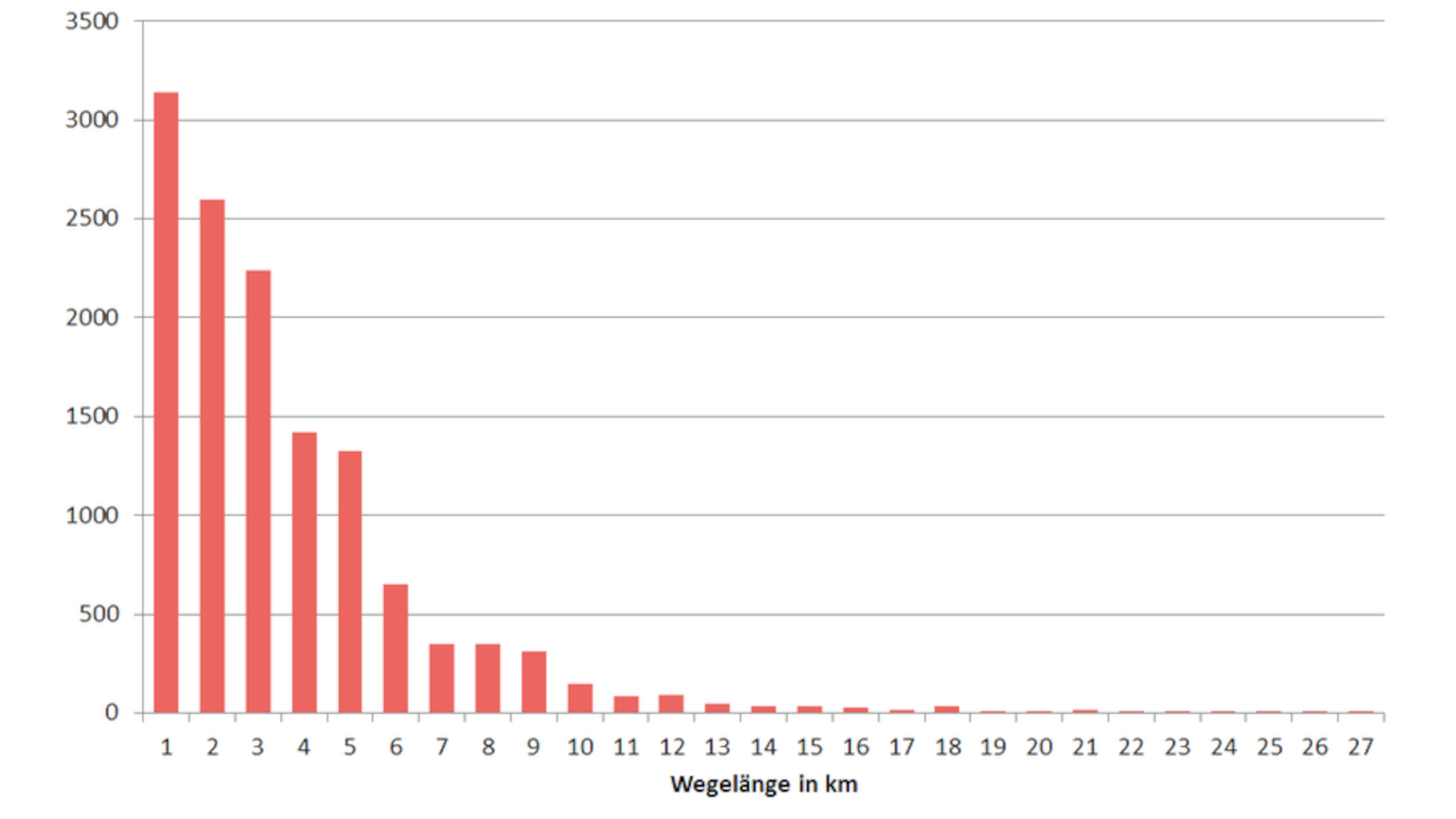
Most routes were less than 10 kilometres. Depending on the urban area, the average length of a route was between 5.5 and 10.1 km.
Service features
6.4 working days per week
13.4 working hours per day
3.14 delivery journeys per week
The campaign is a data-based first step towards evaluating the real-life usage conditions of TukTuks and thus a foundation for sound planning of future electrification strategies in informal mobility.