Schwelle 3.0 – Use of AI methods for DB-InfraGo inspection tasks
Schwelle 3.0 – Use of AI methods for DB-InfraGo inspection tasks
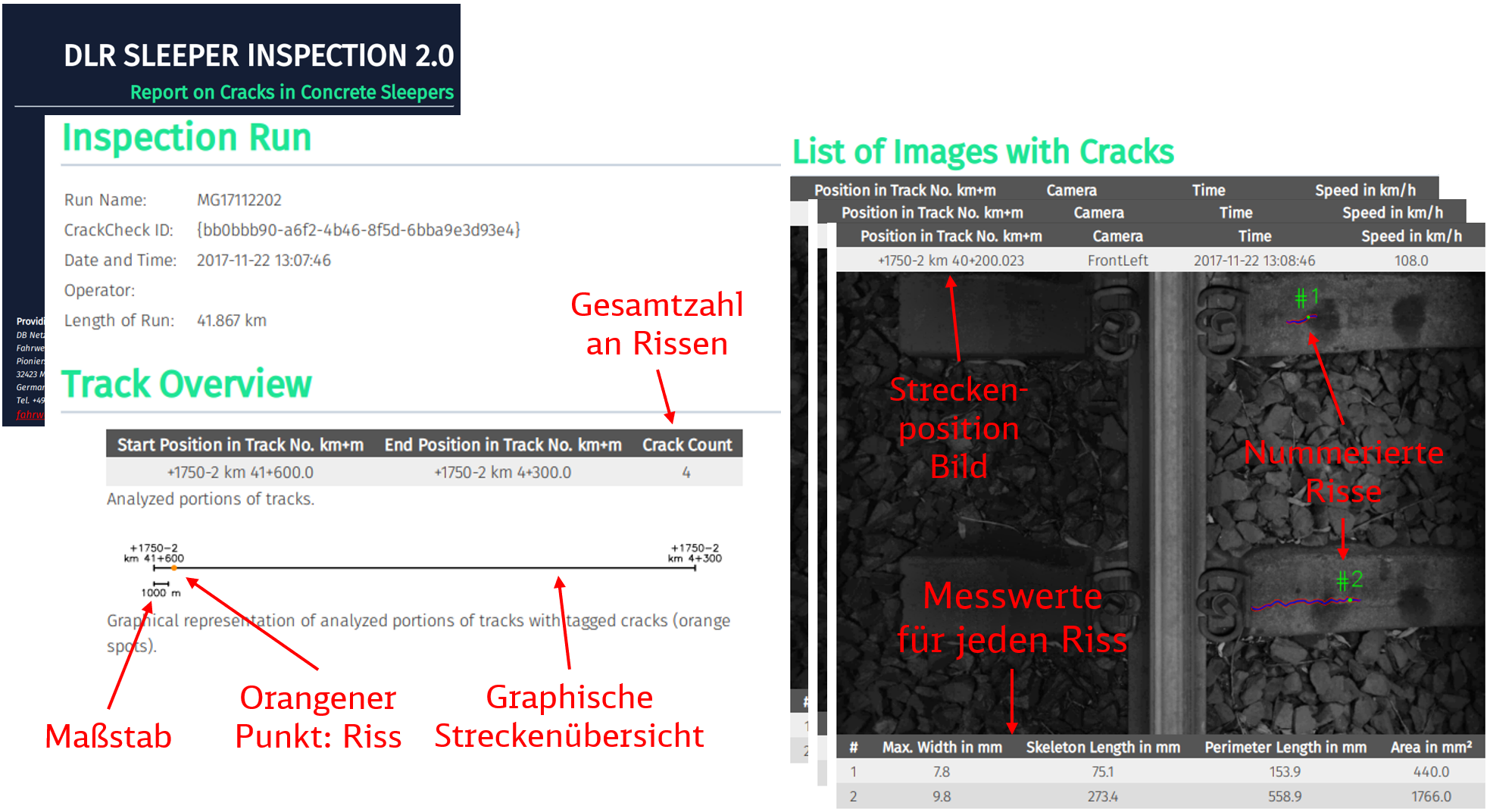
In the Schwelle 3.0 project, the DLR Institute of Transportation Systems is investigating the suitability of artificial neural networks for detecting cracks in concrete sleepers on behalf of Deutsche Bahn.
Railway sleepers are subject to constant mechanical stress caused by traffic and weather conditions in general. In addition to these two main stresses, there are a number of other causes that lead to wear of the sleepers over time. One result of this wear and tear is cracks in the sleepers. As the number and severity of cracks in a sleeper increases, the integrity of the sleeper degenerates and impairs the functionality and safety of railway operations. For this reason, the condition of each individual sleeper - around 54 million in the DB network - must be regularly recorded and assessed. This can be done with great effort by means of a manual visual inspection.
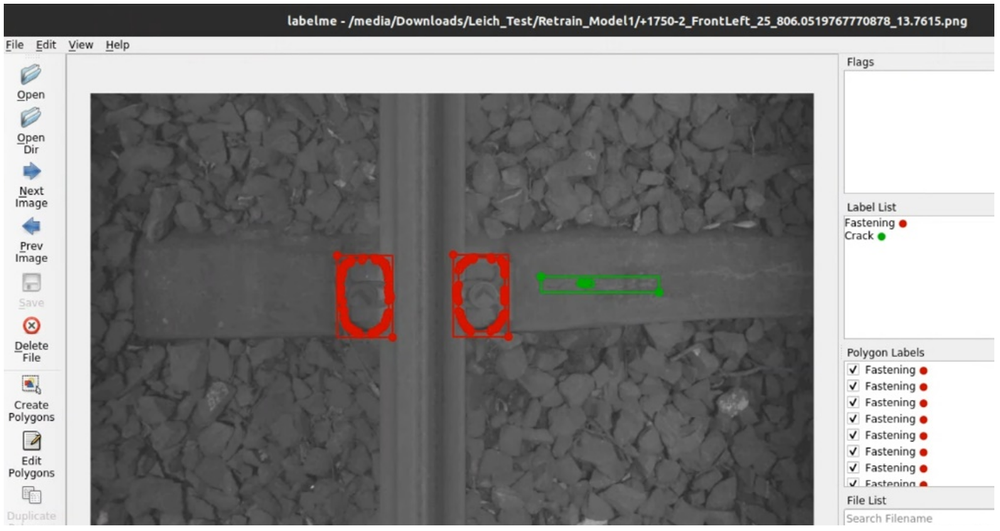
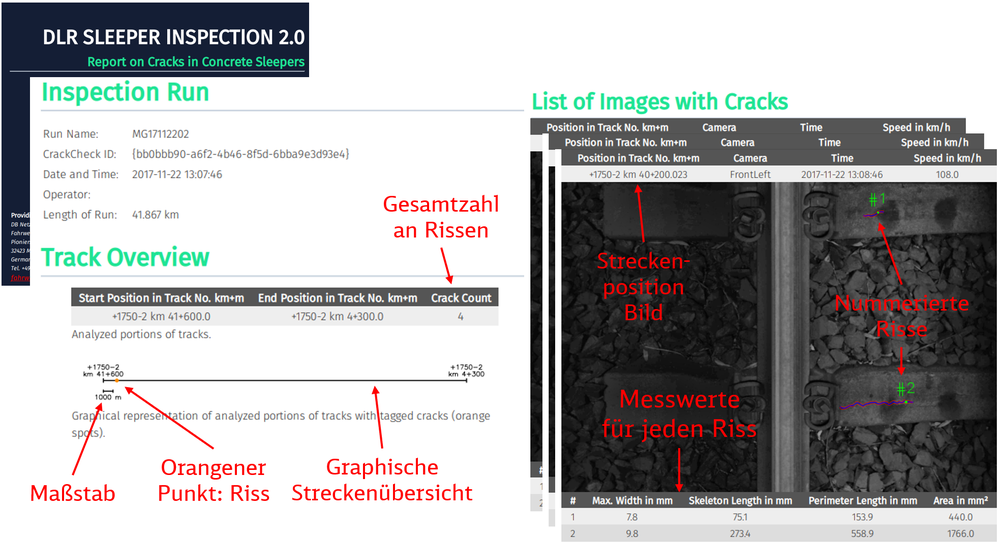
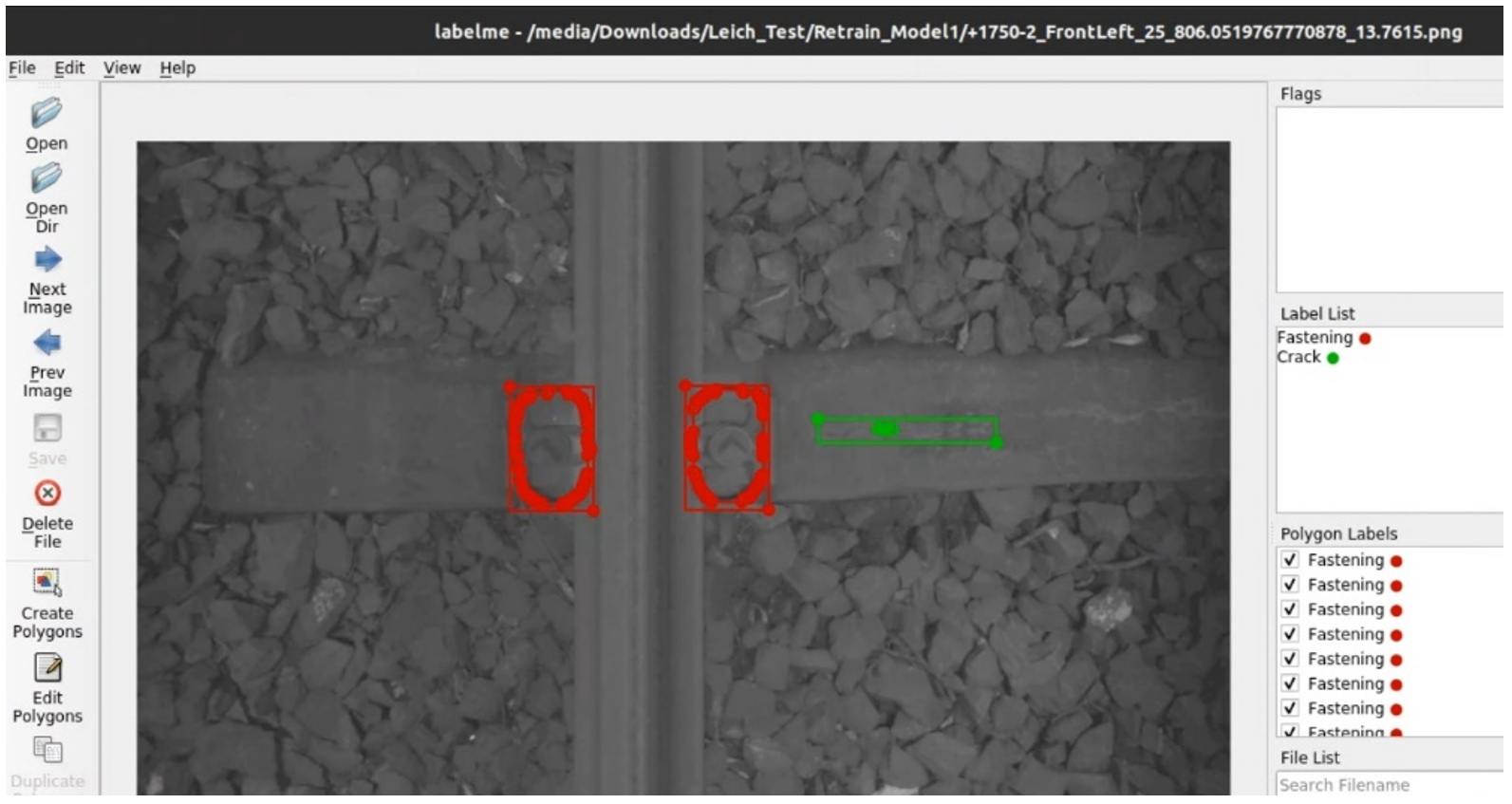
The Schwelle 3.0 project is investigating how modern machine learning algorithms, known as convolutional neural networks (CNNs), can be used in regular threshold inspection operations. In addition to the pure development and implementation of the algorithms, the focus is also on quality assurance procedures and processes. The person responsible for the track reviews the results of the crack detection, identifies deviations and uses them to collate new training data. This results in a learning system for crack detection.