
Physical Maritime Testbed

Axel Hahn
LABSKAUS is a physical platform for research around maritime transportation systems and e-Navigation. As a testbed for the design, development and testing of new highly automated (assistance) systems and as a demonstration environment for the performance of new products, LABSKAUS is divided into individual services. The maritime testbed is designed as an extensible, sustainable, and open testbed and accordingly exhibits a modularity that allows the services to be combined, made available, and adapted to the respective needs for different use cases.
The portfolio of existing services can be divided into the following core categories:
Modelling and Analysis
In order to support a holistic system development, services for the analysis of the transport system "shipping" are used, from which an understanding of the needs, but also possible risks and criticalities can be derived from reality. For this purpose, we offer tool chains for the generation of nautical high-precision charts, standardized data models and interfaces to make real data from shore and ship available for investigations and to enable early embedding of the system to be developed. By collecting traffic observation data from the reference waterway and examining it using scenario mining techniques, a large database of historical situations exists, clustered by type of encounter and risk level. Near misses can also be retrieved from our Scenario Data Warehouse.
Axel Hahn
Technology Development Platform
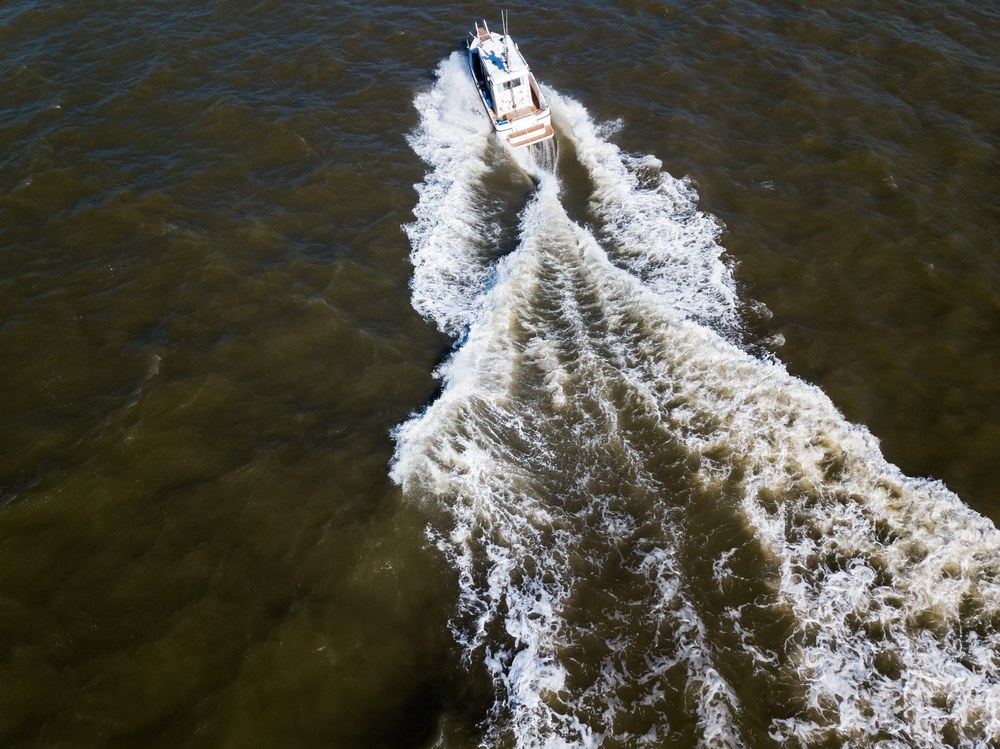
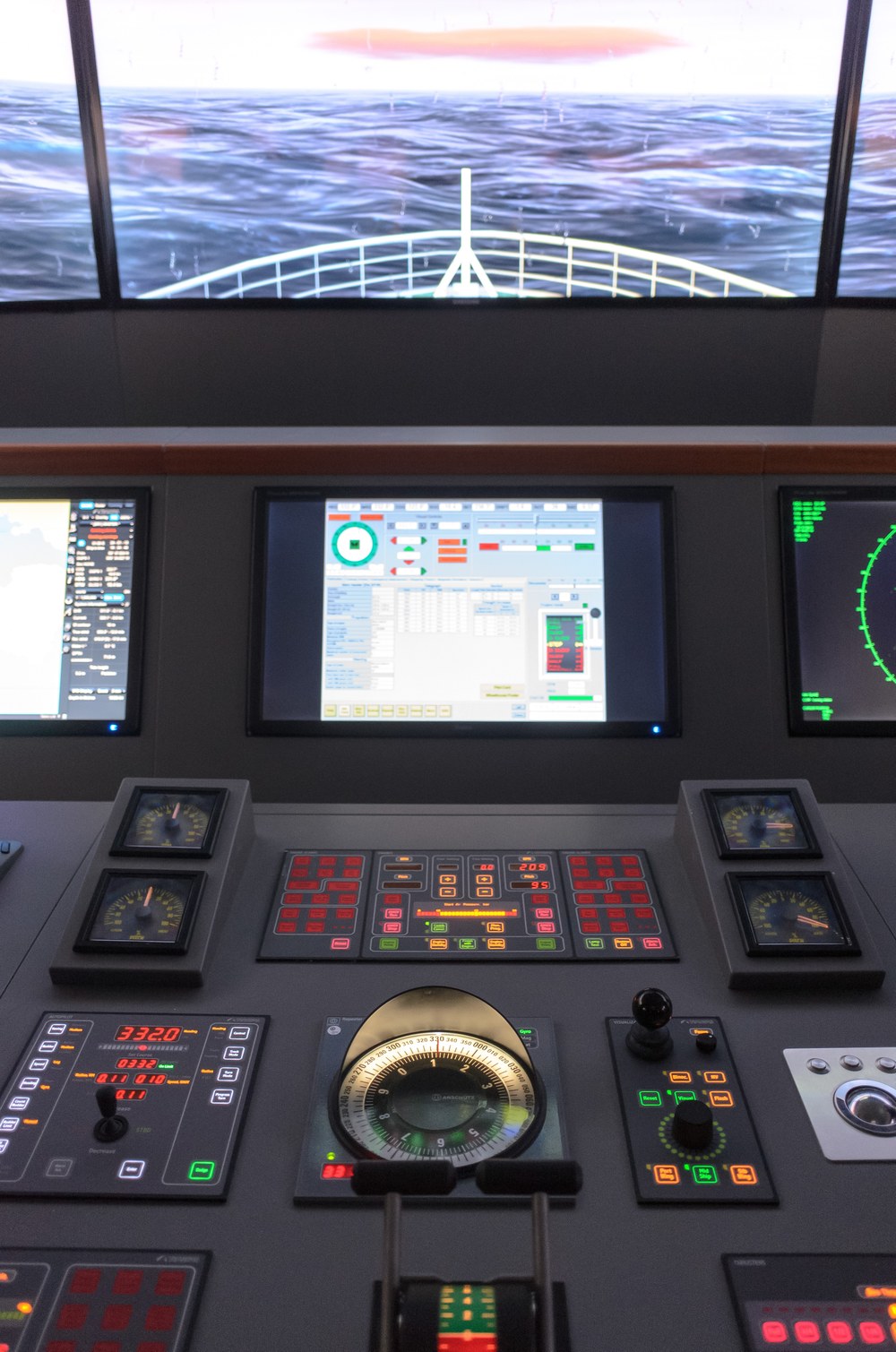
To accompany the development and operation phase of highly automated maritime systems, our portfolio includes a broad sensor and communication infrastructure. Commercial and state-of-the-art sensors are used in the testbed. These include AIS, RADAR, LiDAR, Modar (camera system), shore-side and ship-side camera streams and environmental sensors. We also have shipboard sensors such as log, GPS and rudder reference. Sensor configurations can be assembled as needed and positioned anywhere. Our polymorphic interface allows us to offer the available data in any format. Data streams are converted between different communication standards such as NMEA 2000 and NMEA 0183, using the polymorphic interface to integrate different systems-under-test. All data is transmitted and exchanged in a data format based on S-100. Fine-grained access management for data resources in the testbed is provided by a research data platform developed specifically for the tesbed. Thus, the platform enables users to securely share their data with other participants in the testbed without losing their sovereignty. The physical testbed is arranged around a reference waterway (Outer Elbe) and instrumented research ports (Cuxhaven and Wilhelmshaven). The technology development platform is completed by two expanded sea containers (10" and 20"), which serve as control centers that can be used as a full bridge as well as a VTS center during testing. This is where the information flows converge during the test runs and enable monitoring and intervention in the test sequence. In the control centers, the possibility to remotely control the test carriers from shore is realized. The test carriers are an all-electric, high-actuated boat for port and mooring maneuvers and another boat with a 250 PS outboard motor for testing navigation systems. Our overall physical testbed allows for the injection of artificial road users using a simulation adapter to perform mixed reality tests for critical driving maneuvers in real life.
Demonstration and Evaluation
We support with know-how and expertise in the execution of field tests and, if required, integrate the methods and tools developed at our institute into the testbed in order to investigate existing and, above all, innovative and complex systems and to support the development process from the design phase to certification.