
Working principle of solar heating networks
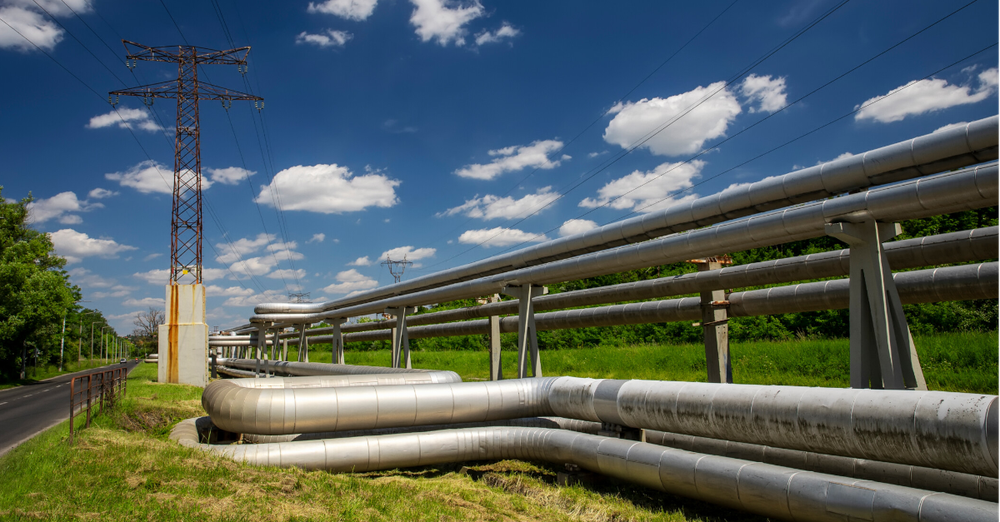

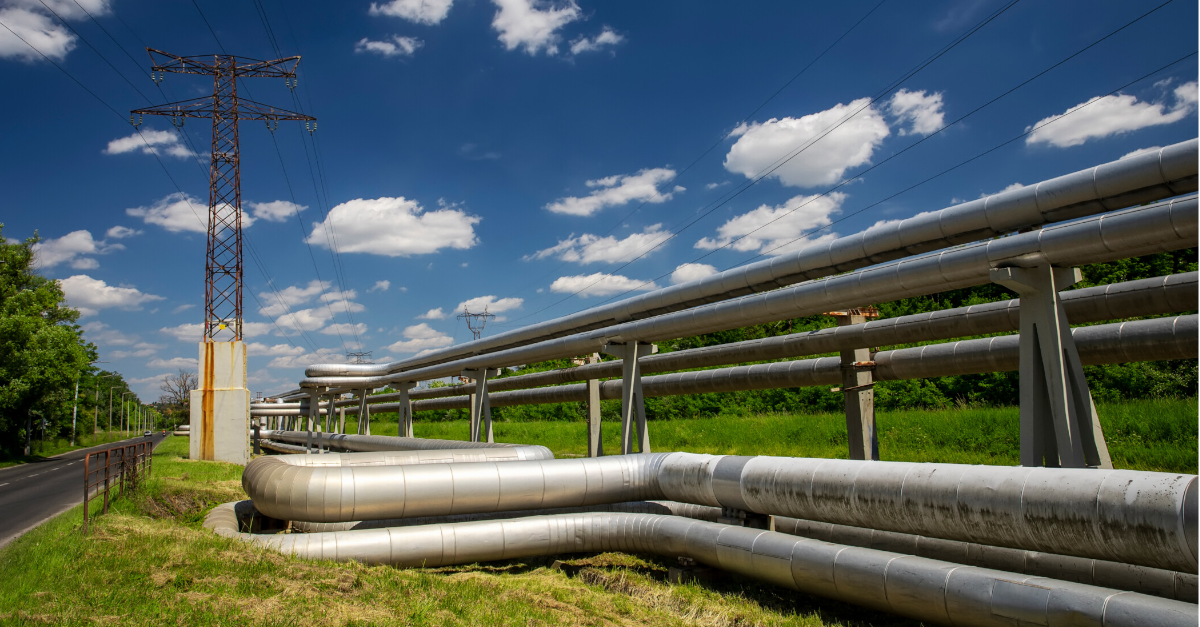
Heat networks are a key component of the energy transition: they connect renewable heat sources, storage facilities and consumers to form an efficient overall system, thereby enabling a reliable and climate-friendly heat supply.
In a heating network, heat is transported via the suppy line to the connected consumers with the aid of pumps. There, house transfer stations ensure that the heat is transferred from the network medium to the internal heating or hot water system without the medium entering the building directly. After the heat has been released, the cooled medium flows back through the return line to the central generation plant or to the solar thermal system, where it is reheated.
In solar heating networks, part of the heat required comes from large-scale solar thermal systems. The heat generated by solar energy is fed into the existing heating network and distributed to consumers in the same way as conventionally generated heat. Such systems enable the direct use of renewable energy in the heating sector and make a significant contribution to reducing fossil fuels and the associated CO₂ emissions.
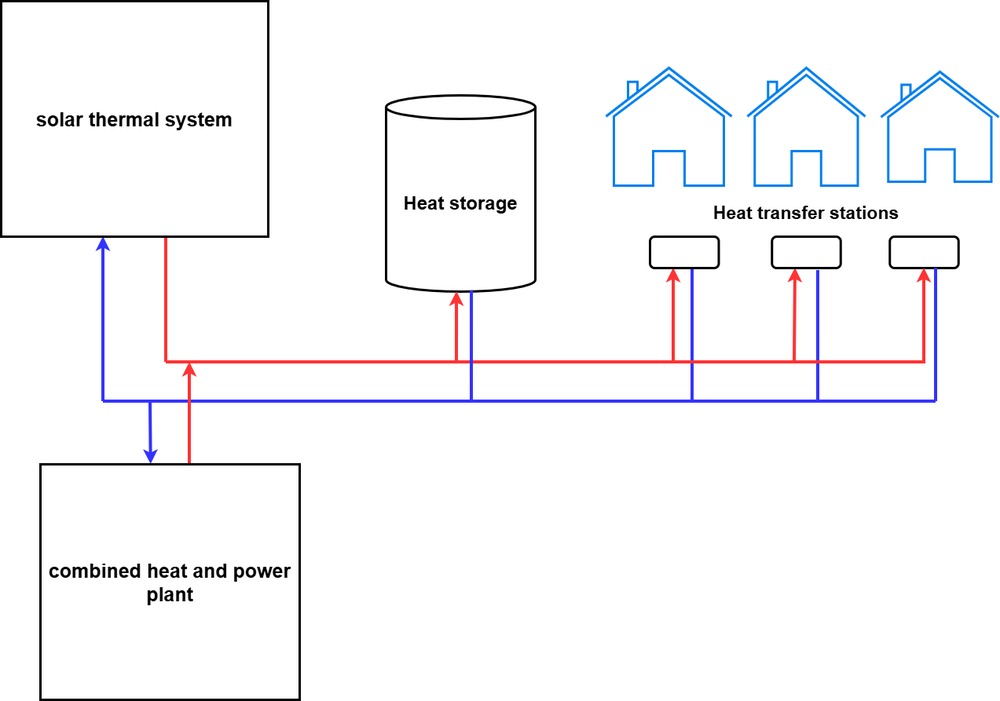
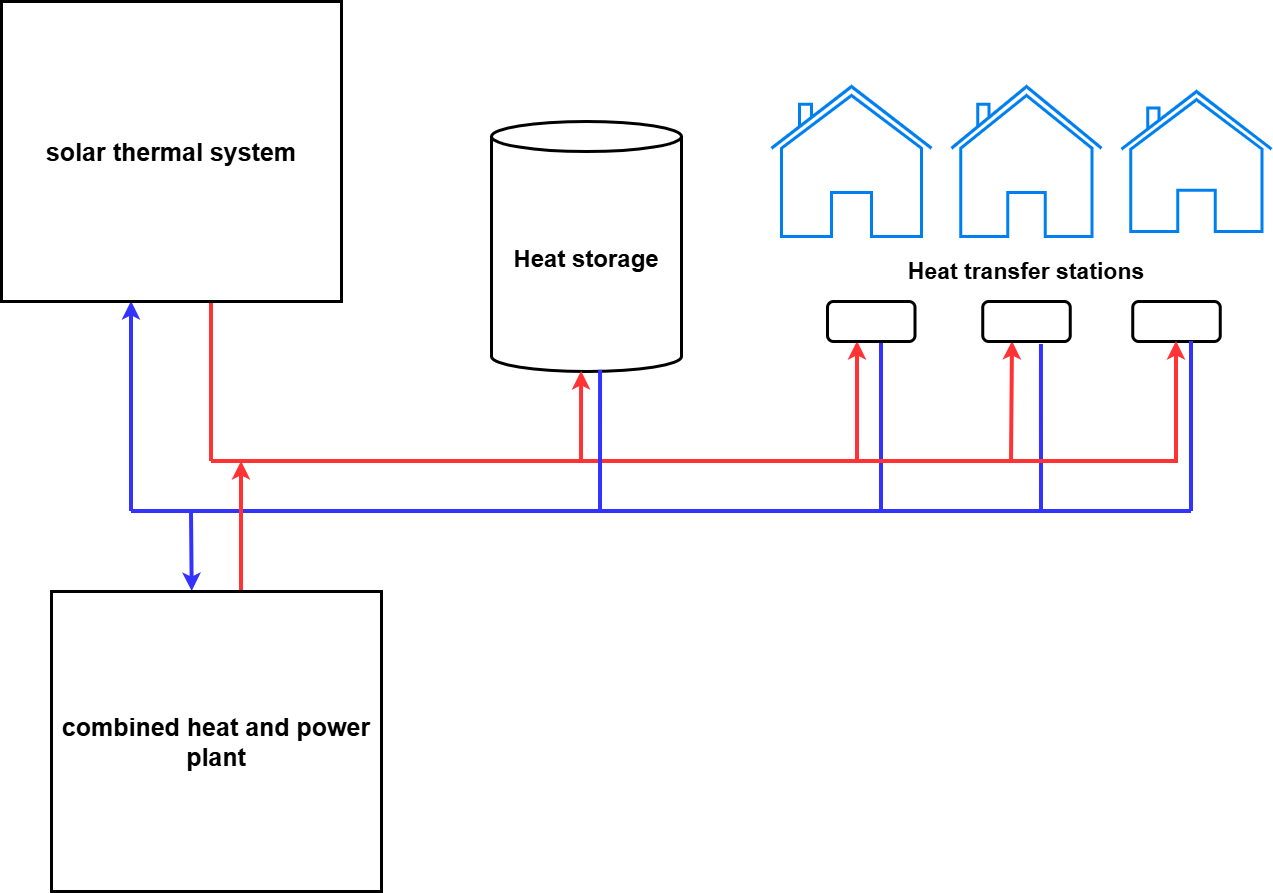
Thermal storage systems play a key role in this process, as they enable flexible grid integration of solar thermal energy and help to stabilise grid operation by balancing fluctuations between generation and demand. They allow excess heat to be absorbed and reused at a later time, thereby increasing the solar utilisation rate and the overall efficiency of the system.
Heat networks differ in terms of their structure, operating temperatures and the heat sources. Traditional heat networks often operate at high supply and return temperatures. More modern heat networks are increasingly taking a different approach: low-temperature and cold heat networks operate at significantly lower temperatures, thus reducing heat losses in the network.
Advantages of a heat network
Depending on the application, the heating network can be individually designed and developed in stages, providing a high degree of future security and support the long-term conversion of the heat supply. Local authorities and utilities can thus benefit from the long-term infrastructure. Heating networks can offer both ecological and economic advantages. Centralised heat generation allows plants to be operated more efficiently than many individual heating systems, as maintenance, operation and renewal are concentrated on a few central components. In addition, rising prices for individual energy sources can be offset by the use of renewable energies.