
The Institute for Satellite Geodesy and Inertial Sensing with its main office in Hanover primarily focuses on research questions relating to the use of quantum technologies and quantum sensors, and develops quantum measurement techniques for innovative applications up to the realisation of prototype solutions.
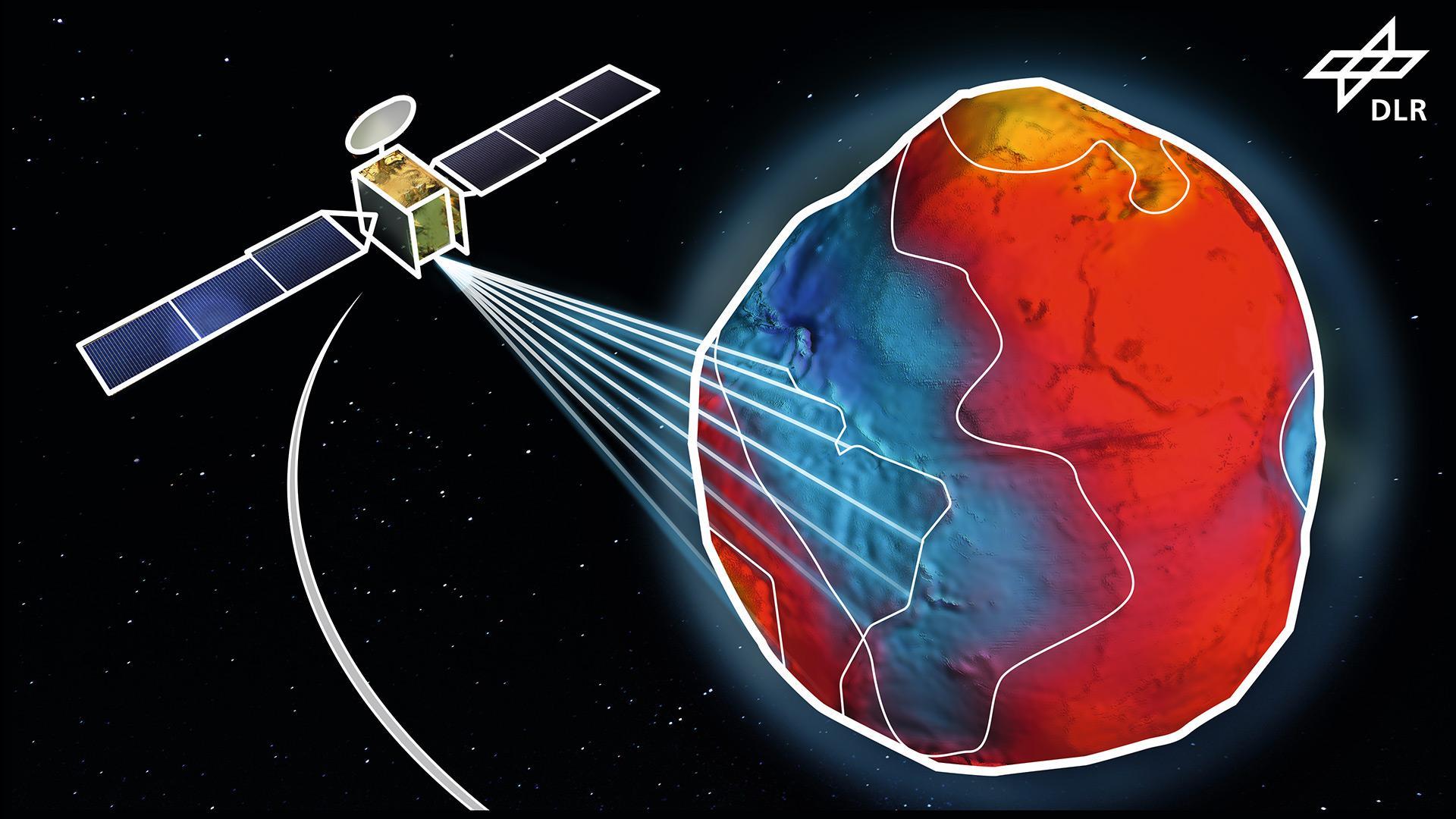
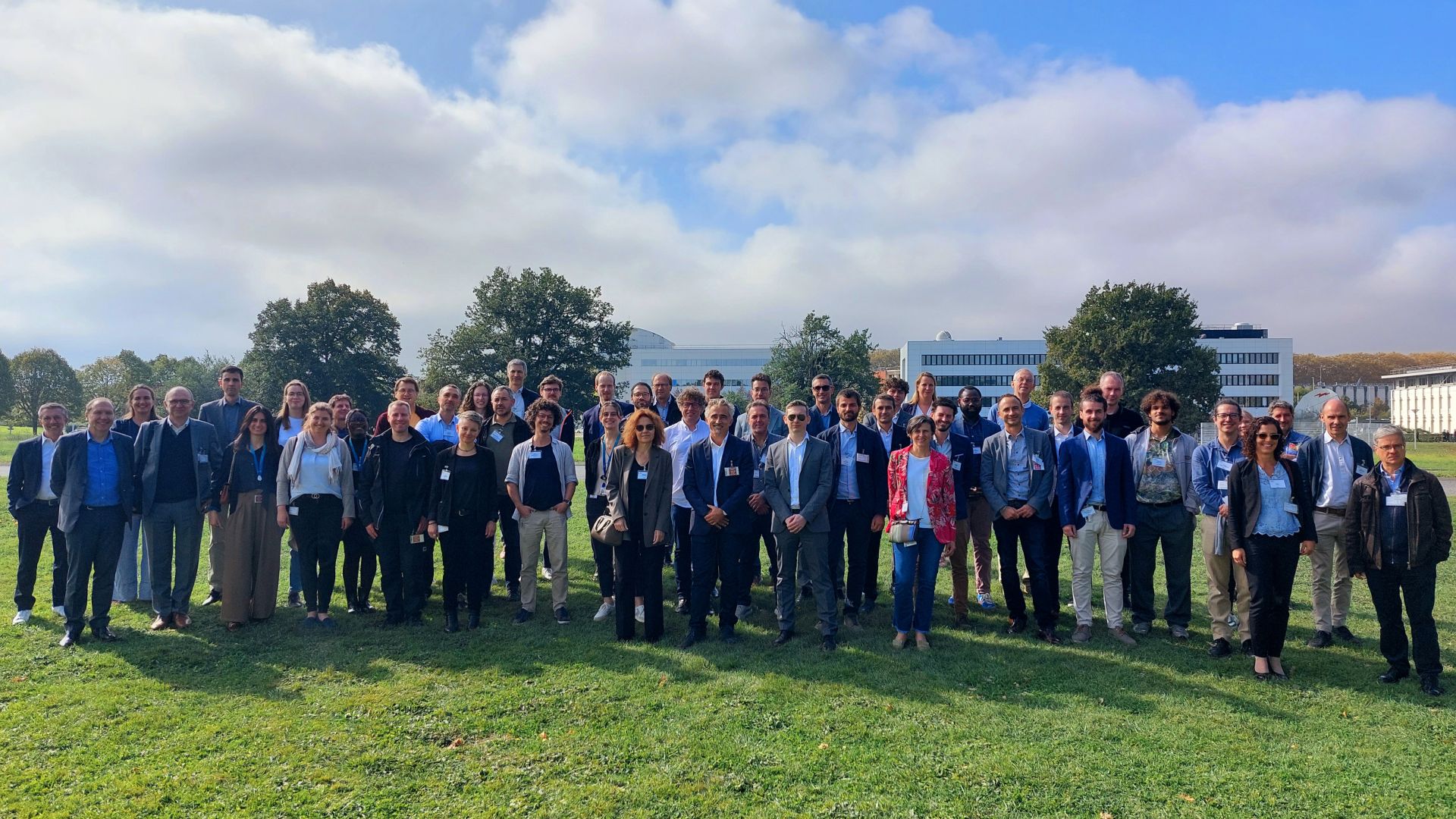
From 15 to 16 October 2025, leading European experts from the fields of quantum physics, geodesy and space technology met at the French space agency (CNES) in Toulouse to celebrate the official launch of Phase B of the CARIOQA project.
DLR researches and develops such quantum technologies at more than a dozen institutes across Germany, such as the Institute of Quantum Technologies in Ulm and the Institute for Satellite Geodesy and Inertial Sensing in Hanover. These institutes and facilities are dedicated to making quantum mechanical phenomena usable, developing technologies, identifying users and supporting commercialisation.
Technology has to be small, light and thoroughly tested if scientists are to conduct research with it on the International Space Station ISS. However, some experiments are so complex that miniaturisation is a major challenge.
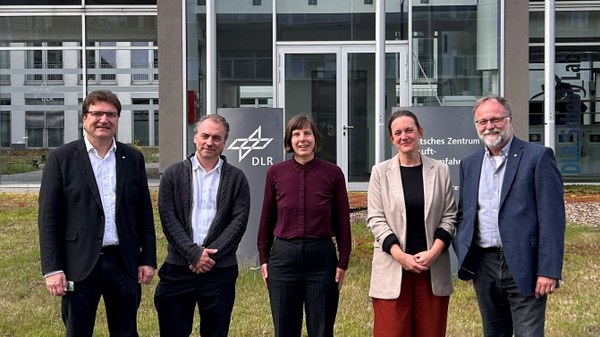
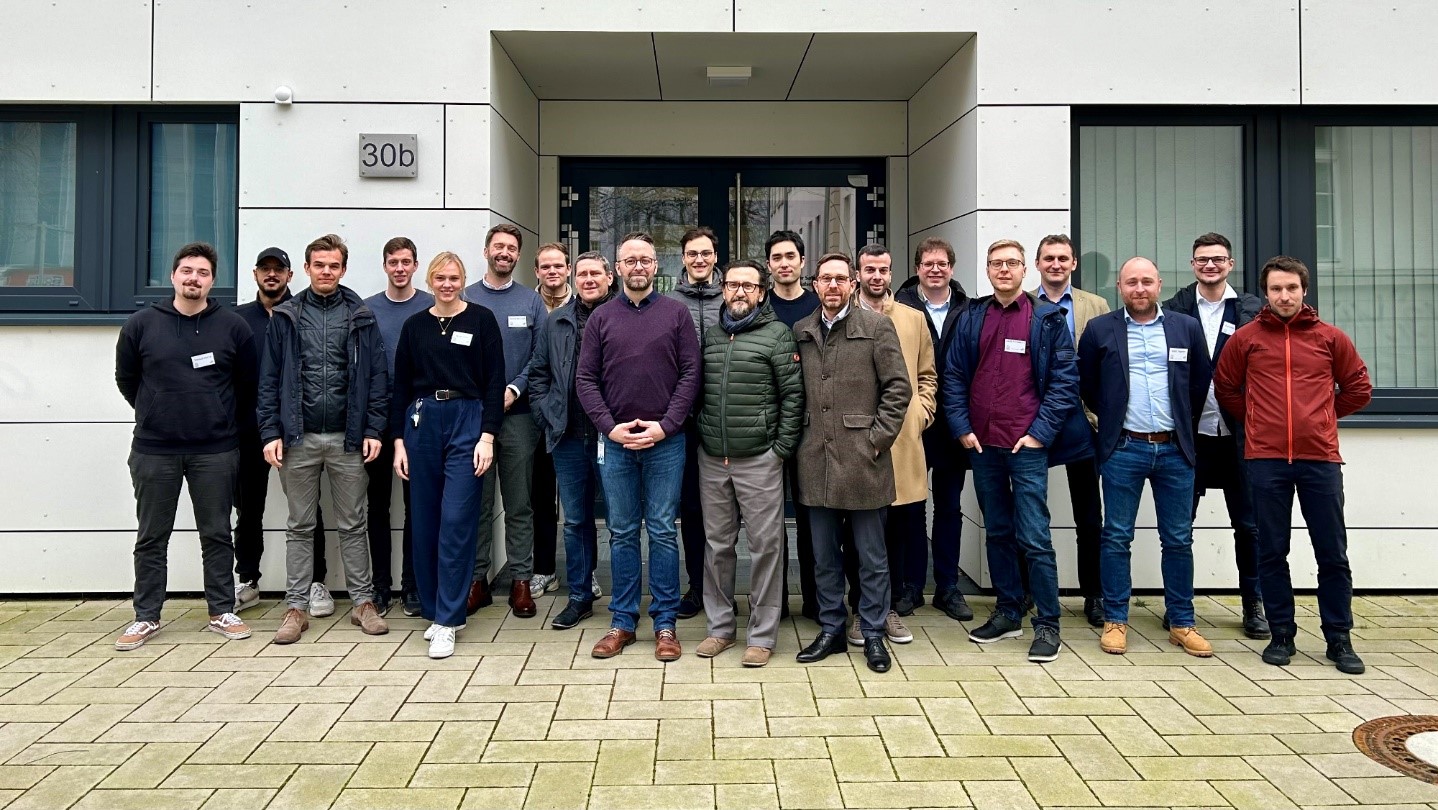
The Kick-Off event for the German Aerospace Center’s (DLR) latest activity in the context of the development of disruptive techniques and technologies for satellite constellations took place on February 27th, 2024 at the DLR Institute for Satellite Geodesy and Inertial Sensing in Hannover.
The DLR institute, together with the University of Bremen, has been included in the German Physical Society's (DPG) list of quantum locations in Germany.
On Saturday, 8 November 2025, the DLR Institute of Satellite Geodesy and Inertial Sensors (DLR-SI) presented itself at the 'Night of Knowledge' – Leibniz University Hannover's open day – with an impressive stand on the topic of gravity measurement.