Research Project BUZZKATZAcceptance of climate-friendly aviation technologies through noise reduction
Research Project BUZZKATZ
Acceptance of climate-friendly aviation technologies through noise reduction
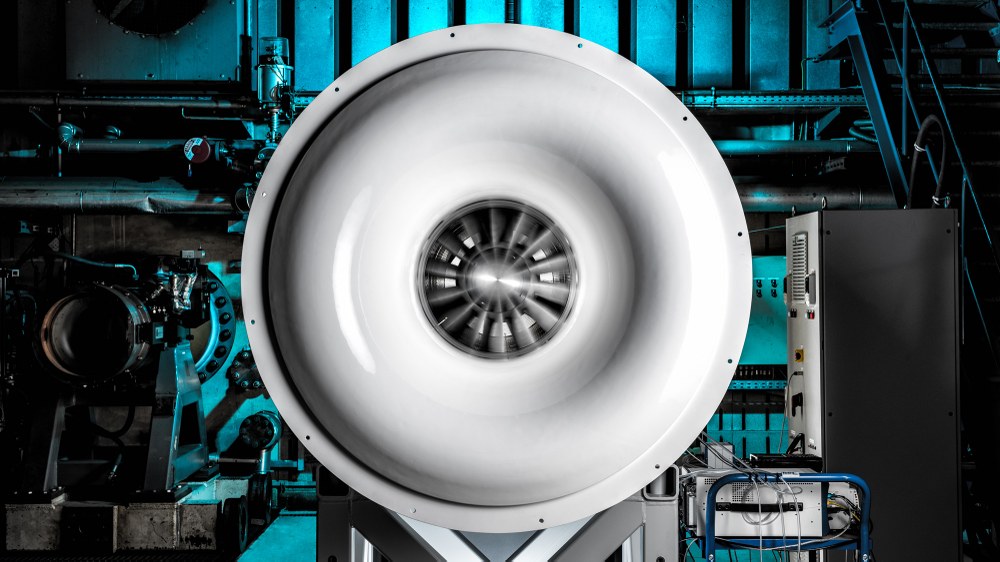
BUZZKATZ (Verbundvorhaben zur Akzeptanz klimafreundlicher Luftfahrttechnologien durch Lärmreduzierung), a joint project to promote the acceptance of climate-friendly aviation technologies through noise reduction, is researching technologies and methods to further reduce aircraft noise from installed aircraft engines, with the aim of increasing the acceptance of the next generation of climate-friendly aircraft through further noise reduction.
Scientific studies have demonstrated the impact of aircraft noise on health. Many European airports take aircraft noise into account in their operations and levy noise-related charges or restrict air traffic on the basis of aircraft noise. The noise reduction measures developed within BUZZKATZ are integrated into the development process aimed at reducing carbon dioxide and water vapour emissions from the engines. This addresses the conflict between economic growth and noise pollution in a cost-effective manner.
Public funding facilitates collaboration between industry, leading research institutions and small and medium-sized enterprises (SMEs). Through independent research proposals, project participants develop fundamental findings which are subsequently made available for wider application.
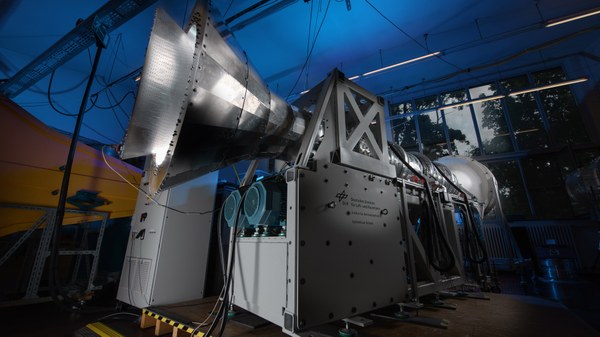
As part of the BUZZKATZ project, the DLR is developing methods required to take noise impact into account when designing the next generation of engines. These methods are intended to enable the anticipated noise generation to be assessed at an early stage at both component and system levels, thereby allowing it to be optimised in conjunction with efficiency-enhancing technologies. To this end, the DLR is developing advanced prediction methods, measurement techniques and technologies to uncover the physical mechanisms of sound generation and propagation, as well as to reduce noise.
The method of auralisation of engine noise plays a central role in the development process in order to take into account the psychoacoustic effects of aircraft noise. The work thus not only makes an important contribution to saving time and costs in future development and certification processes for climate-friendly engines, but also to increasing public acceptance.
The project examines all components identified as significant for the noise emission of modern aircraft engines. Depending on the engine concept, these include the turbofan or propeller, the low-pressure turbine and the jet stream. Particular focus is also placed on noise sources that will only become relevant in future aircraft designs. These arise, for example, from disturbances in the fan inlet flow resulting from greater integration of the powerplant into the airframe, or from propeller-wing interaction. Noise generated by lean combustion in the core engine, as well as parasitic noise caused by cavitation, also plays a major role.
Running Time
01.10.2025 – 31.12.2028
Keywords
Engine noise, noise reduction, auralisation, climate-friendly aviation technologies