
The new DLR Young Investigator Group C-RESIST is researching cyber resilience for intelligent robot systems.


- The DLR junior research group C-RESIST (Cyber-Resilience for Intelligent Robotic Services in Transport and Society) is extending existing safety and security-by-design methods in AI engineering to include cyber resilience — the ability to quickly restore operational security after an attack.
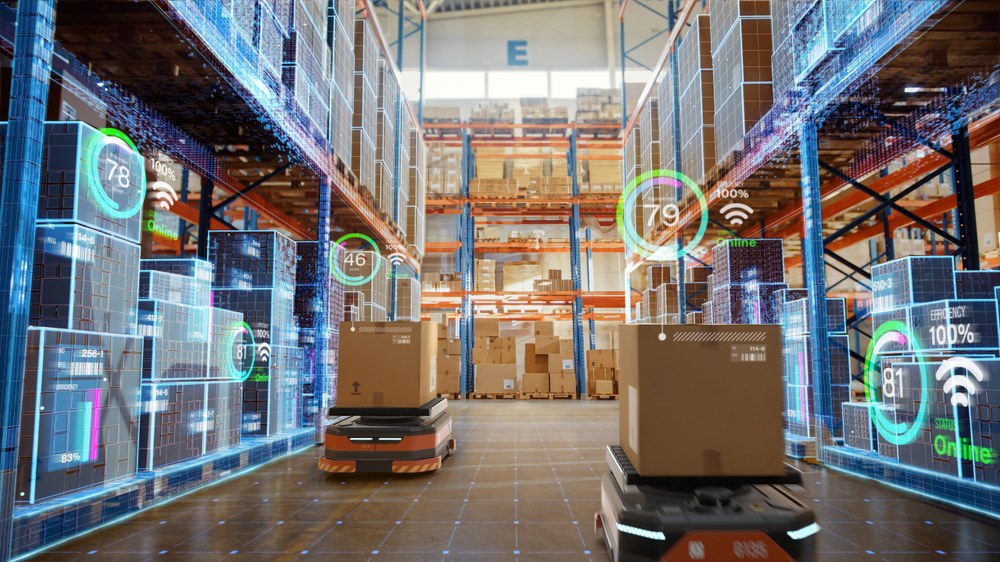
- The methodology is being tested in two practical scenarios: a fleet of service robots for parcel delivery and a system for rescuing people in crisis areas.
- The holistic approach covers the entire life cycle, from attack prevention and detection to mitigation and recovery strategies.
- The junior research group is part of the DLR programme for the promotion of scientific leaders.
Demographic change and a shortage of skilled labour are increasing demand for intelligent robotic systems in transport, logistics, and critical infrastructure. However, their growing interconnectedness also makes them vulnerable to cyber attacks. The new DLR Young Investigator Group, C-RESIST (Cyber-Resilience for Intelligent Robotic Services in Transport and Society), led by Dr Elena Hoemann of the DLR Institute of AI Safety and Security, is developing strategies to bolster the resilience of these systems against digital threats.
Cyber attacks on automated systems pose significant risks, particularly in environments where humans and robots collaborate. C-RESIST is therefore developing solutions that not only defend against attacks, but also enable the rapid restoration of functionality. By taking this approach to research, DLR is establishing itself as a pioneer in the secure design of a digital and automated future.
You can find more information here: https://www.dlr.de/en/ki/research-transfer/projects/c-resist