
Across the boundaries of transport systems

INTERMOVE

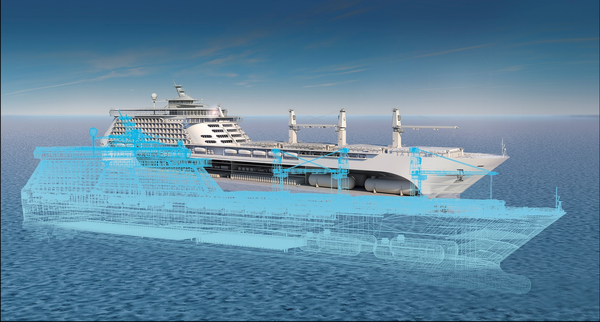
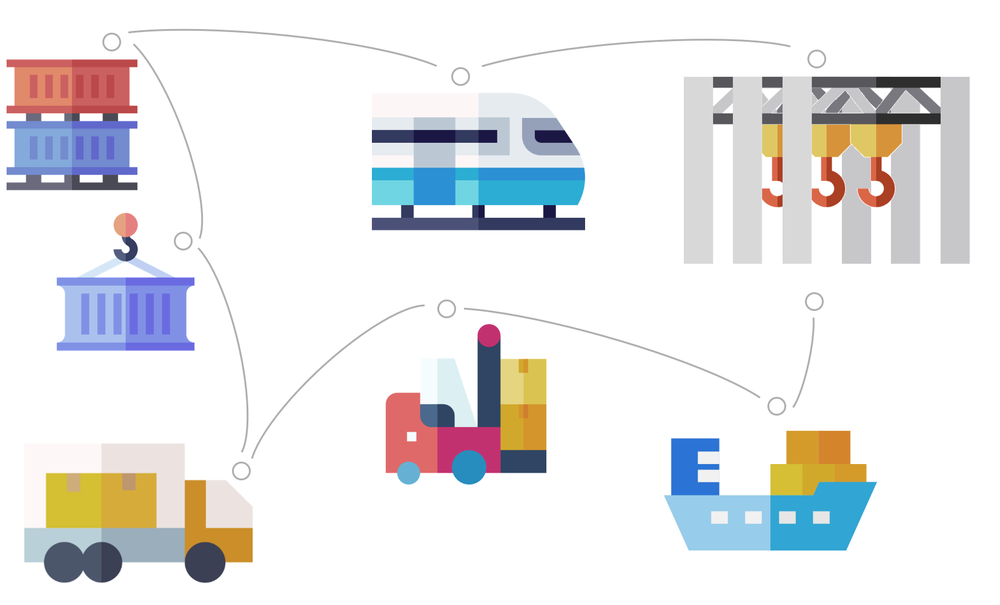
Intermodal travelling by road, rail and water
Credit:

https://de.freepik.com/icons

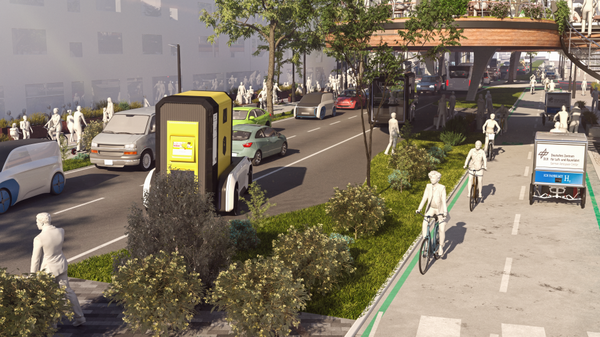
The 'INTERMOVE — Attractive and Resilient Intermodal Transport Systems' project aims to strengthen the interaction between rail, road, and water transport systems by exploring new areas of application, thereby making them more resilient. Although Germany's roads are already heavily used, there is significant potential for transporting goods and people by rail and water. At the same time, it is foreseeable that the coming years will present many challenges. One of these is the maintenance, renewal and modernisation of Germany's transport infrastructure. Roads and bridges will have to be closed, or partially closed, for renovation, modernisation, or new construction. The same applies to the railway infrastructure's rails and points.

The challenges resulting from climate change are also foreseeable. These include, for example, increased road closures due to heavy rainfall events or rivers that people cannot travel on because they have too little water. Last but not least, human intervention also plays a role. Physical and digital attacks on transport infrastructure and systems are likely to increase, resulting in high consequential costs. The INTERMOVE project is therefore attempting to analyse the vulnerability of transport infrastructure and propose ways to secure it. Another part of the project involves designing new mobility concepts and services to facilitate and streamline passenger and freight transport between road, rail, and water transport systems.

Contribution Institute for AI Safety and Security

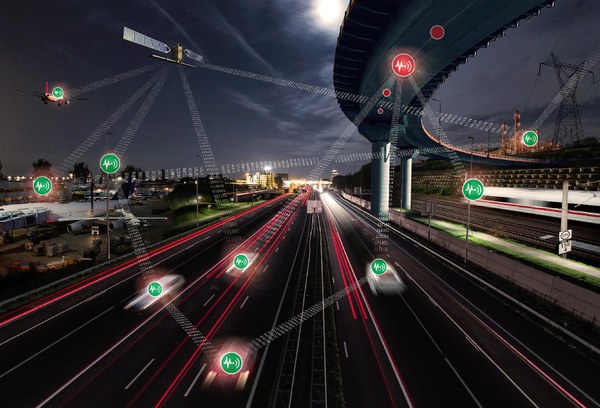
As part of the INTERMOVE project, the institute is investigating the cyber resilience and cybersecurity of intermodal transport infrastructure. Among other things, a methodology is being developed to assess the digital attack surface of transport infrastructures, as well as potential cyber threats and their associated risks. Based on these analyses, cyberattacks will be simulated to investigate their effects, and defence measures will be implemented to ward them off. These implementations will be further developed and integrated into a modular defence system.
The project was initiated by the DLR Transport Programme Directorate and will run from January 2025 to December 2027.

Participating DLR institutes and facilities

Contact

Dr. Michael Karl

Head of Department
German Aerospace Center (DLR)
Institute for AI Safety and Security
Safety-Critical Data Infrastructures
Rathausallee 12, 53757 Sankt Augustin
Germany

Karoline Bischof

Consultant Public Relations
German Aerospace Center (DLR)
Institute for AI Safety and Security
Business Development and Strategy
Rathausallee 12, 53757 Sankt Augustin
Germany