
Coastal resilience to climate change impacts

RESIKOAST

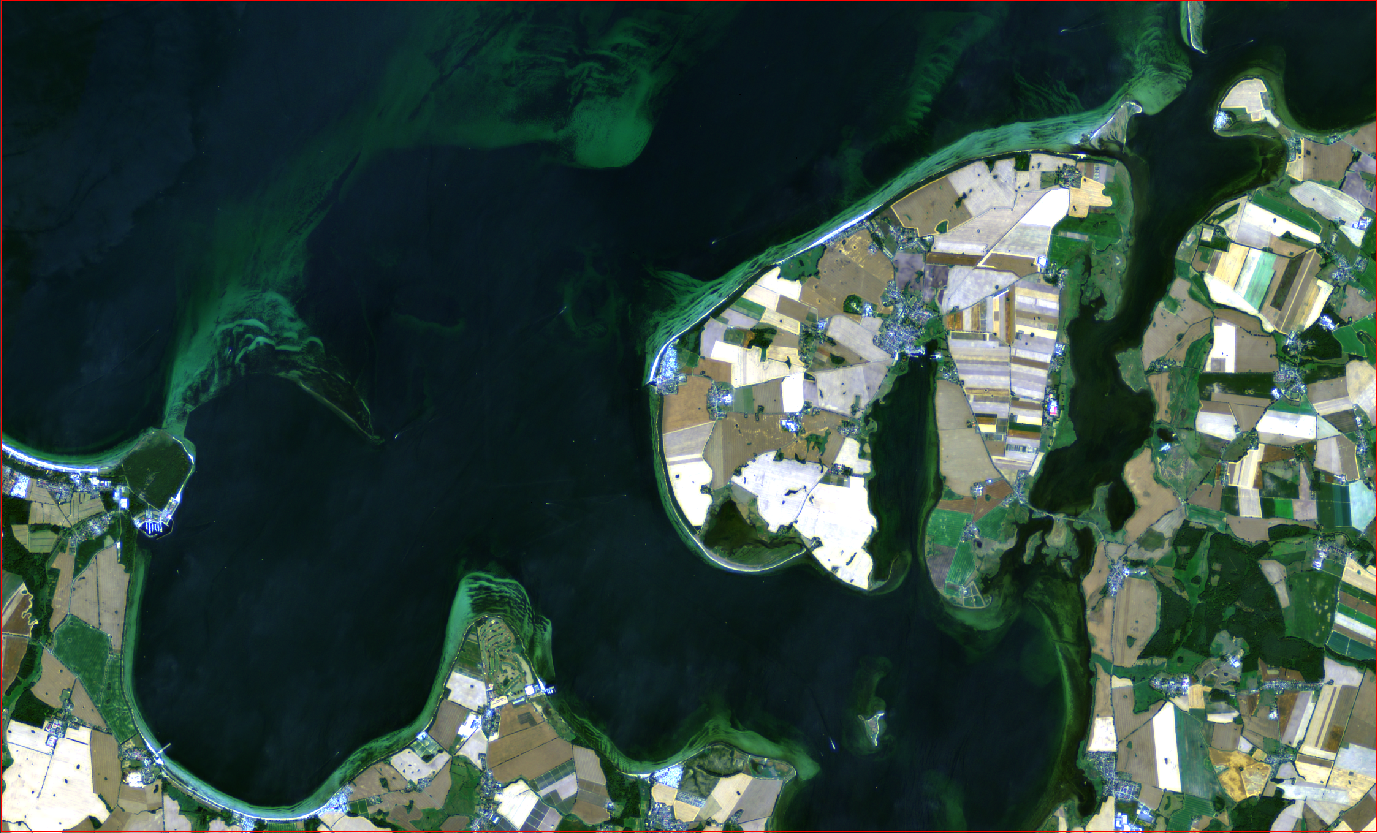
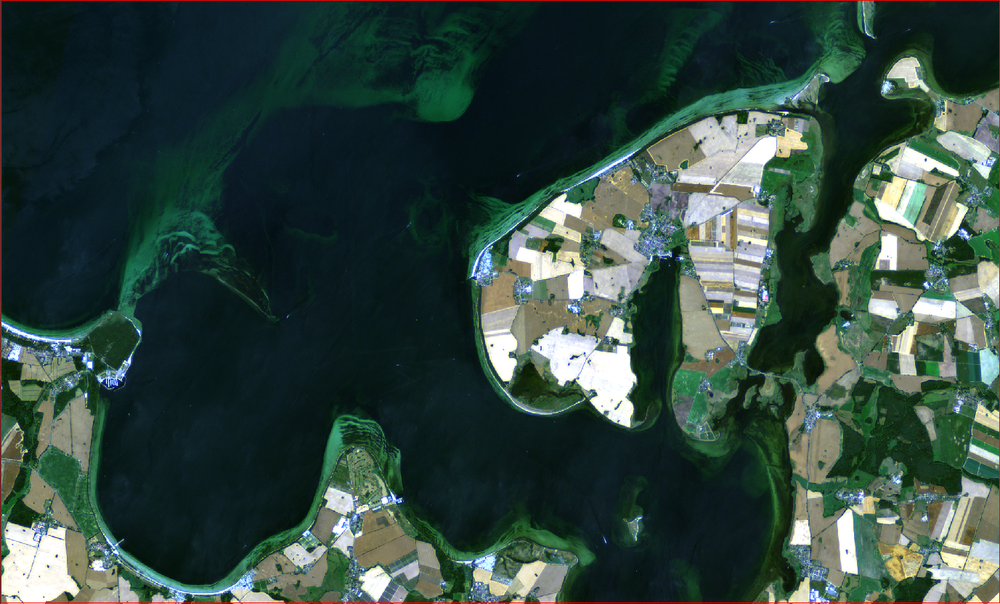
Figure: Sentinel-2 Satellite true colour composite
Photo of the island of Poel in the Baltic Sea, 02.08.2022

Coastal resilience to climate change impacts

Climate change poses new challenges for the North Sea and Baltic coasts and neighbouring regions. In addition to a predicted rise in sea levels, climate researchers expect an increasing number of extreme weather events such as storm surges, storms and heavy rainfall. Strengthening the resilience of coastal regions is essential to adequately address these threats. The RESIKOAST project aims to develop methods, tools and procedures to predict the consequences of climate change, minimise its impact and strengthen the resilience of regions in the long term. The project name is a combination of RESIliance and COAST.

The project has four overarching objectives that aim to make a significant contribution to increasing resilience to the impacts of climate change:

  1. The development of methods and tools for the comprehensive and predictive monitoring of extreme coastal weather events due to climate change, including their impact on coastal areas, based on complementary data sources and appropriate modelling.
  2. Research and development of AI-based algorithms and information products for the assessment and detection of relevant variables in the North and Baltic Seas using space-based remote sensing data and monitoring of dynamic phenomena through fully automated anomaly detection and prediction of future climate-relevant trends in the region.
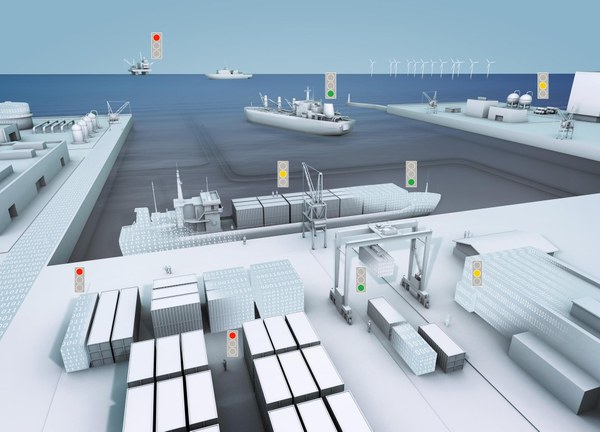
  3. Developing methodologies to holistically assess the impact of the analysed events on logistics chains, ports and critical coastal supply infrastructure, and to evaluate possible adaptation and mitigation measures.
  4. Developing tools and measures to mitigate short-term risks associated with climate change, and identifying and assessing opportunities for long-term adaptation of coastal infrastructure for protection and security of supply.

Contribution Institute for AI Safety and Security
As part of the RESIKOAST project, the Institute for AI Safety and Security is developing AI technologies and hybrid forecasting models for predicting long-term trends such as coastal erosion and short-term events such as extreme weather.
One focus is on adapting these AI models to large, heterogeneous data sets and using them for logistical and infrastructure planning.

Participating DLR institutes and facilities

Contact

Dr. Hans-Martin Rieser

Head of Department
German Aerospace Center (DLR)
Institute for AI Safety and Security
Execution Environments & Innovative Computing Methods
Wilhelm-Runge-Straße 10, 89081 Ulm
Germany

Karoline Bischof

Consultant Public Relations
German Aerospace Center (DLR)
Institute for AI Safety and Security
Business Development and Strategy
Rathausallee 12, 53757 Sankt Augustin
Germany