Building a ship is not an everyday task, even for DLR. Here we want to show the progress of the project and document milestones in the construction of the technology platform.
MODULARIS currently under construction is a sea-going technology platform - a place where maritime systems can be developed and tested under real conditions. The installations and systems on board take centre stage; they themselves are the object of research.
On this modular platform, safety-relevant maritime systems can be developed, integrated, tested and certified under realistic conditions - from energy supply and propulsion to sensor technology and automation through to assistance and safety systems. In this way, we bundle technological expertise for resilient, economical and future-proof solutions in the maritime sector.
For inquiries, please feel free to contact us using the contact form at the bottom of the page.
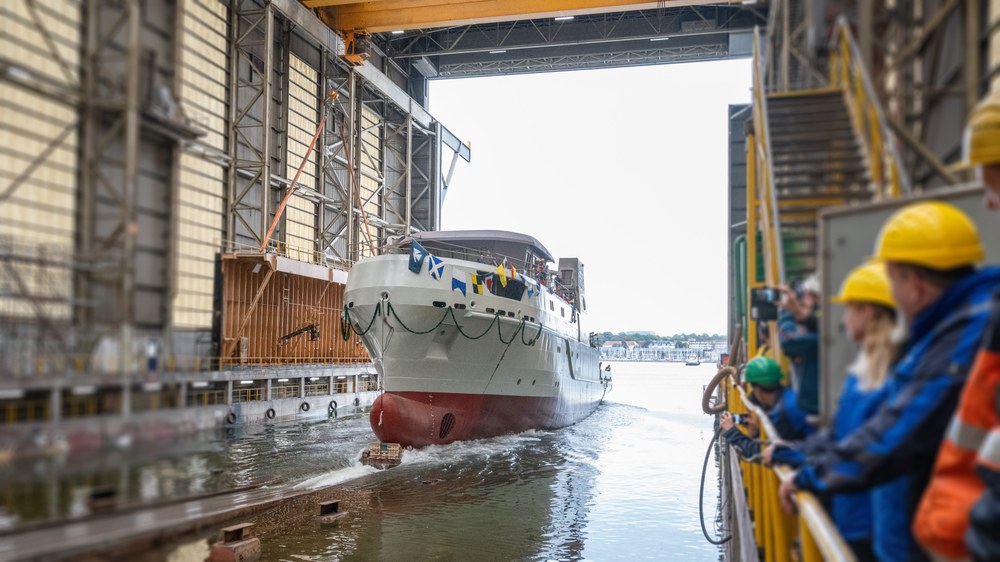
The MODULARIS technology platform developed by the German Aerospace Centre (DLR) was launched for the first time on 17 September 2026 at the FSG Shipyard in Flensburg. This marks an important milestone for the project: the hull construction is complete, and work is now beginning on fitting out the platform with technical equipment.
Ship Launch of MODULARIS
Your consent to the storage of data ('cookies') is required for the playback of this video on Quickchannel.com. You can view and change your current data storage settings at any time under privacy.
Ship Launch of MODULARIS
The MODULARIS technology platform developed by the German Aerospace Centre (DLR) was launched for the first time on 17 September 2026 at the FSG Shipyard in Flensburg. This marks an important milestone for the project: the hull construction is complete, and work is now beginning on fitting out the platform with technical equipment.
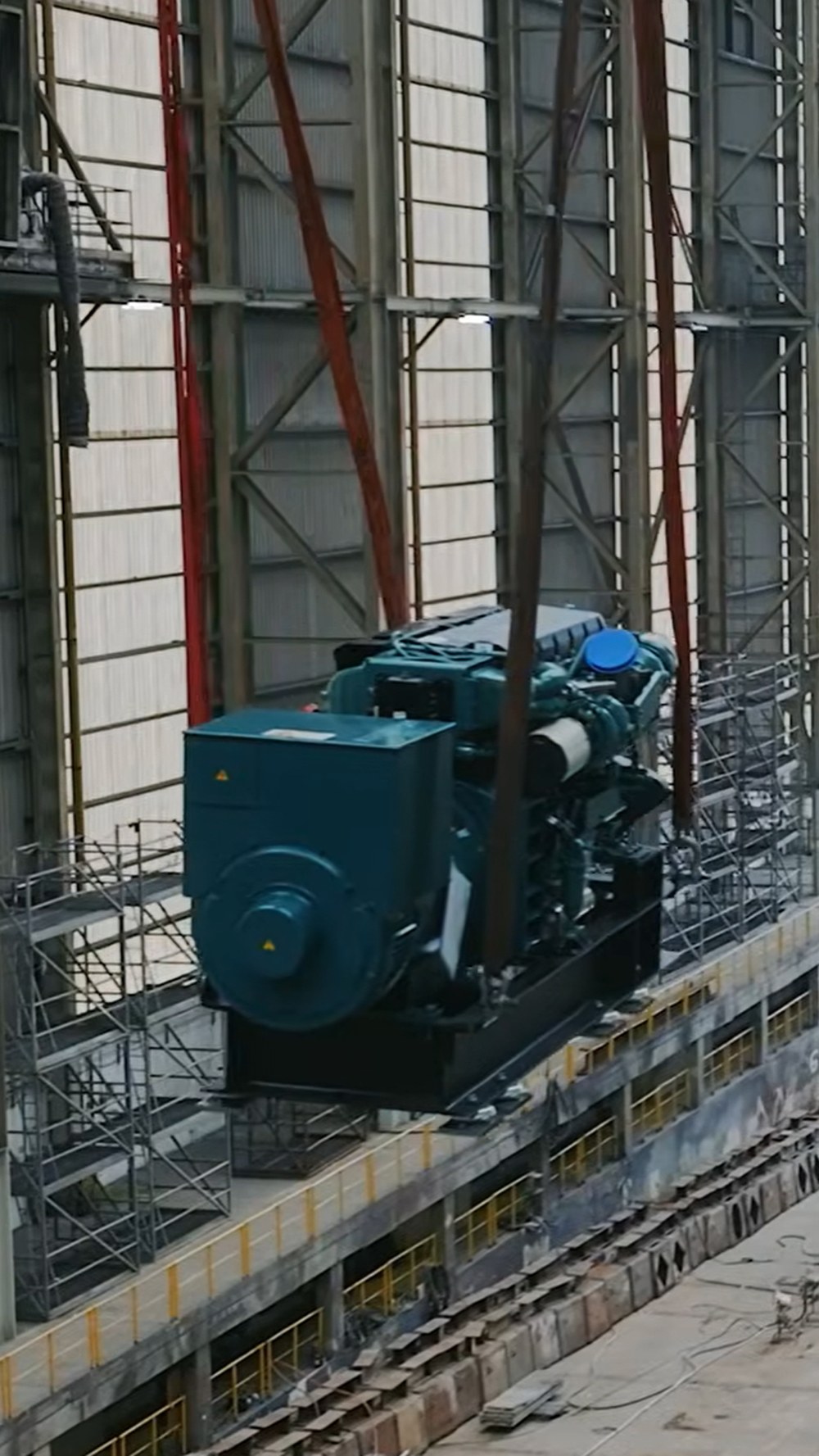
An important day for the MODULARIS maritime research platform: the engines are being fitted into the hull.
Video: A wedding at the shipyard – the MODULARIS is fitted with its engines
Your consent to the storage of data ('cookies') is required for the playback of this video on Youtube.com. You can view and change your current data storage settings at any time under privacy.
Video: A wedding at the shipyard – the MODULARIS is fitted with its engines
An important day for the MODULARIS maritime research platform: the engines are being fitted into the hull.
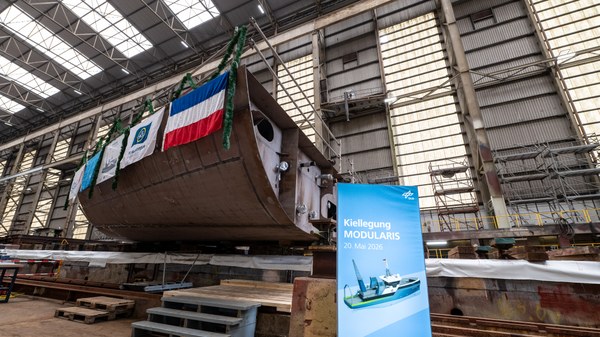
Construction of the individual sections is progressing
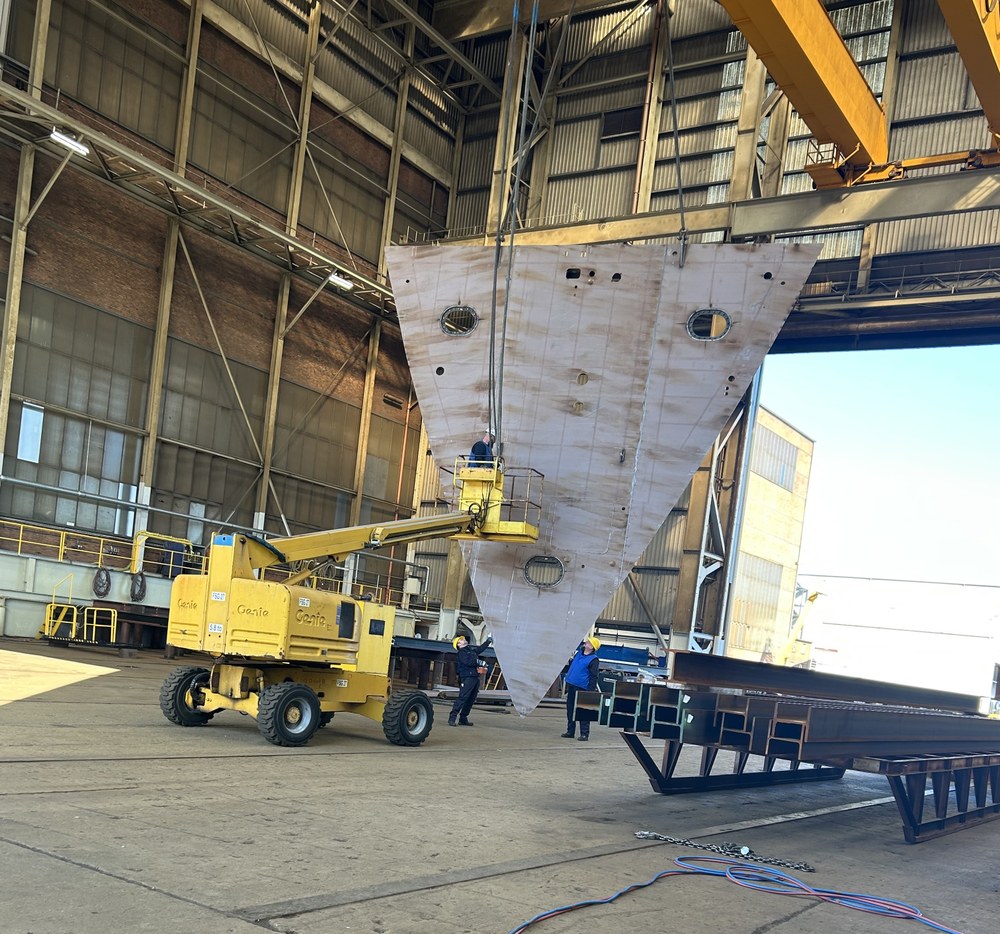
Tank top section of the seagoing technology platform
Today, another component was manufactured: a tank top – essentially the upper deck plate – for one of the foremost sections of the technology platform. Beneath this plate will later be the space for the bow thruster, i.e. the system that enables the technology platform to manoeuvre sideways. The cut-outs in the deck are known as manholes, which will be used to access the underlying sewage tanks and the foremost ballast water tank at a later
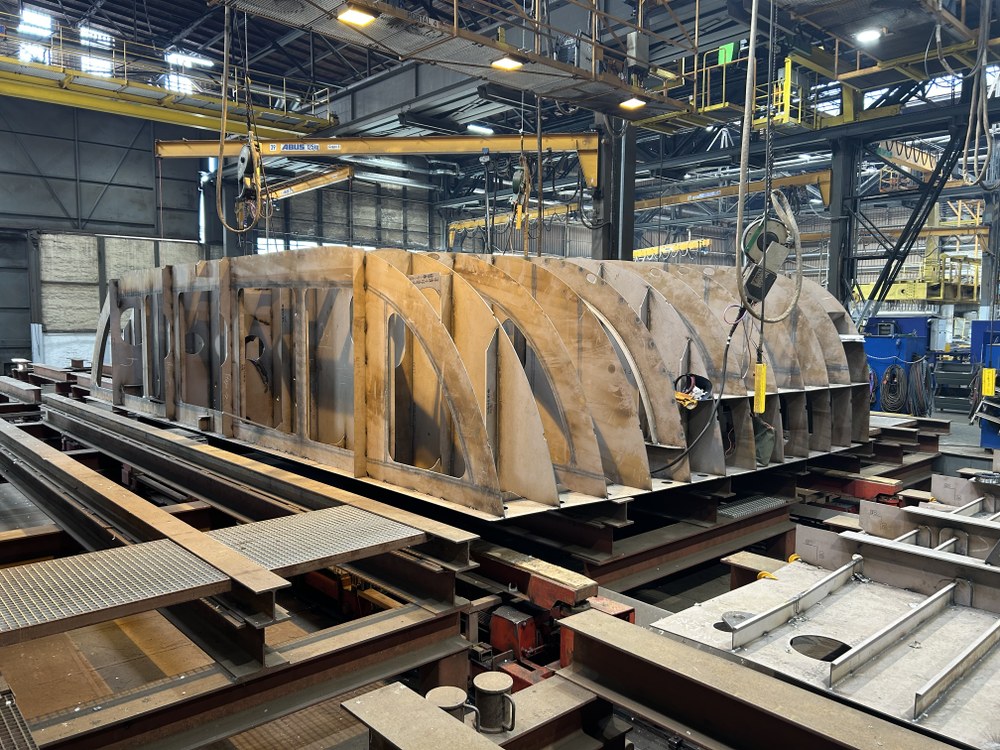
Engine room floor section of the seagoing technology platform
This section of the seagoing technology platform constitutes the engine room floor. It is the forward part of an even larger section. It houses part of an anti-roll tank, a fresh-water tank and a number of empty compartments for cable and pipework routing.
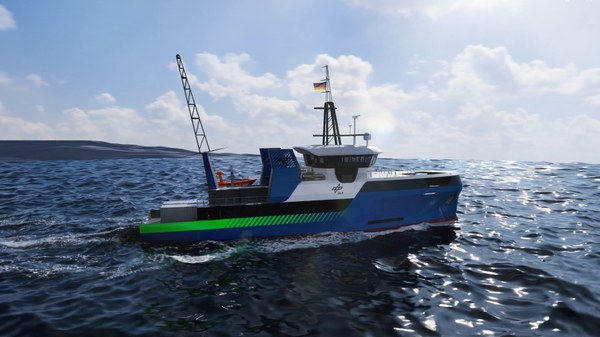
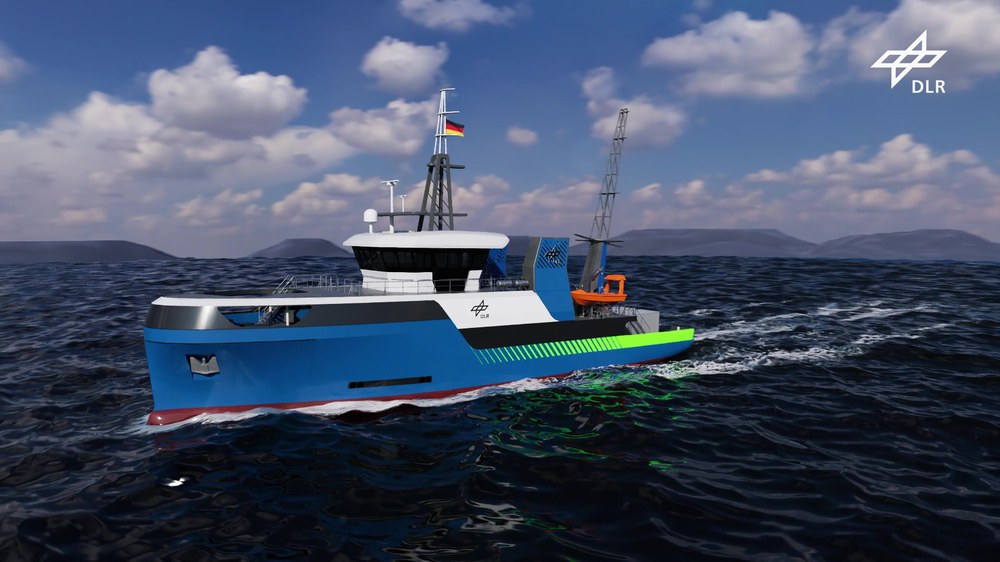
Currently, a unique Technology Platform is being built. It will serve as a floating laboratory to test and further develop climate-friendly propulsion systems, for example based on hydrogen and batteries. The ship is 48 metres long and twelve metres wide, and will carry a maximum of 20 people for test trips lasting one to several days, primarily on the North Sea and Baltic Sea. Once completed, the ship will have its home port in Kiel.
Animation: Future Technology Platform
Your consent to the storage of data ('cookies') is required for the playback of this video on Quickchannel.com. You can view and change your current data storage settings at any time under privacy.
Animation: Future Technology Platform
Currently, a unique Technology Platform is being built. It will serve as a floating laboratory to test and further develop climate-friendly propulsion systems, for example based on hydrogen and batteries. The ship is 48 metres long and twelve metres wide, and will carry a maximum of 20 people for test trips lasting one to several days, primarily on the North Sea and Baltic Sea. Once completed, the ship will have its home port in Kiel.
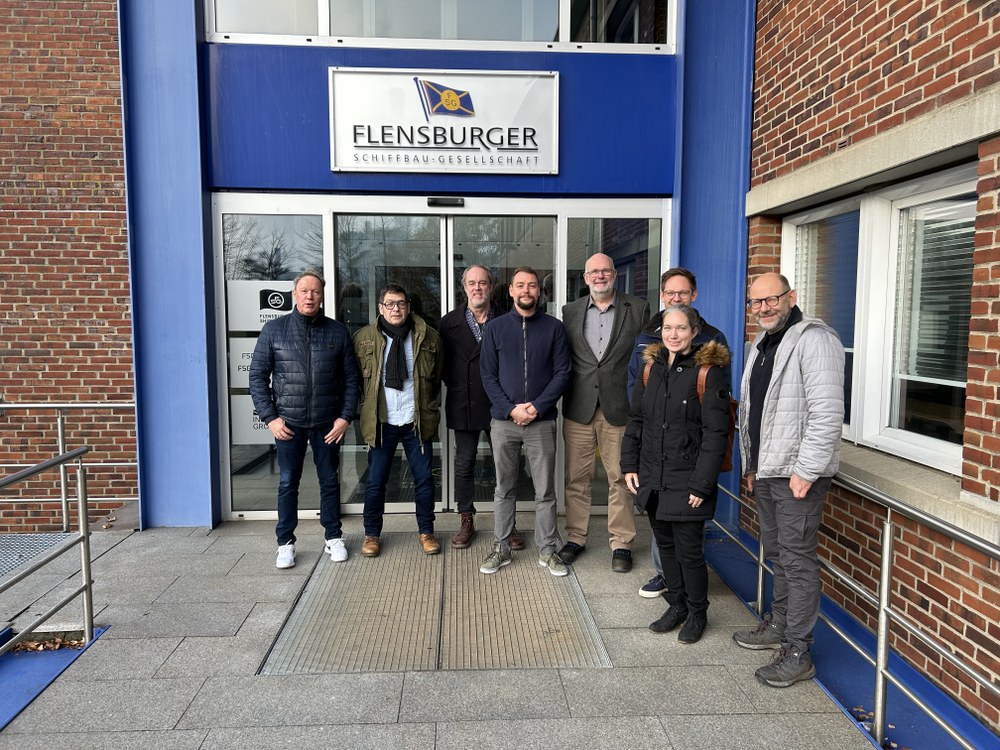
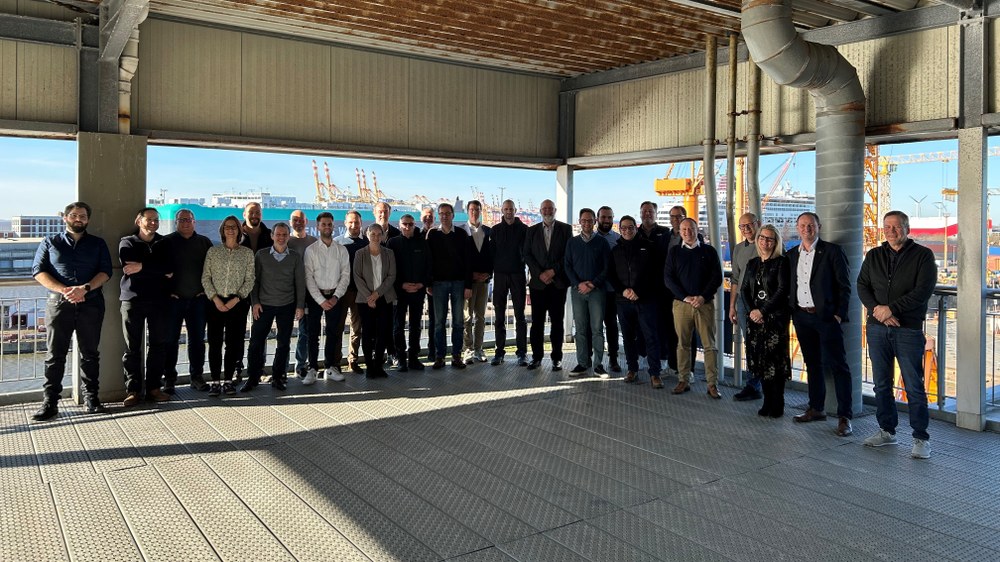
The first meeting on production planning took place with Flensburger Schiffbau Gesellschaft, Lloyd Werft Bremerhaven, Lloyd's Register, Ship Design & Consult GmbH and DLR. During a tour, we were able to see where the ship will be built next year. Following agreements with FSG and LWB regarding acceptance and the construction supervision process, we are looking forward to the start of construction.
In the fascinating marine technology podcast, Institute Director Prof Dr Sören Ehlers reports on what the research vessel will be investigating, what systems and components it contains and how it is itself an object of research. (in German)
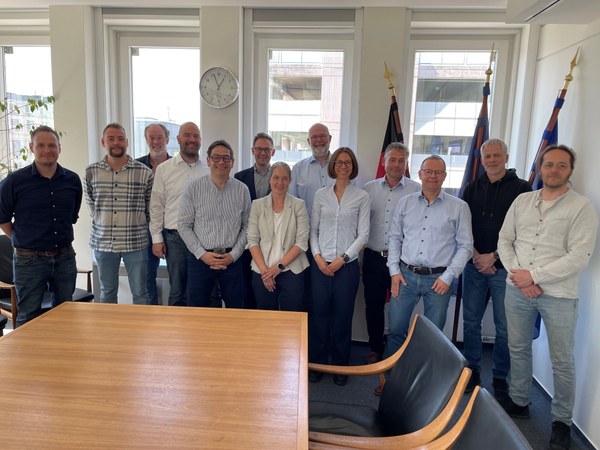
DLR and Lloyd Werft met in Bremerhaven for the first time as a large group to kick off the project and to familiarise themselves with the future cooperation.