InnoTrans 2026 - The future of mobility

Virtual Coupler: Resilient Communication and Robust Localization as Key Technologies

Virtual Coupler
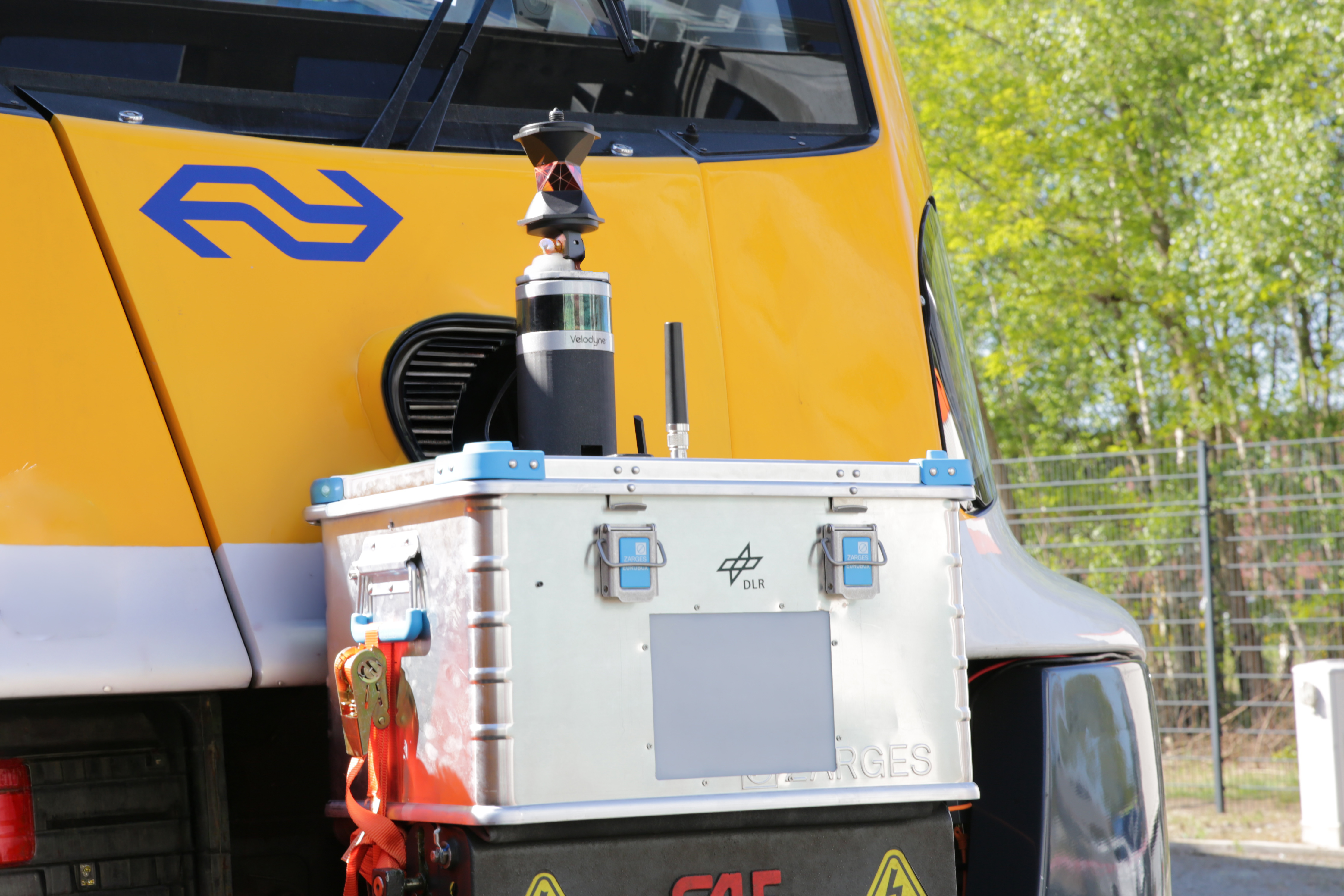
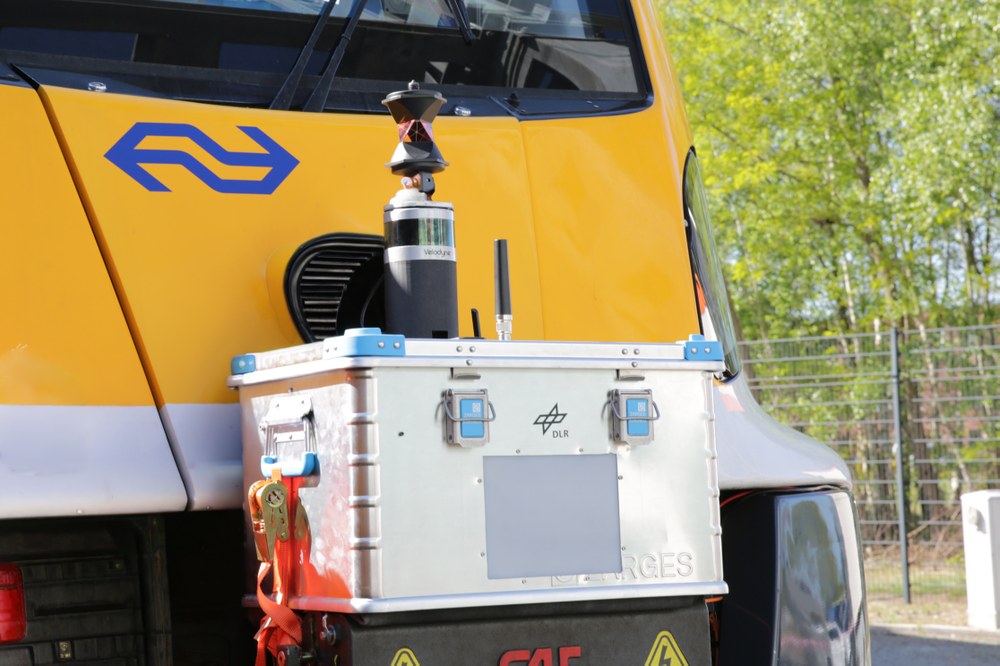
The communication and localization system is the heart of the virtual coupling. The exhibit shown here was integrated into CAF Springer New Generation trains by project partner Nederlandse Spoorwegen (NS) in the existing coupling area as part of the FP2R2DATO project. Virtual coupling is a significant step toward greater flexibility and efficiency in rail transport. This is because, even today, trains are often still coupled mechanically—that is, assembled by hand by switching crews.

The developments target innovative operational solutions with high grades of automation close to autonomy. Virtual Coupling of Train Sets (VCTS) is one approach to operate trains, consists or even individual vehicles as e.g. Self Propelled Freight Wagons (SPFW) in a coordinated way to improve efficiency and flexibilty of railway transport.

As an example use case, the Next Generation Train (NGT) Taxi concept addresses automated operations on branch railway routes, where the vehicle runs demand-orientated, based on number of passengers, in the appropriate size in virtual coupled mode.      

VCTS relies on decentralized Train-to-Train (T2T) based Short-Range Communications (SRC) and Relative Localisation (RL). To ensure the control and safety on the same or higher level as for mechanical and electrical coupled trains, a data exchange with very low latency and a highly reliable distance control is indispensable.

The exhibited RL testbed bases on the SRC and implements radio based ranging algorithms for RL in railway environments by integration of distance estimation functions adaptable to the specific railway propagation conditions.

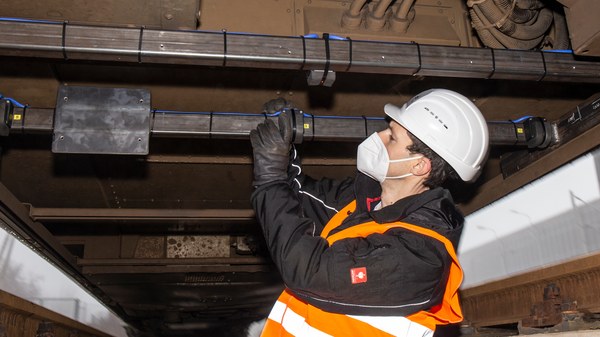
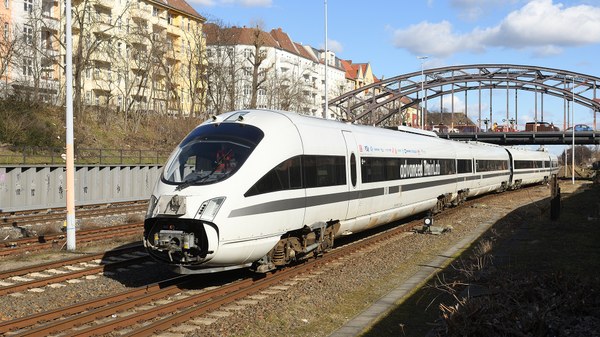
For highest reliability, RL will be complemented by onboard sensors for absolute positioning, where DLR’s Magnetic Localization (ML) approach is a key technology to cover tunnels, stations or other scenarious and situations where GNSS performance is degraded or even unavailable. The operational usage of ML has been introduced successfully as part of the Railway Collision Avoidance System (TrainCAS). Both RL and ML developments are among DLR’s contributions to the technological enablers within ERJU Flagship Project FP2 – R2DATO.

Spin-off Intelligence on Wheels

The operational use of the key technology magnetic localization was successfully introduced as part of the Railway Collision Avoidance System (TrainCAS)) eingeführt.

Rail to Digital automated up to autonomous train operation

These developments are among the DLR contributions to the technological requirements within the ERJU Flagship Project FP2 – R2DATO

Visit us at the Innotrans

The DLR Institute of Communications and Navigation will be presenting its latest technological developments in an interactive exhibit at Innotrans 2024 in Hall 2.2 Stand 440.