Remote Assistance

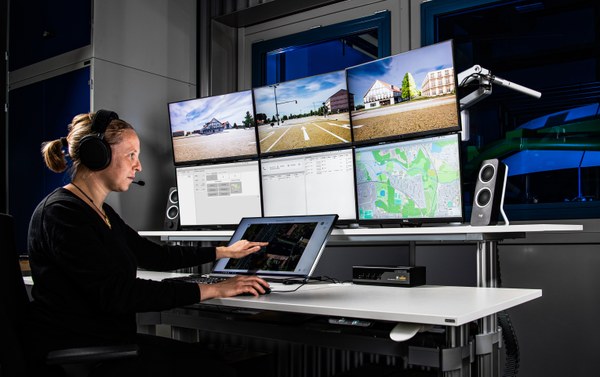
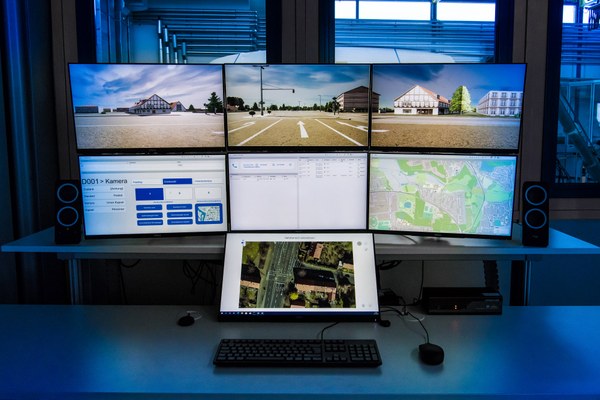
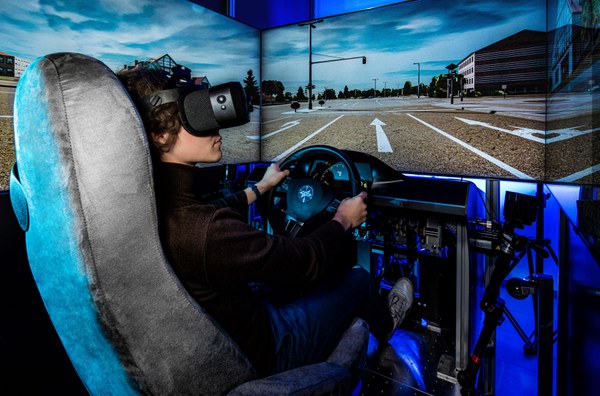
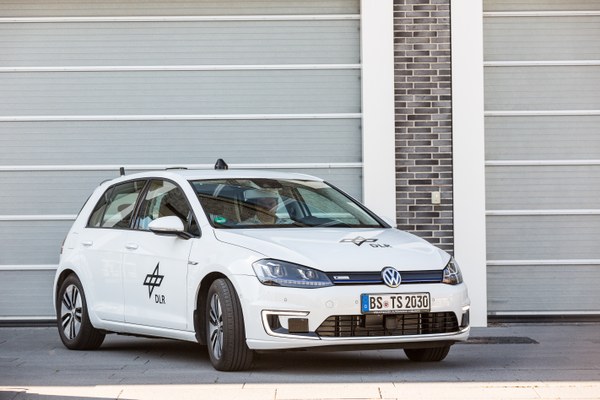
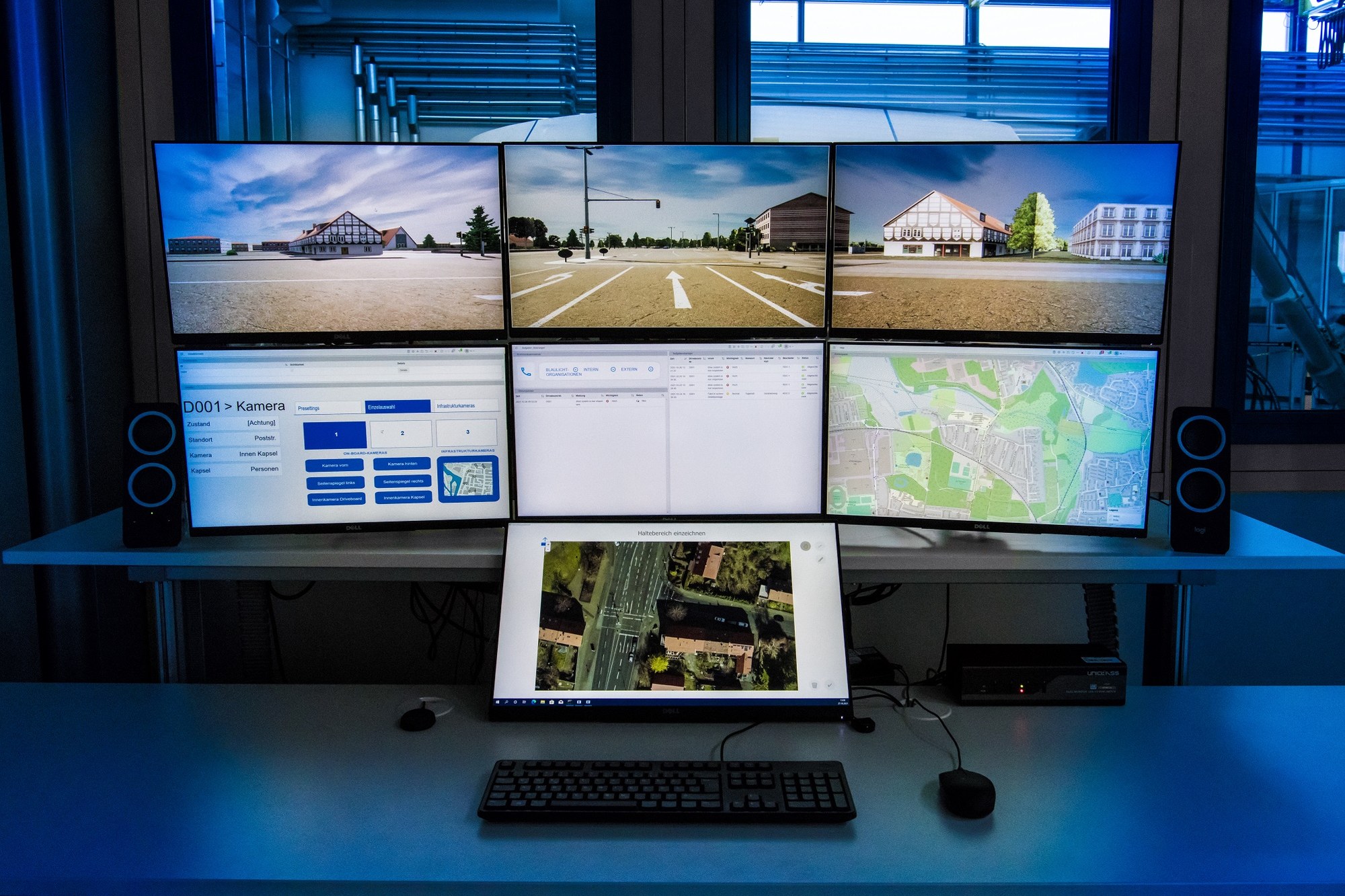
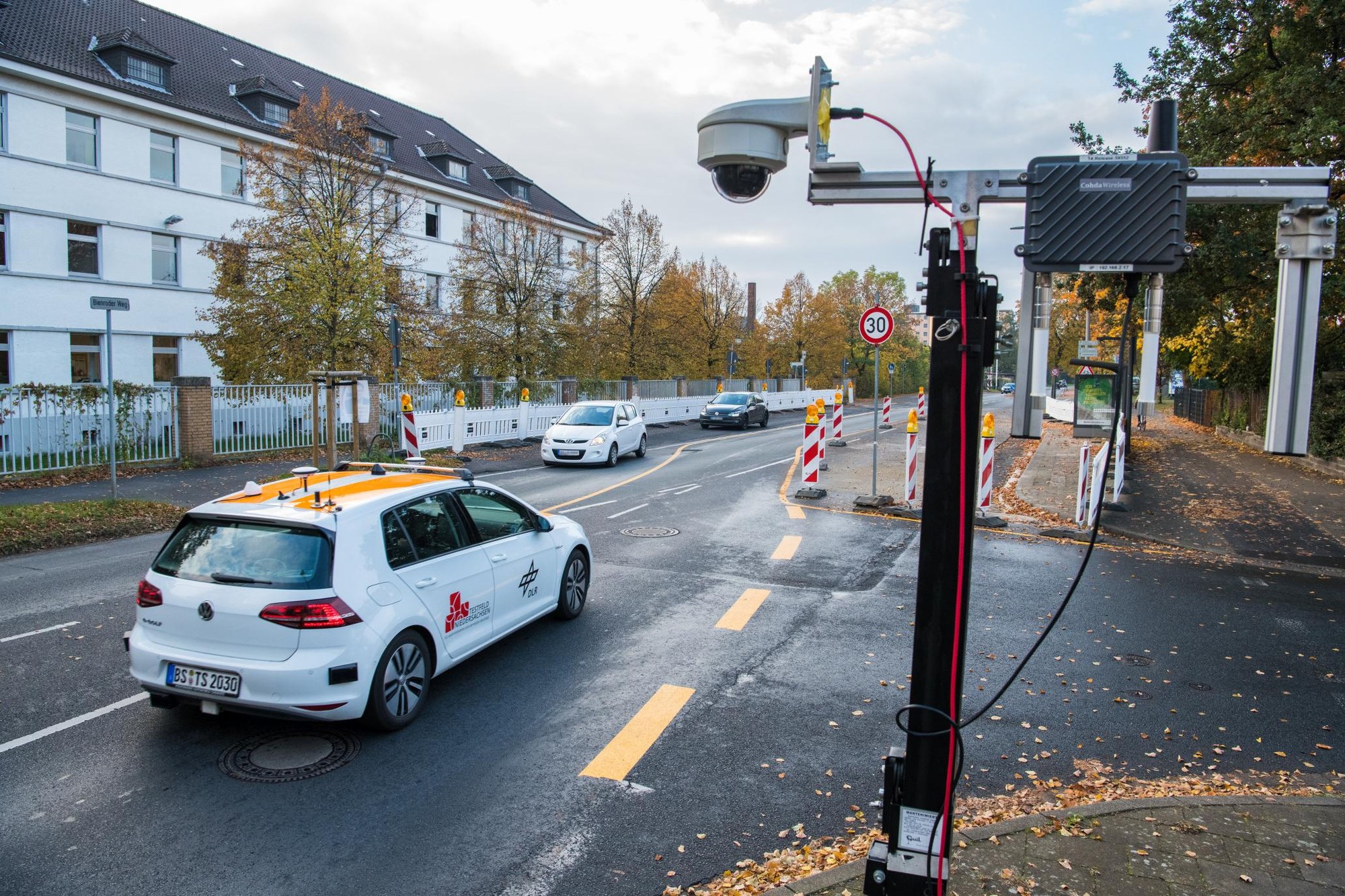
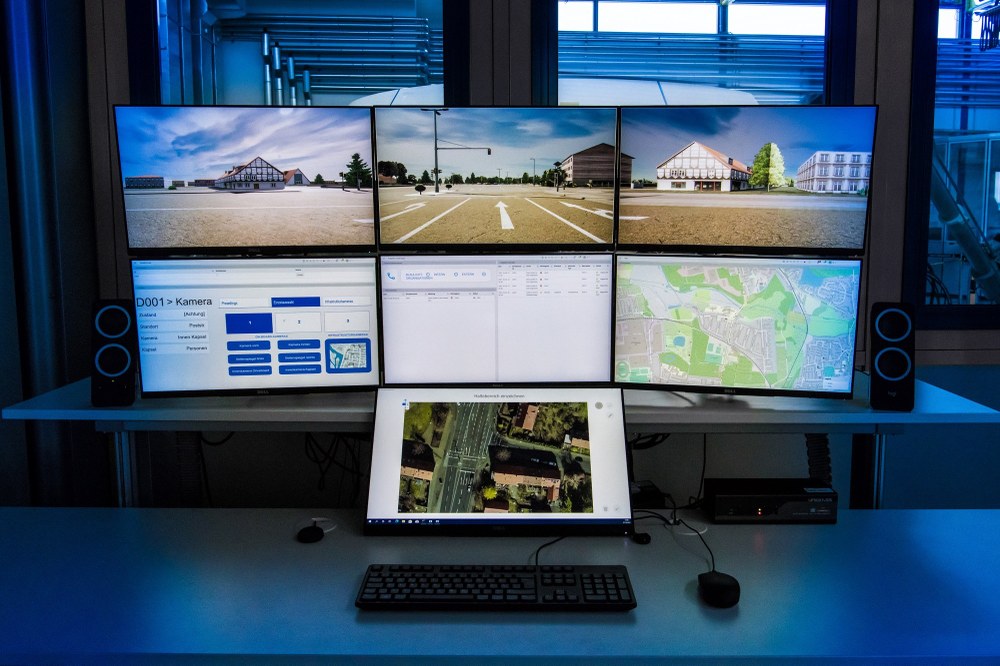
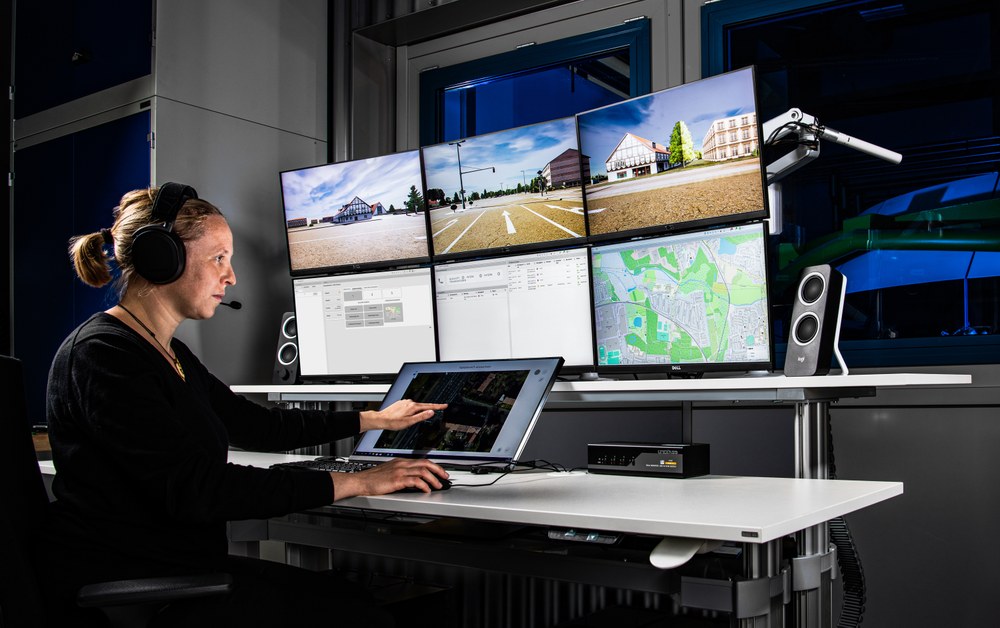
DLR is researching how connected and automated vehicles can be supported by a human remote assistant in the future. The scientists are investigating how its workplace can be designed and how it can be tested in simulations and real environments.

The Institute of Transportation Systems at the German Aerospace Center (DLR) is conducting extensive research on an important component of future mobility: the development and implementation of remote assistance for connected and automated vehicles and the design of a suitable workplace.

What is remote assistance?

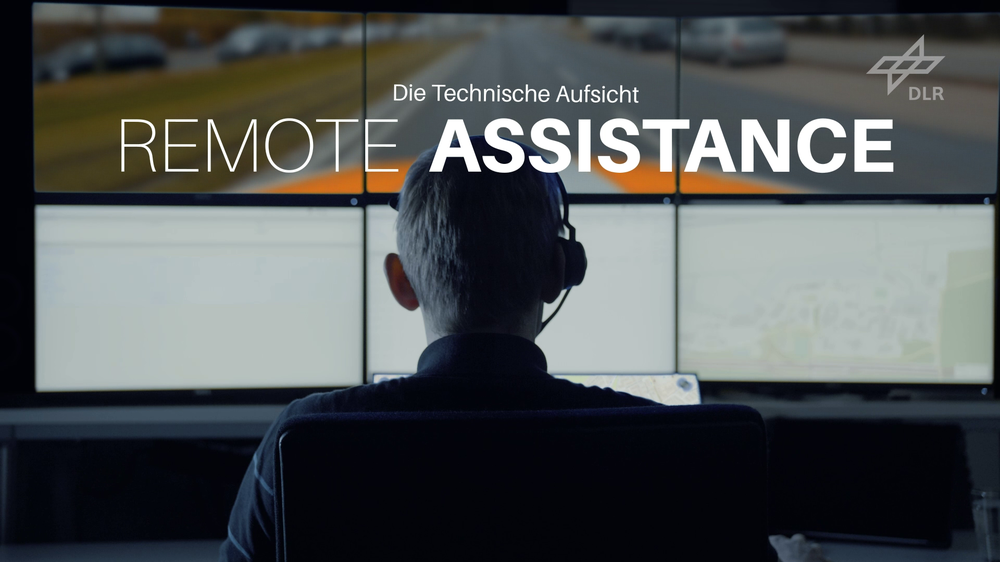
The term describes the support of a usually autonomous vehicle in assessing a traffic situation and selecting a suitable driving manoeuvre. In contrast to remote driving, the operator does not take over the driving task but gives higher-level recommendations to the vehicle. EU Regulation 2022/1426 and the German Autonomous Vehicle Authorisation and Operation Ordinance (AFGBV) regulate the use of remote assistance on public roads.

Where is remote assistance used?

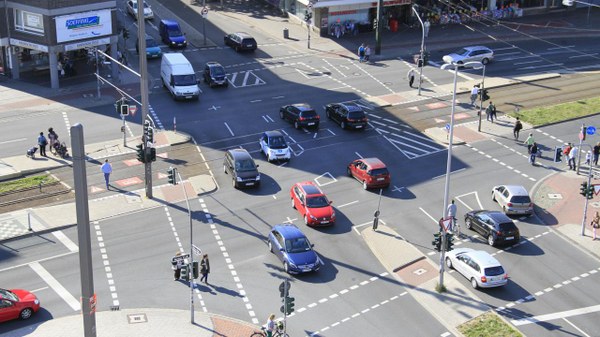
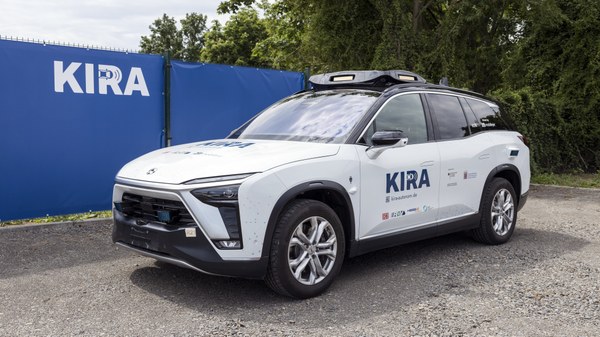
Future connected and automated vehicles (CAVs) will generally drive autonomously, but in some cases will require human assistance. If they are unable to continue driving safely, they will stop and request support from the remote assistance system. In a control center, remote assistants then support the vehicles remotely, e.g. when crossing a solid line to overtake parked vehicles. The availability of technical supervision, e.g. in the form of remote assistance, is a prerequisite for the operation of highly automated vehicles on German and European roads.

Research services

With comprehensive expertise in the research fields of vehicle automation, remote operation (taking into account technical and human factors aspects) as well as digital twins and simulations, the Institute of Transportation Systems offers a broad-based, interdisciplinary research portfolio. We utilise cross-domain synergies from aerospace, rail and waterborne modes of transport and draw on many years of experience from projects with industry and the public sector. We offer the following services:

  • Scientific analysis of the appropriateness of legal requirements (e.g. AFGBV) for remote assistance
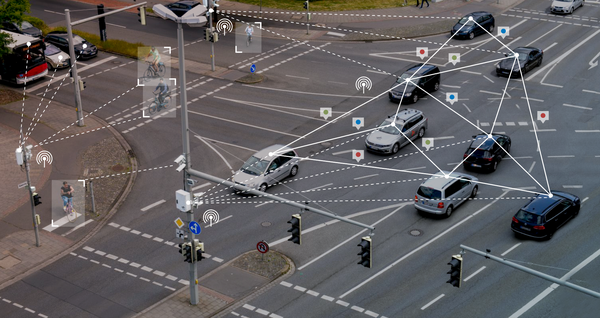
  • Development of customised control station concepts for the remote assistance of connected and automated vehicles in public road traffic and integration into an overall system with vehicles, other participants such as surrounding road users and communication interfaces
  • Human-centred design of human-machine interaction in the context of control stations, taking into account legal and human factors requirements
  • Evaluation of control centers and control center concepts for the remote assistance of vehicles
  • Development of concepts for the coupling of remote operation tasks, e.g. technical supervision as remote assistance (AFGBV) and remote steering (StVFernLV) with a focus on event-based remote driving

Latest news

Projects and research facilities

Publications

Contact

Sten Ruppe

Acting Head of Department
German Aerospace Center (DLR)
Institute of Transportation Systems
Cooperative Road Vehicles and Systems
Rutherfordstr. 2, 12489 Berlin