All News on LinkedIn
The LinkedIn channel provides regular updates on project progress, conferences and publications.
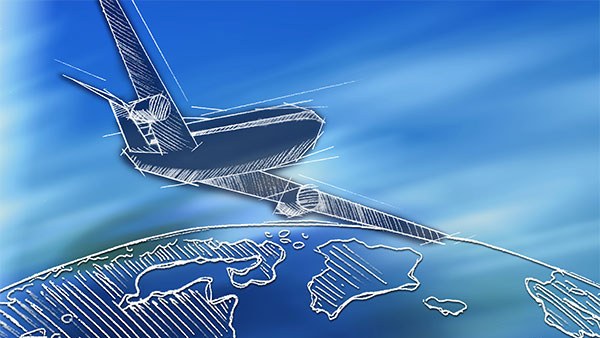
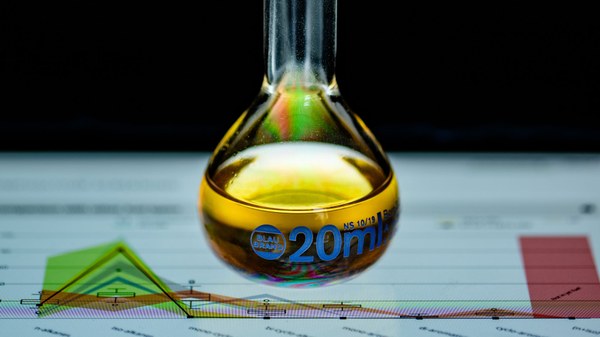
The PACIFIC project (Particle emissions, Air Quality and Climate Impact related to Fuel Composition and Engine Cycle) is investigating the relationship between particulate emissions and climate impacts as a function of different fuel compositions and the engine cycle. The aim of the project is to gain a better understanding of the climate impact of non-CO₂ emissions from Sustainable Aviation Fuels (SAF). Non-CO₂ emissions refer to all climate-relevant substances, other than carbon dioxide, that are produced during the combustion process in aircraft engines. Another key focus of the project is the investigation of ice crystal formation in contrails.
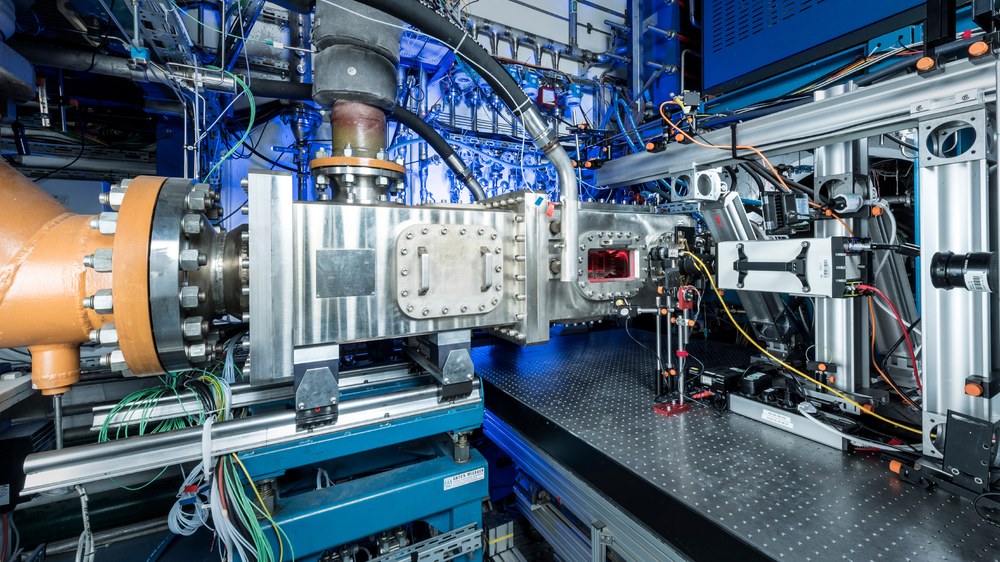
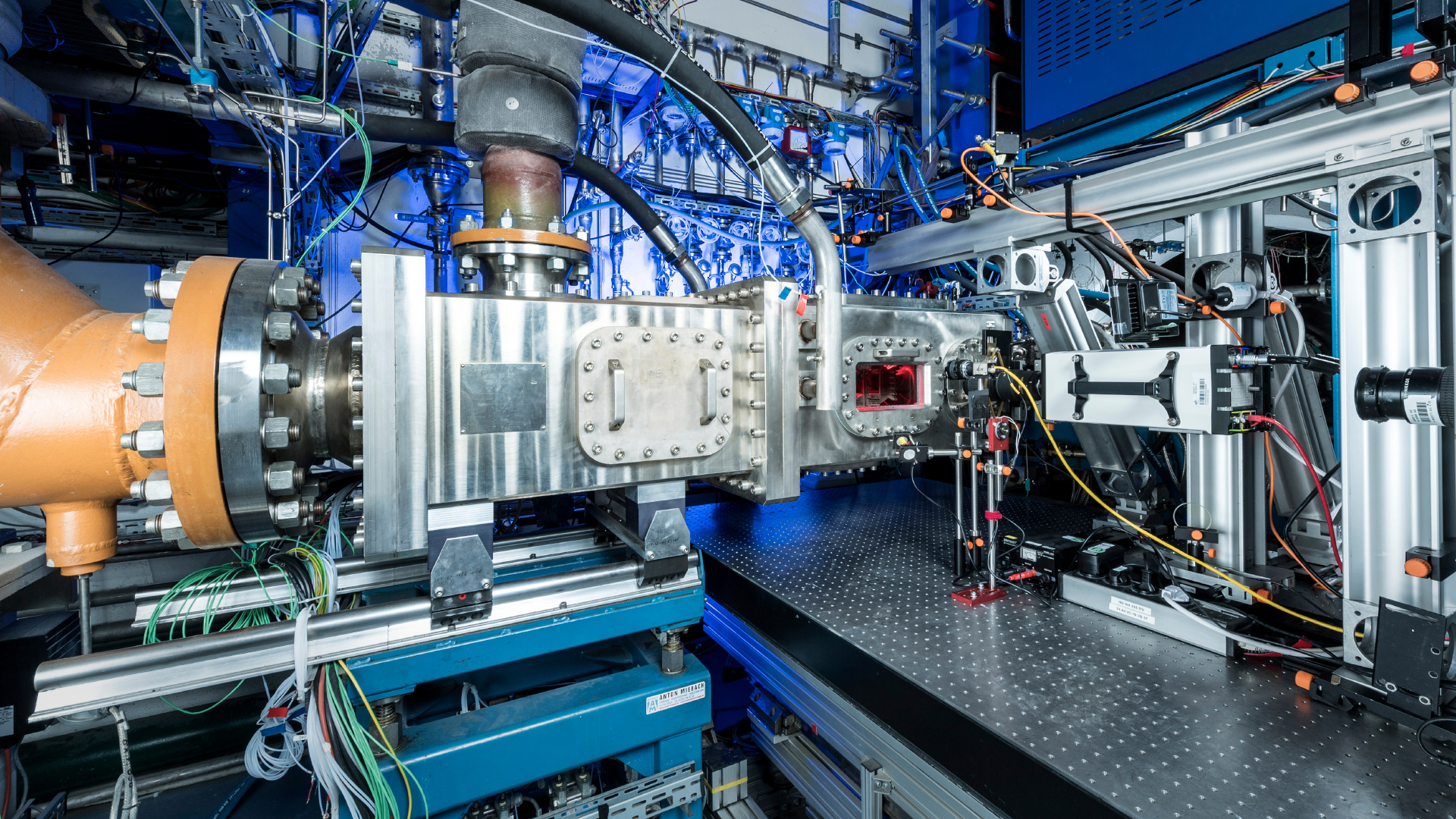
The project is led by Airbus and brings together key players from academia and industry within the European aviation sector. At the Institute of Propulsion Technology, a wide range of different fuels is being tested on the Single Sector Combustor test bench. Selected SAF variants are also analysed on the High-Pressure Combustor Test Facility 1 (HBK 1) under real engine conditions. In order to be able to thoroughly evaluate the advantages and effects of the fuel compositions, the project analyses the different SAF variants under controlled conditions. Combustion parameters and boundary conditions for the laboratory tests remain constant across the various trials. In addition, the concentration and particle size distribution of soot particles are analysed during the tests using high-precision measurement technology. This allows for a precise assessment of which fuel compositions are best suited to minimise non-CO₂ effects.

01.01.2025 – 01.06.2028
Sustainable Aviation Fuels, Climate Impact, Condensation Trails

Europäische Union