NF Space

Innovative fuel combinations

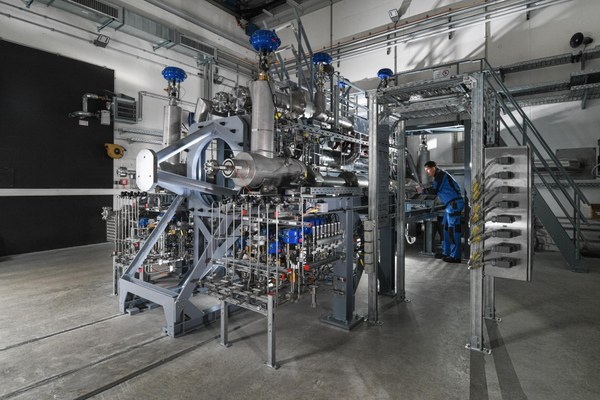
The aim of the project is to further develop three innovative fuel combinations for space flight and increase their technology readiness level (TRL) in order to enable progress towards commercial application. This involves creating numerical and analytical models, conducting experimental investigations, optimising combustion chambers and engines, and testing them under real conditions.

NF (NeoFuels) Space


duration

2026 – 2028

Areas of application

  • Attitude and trajectory control of satellite and orbital propulsion systems,
  • reusable spacecraft, upper and kick stages, space stations, lander propulsion systems,
  • staged combustion and gas generators for reusable spacecraft, main and upper stages.

N2O-based fuels

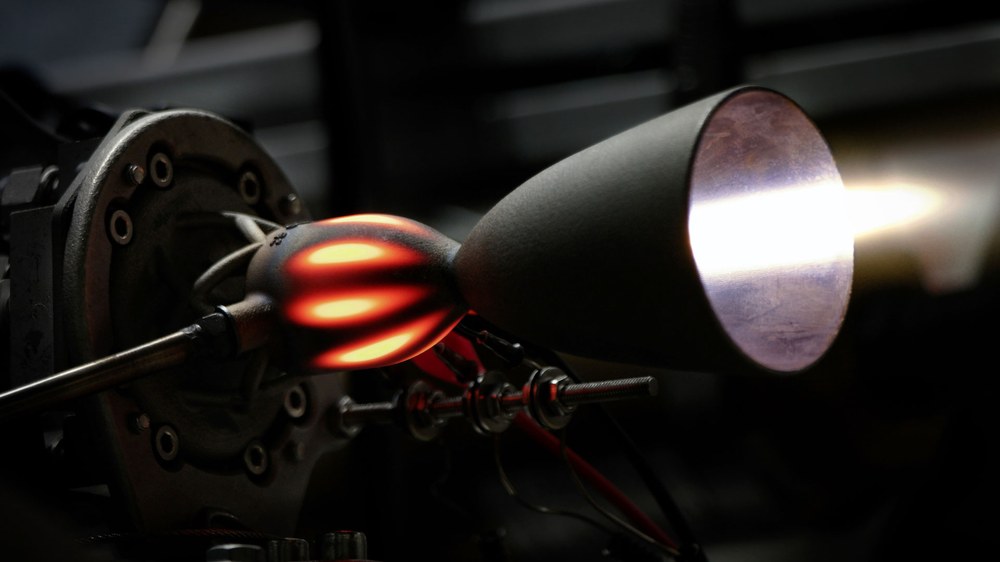
Green fuels, nitrous oxide-based mono- and bipropellants, simplify the propulsion system as no additional tank or pressure system is required. The aim is to develop non-explosive nitrous oxide fuel mixtures. To this end, suitable, innovative 3D-printed combustion chambers and corresponding advanced fibre-ceramic materials are being developed. Fuels of this type are planned for use in the attitude and trajectory control of satellite and orbital propulsion systems.

Hypergolic bipropellants made from ionic liquids and hydrogen peroxide

The combination of green hypergolic bipropellants based on ionic liquids (ILs) and hydrogen peroxide is intended to replace toxic hypergolic fuel combinations while covering higher thrust ranges of space propulsion systems. The aim is to develop metal-free, low-viscosity fuel formulations, qualify novel, additive-manufactured materials, and conduct hot gas tests in a combustion chamber with up to 200 Newton of thrust under vacuum conditions. In addition, hybrid hypergolic fuels based on ILs are being investigated that are neither air- nor water-sensitive and do not produce solid combustion products.

Fuel combination of liquid oxygen and methane for rocket propulsion

Compared to hydrogen, methane offers advantages in terms of handling, storability and cost, with only a slight reduction in performance. The aim is to build up a broad database for combustion processes under extreme mixing conditions and high pressures (> 200 bar) in order to support the development of future reusable space propulsion systems. To this end, experimental investigations are being carried out and supplemented by physical models and numerical simulations of the combustion processes under real operating conditions.