

Loading
Surface Avatar

Surface Avatar Logo
Credit:
PR
Duration: | 2022-01-01 until 2023-12-31 |
Project partners: | |
Fields of application: | Establishment of planetary infrastructure |
Funding: | European Space Agency |
Surface Avatar: Das Roboterteam ist bereit
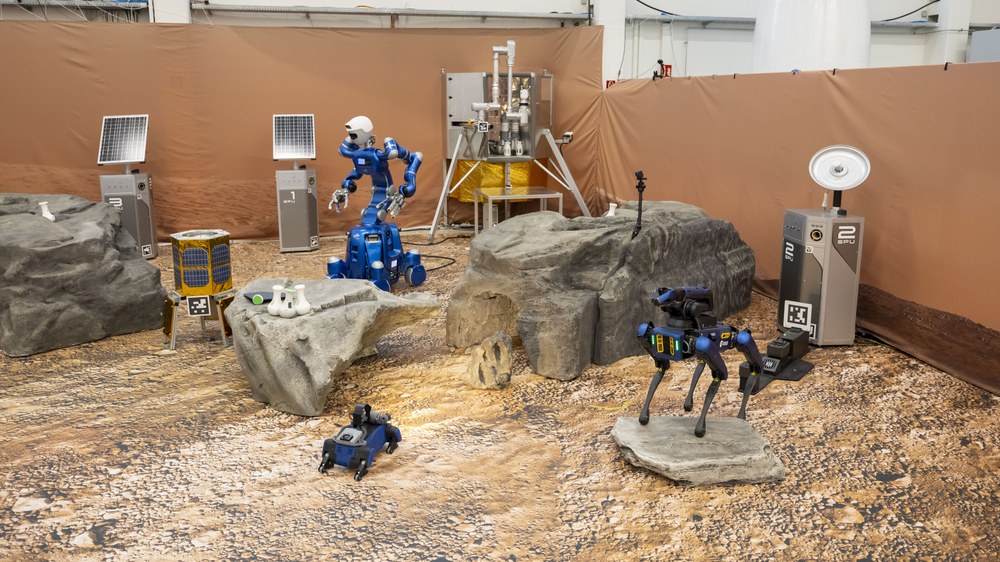
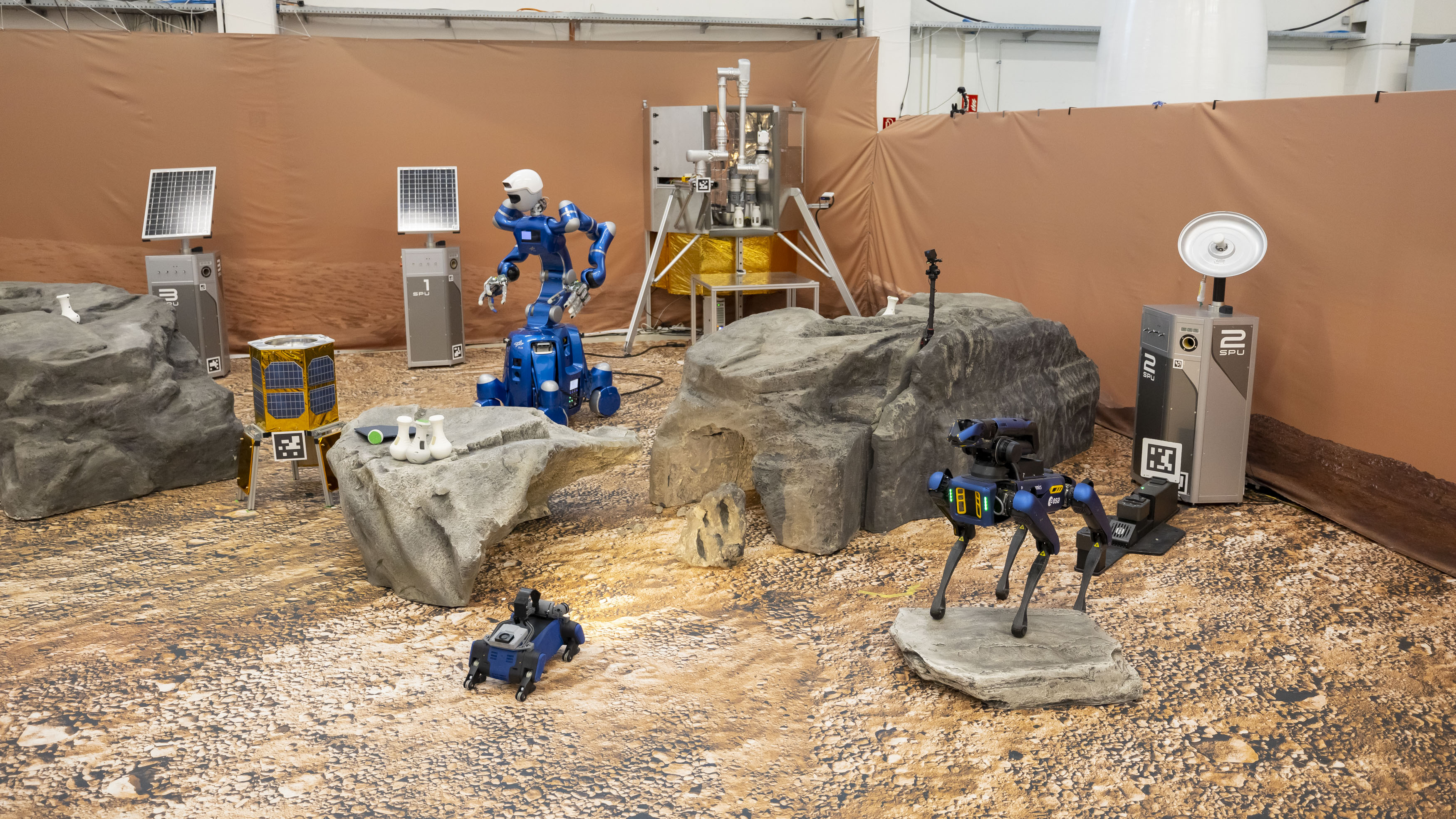
Am 24. Juli 2025 fand das letzte Experiment der Mission Surface Avatar statt. Insgesamt vier Roboter im Marslabor des DLR in Oberpfaffenhofen wurden von NASA-Astronaut Jonny Kim an Bord der Internationalen Raumstation ISS kommandiert. Das Bild zeigt die Marslandschaft mit dem humanoiden DLR-Roboter Rollin‘ Justin (hinten), dem vierbeinigen DLR-Roboter Bert (links vorne) und dem vierbeinigen ESA-Roboter Spot (rechts).
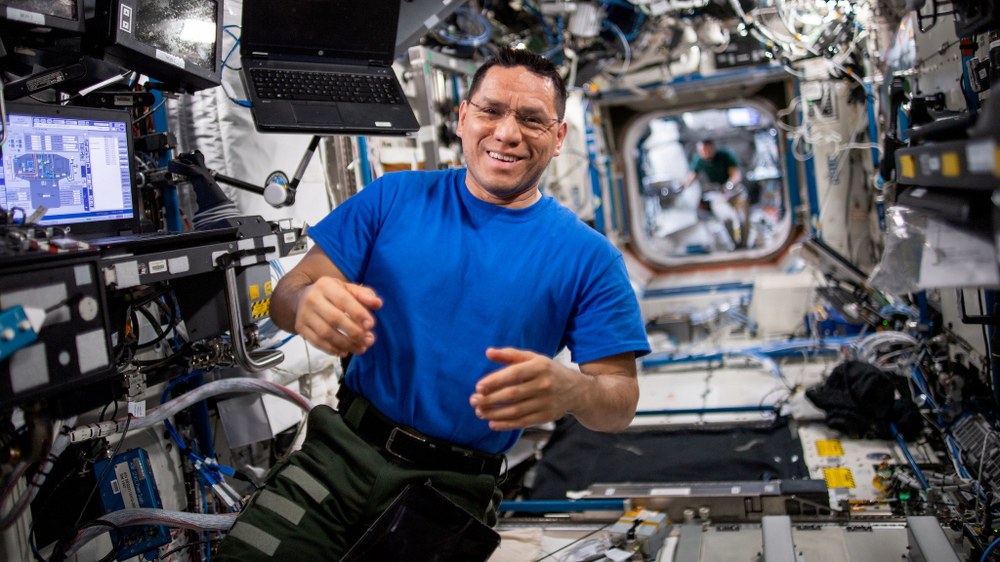
NASA-Astronaut Frank Rubioon board the ISS
Frank Rubio supported the first Surface Avatar experiments as part of the long-duration Expedition 69, which will run from March 2023 to September 2023. This is the US astronaut's second mission on board the International Space Station (ISS)
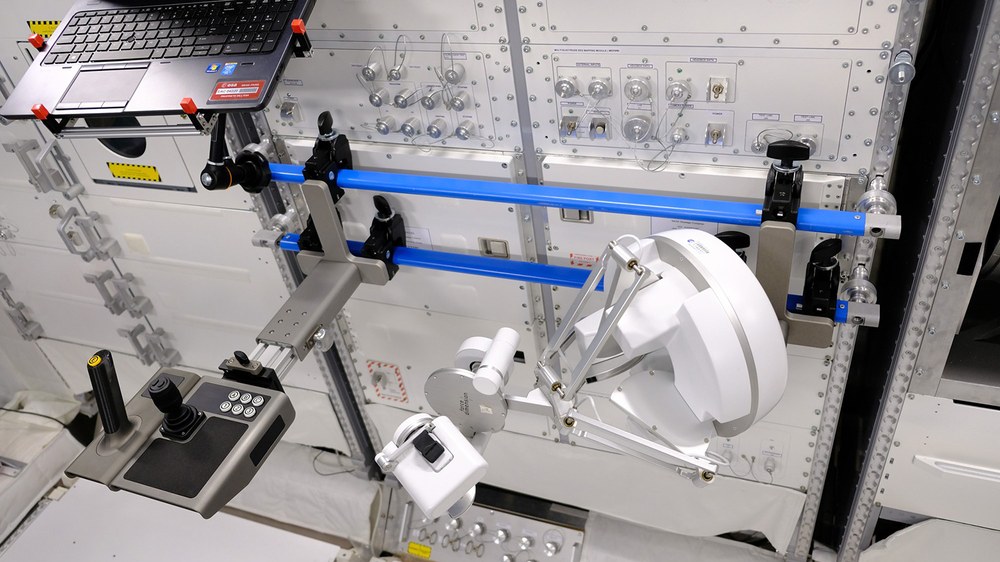
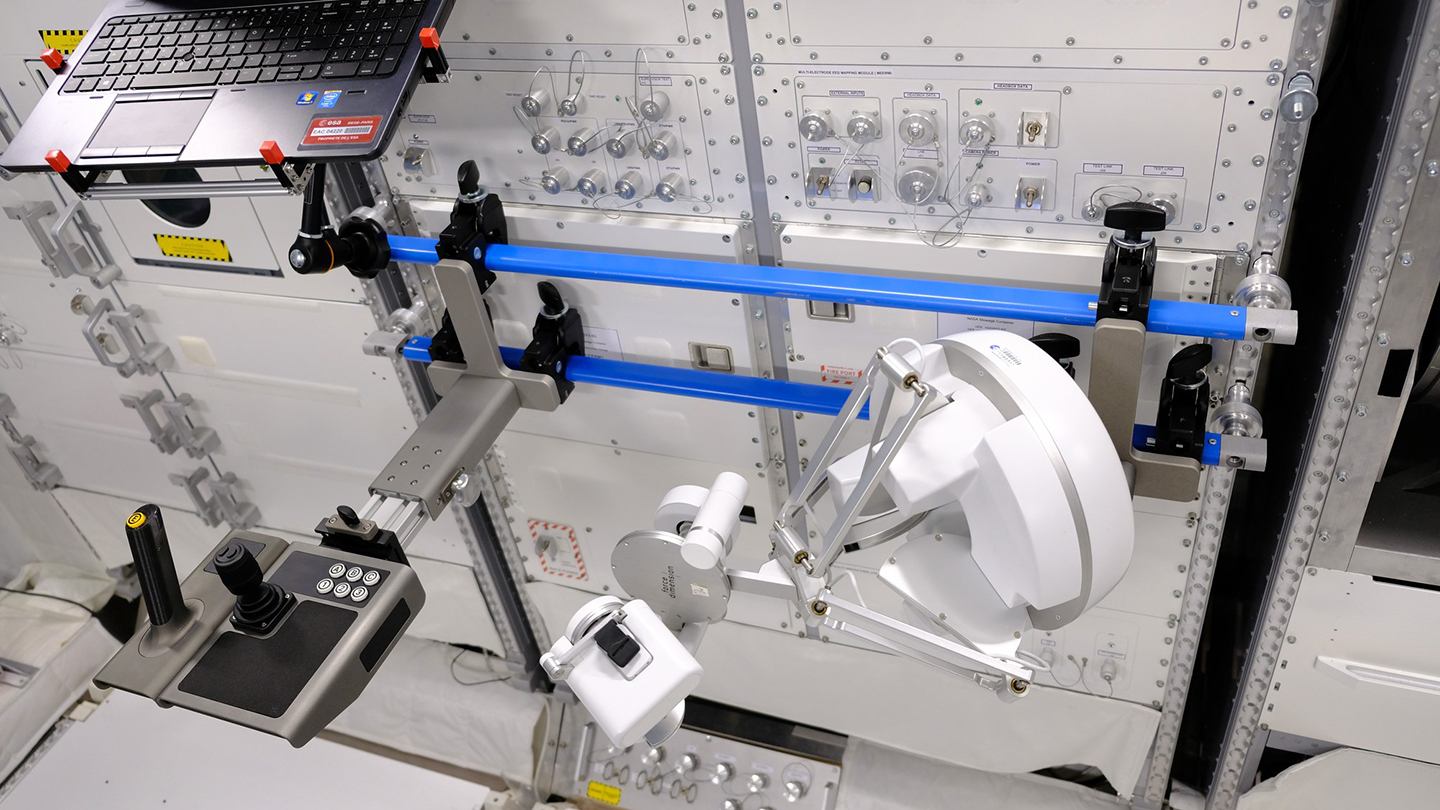
Control from space: The Robot Command Terminal on board the ISS
Im Columbus-Modul der Internationalen Raumstation ISS befindet sich das Robot Command Terminal für die Surface-Avatar-Experimente. Neben einem Laptop mit grafischer Benutzeroberfläche verfügt der Kommandierende über zwei Eingabe-Stationen: Über den Joystick sigma (links) lassen sich die Bewegungs- und Blickrichtungen der verschiedenen Roboter auf intuitive Art steuern. Und mit dem Interaktionsgerät (rechts) kann NASA-Astronaut Frank Rubio die Arme der Roboter steuern und zum Beispiel den Arm von DLR-Roboter Rollin‘ Justin bewegen als ob es sein eigener wäre. Da die Steuerung über sieben Freiheitsgrade geregelt ist, fühlen sich die Bewegungen sehr natürlich an. Dank eingebauter Kraftrückkoppelung fühlt der menschliche Bediener außerdem was der Roboter „fühlt“, indem er den entsprechenden Widerstand spürt, wenn der Roboter etwas berührt oder greift.